
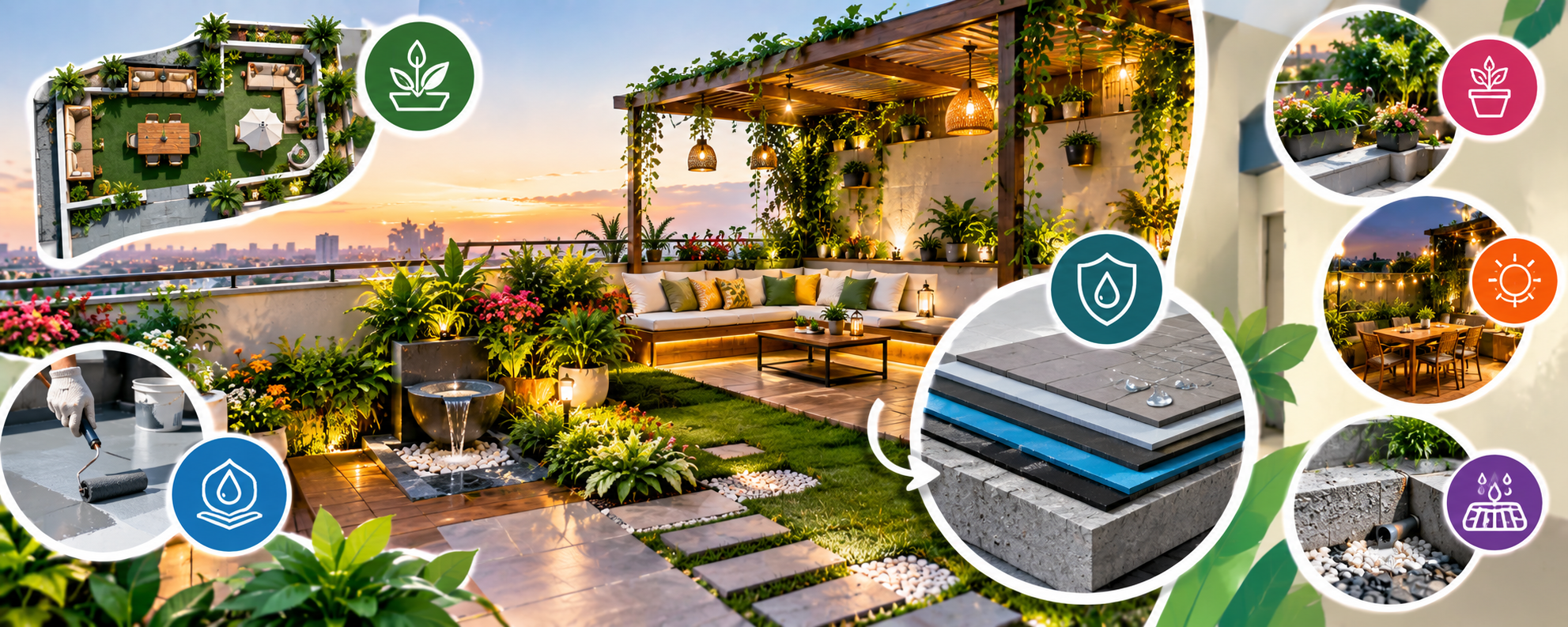

A terrace garden can transform an unused rooftop into a green, relaxing, and functional part of a modern home. It can provide space for plants, seating, morning walks, family gatherings, or simply a quiet place to spend time outdoors. However, designing a successful terrace garden involves much more than placing pots and plants on a roof.
A terrace is also an important structural and weather-protection element of a building. Continuous exposure to sunlight, rain, temperature changes, soil moisture, and irrigation water can affect the roof if the garden is not planned correctly. Waterproofing, drainage, structural capacity, access, irrigation, and maintenance should therefore be considered before introducing heavy planters or landscaped areas.
A good terrace garden design balances greenery and usability with the technical requirements of the building. Proper planning at the construction stage can reduce the risk of leakage, waterlogging, damaged finishes, and expensive repairs later.
Start With Structural Planning

Before creating a terrace garden, the existing roof should be evaluated to determine whether it can safely accommodate the proposed garden system. Soil, large planters, water, paving, furniture, and people all add load to the terrace.
A lightweight terrace garden with selected containers may have very different structural requirements from a landscaped terrace containing deep soil beds, large trees, masonry planters, and permanent seating. The structural engineer should therefore assess the proposed arrangement before heavy elements are added.
For a new house, terrace garden requirements can be considered during the original structural design. This makes it easier to plan suitable load distribution, drainage locations, waterproofing details, access routes, and service points.
Waterproofing Should Come Before Gardening
Waterproofing is one of the most important aspects of terrace garden planning. A garden constantly introduces moisture to the roof through rainfall, irrigation, wet soil, and drainage. If the waterproofing system is inadequate, moisture can eventually reach the building below and cause dampness, staining, peeling finishes, or more serious deterioration.
The waterproofing system should be designed according to the terrace construction and proposed garden arrangement. The roof surface should be properly prepared, and waterproofing should be applied using a suitable system by experienced professionals.
Waterproofing should not be treated as a decorative coating applied after the garden is complete. It is a building-protection layer that should be planned before soil, planters, paving, or other landscaping elements are installed.

Plan Effective Terrace Drainage

A terrace garden requires reliable drainage because excess water should never remain around plant beds or on the roof surface for long periods. Waterlogging can increase moisture exposure and may damage finishes or contribute to leakage problems.
The terrace should have appropriate slopes directing water toward properly positioned drainage outlets. Drainage points should remain accessible for inspection and cleaning. Leaves, soil, roots, and other garden debris can block outlets if maintenance is neglected.
Where raised planters or garden beds are used, their drainage should be connected to an appropriate water disposal arrangement. Simply allowing irrigation water to spread across the roof is not a reliable drainage solution.
Choose the Right Type of Terrace Garden
Not every terrace requires a fully landscaped garden. The design should depend on the available space, structural capacity, maintenance commitment, and intended use.
A container garden is often suitable when homeowners want flexibility. Plants can be arranged in movable pots, planters, or lightweight containers without creating a permanent landscaped surface across the entire terrace.
A green terrace with dedicated planting beds can provide a more integrated garden experience, but it requires more detailed waterproofing, drainage, soil-depth planning, and structural consideration. A combination of seating, potted plants, and selected green zones can provide a practical middle ground for many homes.
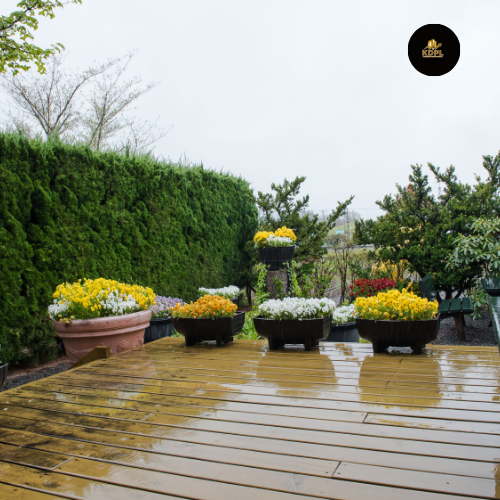
Select Plants According to Terrace Conditions
Terrace plants are exposed to stronger sunlight, wind, heat, and seasonal weather changes than many indoor plants. Plant selection should therefore be based on the actual environmental conditions of the roof.
Plants should be chosen according to sunlight exposure, local climate, water requirements, available soil depth, and maintenance needs. Smaller shrubs, herbs, flowering plants, ornamental grasses, and suitable vegetables can be considered depending on the garden’s purpose.
Large trees should not be introduced casually. Their mature size, root growth, planter weight, wind exposure, and maintenance requirements should be evaluated carefully. A tree that looks attractive in a small terrace garden can become difficult to manage as it grows.
Use Lightweight Landscaping Where Appropriate
Reducing unnecessary weight can make terrace gardening easier to manage. Lightweight containers, suitable planting media, modular planters, and carefully selected landscaping materials can help reduce the overall load compared with traditional heavy masonry construction.
However, “lightweight” does not mean that structural assessment can be ignored. Even a large number of small containers can collectively create considerable weight, particularly after the soil becomes wet.
The complete garden arrangement should therefore be evaluated rather than considering each planter individually.
Create a Functional Seating Area
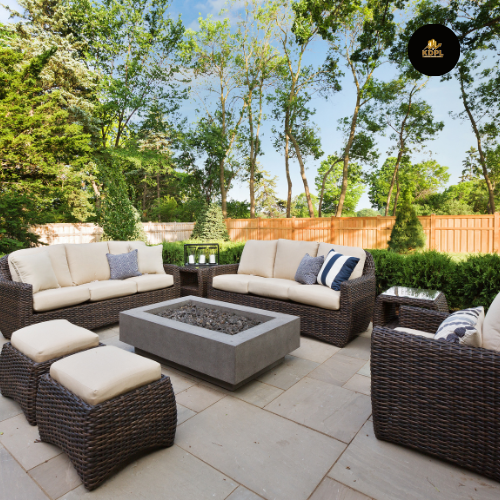
A terrace garden becomes more useful when part of the space is reserved for people. A small seating area can provide a place for morning tea, reading, family conversations, or evening relaxation.
The seating should be positioned away from drainage routes and areas where regular irrigation could make the floor wet. Outdoor furniture should be selected according to the terrace’s exposure to sunlight and rain.
A pergola, suitable shade structure, retractable awning, or other weather-control solution can make the seating area more comfortable. Any permanent structure, however, should be checked for structural and regulatory requirements before installation.
Plan Irrigation Carefully
Regular watering is essential for a terrace garden, but uncontrolled irrigation can create unnecessary moisture problems. A planned irrigation system can deliver water more efficiently while reducing excessive runoff.
Drip irrigation can be useful for many container and planting arrangements because water can be delivered closer to the plant’s root zone. The irrigation layout should be designed so that pipes do not create trip hazards or interfere with drainage and maintenance access.
An automatic irrigation system can be considered for larger gardens, particularly when homeowners are frequently away from home. The system should still include appropriate controls so that excessive watering does not occur during heavy rainfall.
Protect the Terrace From Excessive Heat
Terraces can become extremely hot during summer because the roof surface receives direct solar exposure. Plants can provide some shade, but the overall terrace design should also consider heat management.
Pergolas, shade structures, suitable outdoor fabrics, planters, and carefully positioned vegetation can create cooler areas. Light-coloured or suitable heat-resistant surface materials may also help manage the visual and thermal impact of the terrace.
The exact solution should be selected according to the building’s orientation, local climate, structural design, and intended use.
Plan Safe Access and Movement
A terrace garden should remain easy to access for both residents and maintenance workers. Plant beds, planters, furniture, and decorative features should not create narrow or obstructed pathways.
Walking surfaces should be suitable for outdoor use and reasonably slip-resistant, particularly because terraces may become wet during monsoon weather or irrigation. Changes in floor levels should be clearly planned to reduce the risk of tripping.
Children and pets also require consideration. Water tanks, electrical equipment, parapets, railings, and other service areas should remain safely separated from recreational zones.
Waterproofing Maintenance and Inspection
Even a well-designed waterproofing system requires periodic inspection. Cracks, damaged joints, blocked drains, loose tiles, deteriorated sealants, or areas of standing water should be addressed promptly.
Garden maintenance should include checking drainage outlets, removing leaves and soil from water paths, inspecting planter areas, and ensuring that irrigation does not continuously wet the same part of the terrace.
If leakage appears on the ceiling below the terrace, it should not simply be covered with interior paint. The source of moisture should be investigated and repaired properly.
Materials and Finishes for Terrace Gardens
Terrace materials should be selected for outdoor exposure. Flooring, planters, furniture, wall finishes, drainage components, and other elements should be suitable for sunlight, rain, temperature changes, and regular cleaning.
Tiles or outdoor surfaces should be installed with appropriate joints and slopes. Planters should have proper drainage, while waterproofing details around penetrations, corners, edges, and service areas should receive particular attention.
A simple material palette can also make maintenance easier. The terrace should look attractive without becoming dependent on delicate finishes that are difficult to repair or replace.
How Kanakdhara Developer Private Limited Can Help
Kanakdhara Developer Private Limited can help homeowners plan a terrace garden according to their lifestyle, available roof area, preferred landscaping style, and functional requirements. Terrace planning can coordinate structural considerations, waterproofing, drainage, flooring, planting zones, seating, lighting, irrigation, and maintenance access.
For a new home, these requirements can be incorporated into the construction planning stage so that the terrace is prepared for future gardening rather than modified later without technical coordination. The home can be designed according to the client’s requirements while keeping practical building performance in consideration.
Conclusion
A terrace garden can add greenery, usability, and visual character to a modern home, but successful design depends on more than plant selection. Structural capacity, waterproofing, drainage, irrigation, sunlight, access, safety, and long-term maintenance all need to work together.
The most important principle is to protect the building before creating the garden. Proper waterproofing, reliable drainage, suitable planting systems, and regular inspection can help reduce moisture-related problems and extend the life of the terrace. With thoughtful planning, an ordinary rooftop can become a comfortable and sustainable outdoor space for everyday use.
FAQs
1. Is waterproofing necessary before making a terrace garden?
Yes. Waterproofing is particularly important because terrace gardens introduce additional moisture through irrigation, rainfall, and wet soil. A suitable waterproofing system should be planned and completed before installing permanent garden elements.
2. Can every terrace support a terrace garden?
Not necessarily. The structural capacity of the terrace should be evaluated before adding soil, planters, paving, water features, or heavy furniture. A structural engineer can determine whether the proposed garden arrangement is suitable.
3. What is the best type of terrace garden for a house?
There is no single best design. Container gardens, landscaped planting beds, vertical gardens, and combinations of seating and greenery can all work depending on the terrace size, structural capacity, maintenance requirements, and homeowner’s preferences.
4. How can I prevent terrace garden water leakage?
Proper waterproofing, effective drainage, suitable planter construction, correct floor slopes, and regular maintenance are important. Drainage outlets should remain clear, and any signs of dampness or leakage should be investigated quickly.
5. Which plants are suitable for a terrace garden?
Suitable plants depend on local climate, sunlight, wind exposure, available soil depth, and maintenance requirements. Herbs, flowering plants, vegetables, shrubs, and other suitable container plants can be selected according to the terrace conditions.
6. Can I plant trees on a terrace?
Trees require careful planning because of their mature size, root development, wind exposure, soil requirements, and additional weight. Structural assessment and appropriate large-planter design should be considered before planting a tree.
7. Is a drainage system required for a terrace garden?
Yes. Proper drainage is essential to prevent water from remaining around plants or accumulating on the roof. Drainage outlets should be positioned appropriately and kept accessible for regular cleaning.
8. Can drip irrigation be used on a terrace garden?
Yes. Drip irrigation can provide controlled watering to many plants and may help reduce unnecessary runoff. The system should be properly installed so that pipes do not obstruct walking areas or drainage routes.
9. How often should terrace waterproofing be checked?
There is no single inspection interval suitable for every building. The terrace should be checked periodically and especially after heavy monsoon periods or whenever cracks, standing water, dampness, or leakage are noticed.
10. Can a terrace garden include a seating area?
Yes. A seating area can make the terrace more useful for relaxation and family activities. Furniture and seating should be positioned away from drainage routes and selected for outdoor exposure.