
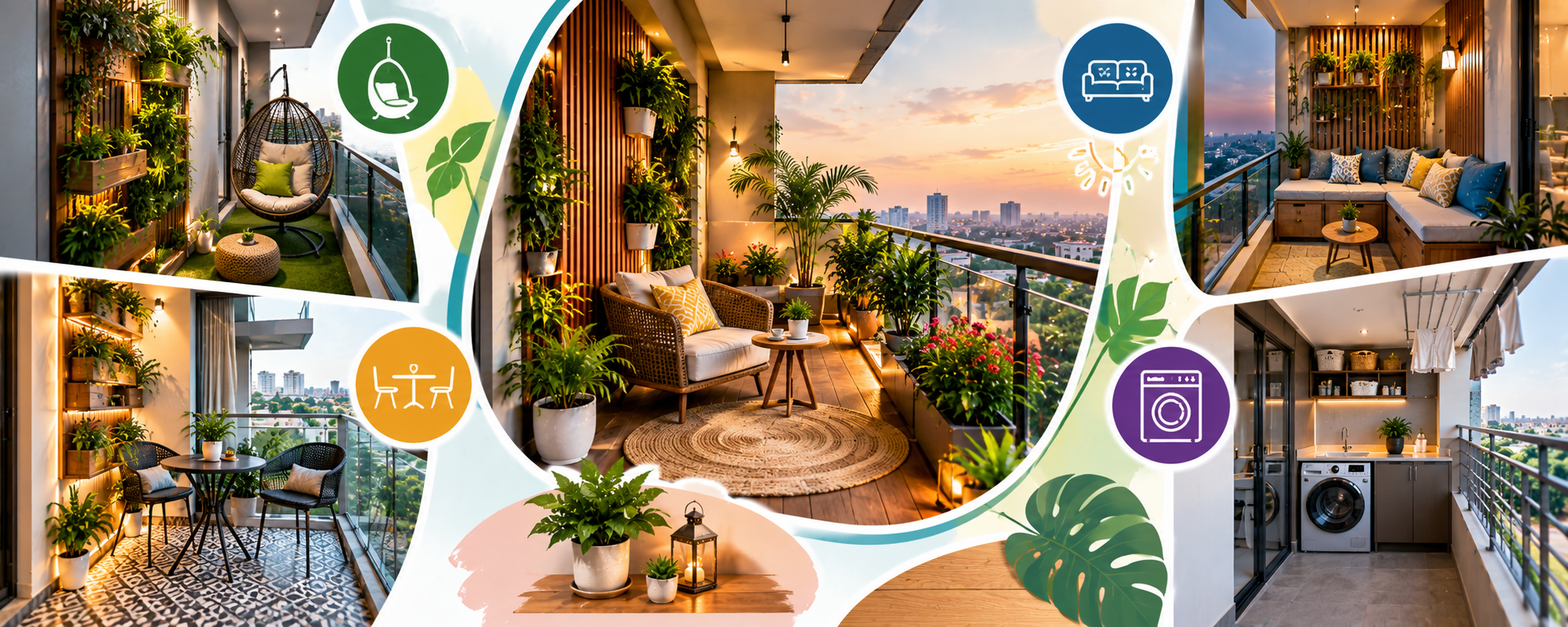

A balcony can become one of the most useful and enjoyable spaces in a modern Indian home when it is planned properly. Instead of treating it as an unused extension of the living room or bedroom, homeowners can design the balcony as a relaxing corner, garden, reading area, compact workspace, or even a small outdoor dining space.
Indian balconies need to respond to different weather conditions, including strong summer sunlight, monsoon rain, humidity, dust, and changing temperatures. Therefore, attractive decoration alone is not enough. Good balcony design should combine comfortable furniture, suitable flooring, drainage, ventilation, privacy, lighting, greenery, and durable materials.
The right design depends on the balcony’s size, orientation, location within the house, and how the family intends to use it. Whether it is a narrow apartment balcony or a spacious terrace-style balcony in an independent house, thoughtful planning can make the space comfortable and functional.
1. Create a Relaxing Green Balcony
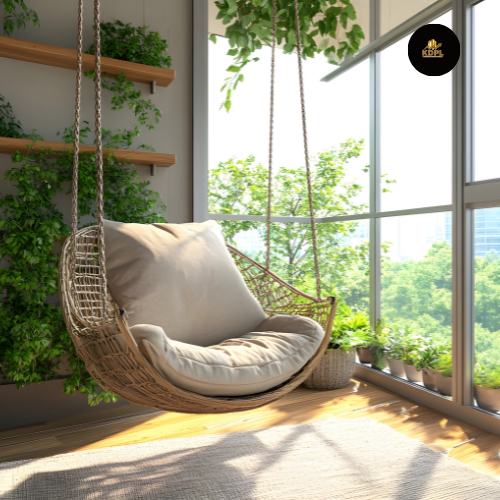
A balcony garden is one of the simplest ways to make an outdoor space feel more inviting. Plants can introduce greenery, soften hard architectural surfaces, and create a pleasant environment for morning tea or evening relaxation.
The planting arrangement should be selected according to the amount of sunlight and wind the balcony receives. Sun-loving plants can be placed in areas with stronger daylight, while suitable shade-tolerant plants can be used where direct sunlight is limited.
Instead of placing too many pots directly on the floor, vertical planters, wall-mounted shelves, railing planters, and compact stands can help save floor space. However, planters should be securely installed, and their weight should be considered carefully, particularly in apartment buildings.
2. Design a Compact Seating Balcony
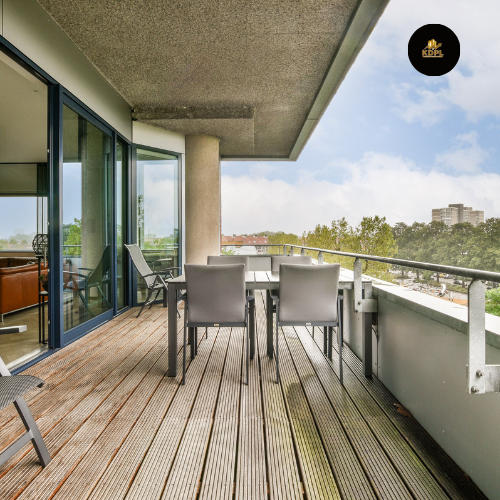
Even a small balcony can become a comfortable seating area. A compact bench, two lightweight chairs, or a small outdoor seating set can provide enough space for relaxing without blocking movement.
Furniture should be selected according to the balcony’s dimensions. Oversized sofas can make a narrow balcony feel crowded, while foldable or stackable furniture can provide greater flexibility.
Weather-resistant materials are particularly important in Indian conditions. Furniture exposed to direct sunlight and monsoon rain should be selected for outdoor use and maintained according to the manufacturer’s recommendations.
3. Turn the Balcony Into a Reading Corner
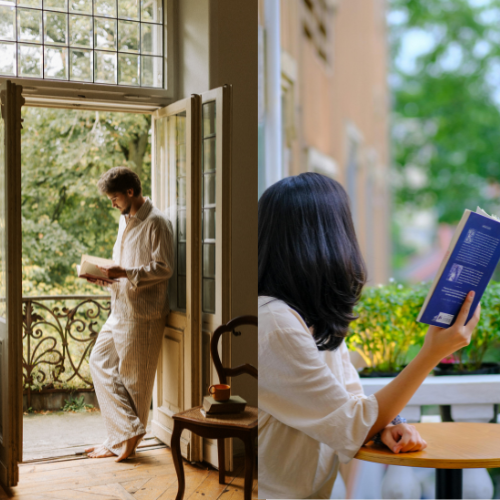
A balcony with good natural light can become a peaceful reading area. A comfortable chair, small side table, suitable lighting, and a compact bookshelf can create a dedicated corner without requiring much space.
The reading area should be positioned where direct sunlight and rain exposure can be controlled. Curtains, outdoor blinds, screens, or a suitable overhead covering can improve comfort.
If books are stored on the balcony, they should be protected from moisture and excessive humidity. Closed storage is generally more suitable than exposed shelves in balconies that receive rain or high humidity.
4. Create a Small Home Office Balcony
With remote and hybrid work becoming more common, some homeowners may want to convert part of a balcony into a compact workspace. A narrow desk positioned against a wall can provide enough room for a laptop and essential work materials.
Natural daylight can make the workspace pleasant, but glare on the screen should be controlled through blinds, curtains, shading, or appropriate furniture orientation. Electrical points should be planned safely and should not be exposed to rain or moisture.
The workspace should also have comfortable seating and adequate ventilation. If the balcony is fully exposed to weather, it may be better to create a semi-enclosed area using suitable architectural or shading solutions rather than placing expensive equipment in an unprotected location.
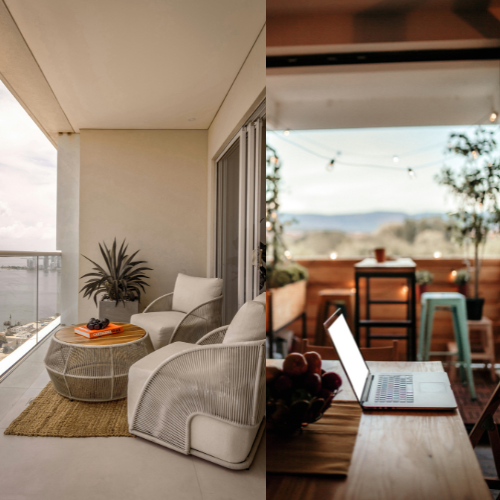
5. Use the Balcony for Outdoor Dining
A larger balcony can function as a compact outdoor dining space. A small dining table with two to four chairs can create a useful area for breakfast, evening tea, or casual meals.
The furniture should leave sufficient circulation around the table. Outdoor-rated materials are preferable because normal indoor furniture may deteriorate when exposed to sunlight, moisture, and dust.
If the balcony is connected to the kitchen or dining room, the layout can become particularly convenient. However, food preparation and cooking should generally remain in appropriately designed kitchen areas rather than turning a balcony into an improvised cooking zone.
6. Add Privacy Without Blocking Airflow
Privacy can be a major concern in urban homes where balconies face neighbouring buildings or busy roads. A good privacy solution should provide visual separation while still allowing natural light and airflow.
Vertical planters, decorative screens, outdoor blinds, louvers, bamboo-style screens, or carefully designed railing treatments can reduce visibility. The choice should depend on the balcony’s architecture and local building regulations.
Avoid completely enclosing the balcony without considering ventilation, fire safety, building rules, and the original architectural design. A partially screened balcony can often provide a better balance between privacy and openness.
7. Choose Suitable Balcony Flooring
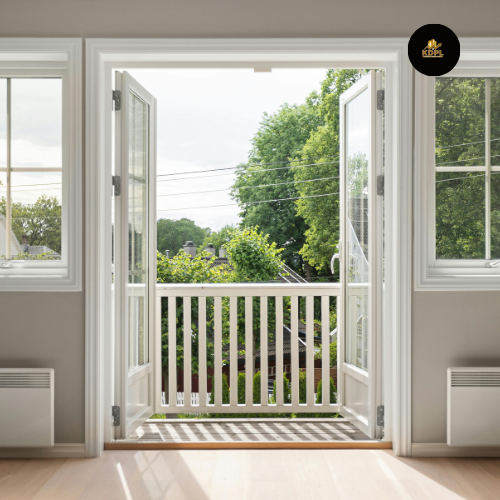
Balcony flooring must handle outdoor conditions and should be selected with drainage and maintenance in mind. Tiles, outdoor-grade stone, textured surfaces, and other suitable materials can be considered according to the design and budget.
A balcony floor should not allow water to remain stagnant after rainfall or cleaning. Proper slope toward the drainage outlet is important, and drainage points should remain accessible for maintenance.
Highly slippery surfaces should be avoided, particularly in areas that receive monsoon rain. The final flooring selection should balance appearance, durability, slip resistance, cleaning requirements, and local climate.
8. Plan Lighting for Evening Use
Good balcony lighting can transform the space after sunset. Instead of relying on a single bright light, homeowners can combine soft wall lighting, concealed fixtures, pendant-style outdoor lights, or suitable decorative lighting.
Lighting should be selected specifically for outdoor or semi-outdoor use according to the balcony’s exposure to moisture. Electrical wiring and fixtures should be installed safely and protected from water.
Warm and comfortable illumination can create a relaxing atmosphere, while brighter task lighting may be more suitable for a balcony used for reading or working. The lighting plan should be coordinated with furniture and plants so that the balcony remains functional without excessive visual clutter.
9. Add Smart Storage to the Balcony
Storage can make a balcony more functional, particularly in smaller Indian homes. A built-in bench with storage underneath can provide seating and a place for gardening tools, cushions, or cleaning equipment.
Tall cabinets can also be useful where the balcony is sufficiently wide, but they should be designed to withstand the local weather conditions. Waterproof or weather-resistant storage is preferable for balconies exposed to rain.
Storage should never obstruct drainage outlets, ventilation, emergency access, or the normal opening of doors and windows.
10. Design a Weather-Responsive Balcony
Weather protection is particularly important in Indian homes. A balcony that receives strong afternoon sunlight may become uncomfortable during summer, while an exposed balcony can receive significant rain during the monsoon.
Depending on the building design, homeowners can consider suitable overhangs, pergolas, blinds, retractable awnings, louvers, or other shading solutions. The choice should take into account wind conditions, rain exposure, structural requirements, and building regulations.
The goal should not be to completely close the balcony unless there is a specific architectural reason and the arrangement complies with applicable rules. Maintaining a connection with the outdoors is one of the main benefits of having a balcony.
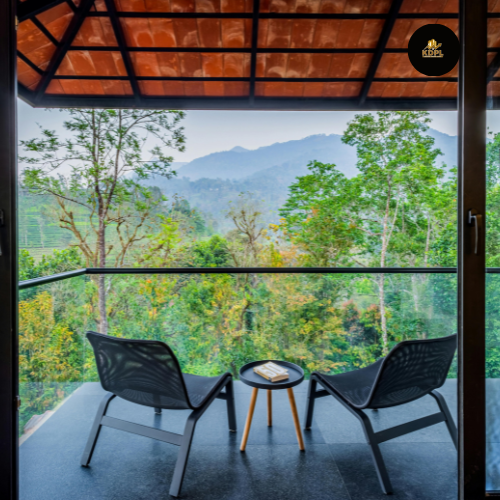
Materials and Colours for Modern Balconies
Modern balconies can use a combination of natural and contemporary materials. Wood-look finishes, stone, metal, outdoor tiles, textured walls, and weather-resistant furniture can create different visual styles.
Neutral colours can make a small balcony appear more spacious, while plants, cushions, rugs, and decorative accessories can introduce colour without permanently changing the architecture. Materials should be selected according to their resistance to sunlight, moisture, dust, and regular cleaning.
Safety and Structural Considerations
Balcony design should always consider safety before decoration. Railings should have appropriate height, strength, and design according to applicable building requirements. Furniture, planters, and decorative items should not create climbing hazards for young children.
Heavy planters, storage units, stone elements, or other substantial additions should not be installed without considering the balcony’s structural capacity. Water drainage must also be maintained properly to prevent seepage and long-term damage.
If the balcony is being modified significantly, homeowners should consult the architect, structural engineer, or relevant building authority before making changes.
How Kanakdhara Developer Private Limited Can Help
Kanakdhara Developer Private Limited can help homeowners plan balcony spaces according to their lifestyle, available area, architectural style, and practical requirements. Whether the goal is a balcony garden, reading corner, compact workspace, family seating area, or outdoor dining space, the design can be coordinated with the overall house plan.
During construction planning, factors such as balcony dimensions, railing design, drainage, flooring, lighting, electrical points, privacy, shading, and structural considerations can be addressed together. This allows the balcony to become a useful part of the home rather than simply an unused outdoor space.
Conclusion
A well-designed balcony can add considerable functional and visual value to a modern Indian home. The best balcony is not necessarily the one with the most decoration; it is the one that responds to the family’s daily needs and local weather conditions.
From a simple green seating corner to a compact home office or outdoor dining space, there are many ways to use a balcony effectively. Careful attention to drainage, flooring, privacy, lighting, furniture, ventilation, safety, and weather protection can help create a balcony that remains comfortable and practical throughout the year.
FAQs
1. How can I design a small balcony?
A small balcony can be designed with compact furniture, vertical plants, wall-mounted storage, foldable seating, and a clear circulation area. Avoid using too many large decorative items that reduce usable floor space.
2. Which flooring is suitable for an Indian balcony?
Outdoor-grade tiles, suitable stone, and textured flooring can be considered. The flooring should be durable, reasonably slip-resistant, easy to clean, and properly sloped toward the drainage outlet.
3. How can I make my balcony private?
Vertical plants, screens, louvers, outdoor blinds, and suitable railing treatments can improve privacy while retaining airflow. The final solution should also comply with applicable building and society regulations.
4. Can a balcony be converted into a home office?
Yes, provided the space is suitably protected from weather and has safe electrical arrangements. A compact desk, comfortable chair, appropriate lighting, and glare control can create a practical workspace.
5. How can I protect balcony furniture from rain?
Use furniture designed for outdoor conditions and provide suitable shading or weather protection where possible. Cushions and removable furnishings should ideally be stored indoors during periods of heavy rain.
6. Can I grow plants on an apartment balcony?
Yes, but the weight and placement of planters should be considered carefully. Secure planters should be used, and drainage should not be blocked. Apartment or society rules may also apply.
7. What type of lighting is best for a balcony?
A combination of suitable outdoor wall lights, soft ambient lighting, and task lighting can work well. Fixtures and electrical installations should be appropriate for the balcony’s exposure to moisture.
8. Can I add a roof or enclosure to my balcony?
A permanent roof or enclosure may affect the building’s appearance, ventilation, structural loading, and compliance with local regulations or apartment-society rules. Such modifications should be evaluated before construction.
9. How do I prevent waterlogging on a balcony?
Proper floor slope, correctly positioned drainage outlets, regular cleaning, and unobstructed water paths are important. Drainage should be planned during construction rather than treated only as a maintenance issue.
10. Should balcony design be planned before house construction?
Yes. Early planning allows the balcony dimensions, structural design, railing, drainage, flooring, electrical points, lighting, shading, and privacy solutions to be coordinated with the rest of the house.