


Cracks on walls are one of the most common concerns for homeowners. A small line appearing on freshly painted plaster can immediately raise questions about whether there is a serious structural problem. However, not every crack means that the building foundation or structure is failing. Some cracks are related to normal plaster shrinkage, drying, temperature changes, or minor movement, while others can indicate settlement or movement that deserves professional investigation.
The challenge is knowing the difference. Settlement cracks vs plaster cracks cannot always be distinguished simply by looking at one crack. Their location, direction, width, pattern, progression, and relationship with doors, windows, floors, foundations, and structural elements all provide useful clues.
What Are Normal Plaster Cracks?
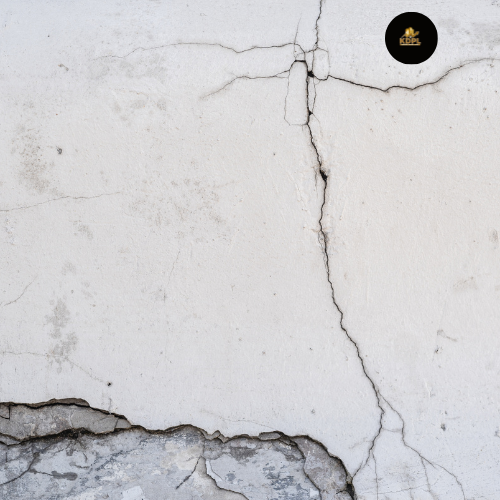
Plaster cracks can develop as plaster or finishing materials dry and shrink. They may also appear because of inadequate surface preparation, excessive moisture loss, temperature changes, movement between different materials, or workmanship issues.
These cracks are often relatively thin and may appear as fine lines on the surface of walls or ceilings. They can sometimes form irregular patterns or follow joints between different materials.
A small superficial crack limited to the plaster layer does not necessarily indicate a structural problem. However, homeowners should avoid assuming that every thin crack is harmless. If a crack repeatedly returns after repair, becomes wider, extends through several materials, or is accompanied by other signs of movement, professional assessment is appropriate.
What Are Settlement Cracks?
Settlement occurs when a building or part of a building moves downward because the supporting soil and foundation system undergo deformation. Some settlement can occur naturally after construction, but excessive or differential settlement can create problems.
Differential settlement is particularly important because different parts of a building may move by different amounts. This can place stress on walls, floors, openings, and structural elements.
Settlement-related cracking can sometimes appear diagonally from the corners of doors or windows. Cracks may also extend through masonry rather than remaining only in the plaster finish.
However, crack direction alone cannot prove that settlement is occurring. Similar-looking cracks can have other causes, so a proper inspection is needed before reaching a conclusion.
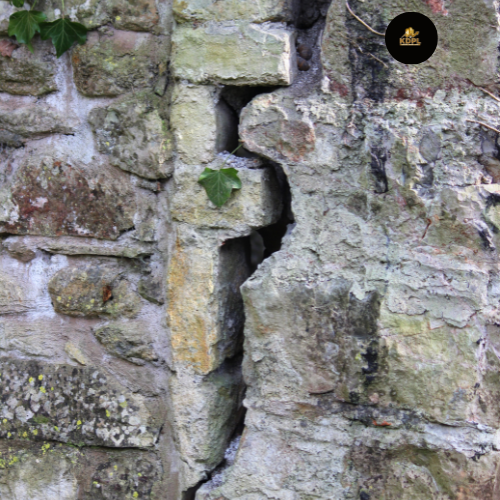
Why Crack Location Matters
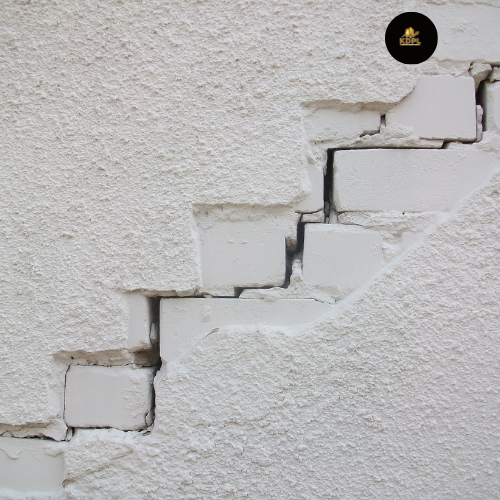
The location of a crack can provide useful information. A fine crack confined to a plastered surface may have a different cause from a crack that continues through masonry or appears alongside a structural element.
Cracks around door and window corners deserve attention because openings can create areas of stress concentration. Horizontal, vertical, stepped, or diagonal cracks can each have different possible causes.
Cracks appearing between walls and ceilings may also result from movement between different materials or construction joints rather than foundation settlement.
Therefore, homeowners should look at the complete pattern instead of judging the problem from one isolated line.
How Crack Width Can Help
Crack width can be useful when monitoring a crack, but width alone cannot determine whether a crack is structural.
A very fine crack may be superficial, while a wider crack may require investigation. Conversely, some structural movement can initially produce relatively small cracks.
Instead of relying only on visual judgment, homeowners can photograph the crack periodically and record its approximate width and location. If the crack changes over time, this information can be useful to the inspecting professional.
Avoid repeatedly filling and repainting a crack before understanding its cause because doing so can make it harder to monitor whether the crack is changing.
Diagonal and Stair-Step Cracks
Diagonal cracks, particularly those extending from the corners of openings, can sometimes be associated with structural movement or settlement. Stair-step cracking in masonry joints can also indicate movement, although there are other possible causes.
These patterns deserve closer attention when they are widening, extending, appearing on both sides of a wall, or accompanied by other symptoms such as uneven floors or sticking doors.
The presence of a particular crack pattern does not automatically prove foundation failure. An engineer or qualified building professional should assess the complete situation.
Signs That May Require Professional Inspection
A crack deserves greater attention when it is progressively widening, repeatedly reappears after repair, passes through masonry, appears alongside significant floor unevenness, or is accompanied by doors and windows suddenly becoming difficult to operate.
Water leakage, visible displacement between surfaces, cracks in structural concrete elements, or multiple related cracks appearing across different areas of the building are also reasons to seek professional advice.
The objective is not to panic over every crack. It is to identify changes that justify a closer inspection.
Why New Houses Can Develop Cracks
Even relatively new houses can develop cracks during the early stages of their life. Building materials can experience drying shrinkage, thermal movement, and minor adjustments as construction materials settle and environmental conditions change.
Masonry, plaster, concrete, and other materials do not always expand and contract at exactly the same rate. Small cracks can therefore develop at interfaces or in finishes.
This is why the age of a crack and whether it is changing are important pieces of information.
How to Monitor a Crack
If a crack appears minor and there are no obvious warning signs, homeowners can monitor it rather than immediately assuming the worst.
Take clear photographs from the same angle and distance at regular intervals. Record the approximate location and size and note whether the crack extends further.
For important or suspicious cracks, professional assessment should not be delayed simply to collect monitoring data. If there are signs of significant structural movement or safety concerns, the building should be inspected promptly.
Avoid Cosmetic Repairs Before Finding the Cause
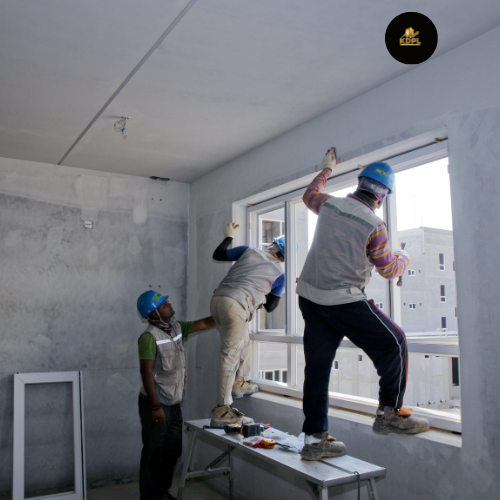
Filling, puttying, repainting, or applying crack sealants can improve appearance, but these treatments do not necessarily address the underlying cause.
If the crack is caused by plaster shrinkage, a suitable repair may be relatively straightforward. If it is related to ongoing movement, simply covering it can result in the crack returning.
The correct repair therefore depends on identifying the cause first.
The Important Difference Is Movement, Not Just Appearance
The most important lesson for homeowners is that not every wall crack is a settlement crack, and not every settlement-related problem looks identical.
Fine surface cracks can occur because of plaster shrinkage and normal material movement. Cracks that are widening, extending through masonry, appearing in several connected locations, or occurring alongside other signs of movement deserve greater attention.
Instead of judging a crack solely by its size or shape, homeowners should consider its location, pattern, progression, surrounding conditions, and whether other building symptoms are present.
When there is uncertainty, professional inspection is the safest way to determine whether the issue is cosmetic or structural.
Frequently Asked Questions
How can I tell if a crack is a settlement crack?
Look for progression, cracks extending through masonry, diagonal or stepped patterns, displacement, uneven floors, or related problems around doors and windows. However, visual inspection alone cannot confirm settlement.
Are hairline cracks in plaster normal?
Fine surface cracks can occur due to plaster shrinkage, drying, temperature changes, or workmanship. Their significance depends on their pattern, location, progression, and other building conditions.
Are diagonal wall cracks always dangerous?
No. Diagonal cracks can have several causes. However, a widening or progressive diagonal crack, particularly around openings, should be professionally assessed.
What is differential settlement?
Differential settlement occurs when different portions of a building move or settle by different amounts. Excessive differential movement can place stress on walls and other building components.