
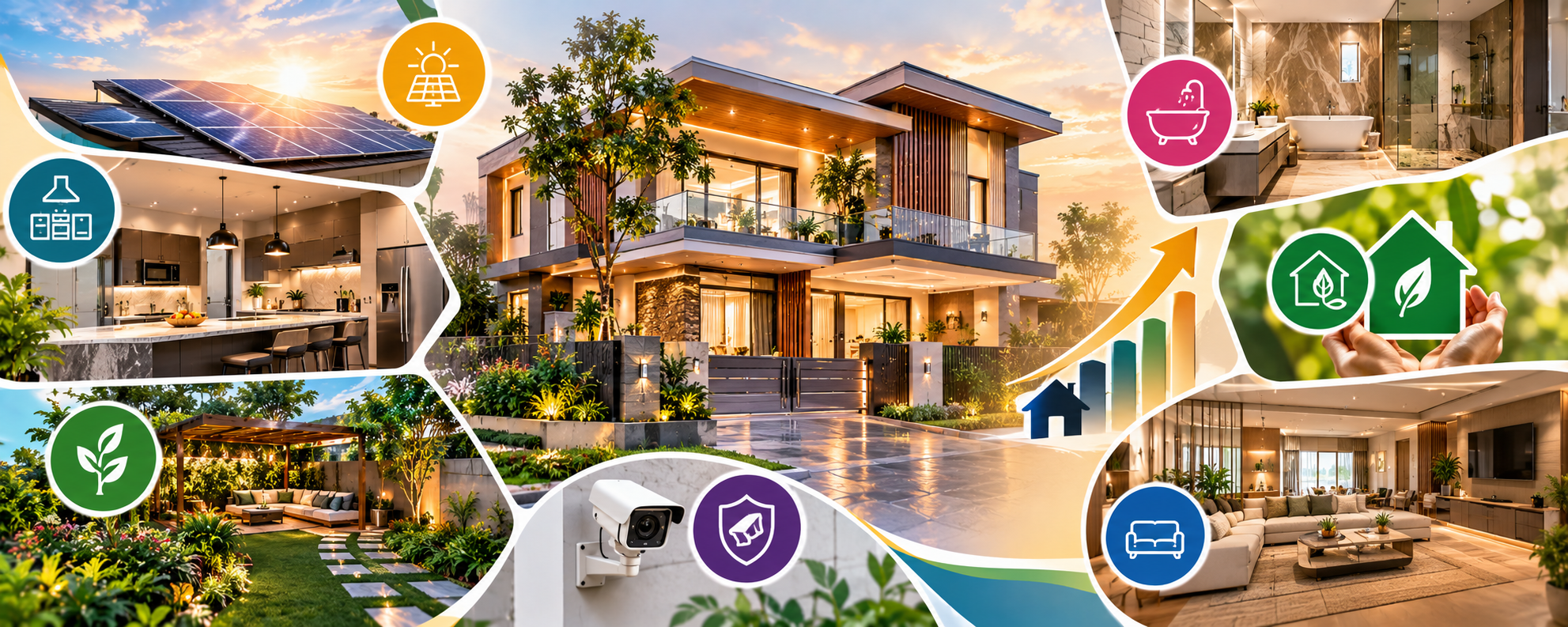

A premium home is not defined only by expensive furniture, designer lighting, or luxurious finishes. Its long-term value depends on how well it meets the needs of homeowners, how efficiently it uses space, and how well it is built and maintained. Some features improve daily comfort while also making a property more appealing to future buyers. Others may look impressive but add little resale value compared with their installation and maintenance costs.
For homeowners planning a new house or upgrading an existing property, the goal should be to invest in features that combine functionality, durability, comfort, and broad buyer appeal. The exact return depends on location, property condition, market demand, construction quality, and buyer preferences. However, certain design and building improvements can make a home more desirable over time.
A Well-Planned Layout That Uses Space Efficiently

One of the most valuable features of a premium home is a practical floor plan. A house with comfortable room proportions, logical circulation, adequate storage, and a clear separation between private and shared spaces can feel more spacious without increasing its built-up area.
An efficient layout avoids awkward corners, unnecessarily long corridors, and rooms that are difficult to furnish. The kitchen should connect conveniently with the dining area, bedrooms should provide reasonable privacy, and bathrooms should be positioned for easy everyday use. Natural movement between indoor and outdoor areas can also improve the experience of living in the house.
A thoughtfully designed layout can appeal to a wider range of buyers because it supports different family sizes and lifestyles. This is often a more useful investment than adding decorative features that look attractive but do not improve the home’s functionality.
High-Quality Construction and Durable Materials
Construction quality has a direct influence on a home’s condition, maintenance needs, and buyer confidence. Strong structural design, properly executed waterproofing, reliable plumbing, safe electrical installations, and suitable materials can help reduce the likelihood of costly repairs.
Premium finishes are useful when they offer genuine durability rather than appearance alone. Quality flooring, well-fitted doors, reliable window hardware, durable kitchen surfaces, and good bathroom fittings can improve the home’s everyday usability. The selection should reflect the local climate, frequency of use, and ease of maintenance.
Buyers may not always see concealed construction quality during a property visit, but signs of leakage, cracked finishes, poor workmanship, or recurring maintenance problems can negatively affect their perception. Investing in correct construction practices and keeping records of important work can support buyer confidence when the property is sold.
Energy-Efficient Design and Lower Running Costs
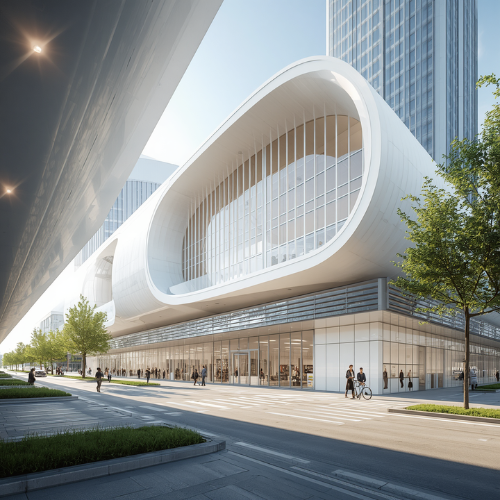
Energy efficiency is increasingly relevant to comfortable modern housing. A home that manages heat, daylight, and ventilation effectively may require less artificial lighting and cooling, depending on its design and how residents use it.
Features such as suitable window placement, external shading, roof insulation where appropriate, efficient lighting, and well-selected glazing can improve indoor comfort. In hot climates, controlling direct sunlight and roof heat can be particularly important. The best combination depends on the building orientation, local weather, and construction type.
Solar panels can also be worth considering where roof space, sunlight exposure, electricity consumption, and installation costs make them practical. Their financial benefit depends on the system price, local electricity tariffs, applicable incentives, and household usage. Energy-efficient features are most valuable when they provide measurable performance rather than simply being marketed as premium additions.
Modern Kitchen With Practical Storage
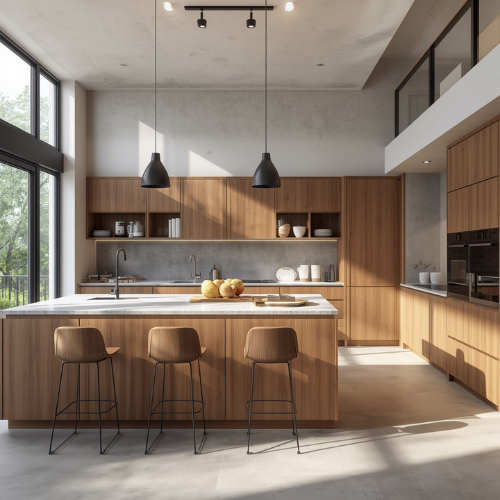
The kitchen is an important part of a home’s everyday experience and can influence how buyers perceive the overall property. A premium kitchen does not necessarily need costly imported appliances or elaborate cabinetry. It needs a functional layout, durable surfaces, sufficient storage, appropriate lighting, and effective ventilation.
Adequate countertop space, conveniently positioned cabinets, organized drawers, and a sensible relationship between the sink, cooking area, and refrigerator can make food preparation easier. The materials should be suitable for moisture, heat, cleaning, and regular use.
A kitchen that looks modern but has insufficient storage or uncomfortable circulation may be less appealing than a simpler, well-planned alternative. Neutral finishes and practical fittings can also make it easier for future buyers to imagine adapting the space to their preferences.
Well-Designed Bathrooms and Reliable Plumbing
Bathrooms contribute to both comfort and the perceived quality of a home. Clean detailing, effective ventilation, dependable fittings, suitable lighting, and easy-to-maintain surfaces can create a premium impression without excessive decoration.
Waterproofing, correct drainage slopes, well-installed sanitary fittings, and accessible plumbing connections are particularly important because concealed leaks can lead to expensive repairs. A practical bathroom layout should also provide enough room to use the shower, basin, and toilet comfortably.
In family homes intended for long-term use, features such as slip-resistant flooring, good lighting, and provisions for future accessibility may add practical value. High-end fittings should be selected based on reliability and after-sales support as well as appearance.
Parking and Convenient Vehicle Access
Parking can be a meaningful advantage in locations where private vehicle ownership is common and street parking is limited. A dedicated parking space, comfortable entry and exit, and sensible turning clearance can make a property more convenient for daily use.
The parking arrangement should suit the likely vehicle size and the plot’s dimensions. Columns, gates, ramps, and entrances need careful coordination so that parking does not become difficult in practice. Covered parking can offer additional protection from sun and rain, although its design should comply with applicable building regulations.
The value of parking varies by location and buyer expectations, so homeowners should evaluate its usefulness within the local market rather than assuming that every parking upgrade will produce the same financial return.
Smart Home Technology That Solves Real Problems

Smart home features can make a property more convenient when they are reliable, easy to operate, and useful in everyday life. Examples include smart lighting controls, video doorbells, selected security sensors, automated gates, and systems that help monitor energy use.
However, adding technology throughout the home does not automatically increase resale value. Complicated systems can become a drawback if they are difficult to maintain, depend on unsupported software, or require expensive replacement components.
A practical approach is to install reliable essentials and provide suitable electrical wiring, network coverage, and conduits for future upgrades. This creates flexibility without committing to technology that may quickly become outdated.
Security and a Well-Planned Entrance
A secure, well-designed entrance can improve both everyday convenience and the first impression of a property. Quality locks, suitable external lighting, secure windows, a properly designed boundary, and a reliable entry system may contribute to buyer confidence.
Security should be integrated with the overall architecture rather than added in a way that blocks ventilation or makes the house feel closed off. The entrance should also provide safe pedestrian access and clear visibility where possible.
The benefit depends on the neighbourhood, the type of property, and the expectations of potential buyers. Reliable, straightforward security features are generally more practical than expensive systems that are difficult to operate or maintain.
Natural Light, Ventilation, and Outdoor Space
Homes with good daylight and comfortable airflow often feel more pleasant and usable. Window placement, room orientation, suitable shading, and cross-ventilation opportunities should be considered during the design stage. These features can improve the indoor environment while reducing reliance on artificial lighting in suitable conditions.
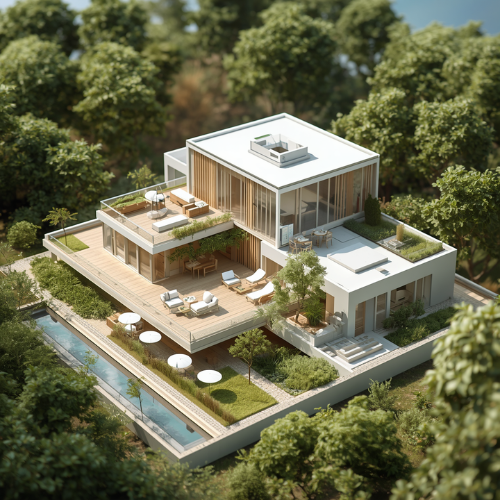
Balconies, courtyards, landscaped areas, and usable terraces may also enhance a property’s appeal when they are well designed and easy to maintain. Outdoor spaces should be proportionate to the property and should not compromise essential indoor room sizes or waterproofing performance.
The quality of the design matters more than simply having a balcony or terrace. A usable outdoor area with safe access, drainage, and suitable privacy is more practical than an oversized space that is difficult to maintain.
Storage, Workspaces, and Flexible Rooms
Storage is often overlooked during construction, yet it can strongly affect how comfortable a home feels. Built-in wardrobes, a well-planned utility area, kitchen storage, and discreet storage under stairs can help keep rooms organized without occupying unnecessary floor space.
A flexible room that can serve as a home office, guest bedroom, study, or hobby area may also appeal to a broader range of buyers. The room should have suitable lighting, ventilation, electrical points, and enough space for its likely uses.
Flexibility is especially valuable when household needs change over time. Rather than building highly specialized spaces that only suit one lifestyle, homeowners can focus on rooms that are easy to adapt.
Which Premium Features Should You Prioritize?
The best investment is usually the feature that solves a real problem for the home and its likely buyers. Structural quality, waterproofing, functional planning, comfortable daylight and ventilation, dependable plumbing, and appropriate parking should generally be considered before expensive decorative upgrades.
Before adding luxury finishes or complex technology, compare the full installation cost with expected usefulness, operating expenses, and maintenance requirements. Local property trends can help identify which features matter most to buyers in the specific neighbourhood. No feature guarantees a particular increase in market value, so estimates should be based on comparable properties and advice from qualified local professionals.
How Kanakdhara Developer Private Limited Can Help
Kanakdhara Developer Private Limited can help homeowners plan a house around their lifestyle, budget, plot dimensions, and long-term goals. The design process can coordinate space planning, construction quality, energy efficiency, kitchen and bathroom layouts, parking, storage, security, and future-ready provisions.
By considering these features during the initial planning stage, homeowners can prioritize improvements that offer practical benefits instead of spending unnecessarily on features with limited everyday use. The home can be designed according to the client’s requirements while balancing comfort, durability, appearance, and potential buyer appeal.
Conclusion
Premium home features add the most value when they improve the property’s usability, reliability, comfort, and long-term appeal. A well-planned layout, durable construction, energy-efficient design, functional kitchen and bathrooms, convenient parking, dependable security, and flexible spaces can make a home more attractive to both current occupants and future buyers.
Luxury finishes can enhance the experience, but they should not come at the expense of construction quality or practical design. By prioritizing genuine needs, understanding local buyer expectations, and planning carefully before construction, homeowners can make more informed decisions about where to invest.
FAQs
1. Which home features add the most property value?
The features that matter most depend on the local market, but functional layouts, sound construction, good maintenance, energy efficiency, practical parking, and well-designed kitchens and bathrooms can improve buyer appeal.
2. Do luxury interiors increase resale value?
Luxury interiors can improve presentation, but they do not always recover their full cost when a property is sold. Durable, attractive, and broadly appealing finishes are often more practical than highly personalized designs.
3. Does a modular kitchen increase property value?
A well-planned modular kitchen can improve convenience and buyer appeal through organized storage, practical work surfaces, and efficient use of space. Its impact depends on quality, condition, design, and local buyer expectations.
4. Are smart home features worth the investment?
They can be worthwhile when they solve everyday problems, such as improving security or controlling lighting. Choose reliable, easy-to-maintain systems and avoid spending heavily on features that offer little practical benefit.
5. Do solar panels increase home value?
Solar panels may improve a home’s appeal by offering the potential for lower electricity bills. Their value depends on installation cost, system condition, electricity rates, roof suitability, and the buyer’s ability to benefit from the system.
6. Is covered parking an important premium feature?
Covered parking can be valuable where private parking is limited or vehicles need protection from weather. Its actual effect on property value depends on location, parking availability, and the expectations of local buyers.
7. Does natural ventilation make a home more valuable?
Good daylight and ventilation can improve comfort and reduce reliance on artificial lighting or mechanical cooling in suitable conditions. Their contribution to market value depends on design quality and local climate and buyer preferences.
8. Should I invest in premium flooring before other upgrades?
Not necessarily. Essential construction quality, waterproofing, plumbing, electrical safety, and functional layouts should take priority. Premium flooring is best considered after these fundamentals have been addressed.
9. Can extra storage improve a home's resale appeal?
Yes, practical storage can make a home easier to organize and use. Built-in wardrobes, utility storage, and efficient kitchen cabinets are useful when they suit the room layout without making spaces feel crowded.
10. How can I choose the right upgrades for my property?
Consider your budget, daily requirements, maintenance costs, local buyer preferences, and comparable properties in your area. A qualified architect or local property professional can help identify upgrades that are appropriate for your specific home.