
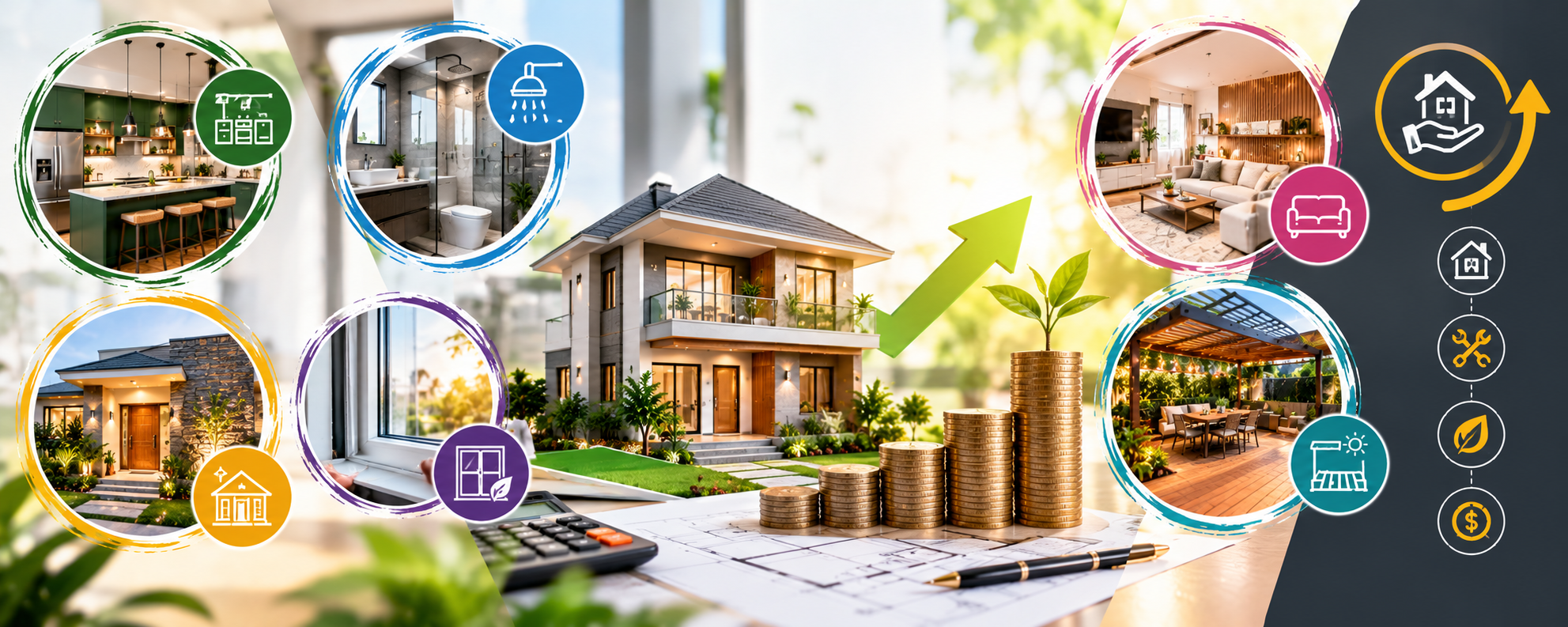

When building a new home or renovating an existing one, choosing the right interior materials can make a significant difference to the property’s appearance, functionality, and resale appeal. However, spending more on interiors does not automatically mean earning more when selling the house. Expensive marble, designer ceilings, imported fittings, and customized furniture may look luxurious, but their installation costs are not always recovered in the resale price.
The smarter approach is to invest in durable materials, practical layouts, attractive finishes, and features that future buyers can use without major modifications. Flooring, kitchen storage, bathroom fittings, bedroom wardrobes, lighting, and flexible workspaces are worth considering because they combine everyday usefulness with visual appeal.
The following interior upgrades can help homeowners make informed decisions about where to spend their budget.
1. Bedroom Interior: Invest in Wardrobes, Flooring, and Practical Lighting
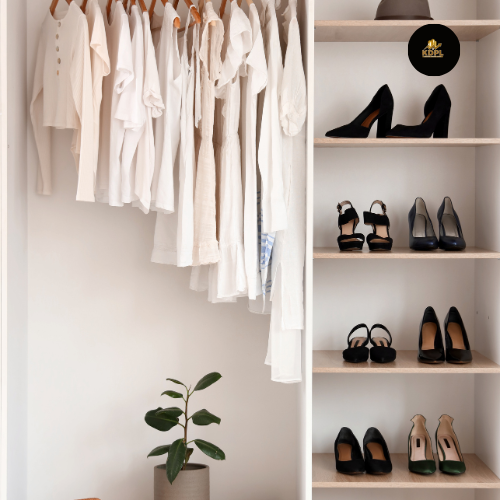
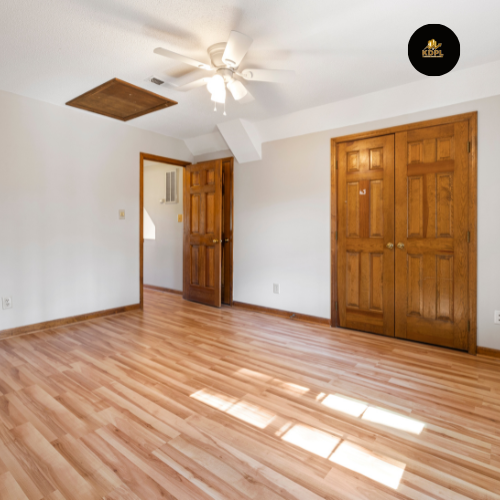

Bedrooms should feel comfortable, spacious, and easy to maintain. Instead of spending heavily on decorative wall panels or elaborate false ceilings, homeowners can prioritize built-in wardrobes, good flooring, practical electrical points, and balanced lighting.
For flooring, vitrified tiles are often a practical choice because they are durable, available in many finishes, and relatively easy to maintain. Wood-look tiles can create a warm, premium appearance without requiring the same maintenance as natural wood. Engineered wood or other suitable flooring options may also work, depending on the budget, climate, and maintenance expectations.
A built-in wardrobe with well-organized shelves, hanging space, and drawers can make the bedroom more functional. A simple headboard wall, warm bedside lights, and neutral paint can create an elegant look without unnecessary expense.
Best investment choice: Durable flooring, a functional wardrobe, and good lighting. These features are useful to a wide range of buyers, although the actual resale return depends on the local property market.
2. Living Room: Choose Quality Flooring and a Timeless Design
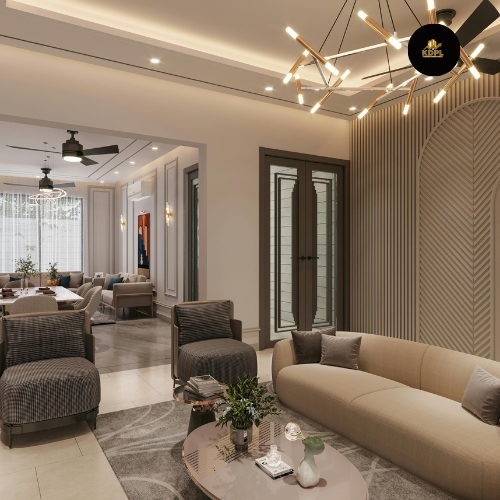
The living room often creates the first impression of a home’s interiors. Flooring, wall finishes, lighting, and the arrangement of furniture can make the space feel either premium or cluttered.
Large-format vitrified tiles in neutral shades can create a clean, spacious appearance and are generally easier to maintain than many delicate natural-stone finishes. Marble can provide a luxurious look, particularly in larger living areas, but natural marble usually requires more careful cleaning, sealing where appropriate, and protection against stains and etching. Its higher purchase and maintenance costs may not translate into an equivalent increase in resale value.
A restrained combination of attractive flooring, one feature wall, concealed wiring, and well-planned lighting can deliver a polished result. Avoid excessive permanent decoration that may not suit the next owner’s taste.
Best investment choice:
Good-quality vitrified flooring, attractive neutral wall colours, and layered lighting. Consider marble when it suits the budget and the overall quality of the property rather than choosing it solely because it is expensive.
3. Kitchen Interior: Spend on Storage, Countertops, and Durable Finishes
A well-designed kitchen can improve a property’s appeal because buyers often pay attention to its condition, storage, and ease of use. The most useful investments are generally functional cabinets, a durable countertop, practical lighting, and effective ventilation.
Granite is a popular countertop option in Indian homes because it is durable and generally handles everyday kitchen use well when properly selected and installed. Quartz surfaces can offer a consistent appearance, but their heat tolerance and care requirements should be checked for the specific product. Marble can look attractive but is more vulnerable to staining and etching, making it less practical for some busy kitchens.
For cabinet finishes, moisture-resistant materials and good-quality hardware can be more important than expensive decorative shutters. Drawers, corner storage, organized shelves, and sufficient countertop space make the kitchen easier to use. A simple backsplash using easy-to-clean tiles can also improve appearance without an unnecessarily expensive finish.
Best investment choice:
Functional modular or semi-modular storage, a durable countertop, quality hardware, and effective ventilation. These upgrades usually offer more practical value than luxury appliances or elaborate decorative treatments.
4. Bathroom Interior: Prioritize Waterproofing, Anti-Slip Tiles, and Fittings
Bathrooms can influence buyers’ perceptions of the home’s maintenance and construction quality. A visually attractive bathroom is useful, but reliable waterproofing, correct drainage, sound plumbing, and safe flooring should come first.
For bathroom floors, select tiles specifically suitable for wet areas, with adequate slip resistance. Matte or textured tiles may be more appropriate than highly polished surfaces, which can become slippery when wet. Wall tiles should be easy to clean and compatible with the bathroom’s moisture conditions.
Good-quality taps, showers, a practical vanity, an effective exhaust fan, and well-positioned lighting can make a bathroom feel modern without requiring premium imported fittings. Natural marble can be used for selected features, but it needs suitable care and may be less practical in frequently wet areas.
Best investment choice: Proper waterproofing, reliable plumbing, slip-resistant floor tiles, quality fittings, and ventilation. These features help prevent costly future repairs and support buyer confidence.
5. Small Library or Reading Corner: Create a Useful, Flexible Space
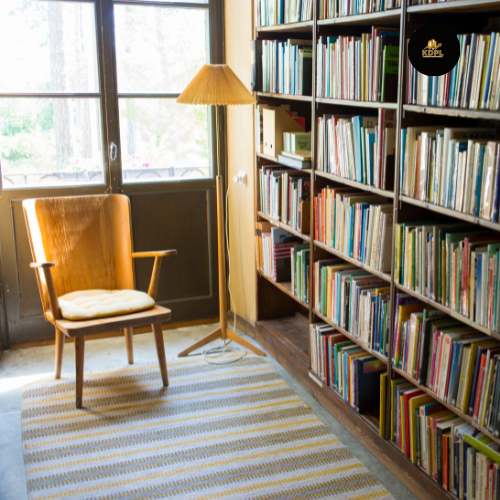
A small library does not need an entire dedicated room. An unused corner, space under the staircase, a spare bedroom niche, or part of a study can be converted into a reading area with shelves, a comfortable chair, and focused lighting.
Instead of investing in expensive custom woodwork, homeowners can consider modular shelves, durable laminated boards, a compact desk, and a comfortable seating arrangement. The shelves should be properly supported, especially when holding heavy books. Natural light is helpful, but task lighting is important for evening reading.
For a dedicated room, neutral walls and flexible furniture make it easier to convert the space into a study or guest room later. This flexibility can be more attractive to future buyers than a highly specialized library that occupies a large portion of the house.
Best investment choice: A compact reading or study corner with modular storage, suitable lighting, and a flexible layout. Its direct resale contribution may be limited, but it can make an unused area more functional.
6. Small Home Office: Add Practical Features That Buyers Can Reuse
A small home office can be a useful addition for people who work remotely, study, or manage household tasks from home. It can be created in a spare room, a quiet corner of the bedroom, or a separate nook with sufficient ventilation and daylight.
A built-in desk is not always necessary. A durable desk, comfortable chair, shelves, adequate plug points, reliable internet connectivity, and task lighting may be enough. Keep cables organized and consider sound control if the room is close to a busy living area.
Avoid spending too much on highly customized furniture, elaborate wall panels, or permanent office branding. The space should be easy to convert into a study, guest room, or hobby area when requirements change.
Best investment choice: Good electrical planning, practical lighting, internet provisions, storage, and flexible furniture. These features improve usability without making the room difficult to repurpose.
7. What About Tiles, Marble, Wooden Finishes, and Wall Panels?
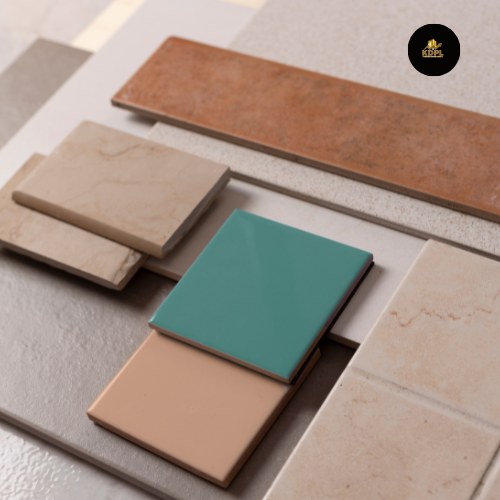

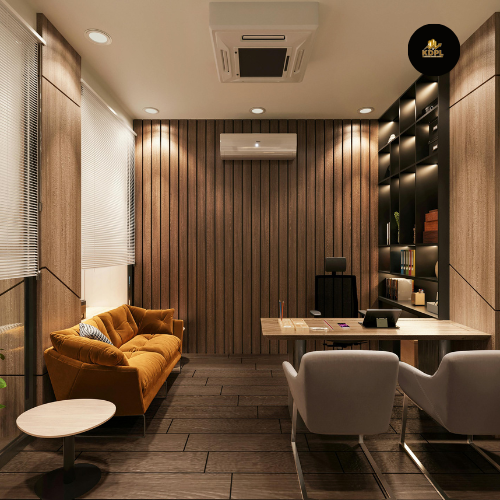
Different materials work best in different locations. Vitrified tiles are often suitable for living rooms, bedrooms, and other frequently used areas because they offer a wide range of finishes and relatively straightforward maintenance. Anti-slip tiles are important for wet bathroom floors. Granite is a practical option for many kitchen countertops, while quartz may suit homeowners who prefer a consistent surface and can follow the manufacturer’s care guidance.
Natural marble can add visual appeal to living rooms, entrance areas, or selected feature surfaces, but the material and installation costs should be assessed carefully. Wood-look tiles or quality laminates can provide a warm appearance in bedrooms and studies without requiring extensive natural-wood finishes. In wet areas, materials must be selected specifically for moisture exposure.
Decorative wall panels, textured paint, and false ceilings can enhance the interior, but they should generally follow essential upgrades rather than consume the entire budget. Choose finishes based on durability, repairability, cleaning requirements, and compatibility with the home’s overall design.
8. Which Interior Upgrades Should You Prioritize First?
If the budget is limited, start with repairs and features that affect the home’s condition: leakage, waterproofing, electrical safety, plumbing, damaged flooring, and poor ventilation. Next, consider the kitchen, bathroom, storage, lighting, and flooring because these elements influence everyday use and the property’s presentation.
Decorative marble, premium wall panels, elaborate false ceilings, and high-end fittings can be added when the essential work is complete and the budget allows. Before committing, compare material prices, installation costs, maintenance requirements, and the quality of similar homes in the local market.
There is no guaranteed percentage return for any single interior upgrade. A renovation may improve buyer interest and help a home compete with similar properties, but the final sale price also depends on location, building condition, property size, and market demand.
How Kanakdhara Developer Private Limited Can Help
Kanakdhara Developer Private Limited can help homeowners plan interiors according to their requirements, lifestyle, plot or room dimensions, and budget. From bedroom wardrobes and living-room flooring to kitchen countertops, bathroom tiles, compact libraries, and home-office layouts, the goal is to balance appearance with everyday practicality.
Planning these details before construction or renovation can help avoid unnecessary rework and make it easier to coordinate electrical points, plumbing, storage, lighting, and material selection. Homeowners can prioritize durable, useful features instead of spending excessively on finishes that may have limited appeal to future buyers.
FAQs
1. Which interior upgrade gives the best return on investment?
There is no universal winner, but functional kitchens, updated bathrooms, durable flooring, good storage, and essential repairs can improve buyer appeal. The outcome depends on the property’s condition and local market.
2. Is marble flooring better than vitrified tiles for resale value?
Not necessarily. Marble can create a premium appearance, but it generally costs more and may require additional maintenance. Quality vitrified tiles can provide an attractive, durable finish at a lower overall cost.
3. Which flooring is best for bedrooms?
Vitrified tiles and suitable wood-look finishes are practical options for many Indian homes. Choose based on durability, comfort, cleaning needs, budget, and the room’s overall design.
4. Which countertop is best for an Indian kitchen?
Granite is a common practical choice because of its durability. Quartz is another option, but product-specific heat and care guidance matters. Select a surface based on use, installation quality, and maintenance needs.
5. Which tiles are best for bathroom floors?
Choose tiles designed for wet areas with suitable slip resistance. Avoid selecting highly polished tiles solely for appearance, and ensure the floor has correct drainage and waterproofing.
6. Does a modular kitchen increase property value?
A well-maintained kitchen with useful storage, durable surfaces, and a practical layout can improve buyer appeal. An expensive kitchen does not guarantee that its full installation cost will be recovered.
7. Is a small home office worth creating?
It can make the property more functional, especially for buyers who work or study at home. A flexible office that can also serve as a study or guest space may appeal to a broader range of people.
8. Does a small library add resale value?
A small library may not generate a predictable price increase, but a well-designed reading corner can make underused space more useful. Modular shelves and flexible furniture help keep the cost under control.
9. Should I spend on false ceilings and decorative wall panels?
Only after essential repairs, flooring, plumbing, electrical work, and functional storage have been addressed. Decorative features should fit the home’s style and budget without creating excessive maintenance.
10. How can I get the best return from an interior renovation?
Set a realistic budget, fix existing problems, choose durable and easy-to-maintain materials, and prioritize features that future buyers can use. Compare similar properties in your area and avoid assuming that renovation cost will equal an increase in sale price.