
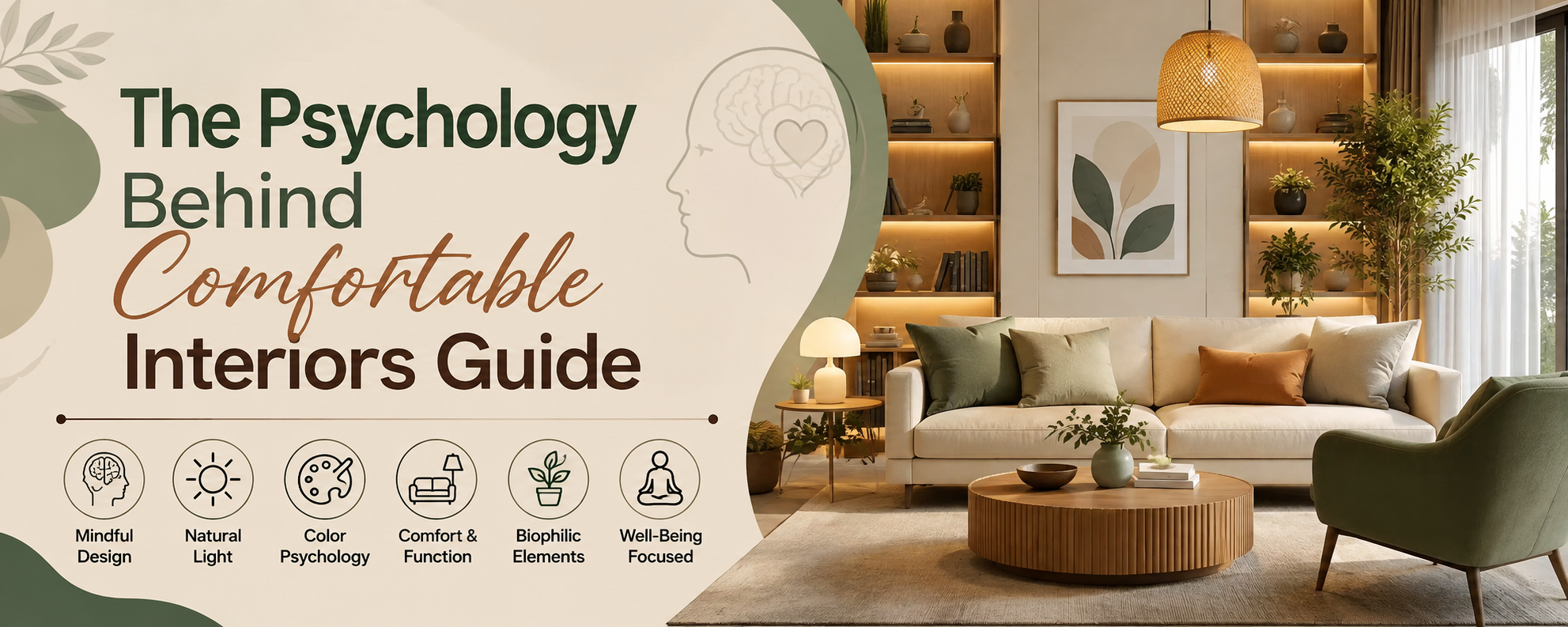

Designing Spaces That Feel as Good as They Look
When people think about interior design, they often imagine stylish furniture, trendy color palettes, or luxurious décor. While aesthetics are important, truly successful interiors go beyond appearance. They influence how we think, feel, work, and relax. This is where The Psychology Behind Comfortable Interiors becomes essential.
A comfortable interior isn’t just about expensive materials or designer furniture—it’s about creating an environment that supports mental well-being, productivity, and emotional balance. Every design decision, from lighting and colors to furniture placement and acoustics, affects the human mind in subtle yet powerful ways.
In this guide, we’ll explore how psychology shapes interior design and how homeowners can create spaces that are not only beautiful but also deeply comfortable.
Why Psychology Matters in Interior Design
Our surroundings have a direct impact on our emotions and behavior. Scientific studies have shown that thoughtfully designed spaces can reduce stress, improve concentration, encourage better sleep, and even strengthen relationships within a family.
Imagine walking into two different homes. One feels warm, bright, organized, and peaceful. The other feels cluttered, dark, and cramped. Even without knowing why, your brain instantly reacts to each environment.
That’s because humans naturally respond to elements such as:
- Natural light
- Colors
- Space planning
- Texture
- Noise levels
- Temperature
- Visual balance
Understanding The Psychology Behind Comfortable Interiors helps homeowners create spaces that support both physical comfort and emotional health.
Natural Light: The Mood Enhancer
One of the biggest psychological influences in any home is natural light.
Sunlight regulates our body’s internal clock, improves mood, and boosts energy levels. Homes with larger windows and better daylight exposure often feel more welcoming and healthier.
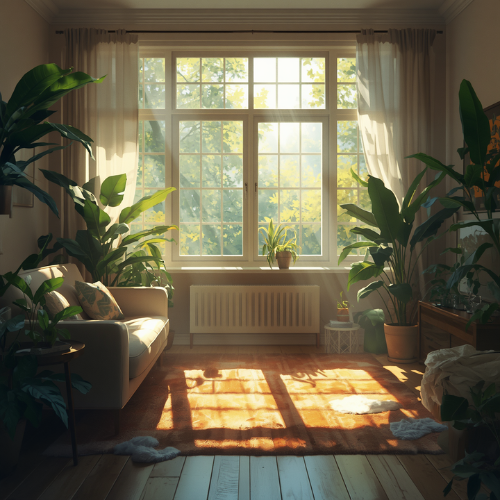
Benefits of Natural Light
- Reduces stress
- Improves productivity
- Supports healthy sleep cycles
- Makes rooms appear larger
- Saves energy during the day
To maximize natural light:
- Use larger windows where possible.
- Choose light-colored curtains.
- Position mirrors to reflect sunlight.
- Keep window areas free of bulky furniture.
Even small improvements in daylight can dramatically change how a room feels.
Color Psychology: Every Shade Creates an Emotion
Colors have a significant influence on our emotions. Choosing the right palette can make a room feel calm, energetic, cozy, or spacious.
Blue
Blue promotes calmness and relaxation, making it ideal for bedrooms and study rooms.
Green
Green symbolizes nature and balance. It creates a refreshing atmosphere and works well in living rooms and home offices.
Beige and Earth Tones
Neutral colors provide warmth, comfort, and timeless elegance. They help create peaceful interiors.
Yellow
Soft yellow encourages positivity and optimism, making it suitable for kitchens and breakfast areas.
White
White creates a sense of cleanliness and openness but should be balanced with warm textures to avoid feeling sterile.
Selecting colors based on function rather than trends leads to more comfortable living spaces.
Furniture Layout Influences Human Behavior
Comfort isn’t only about soft sofas—it’s also about how furniture is arranged.
Poor layouts create frustration by interrupting movement and making rooms feel crowded. Good layouts encourage conversation, relaxation, and easy circulation.
A psychologically comfortable layout should:
- Allow smooth walking paths.
- Avoid blocking windows.
- Create natural conversation areas.
- Balance open and occupied spaces.
- Leave enough breathing room between furniture.
Open, uncluttered layouts reduce mental fatigue and make everyday activities easier.
The Role of Ceiling Height
Interestingly, ceiling height also affects how we think.
Higher ceilings encourage creativity and open thinking. That’s why many offices and studios use open spaces.
Lower ceilings create a sense of warmth, security, and intimacy, making them suitable for bedrooms or reading corners.
Interior designers often use lighting, paint, and architectural details to create the desired psychological effect.
Texture Adds Emotional Warmth
A room filled only with smooth, glossy surfaces may appear luxurious but often feels cold.
Textures add emotional comfort by making spaces feel more inviting.
Examples include:
- Wooden furniture
- Linen curtains
- Cotton upholstery
- Natural stone
- Woven rugs
- Indoor plants
Mixing different textures creates depth while making interiors feel lived-in rather than artificial.
Decluttering Reduces Mental Stress
Clutter affects more than just appearance—it also impacts mental health.
Studies suggest that clutter increases stress, reduces focus, and creates feelings of overwhelm.
Simple ways to reduce visual stress include:
- Built-in storage solutions
- Organized wardrobes
- Hidden cable management
- Multi-functional furniture
- Regular decluttering habits
Minimalism doesn’t mean owning less—it means keeping only what adds value.
Acoustic Comfort Is Often Ignored
Many homeowners invest in premium flooring and designer lighting but overlook sound.
Excessive echoes, outside traffic, and noisy appliances reduce comfort even in beautiful homes.
Improving acoustic comfort can involve:
- Fabric curtains
- Area rugs
- Upholstered furniture
- Acoustic wall panels
- Solid-core doors
- Double-glazed windows
A quieter environment helps people relax, work, and sleep more effectively.
Indoor Plants Improve Psychological Well-Being
Humans naturally feel more comfortable around nature, a concept known as biophilic design.
Adding greenery indoors offers several benefits:
- Reduces stress
- Improves air quality
- Enhances mood
- Boosts creativity
- Makes interiors feel alive
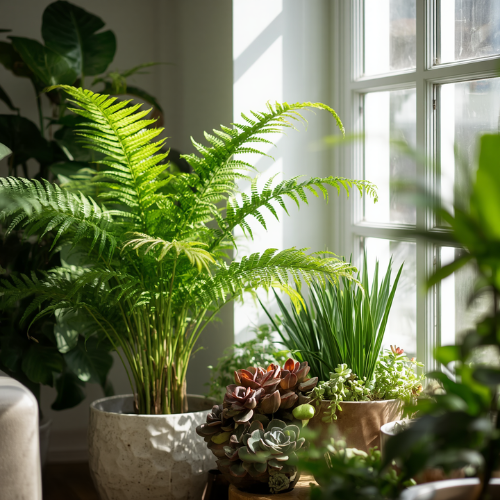
Popular low-maintenance indoor plants include snake plants, pothos, peace lilies, and ZZ plants.
Even a few plants can transform the emotional atmosphere of a room.
Temperature and Ventilation Affect Comfort
Comfort extends beyond what we see. Fresh air and stable indoor temperatures are essential for a pleasant living environment.
Good ventilation helps:
- Remove indoor pollutants
- Control humidity
- Prevent mold growth
- Improve sleep quality
- Reduce unpleasant odors
Cross-ventilation, ceiling fans, insulated walls, and energy-efficient windows all contribute to healthier interiors.
Personalization Creates Emotional Connection
A house becomes a home when it reflects the people who live in it.
Personal touches such as family photographs, artwork, travel souvenirs, or handcrafted décor create a sense of belonging and emotional comfort.
However, balance is important. Too many decorative items can create visual clutter, while carefully selected pieces make a space feel unique and meaningful.
Designing Spaces for Different Activities
Every room should support its intended purpose.
For example:
- Bedrooms should promote relaxation with calming colors, soft lighting, and minimal distractions.
- Living rooms should encourage conversation through comfortable seating arrangements.
- Home offices should enhance productivity with ergonomic furniture and adequate lighting.
- Dining areas should foster connection by creating a warm and inviting atmosphere.
Matching design elements to the room’s function improves both usability and psychological comfort.
The Importance of Balance
One of the core principles behind comfortable interiors is balance.
An overly decorated room can feel overwhelming, while an empty room may seem cold and unwelcoming.
Achieving balance involves combining:
- Light and shadow
- Open and filled spaces
- Soft and hard materials
- Warm and cool colors
- Modern and natural elements
Balanced interiors naturally feel harmonious and restful.
Understanding The Psychology Behind Comfortable Interiors allows homeowners to create spaces that support happiness, health, and everyday comfort. While stylish furniture and attractive décor are important, true comfort comes from thoughtful design choices that consider human emotions and behavior.
Natural light, calming colors, smart layouts, comfortable acoustics, quality ventilation, and meaningful personal touches all work together to create interiors that feel welcoming and functional.
Whether you’re building a new home or renovating an existing one, focusing on these psychological principles ensures your living spaces are designed not only to impress visitors but also to improve your quality of life every day.
A comfortable interior is ultimately one that makes you feel relaxed, safe, inspired, and truly at home. By applying the principles of The Psychology Behind Comfortable Interiors, you can create spaces that remain timeless, practical, and emotionally fulfilling for years to come.