
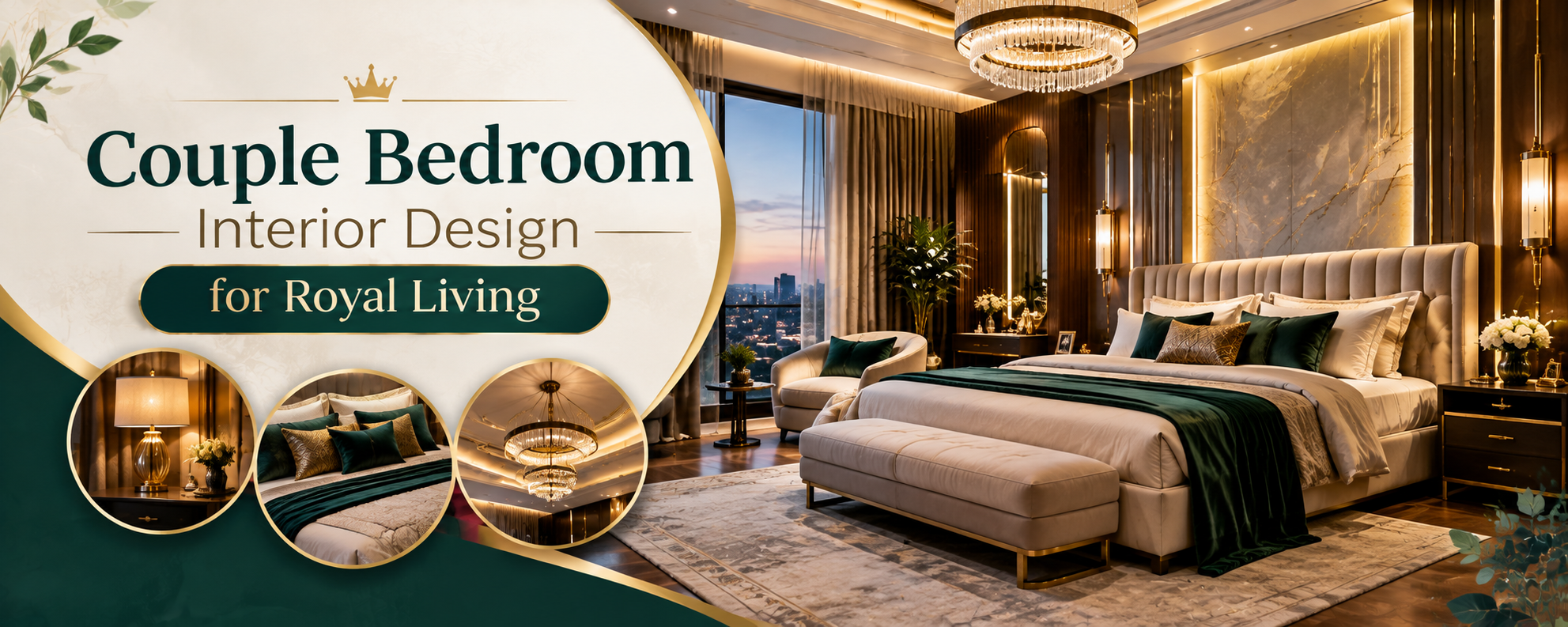

A couple’s bedroom should feel different from every other room in the house. It is a private retreat where comfort, personal style and relaxation matter as much as appearance. A thoughtfully designed bedroom can feel like a luxury hotel suite, with elegant finishes, soft lighting, beautiful textures and carefully selected furniture, without sacrificing everyday comfort.
The secret to a successful luxury couple bedroom design is not filling the room with expensive materials. It is creating harmony between the bed, wall finishes, flooring, lighting, curtains, furniture and decorative accessories. Whether the room is spacious or compact, the right combination can create a rich, royal atmosphere that feels special to the homeowners and impressive when guests see it.
1. Start with the Bed as the Main Design Feature
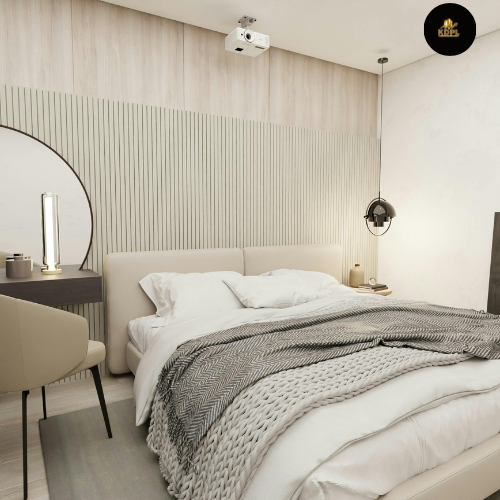
The bed usually occupies the largest visual area in a couple’s bedroom, so it should guide the entire design. A king-size bed can create a luxurious appearance in a spacious room, while a queen-size bed may leave more comfortable circulation space in a smaller one.
Choose an upholstered headboard in velvet, textured fabric or premium leather-look material for a sophisticated finish. Deep beige, taupe, charcoal, olive and muted burgundy work well with different interior styles. A tall, padded headboard can make the room feel grand, while a simple wooden headboard creates a warmer, more contemporary look.
For a royal appearance, consider extending the headboard across part of the wall or framing it with wooden panels and subtle metallic detailing. Keep bedside tables proportionate to the bed and ensure both sides have convenient access, charging points and reading lights.
1. Make the Bed Feel Like the Centrepiece of a Designer Suite
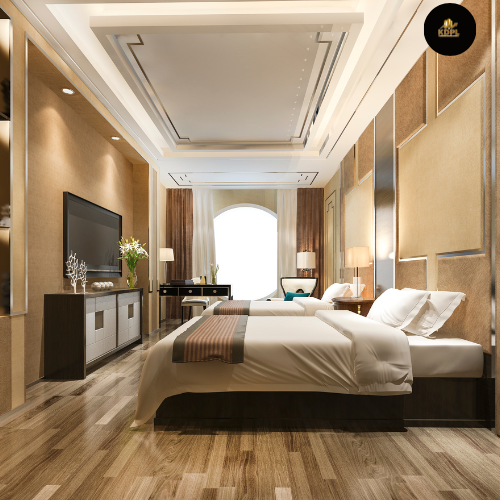
Imagine entering the room and immediately noticing a beautifully proportioned bed framed by an elegant backdrop. That first view should establish the bedroom’s style.
A king-size bed works well when the room provides comfortable walking space on both sides. In a smaller bedroom, a queen-size bed with a slim frame may produce a more balanced layout. Choose a tall upholstered headboard for a luxurious hotel-inspired appearance or a wooden headboard for a warmer, more architectural look.
Velvet, textured linen-look fabric and quality upholstery can introduce richness. Colours such as champagne beige, warm taupe, deep olive and muted wine create different moods without looking excessively bright.
Extend the headboard visually using wall panels or a coordinated backdrop. Keep bedside tables, switches and reading lights within easy reach so the design remains practical after the initial visual impact.
2. Give the Headboard Wall a Signature Identity
Instead of decorating every wall, give the wall behind the bed a distinctive identity. This is where the room can express its strongest design statement.
One sophisticated option is a central upholstered panel framed by walnut-toned fluted wood. Another is a marble-look porcelain slab bordered with narrow metallic detailing. For a softer interior, use decorative mouldings with a subtle plaster finish and a carefully selected artwork.
Texture is especially important because it creates depth without relying on loud colours. Limewash-style paint, fine-grain plaster, fabric panels and vertical wooden battens can all work beautifully. A combination of two complementary finishes is usually easier to coordinate than several competing materials.
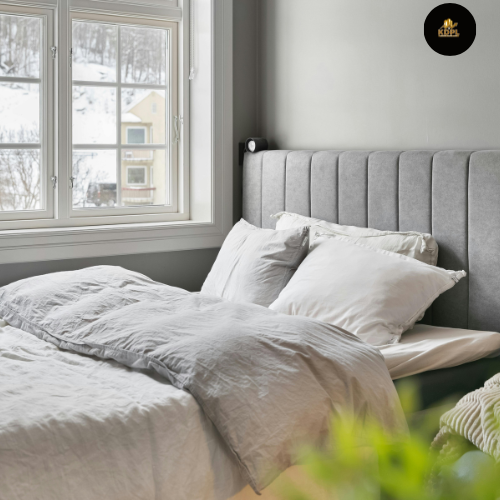
For a dramatic royal effect, use a darker shade behind the headboard and balance it with lighter bedding, warm lighting and neutral side walls. Before finalising the finish, view a sample during both daylight and evening lighting; a textured surface can look considerably darker under accent lights.
3. Let the Floor Bring Quiet Sophistication
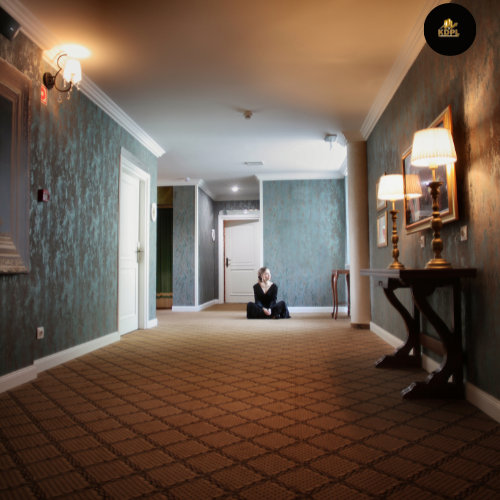
The floor should support the bedroom’s design rather than compete with it. Large-format ivory or beige porcelain tiles can create a seamless, spacious appearance. Natural marble offers unique veining and an exclusive character, while wood-look flooring introduces warmth and a softer visual effect.
If selecting natural marble, consider its porosity, susceptibility to staining and maintenance requirements. Follow the supplier’s guidance on sealing and cleaning. Porcelain products can offer marble-inspired patterns with different care characteristics, so compare actual product specifications before purchasing.
A generously sized rug beneath the bed can make the room feel more inviting. Choose a texture that feels comfortable underfoot and a colour that connects the bedding with the surrounding furniture.
The practical detail matters too: flooring should be level, transitions should be safe, and the rug should not slide when someone gets out of bed.
4. Design a Lighting Mood for Every Part of the Day
A bedroom needs more than one lighting setting. Bright, even illumination helps when dressing or organising the wardrobe, while softer light is better for relaxing in the evening.
Use recessed ceiling lights or indirect cove lighting for general illumination. Add wall sconces, pendant lights or adjustable reading lamps beside the bed. Concealed LED strips can highlight the headboard, a ceiling recess or selected shelves without making the lighting itself the main attraction.
Warm-white light around 2700K–3000K often complements wood, warm stone and neutral fabrics. Choose quality fittings with good colour rendering so that fabrics and wall colours appear natural.
A decorative chandelier can suit a large bedroom with sufficient ceiling height. In a compact room, two refined bedside pendants or elegant wall lights may create a more balanced result.
Separate switches and dimmers allow different lighting scenes. Plan access to LED drivers and electrical connections before installing concealed ceilings or wall panels; an attractive lighting system should also be easy to service.
5. Combine Natural Warmth with Stone and Metallic Finishes
A royal interior becomes more inviting when contrasting materials are used in the right proportions. Stone contributes refinement, wood adds warmth, and metallic accents create a subtle highlight.
Consider walnut or teak-toned finishes for wardrobes, bedside tables or a dressing console. Cream marble or marble-look surfaces can complement these richer wood tones. Brushed brass, champagne metal or antique bronze may be repeated in handles, mirror frames and light fittings.
The key is consistency. If the room already has prominent stone veining, avoid adding several different decorative patterns. Similarly, if the headboard wall has detailed woodwork, simpler wardrobe shutters may produce a more elegant overall result.
Choose finishes according to the room’s exposure, cleaning needs and budget. A luxury appearance should not come at the cost of materials that are unsuitable for everyday use.
6. Dress the Room in Colours That Feel Rich, Not Heavy
Colour creates the emotional character of a couple’s bedroom. Soft neutrals make a room feel open and timeless, while darker colours can introduce intimacy and drama.
For understated luxury, combine warm ivory walls with taupe upholstery, walnut furniture and champagne-metal details. For a bolder design, use deep olive, navy or burgundy on one feature surface and balance it with light bedding and carefully positioned lighting.
Curtains deserve particular attention. Full-height curtains can emphasise ceiling height and create a finished appearance. Pair a decorative outer curtain with a suitable blackout lining if light control and privacy are priorities.
Bedding should look layered without becoming inconvenient. Coordinated sheets, a duvet or comforter, a small number of cushions and a soft throw can create a polished look. Repeat two or three colours across the bedding, rug and curtains to bring the room together.
7. Build a Dressing Corner That Feels Boutique-Inspired
A dressing area can add both convenience and visual elegance. If space permits, install a dressing console with drawers, a large mirror and a comfortable stool. Use lighting that illuminates the face evenly rather than creating harsh shadows from directly overhead.
For a more spacious room, a separate dressing zone can be defined through cabinetry, a different wall finish or a decorative screen, provided it does not obstruct circulation.
Wardrobes should be planned around the couple’s actual storage habits. Full-height cabinetry uses vertical space efficiently, while internal drawers, hanging sections and accessory organisers reduce visible clutter. Matte finishes, subtle wood grain and integrated handles can create a clean, custom-built appearance.
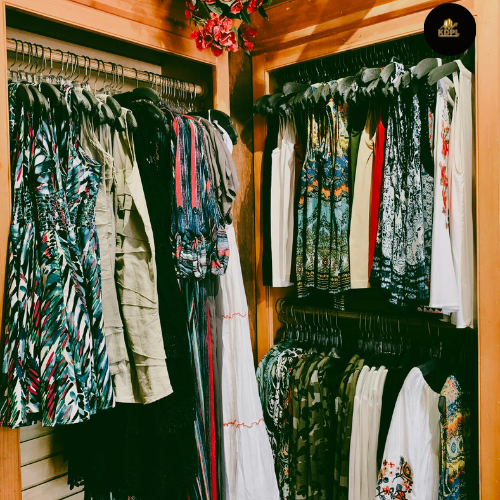
In smaller bedrooms, a floating dressing shelf and wall-mounted mirror may provide the necessary function without taking up valuable floor area.
8. Finish with Art, Soft Furnishings and Personal Details
The final layer should make the bedroom feel personal rather than like a showroom. Select artwork that suits the colour palette, a decorative vase for the dresser, a soft rug and a few meaningful photographs or objects.
Mirrors can reflect natural light and create a greater sense of space. Place them where they reflect a pleasant view or attractive surface. If adding plants, choose varieties suited to the room’s available light and ventilation.
Keep bedside surfaces relatively clear. A lamp, a book and a small tray may be enough. Leaving some surfaces uncluttered makes the room feel calmer and allows the larger design features to stand out.
For a royal finish, focus on the quality and coordination of a few details rather than filling every corner with accessories.
9. Plan for Comfort Beyond the Photographs
A beautiful bedroom must work throughout the year, not only when it is photographed. Provide convenient charging points, accessible light switches, adequate wardrobe access and enough clearance around the bed. Plan air-conditioning placement, ventilation, window treatments and acoustic privacy early in the design process.
In hot regions such as Lucknow and other parts of Uttar Pradesh, window orientation, direct sunlight, curtains and the thermal performance of exterior walls can influence bedroom comfort. Materials should also be selected with local dust conditions and maintenance requirements in mind.
Before construction or renovation, check furniture dimensions, electrical layouts, material samples and lighting positions together. A 3D visualisation can help explain proportions, but physical samples are still valuable because real stone, fabric and wood may look different from their digital representation.
Homeowners planning a new property or bedroom renovation can discuss how interior finishes and construction requirements fit into the wider home plan with Kanakdhara Developer Private.
Conclusion: Luxury That Feels Personal Every Day
The most successful couple’s bedroom is not necessarily the most decorated one. It is the room where the headboard wall, flooring, lighting, furniture, fabrics and storage work together to create a consistent atmosphere.
Choose a distinctive feature, balance rich materials with softer textures, and give equal attention to comfort and appearance. With careful planning, even a simple layout can become a refined private retreat that feels welcoming, elegant and genuinely suited to the couple who use it.
Frequently Asked Questions
1. What interior style suits a couple’s bedroom best?
Contemporary luxury, modern classic and warm minimalism are all suitable. The right choice depends on the couple’s preferences, room size and preferred level of decoration.
2. How can I make my bedroom look like a luxury hotel suite?
Use a coordinated headboard wall, layered lighting, full-height curtains, quality bedding and concealed storage. Keep decorative objects limited and maintain a consistent colour palette.
3. Which wall finish looks premium behind the bed?
Upholstered panels, fluted wood, subtle plaster textures and marble-look slabs can all create a premium appearance. Choose a finish that complements the flooring and furniture.
4. Is marble a good choice for bedroom interiors?
Yes. Marble can look elegant on floors or selected feature surfaces. Consider maintenance, staining, installation quality and the suitability of the particular stone before choosing it.
5. Which lighting colour is suitable for a couple’s bedroom?
Warm-white lighting around 2700K–3000K is often comfortable for relaxing and complements warm wood and neutral finishes. Separate controls can provide brighter light when needed.
6. How can a small couple’s bedroom feel more spacious?
Choose proportionate furniture, use vertical storage, install wall-mounted bedside lights and keep the floor visually open. Mirrors and a restrained colour palette can also help.
7. What colours create a royal bedroom appearance?
Ivory, champagne, taupe, walnut, muted gold, olive and deep burgundy can create a rich atmosphere. Use darker colours selectively to avoid making the room feel heavy.
8. Should both sides of the bed have matching furniture?
Matching bedside tables create symmetry and a formal appearance, but they are not essential. Different pieces can work if their visual weight, height and finishes are balanced.
9. What should be included in a bedroom dressing area?
A mirror, suitable lighting, drawers, a comfortable stool and organised storage are useful essentials. The arrangement should leave sufficient space to move comfortably.
10. How do I maintain luxury bedroom finishes?
Use cleaning products appropriate for each surface, dust woodwork and upholstery regularly, follow stone-care instructions and keep ventilation and lighting components accessible for maintenance.