
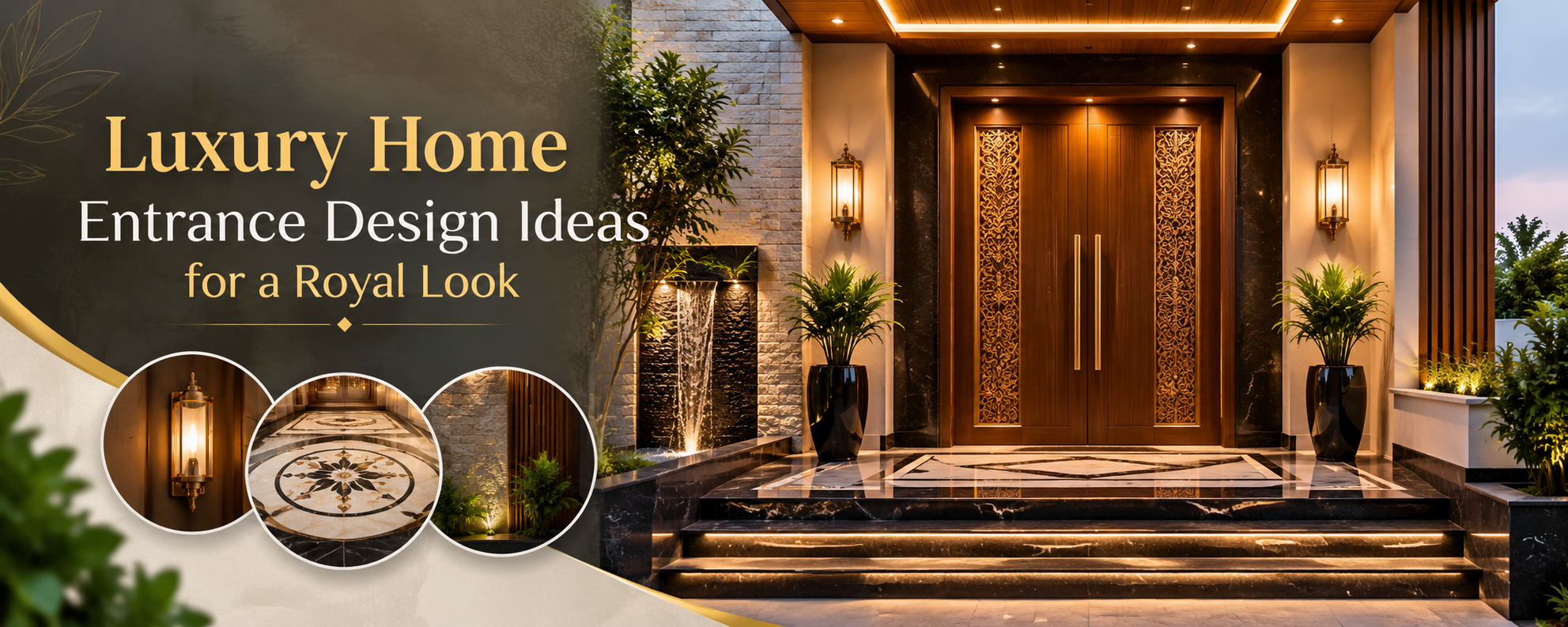

The entrance of a home is more than a passage between the main gate and the living room. It is the first space guests experience, the first detail visitors notice, and the place that sets expectations for the entire interior. A thoughtfully designed entrance can make even a modest home feel sophisticated, while poorly planned decoration can make an expensive property look crowded or artificial.
A successful luxury home entrance design combines beautiful materials, layered lighting, elegant wall treatments, carefully selected furniture and practical circulation. The goal is not to use the most expensive marble or the largest chandelier. It is to create a balanced, welcoming space with a royal character that feels natural to the homeowner and impressive to guests.
1. Begin with the Entrance Layout and Visual Impact
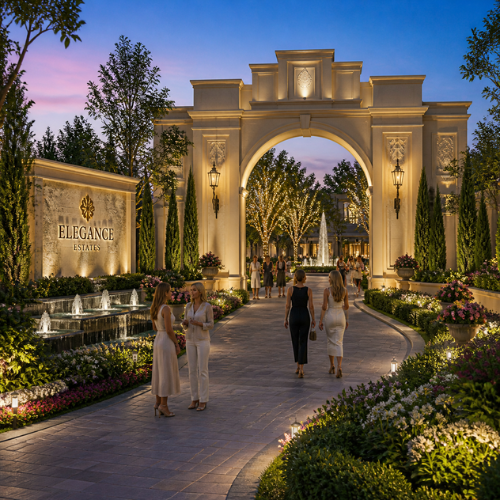
Before selecting colours or decorative materials, study the available space. An independent house may have a covered entrance lobby, a small foyer behind the main door, or a spacious double-height entrance. Each requires a different approach.
In a compact foyer, a large console table, oversized mirror and heavy chandelier can obstruct movement. Instead, use a slim floating console, a tall decorative mirror and wall-mounted lighting. For a spacious entrance, a statement wall, sculptural furniture or a pendant light can create a stronger visual impact.
Keep the route from the main door to the living area clear. The entrance should feel impressive when viewed from the doorway, but it must also allow people to enter comfortably, remove footwear where appropriate and move luggage or shopping bags without difficulty.
2. Choose Marble and Stone for an Elegant Foundation
Natural marble is a popular choice for a premium entrance because of its distinctive veining and polished appearance. White marble with subtle grey veins creates a refined look, while beige, cream and warm brown stones can make the entrance feel richer and more inviting.
Large-format porcelain slabs are another option. They can reproduce the appearance of marble, travertine or other natural stones while offering different maintenance requirements depending on the product. Natural stone varies in porosity and staining behaviour, so sealing and routine care should follow the manufacturer’s recommendations.
For a royal effect, consider using marble on the flooring and repeating a similar tone on a feature wall or console backdrop. Avoid covering every surface with the same dramatic pattern. A restrained combination of stone, warm wood and plain wall finishes usually looks more sophisticated than several competing patterns.
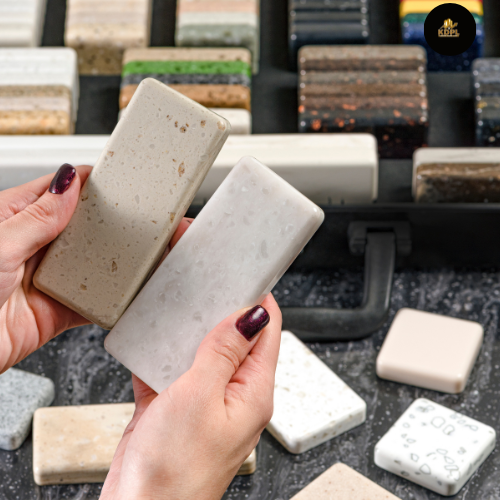
The entrance floor must also be safe. Highly polished stone can become slippery when wet, particularly during the monsoon. Choose an appropriate slip-resistant finish for the conditions and use a discreet, well-fitted entrance mat to manage dust and moisture.
3. Create a Statement Wall with Texture and Detail
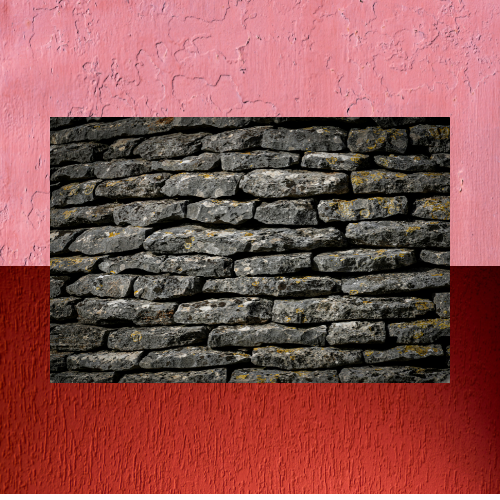
The main wall visible immediately after opening the door is an excellent place to introduce personality. Rather than decorating every wall, make one wall the focal point.
Large-format stone panels, fluted wood, decorative mouldings, textured paint and carefully designed inlay details can all work well. For a contemporary royal interior, combine a stone-look panel with narrow brass-coloured trims and warm wood sections. For a more traditional atmosphere, consider framed wall mouldings, a carved wooden panel or a decorative niche with a sculptural object.
Textured finishes can add depth without introducing too many colours. Options include limewash-style finishes, fine sand textures, metallic-effect paint and subtle plaster patterns. Always test a sample under the actual entrance lighting because texture and colour can look very different in daylight and artificial light.
In narrow spaces, vertical fluting or vertical panel details can make the wall appear taller. In a wide entrance, horizontal stone patterns or symmetrical mouldings may create a more balanced composition.
4. Use Wood to Add Warmth and Craftsmanship
Stone creates a sense of permanence, but too much stone can make an entrance feel cold. Wood introduces warmth and makes the space feel more welcoming.
Consider a wooden console, a slatted feature wall, a decorative ceiling section or a main door with a rich natural finish. Walnut, teak-toned finishes and deeper oak shades can complement cream marble, beige walls and muted metallic accents.
Natural timber, engineered wood and wood-look laminates have different costs, durability and maintenance requirements. Select the material according to whether the surface is exposed to rain, direct sunlight, humidity or frequent contact. Exterior-facing woodwork requires particular attention to weather protection.
For a premium finish, align the wood grain carefully and use consistent tones across the entrance. A single well-designed wooden feature is often more effective than mixing several unrelated wood colours.
5. Plan Lighting in Layers, Not Just One Chandelier
Lighting is one of the most important elements of a luxury entrance. It highlights materials, creates depth and makes the space feel inviting after sunset.
Use a combination of ambient, accent and decorative lighting. Recessed ceiling lights provide general illumination, while concealed LED strips can highlight a false ceiling, stone panel or floating console. Wall sconces add symmetry, and a pendant or chandelier can become the main feature in a sufficiently tall entrance.
Warm-white lighting, commonly around 2700K–3000K, can complement wood, beige stone and brass finishes. Neutral-white lighting may suit cooler contemporary interiors, but avoid mixing too many colour temperatures in the same visual area.
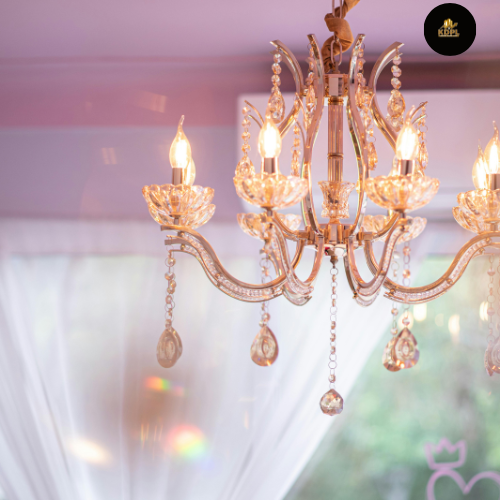
Position spotlights carefully so that they illuminate the wall or artwork instead of creating glare in visitors’ eyes. High-quality lighting with good colour rendering helps marble, wood and paint retain their intended appearance.
For double-height foyers, a statement chandelier can create drama. However, its size, suspension height, cleaning access and electrical support must be planned before the ceiling is completed. Provide accessible drivers and service points for concealed LED systems so maintenance does not require unnecessary damage to finished surfaces.
6. Select Furniture and Décor with Restraint
A console table can anchor the entrance and provide a place for keys, small accessories or a decorative arrangement. Choose a design proportionate to the wall and leave adequate walking space. Floating consoles are particularly useful in smaller foyers because they keep the floor visually open.
Style the console with a few carefully chosen objects: a ceramic vase, a sculptural bowl, a premium-looking tray or a small arrangement of fresh flowers. A large artwork or mirror above it can complete the composition.
Mirrors can make a narrow entrance appear brighter and more spacious. Place one where it reflects a pleasant view or light source, rather than a cluttered shoe rack or an unattractive passage.
A tall indoor plant can soften stone and wood finishes if the entrance receives suitable light. Select plants that can thrive in the actual conditions and use a stable planter with appropriate drainage protection. Avoid filling every corner with decorative pieces; negative space is part of what makes a luxury interior feel expensive.
7. Add Royal Details Through Metals, Colour and Craft
A royal look does not require excessive gold decoration. The secret is to use a small number of finishes consistently.
Brushed brass, antique bronze, champagne metal and black accents can work beautifully with stone and wood. These finishes may appear in door handles, console legs, mirror frames, wall trims or light fittings. Choose one dominant metallic finish and repeat it in a few locations.
For colour, consider ivory, warm beige, taupe, deep walnut, muted olive, burgundy or navy as accents. A neutral base allows expensive-looking materials to stand out, while a darker feature wall can create intimacy in a larger foyer.
Traditional Indian homes can also incorporate carved woodwork, brass vessels, handcrafted artwork or a tasteful decorative niche. The design should reflect the homeowner’s personality rather than resemble a hotel lobby with unrelated decorative objects.
8. Make the Entrance Practical and Easy to Maintain
An attractive entrance must work in everyday life. Dust from the street, wet footwear, deliveries and frequent visitors can quickly affect delicate finishes.
Plan a concealed or well-designed shoe-storage unit where space permits. Keep ventilation in mind, use easy-to-clean internal surfaces and avoid placing footwear storage directly in the main visual line if possible.
Use washable or repairable finishes in high-contact areas. Protect vulnerable corners, specify suitable flooring for wet conditions and ensure the main door opens without hitting furniture. Electrical switches, doorbell equipment, security devices and access controls should be integrated neatly without making them difficult to reach.
In Lucknow and other parts of Uttar Pradesh, summer heat, dust and seasonal monsoon moisture should influence the choice of entrance materials. Exterior-facing finishes need to tolerate local exposure, and the threshold should be detailed to reduce rainwater entering the house.
9. Coordinate the Entrance with the Rest of the Home
The entrance should create anticipation without looking disconnected from the living room. Repeat one or two materials, colours or metal finishes in the adjacent space. For example, the entrance’s walnut-toned wood may reappear in the living room furniture, while a brass accent may continue in light fittings.
This creates a visual connection and makes the home feel professionally designed. Before execution, review the design through material samples, lighting tests and a coordinated drawing. A 3D view can help the homeowner understand proportions, but actual samples remain important because screen images cannot accurately reproduce every stone vein, wood grain or surface texture.
For homeowners planning a new house or renovation, Kanakdhara Developer Private can be considered when discussing how entrance design, material selection and construction planning can be coordinated with the wider home requirements.
Conclusion
A grand entrance is created through thoughtful proportions, quality materials, controlled lighting and purposeful decoration—not simply by spending more. Marble or stone can establish elegance, wood can add warmth, textured walls can create depth, and layered lighting can bring the entire composition to life.
Plan the space around daily movement first, select a restrained material palette, and invest in details that visitors will notice naturally. When design and practical requirements work together, the entrance becomes a memorable welcome that feels luxurious to guests and comfortable to the people who live there.
Frequently Asked Questions
1. What is the best material for a luxury home entrance?
Marble, natural stone, large-format porcelain, wood and premium textured finishes are popular choices. The best option depends on the budget, maintenance requirements, weather exposure and overall interior style.
2. How can I make a small entrance look luxurious?
Use a slim console, a large mirror, warm layered lighting and one statement wall. Keep the flooring visually continuous and avoid oversized furniture or too many decorative objects.
3. Which marble colour is best for a royal entrance?
Cream, ivory, beige and white marble with subtle veining create a timeless premium appearance. Darker stone can also look dramatic when balanced with sufficient lighting and lighter surrounding surfaces.
4. Which lighting is best for an entrance foyer?
Combine general ceiling lighting with accent lights and a decorative pendant where appropriate. Warm-white lighting often complements wood and beige stone, while good colour rendering helps finishes look natural.
5. Are textured walls suitable for entrance areas?
Yes. Textured paint, plaster finishes, fluted panels and stone cladding can create depth. Choose a finish that suits the space, is practical to clean and looks good under the planned lighting.
6. How can I create a royal look without using too much gold?
Use a neutral colour palette, rich wood tones, a distinctive stone feature and a few brushed-brass or bronze accents. Consistency and good proportions generally look more refined than excessive metallic decoration.
7. Is a chandelier necessary in an entrance?
No. A chandelier works well in a tall or spacious foyer, but a compact entrance may look better with wall sconces, concealed lighting and carefully positioned ceiling lights.
8. What furniture should be placed in the entrance?
A slim console, a mirror, a small bench or a concealed shoe-storage unit may be useful. Select only the pieces that fit the available space and do not obstruct the main walking route.
9. How do I maintain marble and wooden finishes at the entrance?
Clean spills and dust promptly, use suitable cleaning products, and follow the material supplier’s guidance for sealing or surface protection. Protect exterior-facing woodwork from moisture and direct weather exposure.
10. How much should I budget for a luxury entrance design?
Costs vary with the entrance size, location, material grades, custom furniture, lighting and installation complexity. Obtain itemised quotations for flooring, wall treatments, electrical work, furniture and décor before finalising the budget.