
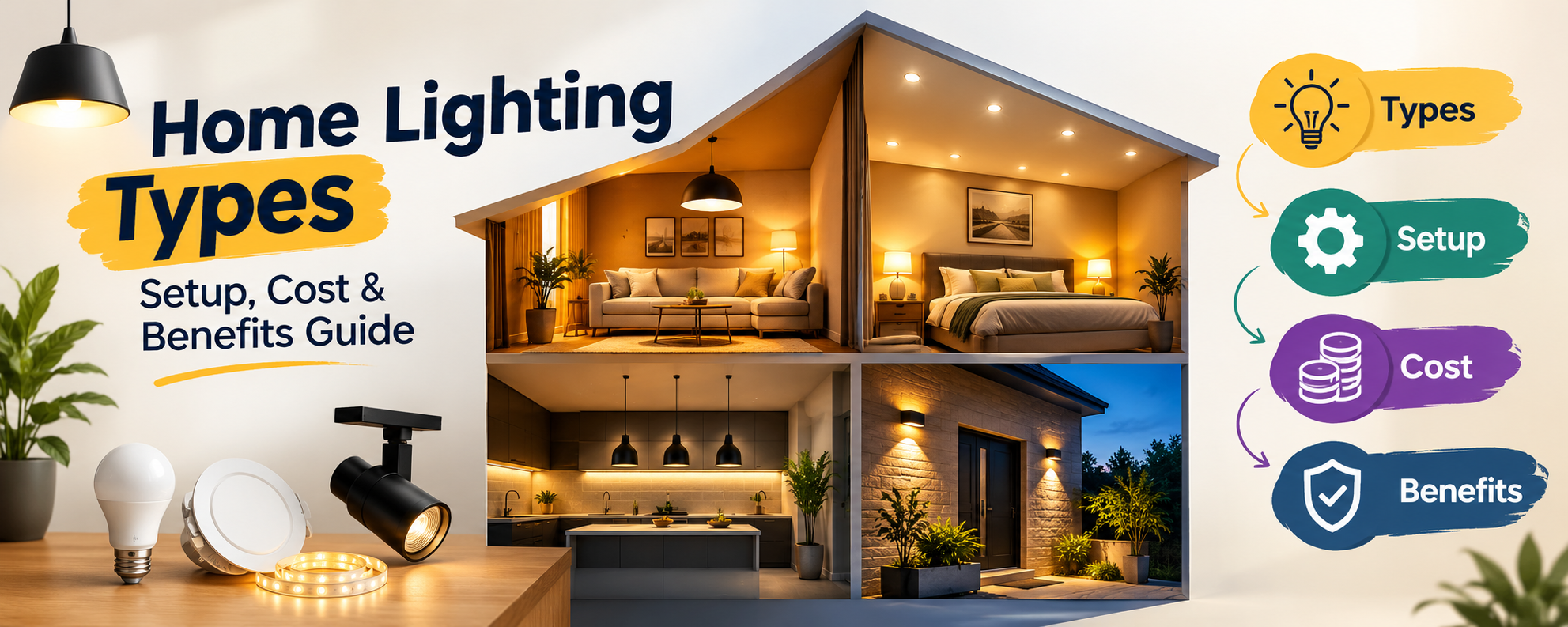

Why Lighting Matters in Home Design
Lighting is one of the most important parts of home interior design. It affects how a room looks, how comfortably you perform daily tasks, and how welcoming your home feels. Even expensive furniture, decorative walls and premium flooring can look ordinary if the lighting is poorly planned.
Modern homes use several lighting options, including profile lights, COB lights, recessed downlights, LED strip lights, track lights, pendant lights, wall lights and concealed cove lighting. Each serves a different purpose. Some provide general brightness, others highlight artwork or architectural details, while a few create a soft atmosphere for relaxation.
Choosing the right Home Lighting Types requires more than selecting an attractive fixture. You must consider room size, ceiling height, electrical points, light colour, installation method, maintenance access and budget. This guide explains the popular options, how they are installed, their advantages and disadvantages, where they work best, and what materials are required.
1. Profile Lights: Sleek, Modern and Architectural
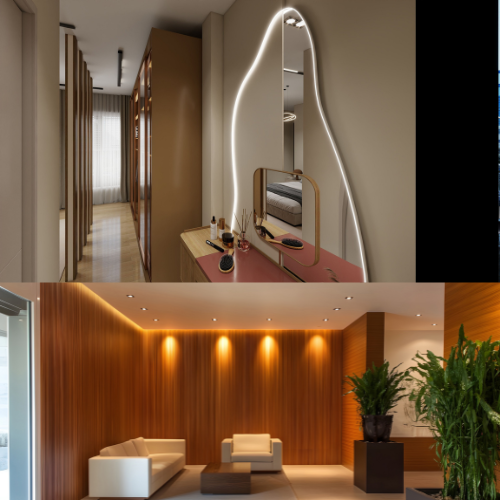
Profile lights are LED strips fitted inside aluminium channels, usually covered with a diffuser to create a clean line of light. They are popular in contemporary homes because they can integrate into false ceilings, walls, wardrobes, shelves and furniture.
Setup and materials: A typical installation uses an aluminium LED profile, LED strip, diffuser, compatible driver or power supply, connecting wires, mounting clips and suitable electrical connections. Surface-mounted profiles can be fixed directly to an appropriate surface, while recessed profiles require a planned groove or suitable ceiling detail.
Advantages: Profile lights create a modern appearance, provide continuous-looking illumination and work well for highlighting architectural lines. They can also serve as task lighting under kitchen cabinets or inside wardrobes when positioned correctly.
Disadvantages: Quality profiles and installation can cost more than ordinary LED fixtures. Poor-quality strips may develop uneven brightness, visible LED dots or colour differences. Recessed installations are harder to change if the ceiling or wall has already been finished.
Best areas: Living rooms, bedroom ceilings, hallways, wardrobe interiors, TV feature walls, kitchen counters and decorative niches.
Indicative budget in India: Around ₹200–₹800 per running metre for many basic-to-mid-range profile-light systems, excluding some installation and electrical work. Premium profiles, high-quality strips, complex ceiling work and concealed wiring can increase the cost.
Practical tip: Confirm the LED strip’s brightness, colour temperature and driver location before closing the false ceiling. Make the driver accessible for future maintenance.
2. COB Lights: Focused Illumination with a Premium Finish
COB stands for Chip on Board. A COB LED places multiple LED chips close together to produce a concentrated light source. Many COB downlights and spotlights create a smooth beam that is useful for highlighting specific areas.
Setup and materials: The installation may include a COB downlight or spotlight, suitable housing, a compatible LED driver, wiring, connectors and a ceiling cut-out or mounting bracket. Some fixtures are recessed into false ceilings, while others are surface-mounted or installed on compatible track systems.
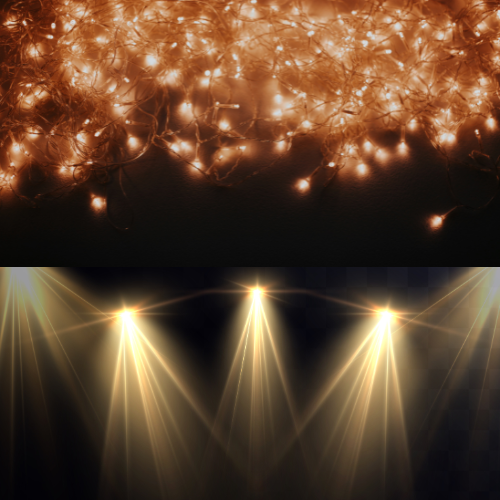
Advantages: COB lights can provide focused illumination, a clean appearance and good colour rendering when a suitable model is selected. They are useful for accent lighting and highlighting textures, artwork or display areas.
Disadvantages: A poorly positioned spotlight can create glare, harsh shadows or bright patches. COB fixtures produce heat and need suitable thermal management. Some models require a specific driver or cut-out size, which can make replacement difficult if specifications are not recorded.
Best areas: Living-room feature walls, dining areas, kitchens, corridors, display shelves and selected bedroom areas.
Indicative budget: Approximately ₹300–₹1,200 per fixture for many basic-to-mid-range products, excluding installation. Premium models, specialised beam angles and high colour-rendering performance can cost more.
Practical tip: Choose the beam angle according to the target. A narrow beam suits focused highlighting, while a wider beam covers a larger surface. Avoid pointing strong light directly toward seating or a television screen.
3. Recessed LED Downlights: Clean General Lighting
Recessed downlights are installed into a ceiling so that the fixture sits flush or nearly flush with the surface. They are commonly used for general illumination in modern homes.
Setup and materials: You need a downlight, compatible driver if required, suitable wiring, mounting clips and a correctly sized ceiling opening. The fixture must suit the ceiling construction and available installation depth.
Advantages: Downlights have a simple appearance, take up little visible space and can distribute light evenly when properly spaced. They are available in different brightness levels, sizes and colour temperatures.
Disadvantages: Too many downlights can make a ceiling look crowded and increase electricity use. Poor spacing can create dark patches or glare. Cutting into the wrong ceiling location can interfere with structural elements, wiring or services.
Best areas: Living rooms, bedrooms, kitchens, bathrooms where the fixture has the correct rating, and circulation spaces.
Indicative budget: Around ₹150–₹800 per fixture for many standard products, with installation and ceiling repair charged separately.
Practical tip: Do not decide the number of downlights by copying another home’s ceiling. Base the layout on room dimensions, ceiling height, surface colours, fixture output and the lighting level required for each activity.
4. LED Strip and Cove Lighting: Soft, Indirect Illumination
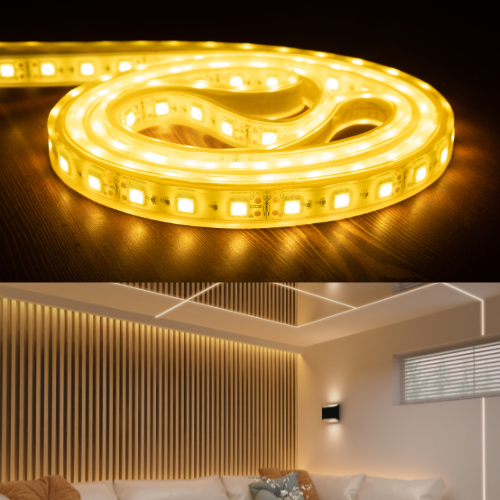
LED strip lights are flexible circuit strips fitted with small LED chips. Cove lighting places them in a concealed recess or ledge so that light reflects off the ceiling or wall instead of shining directly into the room.
Setup and materials: Common components include LED strips, an aluminium channel where suitable, a compatible driver, wiring, connectors and a cove or mounting surface. The ceiling detail must allow enough space for the strip, heat management and maintenance access.
Advantages: Indirect light creates a softer atmosphere, reduces the appearance of harsh light sources and can make a ceiling look more spacious. Dimmable strips can help create different moods.
Disadvantages: Cove lighting alone may not provide enough brightness for reading, cooking or cleaning. Inexpensive strips may lose brightness over time, and concealed drivers can be difficult to replace.
Best areas: Living rooms, bedrooms, ceiling borders, headboards, TV walls and selected dining spaces.
Indicative budget: Approximately ₹50–₹250 per metre for many basic LED strips, with drivers, profiles, wiring and installation adding to the total.
Practical tip: Use cove lighting alongside suitable downlights, task lights or floor lamps rather than relying on indirect light as the only source.
5. Track Lights: Adjustable Lighting for Flexible Spaces
Track lighting uses fixtures mounted on a powered track. Depending on the system, individual heads can be moved or angled to highlight different parts of a room.
Setup and materials: A typical setup includes a compatible track, track heads, connectors, end caps, mounting hardware and the required electrical feed. Track length, load rating and fixture compatibility should be checked before installation.
Advantages: The heads can be repositioned, making track lights useful for changing displays or highlighting different areas. They work well in contemporary interiors and can provide both accent and selected task lighting.
Disadvantages: The track remains visible, which may not suit every interior style. Quality systems can be more expensive than basic downlights, and poorly aimed fixtures may cause glare.
Best areas: Living rooms, galleries, home offices, retail-style display walls and selected kitchen areas.
Indicative budget: Around ₹500–₹2,000 per running metre for some track systems, with compatible heads and installation potentially charged separately.
Practical tip: Confirm that the track, connectors and fixtures belong to a compatible system. Do not assume every spotlight fits every track.
6. Pendant Lights: Decorative Lighting with a Purpose
Pendant lights hang from the ceiling on a rod, cord or suspension system. They can act as a focal point while providing useful illumination over a table, counter or seating area.
Setup and materials: The installation typically requires a pendant fixture, mounting canopy, suitable ceiling support, wiring, connectors and an appropriate bulb or integrated LED module. Heavy fixtures need secure support suitable for their weight.
Advantages: Pendants introduce visual character and can define a dining or kitchen zone. Their shape, finish and light output can complement the interior design.
Disadvantages: Decorative pendants can be expensive, collect dust and obstruct views if hung too low. A single pendant may not adequately illuminate a large dining table or kitchen island.
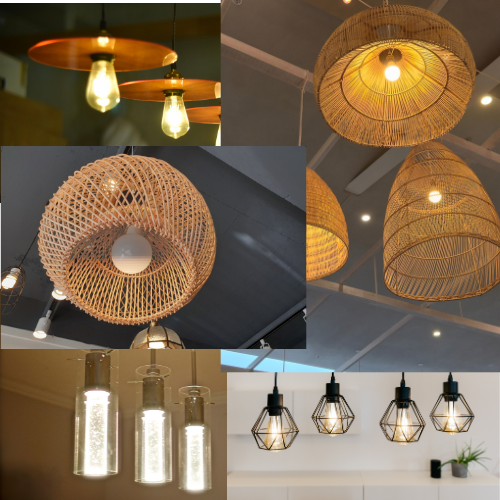
Best areas: Dining tables, kitchen islands, breakfast counters, stair voids and selected bedside locations.
Indicative budget: Approximately ₹800–₹5,000 per fixture for many basic-to-mid-range options, excluding installation. Designer fixtures may cost considerably more.
Practical tip: Check the fixture’s size and hanging height against the furniture below. Avoid placing a pendant where people regularly walk underneath it.
7. Wall Lights and Sconces: Comfortable Light at Eye Level
Wall lights are mounted directly onto walls and may provide upward, downward or diffused illumination. They can be decorative, functional or both.
Setup and materials: You generally need the fixture, mounting plate, suitable wall box or wiring point, electrical connections and fixing hardware. The installation point should be planned before plastering or painting if concealed wiring is required.
Advantages: Wall lights add visual depth, highlight wall finishes and can reduce reliance on overhead lighting. Diffused fixtures may be comfortable for evening use.
Disadvantages: Their light output may be insufficient for general room illumination. Poor placement can create glare or uneven patches, and exposed wiring can spoil the finish.
Best areas: Bedroom sides, staircases, corridors, living-room feature walls and entrances.
Indicative budget: Around ₹500–₹2,500 per fixture for many standard options, excluding electrical work.
Practical tip: For bedside use, position wall lights according to the bed, mattress height and reading posture. Confirm the placement before fixing the final electrical point.
8. Floor Lights and Step Lights: Safety Meets Style
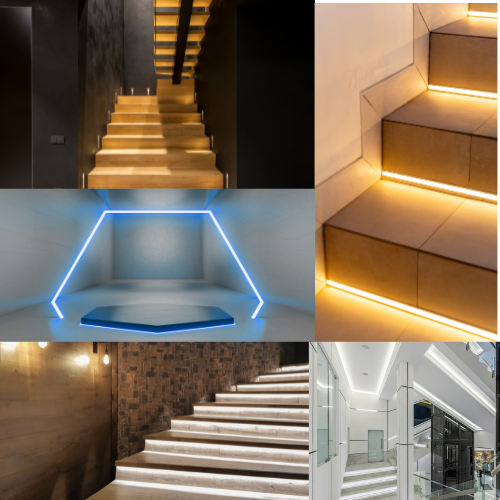
Floor lamps are movable fixtures that provide local or ambient light. Step lights are low-level fixtures installed along staircases, walls or outdoor pathways to make changes in level easier to see.
Setup and materials: Floor lamps generally need a suitable fixture, bulb or integrated LED and a safe power connection. Step lights require compatible fixtures, suitable wiring and mounting housings. Outdoor or wet-area locations need products with the correct environmental protection rating.
Advantages: Floor lamps can be repositioned without major construction. Step lights improve visibility and can make staircases and pathways more attractive at night.
Disadvantages: Floor lamps take up floor space and may be knocked over. Step lights require planning, wiring and suitable protection against moisture where applicable.
Best areas: Reading corners, bedrooms, living rooms, staircases, garden paths and entrance steps.
Indicative budget: Floor lamps often range from ₹1,000–₹6,000 or more, while step lights may cost around ₹300–₹1,500 per fixture before installation, depending on quality and rating.
Practical tip: Use step lighting to make edges visible without creating glare. For outdoor steps, select fixtures designed for the actual exposure to rain and dust.
How to Plan and Install Home Lighting Correctly
A successful lighting installation starts before the ceiling is closed or the walls are painted. First, prepare a room-by-room lighting plan showing general, task and accent lighting. Mark each fixture, switch, dimmer, driver and maintenance access point on the electrical drawing.
Next, select fixtures based on light output, colour temperature, colour-rendering performance, energy use and compatibility with the electrical system. Warm white, often around 2700–3000 K, generally creates a relaxed atmosphere. Neutral white around 3500–4000 K can suit kitchens, bathrooms and work areas, depending on the finish and personal preference.
During installation, a qualified electrician should check circuit loads, earthing, protection devices, cable sizing, switching and driver compatibility. Install fixtures according to the manufacturer’s instructions. Test brightness, dimming, colour consistency and switch operation before final handover.
Never conceal a driver or connection in a location where it cannot be inspected or replaced. Do not cut structural concrete or reinforcement to install a light without approval from the responsible structural professional.
Materials Required for a Typical Home Lighting Project
Depending on the selected design, the materials may include LED fixtures, LED strips, aluminium profiles, diffusers, drivers, mounting brackets, tracks, connectors, suitable electrical cables, switches, dimmers, junction boxes and fixing hardware. False-ceiling work may require additional framing, cut-outs and finishing materials.
The exact list depends on the plan. For example, profile lighting needs a suitable profile and strip, while a pendant needs secure support and a correctly positioned ceiling point. Bathroom and outdoor lights also require fixtures suitable for their environmental conditions.
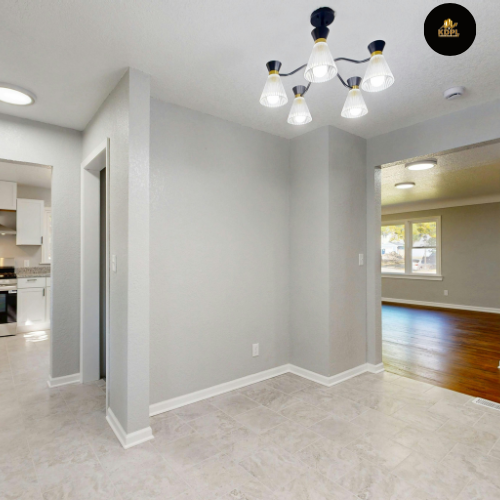
Purchase compatible components together where possible, retain product specifications and warranties, and avoid mixing drivers and LED strips without confirming electrical compatibility.
Home Lighting Budget: How Much Should You Plan?
The final cost depends on the number of fixtures, brand, brightness, design complexity, ceiling work, wiring changes and labour charges. As a broad planning estimate for an Indian home:
Basic lighting: ₹10,000–₹30,000 for a small or modest setup with standard LED fixtures.
Mid-range lighting: ₹30,000–₹1,00,000 for a combination of downlights, profiles, selected COB lights, pendants and some cove lighting.
Premium lighting: ₹1,00,000 or more for extensive concealed lighting, premium fixtures, dimming controls, specialised tracks and decorative designs.
These are indicative budgets, not quotations. They may exclude major rewiring, false-ceiling construction, automation, premium decorative fixtures and repairs. Obtain an itemised quotation that separates fixtures, drivers, wiring, installation and ceiling work.
Combine Different Lights for the Best Result
No single lighting type can perform every function in a home. Profile lights create clean architectural lines, COB lights highlight selected features, downlights provide general brightness, cove lighting softens the atmosphere, and pendants or wall lights add character. Track lights offer flexibility, while step lights improve visibility in circulation areas.
The best design combines these options according to room use, ceiling height, budget and maintenance needs. Plan the electrical layout early, select compatible products and use a qualified electrician for installation. Thoughtful lighting can improve comfort, highlight your home’s best features and help each room work better every day.
Frequently Asked Questions
1. Which lighting is best for a modern home?
A combination of recessed downlights, profile lights, COB spotlights and selected cove lighting works well in many modern homes. The right mix depends on room size, ceiling design, activities and budget.
2. What is the difference between profile light and COB light?
Profile lighting usually uses an LED strip inside a channel to create a continuous line of light. COB lighting uses closely grouped LED chips to produce a focused source, often for accent or directional lighting.
3. Are profile lights expensive to install?
They can cost more than basic LED fixtures because the system may require aluminium profiles, diffusers, drivers, concealed wiring and additional ceiling work. The price depends on quality, length and installation complexity.
4. Where should COB lights be installed?
COB lights are useful for feature walls, artwork, display shelves, kitchen areas and selected living-room zones. Their direction and beam angle should be planned to avoid glare and harsh shadows.
5. Is cove lighting enough for a living room?
Usually, cove lighting works best as indirect or ambient illumination. Combine it with suitable general lighting and task lighting if the room is used for reading, cleaning or other activities requiring clearer visibility.
6. Which light colour is best for bedrooms?
Warm white around 2700–3000 K is often preferred for a relaxed bedroom atmosphere. Reading areas may need a separate, brighter light suited to the user’s preference.
7. What is the cost of lighting a complete house?
A basic setup may cost tens of thousands of rupees, while a design with profiles, cove lighting, decorative pendants and premium controls can cost much more. Room count, fixture quantity and ceiling work are major factors.
8. Can profile lights be installed without a false ceiling?
Yes. Surface-mounted aluminium profiles can be installed on suitable walls, ceilings, shelves or furniture. Recessed profile lighting generally requires a planned groove or compatible ceiling detail.
9. Which materials are needed for LED strip lighting?
Common materials include an LED strip, compatible driver, connecting wires, connectors and mounting accessories. An aluminium profile and diffuser can improve the finish and help manage heat, depending on the installation.
10. Should lighting be planned before or after the false ceiling?
Plan it before the false ceiling is installed. This allows the electrician and ceiling contractor to coordinate wiring, fixture cut-outs, driver access, profiles and structural supports, reducing rework later.