
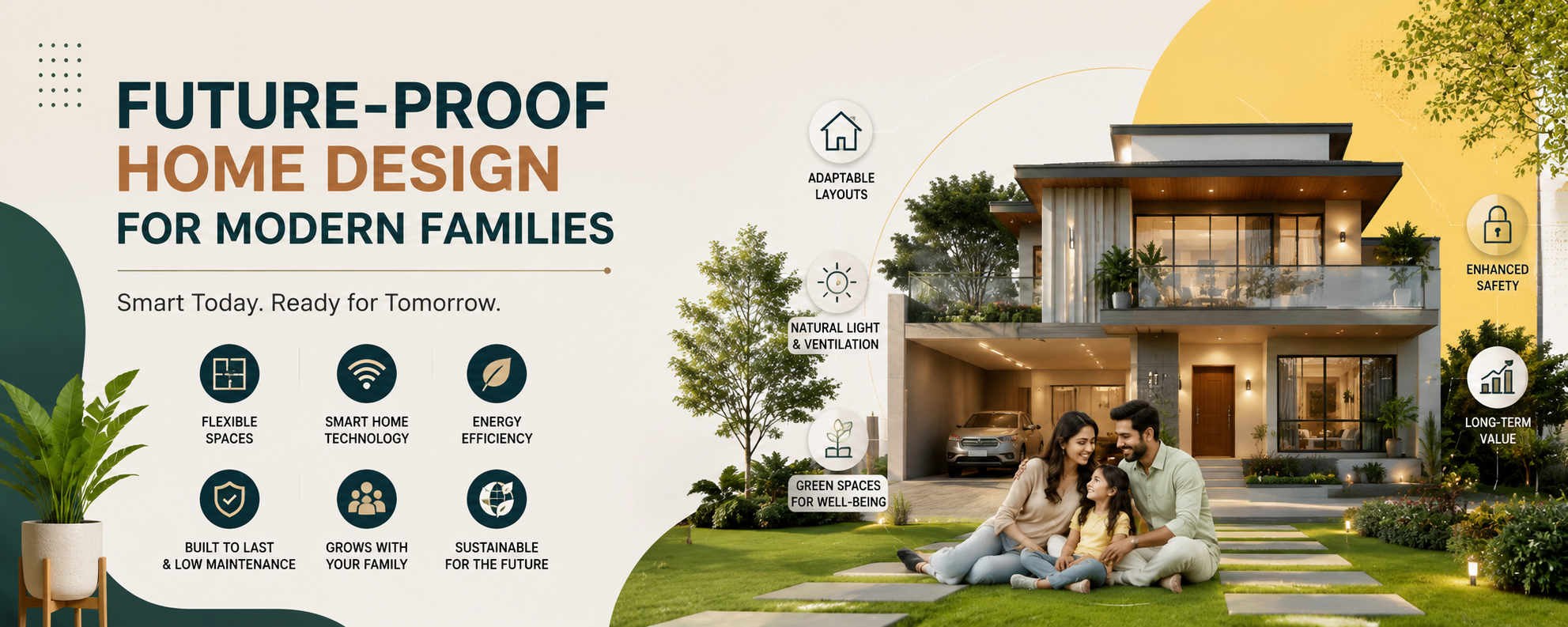

Building a home is one of the biggest investments a family will ever make. Yet, many homes are designed only for today’s needs without considering how lifestyles, technology, and family structures will evolve over the next 20 to 30 years. A house that perfectly fits a young couple may become inconvenient once children arrive, parents move in, or work-from-home becomes a permanent routine.
This is where Future-Proof Home Design becomes essential.
Future-proofing doesn’t mean predicting the future with certainty. Instead, it means designing a home that can easily adapt to changing circumstances while maintaining comfort, functionality, and value. A future-proof home reduces renovation costs, improves energy efficiency, accommodates technological advancements, and supports every stage of family life.
In today’s rapidly changing world, modern families need homes that are flexible, sustainable, and prepared for tomorrow.
What Is Future-Proof Home Design?
Future-proof home design is the process of creating a house that remains functional, efficient, and comfortable regardless of changing family needs or technological developments.
Rather than focusing only on current trends, future-proofing considers long-term usability. It ensures that spaces can serve multiple purposes, utilities can accommodate future upgrades, and the home remains attractive and valuable for decades.
The goal is simple: build once, adapt easily.
Flexible Floor Plans for Changing Families
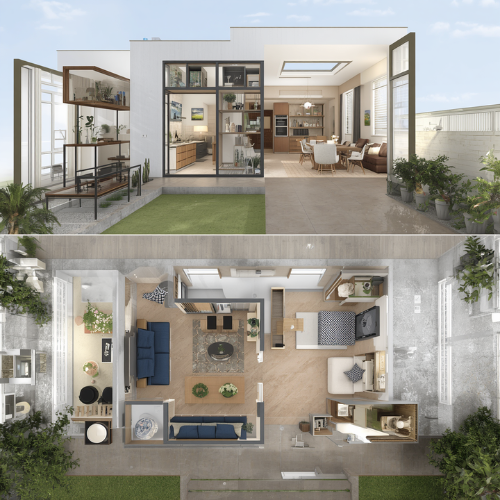
Modern families change over time. Children grow up, elderly parents may move in, and work or education often happens from home.
Instead of creating fixed-purpose rooms, future-proof homes prioritize flexibility.
For example, a guest bedroom can also function as a home office. A playroom can later become a study area or hobby room. Open layouts with movable partitions allow homeowners to redefine spaces without major construction.
This flexibility extends the useful life of the home while reducing expensive remodeling projects.
Designing for Remote Work and Digital Living
The rise of remote work has permanently changed how homes function.
Modern families increasingly require dedicated workspaces with good lighting, sound insulation, and reliable internet connectivity.
Future-proof homes include:
- Quiet work areas
- Built-in cable management
- Multiple electrical outlets
- High-speed networking infrastructure
- Comfortable video conferencing spaces
Even if homeowners do not currently work from home, these features add long-term value and adaptability.

Smart Technology Infrastructure
Technology evolves rapidly.
Instead of installing only today’s smart devices, future-proof homes prepare the infrastructure for tomorrow’s innovations.
This includes:
- Flexible electrical systems
- Extra conduits for future wiring
- Strong Wi-Fi coverage throughout the house
- Smart lighting compatibility
- Security system integration
- Energy monitoring systems
Planning these systems during construction is significantly more cost-effective than retrofitting them later.
Energy Efficiency That Lasts
Future-proof homes consume less energy without sacrificing comfort.
Proper insulation, high-performance windows, natural ventilation, and strategic building orientation help reduce electricity consumption throughout the year.
Solar-ready roofs, efficient HVAC systems, LED lighting, and water-saving fixtures further reduce operating costs.
As energy prices continue to rise, these investments become increasingly valuable.
Energy-efficient homes are not only environmentally responsible but also financially rewarding.
Universal Design for Every Age
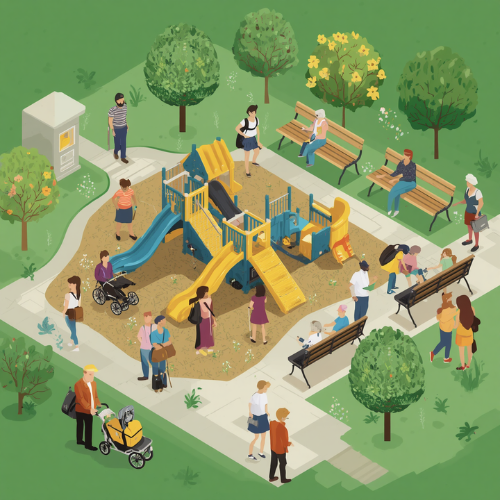
A truly future-proof home works for people of all ages.
Children, adults, elderly family members, and individuals with mobility challenges should all feel comfortable using the space.
Universal design includes:
- Step-free entrances
- Wider doorways
- Slip-resistant flooring
- Easy-to-reach switches
- Spacious bathrooms
- Accessible kitchens
- Well-lit circulation areas
These features improve everyday comfort while allowing homeowners to remain in their homes as they age.
Durable Materials Reduce Future Costs
Choosing durable construction materials is one of the smartest long-term investments.
High-quality roofing, moisture-resistant flooring, weather-resistant exterior finishes, and premium plumbing systems require less maintenance over time.
While durable materials may cost more initially, they often reduce repair and replacement expenses over the home’s lifetime.
Future-proof design prioritizes lifecycle value rather than the lowest construction cost.
Storage That Grows with Your Family
Storage needs increase as families grow.
Instead of relying solely on furniture, future-proof homes integrate storage into the architecture.
Examples include:
- Under-stair storage
- Built-in wardrobes
- Ceiling-height cabinets
- Garage organization systems
- Multi-purpose furniture
- Hidden utility storage
Efficient storage reduces clutter and improves the functionality of every room.

Outdoor Spaces Become Living Spaces
Modern homes increasingly blur the boundary between indoor and outdoor living.
Future-proof designs include usable outdoor areas that support changing lifestyles.
Covered patios, landscaped gardens, rooftop terraces, outdoor kitchens, and shaded seating areas extend living space while improving overall well-being.
These spaces also increase property value and provide flexible entertainment options.
Climate-Responsive Design
Climate change is influencing how homes are designed worldwide.
Future-proof homes respond to local environmental conditions rather than relying entirely on mechanical cooling or heating.
Key strategies include:
- Proper building orientation
- Natural cross ventilation
- Rainwater harvesting
- Heat-reflective roofing
- Flood-resistant construction
- Native landscaping
- Efficient drainage systems
These features improve resilience while reducing operating costs.
Easy Maintenance Matters
Beautiful homes should also be practical.
Future-proof homes simplify maintenance by using easy-to-clean materials, accessible service areas, and durable finishes.
Mechanical systems should be easy to inspect, plumbing should remain accessible for repairs, and exterior materials should withstand weather without frequent repainting.
Reducing maintenance saves both time and money over the life of the home.
Designing for Future Technologies
The next generation of homes may include AI-powered energy management, advanced home automation, robotic cleaning systems, and intelligent appliances.
Although these technologies continue to evolve, homeowners can prepare by installing flexible electrical systems, additional conduits, and expandable communication networks.
Planning ahead ensures that future upgrades remain simple rather than requiring expensive renovations.
Sustainability Is No Longer Optional
Future-proof homes balance environmental responsibility with practical living.
Sustainable construction includes:
- Recycled building materials
- Low-VOC paints
- Water-efficient fixtures
- Renewable energy integration
- Sustainable timber products
- Efficient insulation
- Waste reduction during construction
These practices create healthier homes while reducing environmental impact.
Long-Term Value Over Short-Term Trends
nterior design trends change every few years, but strong architectural planning remains valuable for decades.
Instead of chasing temporary styles, homeowners should prioritize timeless layouts, durable materials, adaptable spaces, and quality construction.
A future-proof home continues meeting family needs even as tastes and technology evolve.
This approach protects both comfort and property value.
Future-proof home design is not about building larger houses or spending more money. It is about making smarter decisions during planning and construction that provide lasting benefits throughout the life of the home.
Flexible layouts, energy-efficient systems, durable materials, universal accessibility, climate-responsive architecture, and adaptable technology infrastructure all contribute to a home that grows alongside its family.
As modern lifestyles continue to change, the most successful homes will be those designed with tomorrow in mind—not just today’s requirements. By embracing future-proof design principles, homeowners can create spaces that remain functional, sustainable, comfortable, and valuable for generations.