
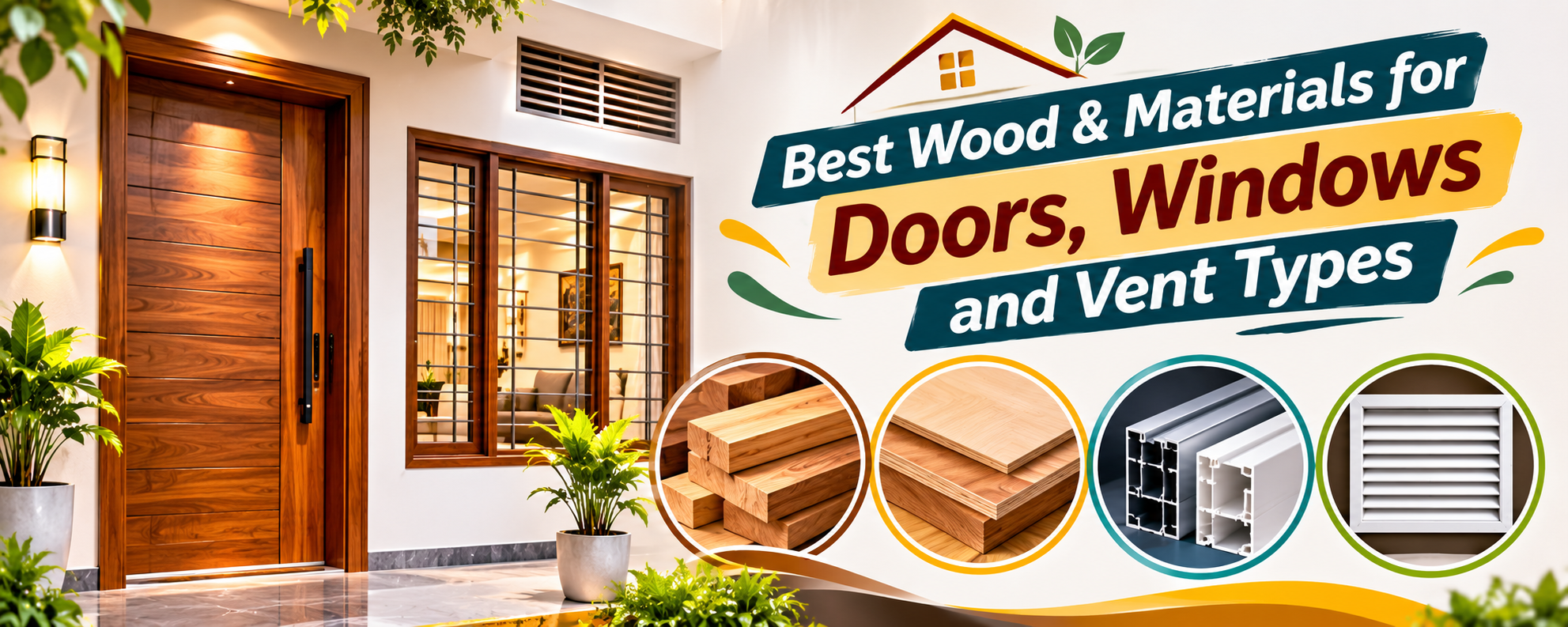

Doors and windows are among the most important elements of a residential building. They provide security, privacy, ventilation and natural light while contributing significantly to the home’s appearance. The right material can make an entrance look luxurious, give bedrooms a warm atmosphere and help windows withstand rain, sunlight and everyday use.
However, choosing materials is not simply about selecting expensive wood or premium plywood. Some materials are suitable for main doors, while others perform better in bathrooms, kitchens, balconies and exterior windows. Homeowners should consider budget, water exposure, termite resistance, durability, maintenance and overall design before making a decision.
Here is a practical guide to the best materials and where to use them.
1. Teak Wood: Premium Choice for Main Doors
Teak is one of the most popular premium choices for residential doors. Its natural grain, rich colour and attractive finish create an elegant appearance. Good-quality, properly seasoned teak also has natural resistance to moisture and termite attack compared with many ordinary timber species.
Best locations: Main entrance doors, premium bedroom doors and selected decorative frames.
Advantages: Rich natural appearance, good durability, can be polished or carved, and suitable for premium traditional or contemporary designs.
Limitations: Quality teak can be expensive. Poorly seasoned or incorrectly installed timber may still warp, crack or develop problems.
For a luxury entrance, a solid teak door with simple carving, decorative panels or a contemporary long-handle design can create a premium impression.
2. Sal and Other Hardwood: Strong and Practical Options
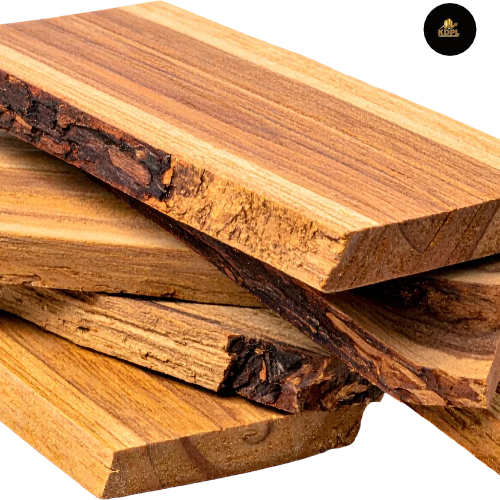
Sal is a dense hardwood commonly used in construction and joinery. Other locally available hardwoods may also be suitable for door frames and shutters when properly seasoned and treated.
Best locations: Door frames, internal doors and selected main-door applications, depending on timber quality.
Hardwood can offer good strength and a substantial feel. However, not every species has the same moisture or termite resistance. Check the timber’s seasoning, grade, treatment and suitability before purchase.
Avoid choosing wood only because it looks heavy or feels hard. Poor-quality timber can still shrink, twist or crack after installation.
3. Engineered Wood and Solid-Core Doors: Budget-Friendly Choices
Engineered wood products use wood fibres, particles or layers bonded together under controlled manufacturing conditions. Solid-core flush doors can provide a uniform appearance and practical performance at a more controlled cost than premium solid timber.
Best locations: Bedrooms, study rooms and internal passages.
These doors are available in different finishes, including decorative laminates and veneers. Select products suitable for the expected moisture conditions. Ordinary MDF or particleboard should not be used in places that experience regular water exposure unless the specific product is designed and approved for that environment.
For a premium appearance on a budget, a good-quality solid-core flush door with a wood-finish laminate can be an attractive option.
4. Marine Plywood and BWP Plywood: Where They Actually Work
Plywood is made by bonding thin wood veneers in layers. BWP (Boiling Water Proof) plywood is designed for demanding moisture exposure compared with ordinary interior-grade plywood. Marine-grade products are manufactured to relevant specifications and should be selected from a reliable supplier.
Best locations: Door construction, kitchen cabinets, bathroom vanity units and furniture, depending on the product grade and exposure.
Plywood can be useful for making custom door shutters and decorative panels. However, plywood is not automatically waterproof or termite-proof simply because it is labelled BWP or marine grade. Edges, joints and exposed surfaces need suitable sealing and finishing.
For a bathroom vanity, use a suitable moisture-resistant grade with sealed edges and keep the unit away from standing water.
5. WPC: Useful for Moisture-Prone Areas
Wood Plastic Composite (WPC) is made from a combination of wood-based material and plastic polymers. It is commonly used for door frames, shutters and selected interior applications.
Best locations: Bathroom doors, utility areas and selected moisture-prone internal locations.
WPC does not suffer from timber rot in the same way as untreated wood and is generally resistant to termites. It is also less vulnerable to water absorption than ordinary wood-based boards.
However, product quality varies. Check the manufacturer’s specifications for strength, dimensions, fixing method, hardware compatibility and suitability for the intended application. A WPC door should not automatically be assumed to offer the same strength or security as a properly designed solid timber or metal door.
6. Aluminium Windows: Durable and Low-Maintenance
Aluminium is a strong and relatively lightweight material for window frames. It is particularly useful for modern homes with larger windows and sliding systems.
Best locations: Living rooms, balconies, kitchens and exterior windows.
Aluminium does not suffer from termite attack and requires comparatively little maintenance. Powder-coated or anodised finishes are available in different colours and can complement contemporary architecture.
Choose suitable profiles, weather seals, drainage arrangements and hardware. Thermal-break systems and appropriate glazing can improve thermal comfort where heat transfer is a concern.
7. uPVC Windows: A Good Option for Weather Protection
uPVC windows are widely used in residential buildings because they resist corrosion, termites and moisture. They are available in sliding, casement and tilt-and-turn configurations.
Best locations: Bedrooms, living rooms, kitchens and exterior openings.
Good-quality uPVC windows can provide effective weather sealing and help reduce outside noise when correctly specified and installed. They are also available in different colours and wood-look finishes.
Check profile quality, reinforcement where required, glass specification, locking hardware and installation details. Poor installation can lead to leakage even when the window material itself is good.
8. Steel and Other Metal Doors: Security and Strength
Steel doors are useful where security, strength and resistance to physical damage are priorities. They can also be designed with decorative panels and modern finishes.
Best locations: Main entrances, service entrances, garages and utility areas.
Choose corrosion-protected steel with suitable coating and hardware. In exposed locations, poorly protected metal can rust, particularly around scratches, joints and fixing points. Stainless steel can be useful for selected fittings, but full stainless-steel doors may be more expensive.
9. Best Materials for Ventilation Openings
Ventilation should be planned according to the room’s use and building orientation.
Aluminium louvers: Suitable for ventilation openings, utility spaces and selected bathroom applications.
uPVC ventilators: Useful where weather sealing and low maintenance are important.
WPC ventilators: Can be considered for suitable internal moisture-prone areas.
Metal security grills: Useful for openings where security and airflow must work together.
Timber louvers: Offer a warm appearance but require suitable protection and regular maintenance.
Bathrooms and kitchens need effective exhaust ventilation, not just a small decorative opening. Provide suitable exhaust fans and duct routes where natural ventilation is insufficient.
10. Where Should Each Material Be Installed?
| Location | Suitable material options |
|---|---|
| Main entrance | Teak, quality hardwood, engineered security door or steel |
| Bedroom doors | Solid-core flush door, hardwood or suitable engineered door |
| Bathroom doors | WPC or moisture-suitable engineered door |
| Kitchen windows | Aluminium or uPVC |
| Living-room windows | Aluminium or uPVC with suitable glazing |
| Balcony doors | Aluminium or uPVC sliding/casement systems |
| Door frames | Seasoned treated hardwood, suitable WPC or engineered frame |
| Ventilation openings | Aluminium, uPVC or suitable metal louvers |
Best Practices for Long-Lasting Doors and Windows
Even the best material can fail if installation is poor. Use properly seasoned and treated timber, select the correct board grade and seal exposed plywood edges. Apply suitable exterior-grade coatings to timber exposed to weather. Protect metal components against corrosion and use compatible sealants around window frames.
Plan window positions to capture useful daylight and cross-ventilation while considering privacy, rain direction, security and direct afternoon sunlight. Keep bathroom ventilators and kitchen exhaust outlets functional, and avoid blocking airflow with furniture or cabinets.
For doors, check frame alignment, hinges, locks, threshold details and clearance before final fixing. For windows, ensure the sill has appropriate slope and that frame drainage openings remain clear.
In hot and monsoon-prone locations such as Lucknow, material selection should account for heat, seasonal rainfall and dust. A well-designed combination of treated timber, uPVC, aluminium and suitable engineered boards can deliver a premium appearance without overspending.
Conclusion
There is no single material that is best for every door, window and ventilation opening. Teak is a premium choice for main entrances, solid-core doors offer practical value for bedrooms, WPC can work well in moisture-prone internal areas, and aluminium or uPVC are strong options for exterior windows.
The best decision is to match the material with its location, exposure, expected use and maintenance requirements. Good installation, correct sealing, quality hardware and suitable surface protection are just as important as the material itself.
Frequently Asked Questions
1. Which wood is best for a main entrance door?
Good-quality, properly seasoned teak is a premium option. Other treated hardwoods can also be suitable depending on their quality, availability and budget.
2. Which material is best for bathroom doors?
WPC and suitable moisture-resistant engineered doors are popular choices. Ensure that edges, frames and hardware are also suitable for humid conditions.
3. Is marine plywood completely waterproof?
No. Marine-grade plywood is designed for demanding moisture exposure, but it is not indestructible. Edges, joints and surfaces need suitable sealing, and prolonged water exposure should be avoided.
4. Which is better for windows: aluminium or uPVC?
Both can perform well. Aluminium offers strength and slim profiles, while uPVC provides good weather sealing and low maintenance. Profile quality and installation are important in both cases.
5. Does WPC attract termites?
WPC is generally resistant to termite attack compared with natural timber. However, quality and composition vary, so check the manufacturer’s specifications.
6. Which door material is best on a limited budget?
A good-quality solid-core flush door with a durable laminate finish can offer a practical balance of appearance, cost and everyday usability for internal rooms.
7. How can I make wooden doors waterproof?
Use properly seasoned and treated timber, seal all exposed surfaces and edges, and apply a suitable exterior-grade protective coating where required. Maintain the finish periodically.
8. Which material gives the most premium look?
Teak, quality hardwood, natural wood veneer and well-finished aluminium systems can all look premium. The final appearance depends on design, detailing, hardware and installation quality.
9. What is the best material for kitchen windows?
Aluminium and uPVC are both practical choices because they resist termite attack and require relatively little maintenance. Select a system with suitable ventilation and weather seals.
10. How should ventilation be planned in a residential home?
Provide operable windows or ventilators where practical, create cross-ventilation paths and install exhaust fans in kitchens and bathrooms when needed. Keep openings secure and protected from rain.