
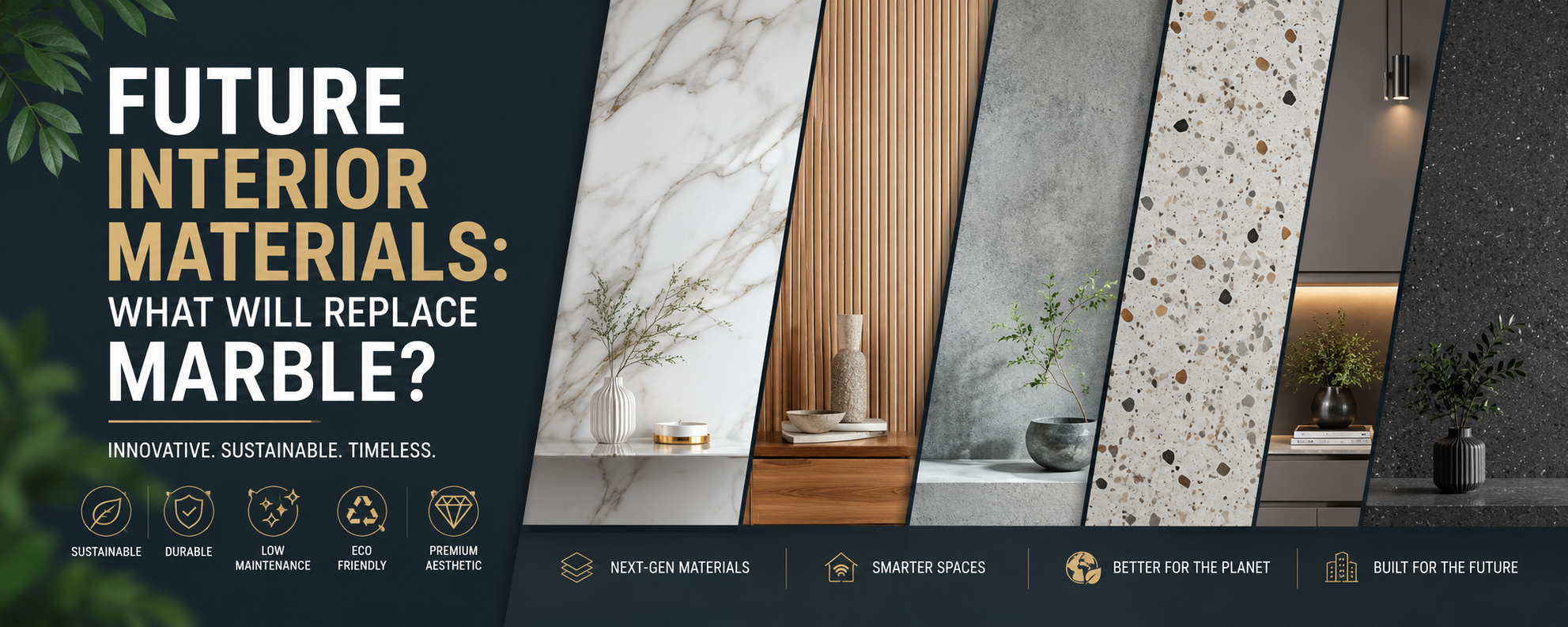

The Future of Interior Materials: What Will Replace Marble, Wood, and Tiles?
For decades, marble, natural wood, and ceramic tiles have been the foundation of interior design. They have defined luxury, durability, and timeless beauty in homes around the world. Yet, as technology advances and environmental concerns grow, the materials we use inside our homes are beginning to change.
The future of interior design is no longer driven only by appearance. Homeowners now expect materials that are sustainable, durable, low-maintenance, energy-efficient, and even intelligent. Designers and construction professionals are exploring innovative alternatives that offer better performance while reducing environmental impact.
In the coming years, the question will not be whether marble, wood, and tiles disappear entirely, but which new materials will become the preferred choice for modern living.
Why Traditional Materials Are Being Reconsidered
Natural materials remain beautiful, but they also come with challenges. Quarrying marble consumes significant resources, hardwood forests require careful management, and ceramic tile manufacturing demands high-temperature kilns that consume large amounts of energy.
At the same time, modern homeowners expect interiors that are easier to maintain, resistant to stains, lighter in weight, and more adaptable to changing lifestyles. These expectations are encouraging manufacturers to develop advanced alternatives that combine aesthetics with performance.
Engineered Stone Is Becoming More Versatile
Engineered stone has already become a popular replacement for natural marble in kitchens and bathrooms. Modern manufacturing techniques allow manufacturers to create surfaces that closely resemble natural stone while offering greater consistency and improved stain resistance.
Future engineered surfaces are expected to become even stronger, thinner, and more environmentally friendly by incorporating recycled minerals and low-carbon production methods.
Sintered Stone Is Setting New Standards

One of the fastest-growing materials in premium interiors is sintered stone. Produced under extreme heat and pressure, it creates an ultra-dense surface that resists scratches, stains, moisture, UV exposure, and high temperatures.
Unlike many natural materials, sintered stone requires very little maintenance and can be used for countertops, flooring, walls, furniture, and even exterior cladding. Its versatility makes it one of the strongest candidates to replace marble in many applications.
Bio-Based Materials Are Entering Interior Design
Scientists and manufacturers are developing materials made from agricultural waste, bamboo fibers, cork, hemp, mushroom mycelium, and other renewable resources.
These products reduce dependence on traditional raw materials while lowering carbon emissions. Although many are currently used in decorative applications, continued research is improving their strength and durability, making them suitable for wider residential use.
Bio-based materials also provide unique textures and natural warmth that appeal to homeowners seeking environmentally responsible interiors.
Advanced Wood Alternatives
Wood remains one of the most loved interior materials, but future alternatives are becoming increasingly sophisticated.
Engineered wood products, recycled timber composites, bamboo panels, and wood-polymer materials offer greater dimensional stability and resistance to moisture and insects. Some manufacturers are also developing compressed wood technologies that significantly increase strength while using less raw material.
These innovations preserve the appearance of natural wood while improving long-term performance.
Large-Format Surface Panels
Traditional ceramic tiles require numerous joints that collect dirt and require regular maintenance. Large-format porcelain and composite panels reduce grout lines while creating a seamless visual appearance.
As manufacturing technology improves, these panels are becoming thinner, lighter, and easier to install. Their ability to imitate marble, concrete, metal, wood, and natural stone allows designers to create elegant interiors using fewer materials.
Smart Interior Surfaces
Future homes will include materials that do much more than simply decorate a room.
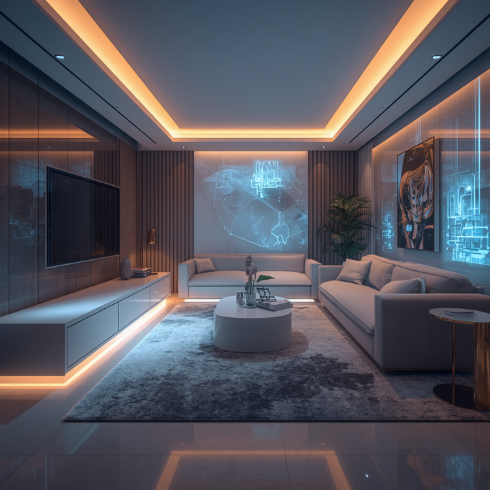
Researchers are developing surfaces with antibacterial coatings, self-cleaning properties, fingerprint resistance, improved indoor air quality, and enhanced durability. Some materials may eventually integrate sensors that monitor humidity, temperature, or energy usage.
While many of these technologies are still emerging, they demonstrate how interiors will become increasingly functional rather than purely decorative.
Recycled Materials Are Becoming Premium Choice
Sustainability is transforming public perception of recycled materials.
Modern recycled glass surfaces, recycled metal panels, reclaimed wood products, and composite materials made from construction waste now compete directly with premium finishes. Instead of appearing industrial or unfinished, these products offer refined textures and contemporary aesthetics suitable for luxury homes.
As circular construction practices become more common, recycled materials will play an increasingly important role in residential interiors.
Sustainability Will Influence Every Material Choice
Environmental responsibility is becoming a major consideration for homeowners, architects, and builders. Future interior materials will be evaluated not only for their appearance but also for their carbon footprint, recyclability, durability, and maintenance requirements.
Materials that last longer and require fewer replacements reduce waste over a building’s lifetime. This long-term perspective is reshaping how construction professionals specify products for modern homes.
Choosing Materials for the Future
Selecting interior materials should balance beauty, functionality, maintenance, sustainability, and cost. Rather than following short-lived design trends, homeowners should focus on products that provide lasting value and adapt to changing lifestyles.
Future-ready interiors are likely to combine traditional craftsmanship with advanced manufacturing technologies, creating spaces that are both elegant and practical.
Marble, wood, and tiles will continue to have a place in architecture and interior design, but they will increasingly share that space with innovative alternatives. Engineered stone, sintered surfaces, bio-based materials, advanced composites, recycled products, and intelligent finishes represent the next generation of interior materials.
The homes of tomorrow will not simply look different—they will perform better. By embracing sustainable innovation and thoughtful material selection, homeowners can create interiors that are beautiful, durable, environmentally responsible, and prepared for the future.