
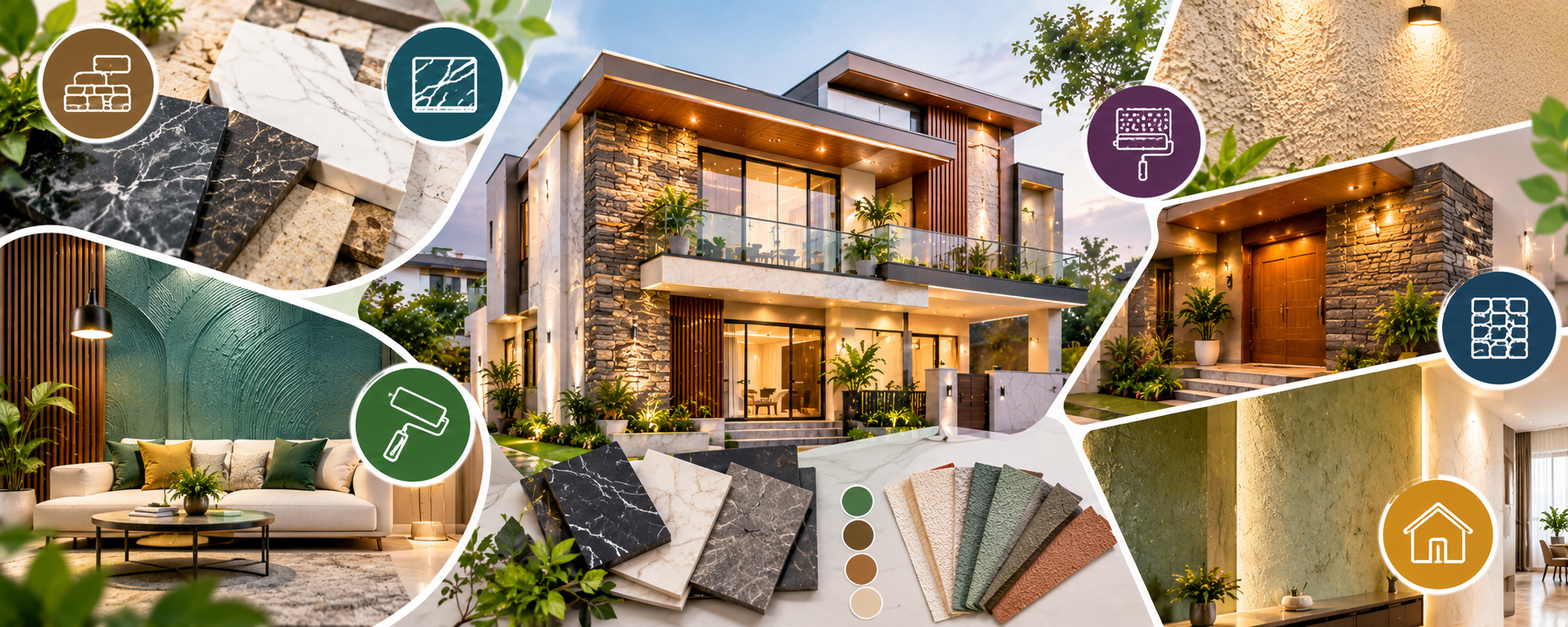

Choosing the right wall finish can completely change the appearance of a home. Natural stone can create a premium look, marble offers an elegant finish, wood introduces warmth, and texture paint adds depth without requiring expensive cladding. However, every material has different costs, maintenance requirements, durability, and suitable applications.
For example, natural stone may work beautifully on a living-room feature wall but can feel visually heavy when used on every wall. Marble can create an elegant entrance or floor, but some varieties are vulnerable to staining and etching. Texture paint can enhance a bedroom or exterior facade, although the wrong texture may collect dust or become difficult to clean.
The best approach is to select materials according to the room, wall condition, budget, and intended appearance. This guide explains where each finish works best, its advantages and limitations, and how much of a wall or facade you should consider covering.
1. Natural Stone: Best for Feature Walls and Selected Exterior Areas
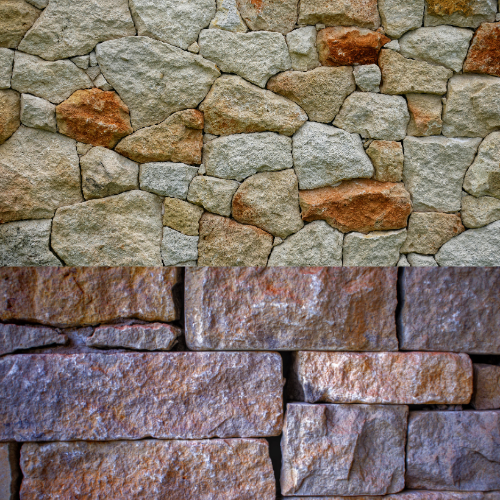
Natural stone includes slate, sandstone, granite, limestone, and other varieties used for architectural finishes. Each has different characteristics, so the exact stone must be selected according to its intended application.
Where should you use it?
In a living room, natural stone can highlight the TV wall, a fireplace surround where appropriate, or a selected architectural feature. Outside, it can enhance the main entrance, a staircase wall, or one section of the front elevation. Stone can also work in a covered courtyard or outdoor seating area when the material is suitable for the exposure.
How much should you use?
For a living-room feature wall, consider covering approximately 20–35% of the visible wall area with stone and finishing the remaining surfaces in a complementary paint. On a house elevation, stone covering around 10–20% of the visible facade can provide contrast without overwhelming the design. These are starting points, not fixed rules; the right proportion depends on wall dimensions and architectural style.
Benefits: Natural variation, visual depth, a premium appearance, and good durability when the stone is suitable and correctly installed.
Limitations: Material and labour costs can be high. Rough surfaces may collect dust, some stones absorb moisture or stain easily, and heavy cladding requires an appropriate fixing system.
Practical tip: Ask the supplier about water absorption, exterior suitability, cleaning, sealing requirements, and installation method before purchasing. Do not assume every natural stone is suitable for every wall.
2. Marble: Best for Elegant Floors, Entrances and Selected Wall Panels
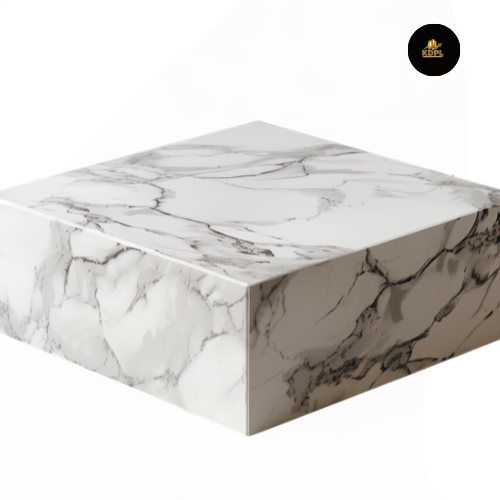
Marble is popular for its distinctive veining and polished appearance. White, beige, grey, and darker varieties can create very different interior styles.
Where should you use it?
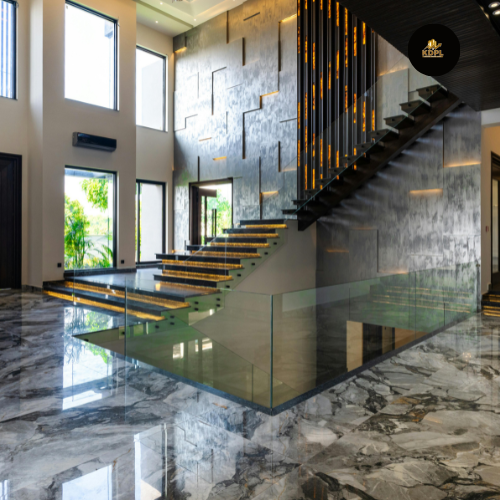
Marble can suit living-room floors, entrance flooring, selected wall panels, and vanity surrounds when the particular variety is appropriate. It may also be used in bedrooms for a luxurious appearance, although other flooring materials can be more economical and easier to maintain.
For kitchen countertops and frequently wet bathroom surfaces, selection requires greater care. Marble can react with acidic substances such as lemon juice and some cleaning products, causing etching. Certain varieties are also more susceptible to staining.
How much should you use?
For a living-room wall, consider a marble panel covering roughly 15–30% of the wall as a visual feature. For flooring, the coverage depends on the floor plan and budget rather than a decorative percentage. A small marble panel behind a console or at the entrance can also create an elegant effect without using it throughout the house.
Benefits: Distinctive natural patterns, an elegant appearance, and a premium finish.
Limitations: Often more expensive than standard tiles, susceptible to etching and staining, and potentially demanding in terms of polishing and maintenance.
Practical tip: Compare the actual slab or tile before purchase because natural veining varies. Confirm the required sealing and cleaning routine, and avoid abrasive or acidic cleaners.
3. Vitrified and Stone-Look Tiles: A Practical Alternative
Stone-look and marble-look vitrified tiles can reproduce the appearance of natural materials with more consistent patterns. They are available in different sizes, colours, and finishes, making them useful for many modern homes.
Where should you use them?
They can work well on living-room and bedroom floors, selected interior feature walls, and some exterior walls when the product is specifically rated for that use. Bathroom floors require tiles with suitable slip resistance for wet conditions.
How much should you use?
For flooring, coverage will generally follow the full usable floor area. For a feature wall, covering approximately 15–30% of a large living-room wall can create a focal point without making the room feel too busy.
Benefits: Consistent appearance, a wide choice of designs, relatively straightforward cleaning, and options at different price points.
Limitations: Quality varies. Glossy surfaces can show marks, and polished tiles may be slippery when wet. Incorrect installation can result in hollow sounds, cracked tiles, or water penetration.
Practical tip: Check the product’s intended application, surface finish, thickness, slip performance where relevant, and installation instructions. A tile suitable for an indoor wall is not automatically suitable for an exposed exterior wall.
4. Texture Paint: Best for Bedrooms, Living Rooms and Exterior Facades
Texture paint creates a surface with visible patterns, such as subtle sand, stone-inspired, or other decorative effects. It can add character without the weight and installation requirements of stone cladding.
Where should you use it?
In bedrooms, a subtle texture can highlight the wall behind the bed. In living rooms, it can create a backdrop for a sofa or TV unit. Outside, suitable exterior texture coatings can add depth to selected facade sections.
For kitchens and bathrooms, choose finishes according to moisture, grease, cleaning, and ventilation conditions. Deep decorative textures may be harder to clean, so a smooth, washable, moisture-appropriate finish is often more practical in these areas.
How much should you use?
In a bedroom, consider a textured finish on approximately 15–25% of the visible wall area, such as the headboard wall. In a living room, one feature wall or roughly 20–30% of the visible wall area may be enough. For an exterior elevation, texture paint can cover larger areas, with stone or wood-look finishes reserved for selected features.
Benefits: Wide colour choices, relatively flexible design, lower material weight than stone cladding, and the ability to refresh the look through repainting or recoating.
Limitations: Some textures trap dust, patch repairs may remain visible, and poor surface preparation can cause peeling or cracking. Texture paint does not repair structural cracks or solve dampness.
Practical tip: Select an interior or exterior product as appropriate, prepare the surface correctly, and request a sample patch before completing the wall.
5. Wood and Wood-Look Finishes: Best for Warmth and Contrast
Wood introduces warmth that can balance stone, marble, and painted surfaces. Options include natural timber, wood-look tiles, exterior-rated cladding, and suitable decorative interior panels.
Where should you use them?
Inside the house, wood finishes can work behind a bed, around a TV unit, in a study, or on selected ceiling details. On an exterior facade, use only materials rated for outdoor exposure and appropriate installation conditions.
How much should you use?
For a bedroom headboard wall, consider using wood-look panels across approximately 20–35% of the wall. In a living room, a TV-panel section or a narrow vertical accent may be sufficient. For an exterior elevation, approximately 5–15% of the visible facade can be a starting point for wood-look accents.
Benefits: Warm appearance, design flexibility, and attractive contrast with neutral paint or stone.
Limitations: Natural wood may require periodic protective treatment. Some panels are vulnerable to moisture, heat, or impact, and unsuitable interior laminates can deteriorate outdoors.
Practical tip: Confirm whether the material is intended for interior or exterior use. In kitchens and bathrooms, consider moisture exposure carefully before using wood-based products.
6. Which Material Works Best in Each Room?
| Area | Recommended finish | Main consideration |
|---|---|---|
| Bedroom | Washable paint, subtle texture, wood-look accents | Calm appearance and easy cleaning |
| Living room | Vitrified flooring, selected stone or marble feature | Visual balance and maintenance |
| Kitchen | Durable countertop, easy-clean backsplash, washable wall finish | Heat, grease and staining |
| Bathroom | Wet-area tiles, slip-resistant flooring, suitable wall finish | Waterproofing and safety |
| Small library or office | Paint, subtle texture, wood-look shelves | Lighting and practical storage |
| Main entrance | Suitable stone, tile or selected marble | Weather exposure and slip resistance |
| Exterior facade | Exterior-grade paint, suitable stone or rated cladding | Sunlight, rain and installation quality |
These are general recommendations rather than universal rules. Material specifications and suitability should always be checked for the exact product and location.
7. Best Colour and Material Combinations
For a modern, understated home, off-white paint with grey stone and a small wood-look accent creates a balanced facade. For a warmer appearance, beige stone, cream paint, and medium-brown wood tones can complement one another. A contemporary home can also combine charcoal texture paint with lighter stone and a restrained wood accent, provided dark surfaces are used thoughtfully in sun-exposed areas.
Inside a bedroom, warm neutral paint with a wood-look headboard wall can create a comfortable atmosphere. In a living room, marble-look tiles or selected stone can provide a focal point while the surrounding walls remain simple. In smaller rooms, lighter colours and limited decorative finishes can help avoid a crowded appearance.
Before finalizing a combination, examine actual samples under daylight and artificial lighting. Different materials may have undertones that clash even when their colours appear similar in photographs.
How Kanakdhara Developer Private Limited Can Help
Kanakdhara Developer Private Limited can help homeowners plan exterior elevations and interior finishes according to their requirements, budget, room dimensions, and preferred style. Material selection can be coordinated with flooring, feature walls, bedroom finishes, kitchen surfaces, bathroom tiles, and exterior paint.
By comparing the benefits, limitations, installation requirements, and maintenance needs of each option before work begins, homeowners can avoid unsuitable material choices and unnecessary expenses. The objective is to create a home that looks attractive while remaining practical and durable.
Conclusion
Stone, marble, vitrified tiles, wood finishes, and texture paint each serve different purposes. Stone can create a natural feature, marble offers distinctive elegance, tiles provide versatile surfaces, wood introduces warmth, and texture paint adds depth with flexible design options.
The best result comes from selecting materials according to their location and actual performance rather than using premium finishes everywhere. A feature wall may need only a small amount of stone, a bedroom may benefit more from subtle texture and wood accents, and a bathroom needs safe, moisture-appropriate surfaces before decorative detailing.
Compare full installation costs, maintenance requirements, and product specifications before making a decision. A balanced material plan can improve your home’s appearance without unnecessary spending.
FAQs
1. Which is better for a house elevation: stone, marble, or texture paint?
There is no single best option for every house. Exterior-rated stone can provide natural texture, suitable texture paint can cover larger areas economically, and marble may suit selected architectural features when the variety and installation are appropriate.
2. Is marble suitable for exterior walls?
Some marble products can be used in selected exterior applications, but suitability depends on the stone, climate exposure, fixing system, and maintenance requirements. Obtain professional advice about weathering, staining, and secure installation before using it outdoors.
3. Which wall finish is best for a bedroom?
Washable paint is a practical choice for most bedroom walls. A subtle textured headboard wall or a limited wood-look accent can add character without making the room visually crowded.
4. How much stone should I use on the front elevation?
As an initial design guide, stone covering around 10–20% of the visible facade may provide sufficient contrast for many homes. The right amount depends on the facade’s dimensions, architectural style, material cost, and surrounding finishes.
5. Is texture paint better than normal paint?
Texture paint creates decorative depth and can highlight selected walls. Standard paint is generally simpler to clean, repaint, and maintain. The better choice depends on the room, surface condition, product quality, and desired appearance.
6. Which material is best for a kitchen wall?
A washable wall finish is practical for areas away from cooking splashes, while a suitable easy-clean backsplash can protect surfaces near the hob and sink. Countertop materials should be selected separately according to heat, staining, and cleaning requirements.
7. Can stone-look tiles replace natural stone?
In many decorative applications, yes. Stone-look tiles provide consistent patterns and can be easier to maintain, but their performance depends on product quality and installation. Choose products rated for the intended wall or floor application.
8. Is wood cladding suitable for exterior walls?
Only when the material is specifically designed for outdoor exposure and installed correctly. Exterior-rated wood-look tiles or cladding can be alternatives to natural timber, but they still require suitable detailing and maintenance.
9. Which finish is best for bathroom walls?
Suitable ceramic or porcelain wall tiles are common practical choices. The floor should have appropriate slip resistance, and the complete bathroom needs correct waterproofing and drainage. Decorative finishes should not compromise these essentials.
10. How can I reduce the cost of decorative wall finishes?
Use premium materials selectively rather than covering every wall. Keep most surfaces painted, reserve stone or marble for focal areas, and compare material, labour, installation, and maintenance costs before purchasing.