
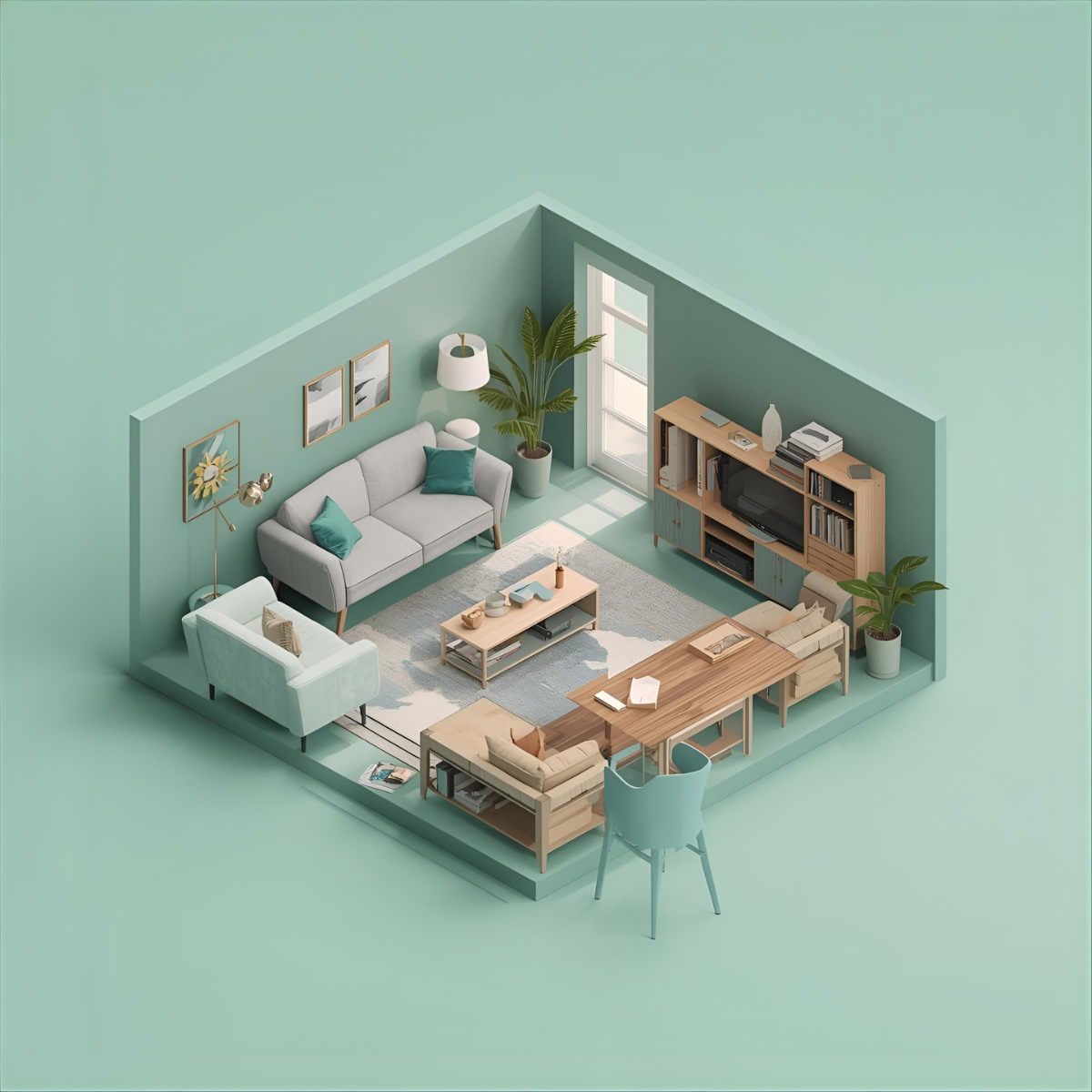

Designing your dream home is exciting, but it can also bring unexpected challenges. Even the most beautiful homes can face common interior design problems that affect comfort, functionality, and overall aesthetics. From poor lighting to mismatched furniture, these issues often occur when there’s a lack of planning or a misunderstanding of space and style. The good news is — every design problem has a smart and creative solution. In this guide, we’ll explore the most common interior design problems homeowners face and provide easy, practical ways to fix them.
1. Poor Lighting in Key Areas
One of the most common interior design problems is insufficient or unbalanced lighting. Many homes rely only on overhead lights, which often create harsh shadows or dull corners. Poor lighting can make even the most well-decorated space feel cold, cramped, or uninviting.
How to Fix It:
Layered lighting is the key to solving this issue. Use a combination of ambient, task, and accent lighting to brighten up the space. Add floor lamps, pendant lights, or recessed lights for even distribution. Natural light should also be maximized — choose light-colored curtains or sheer fabrics to let in more sunlight. Warm LED bulbs can add a cozy and comfortable glow that enhances your room’s atmosphere.
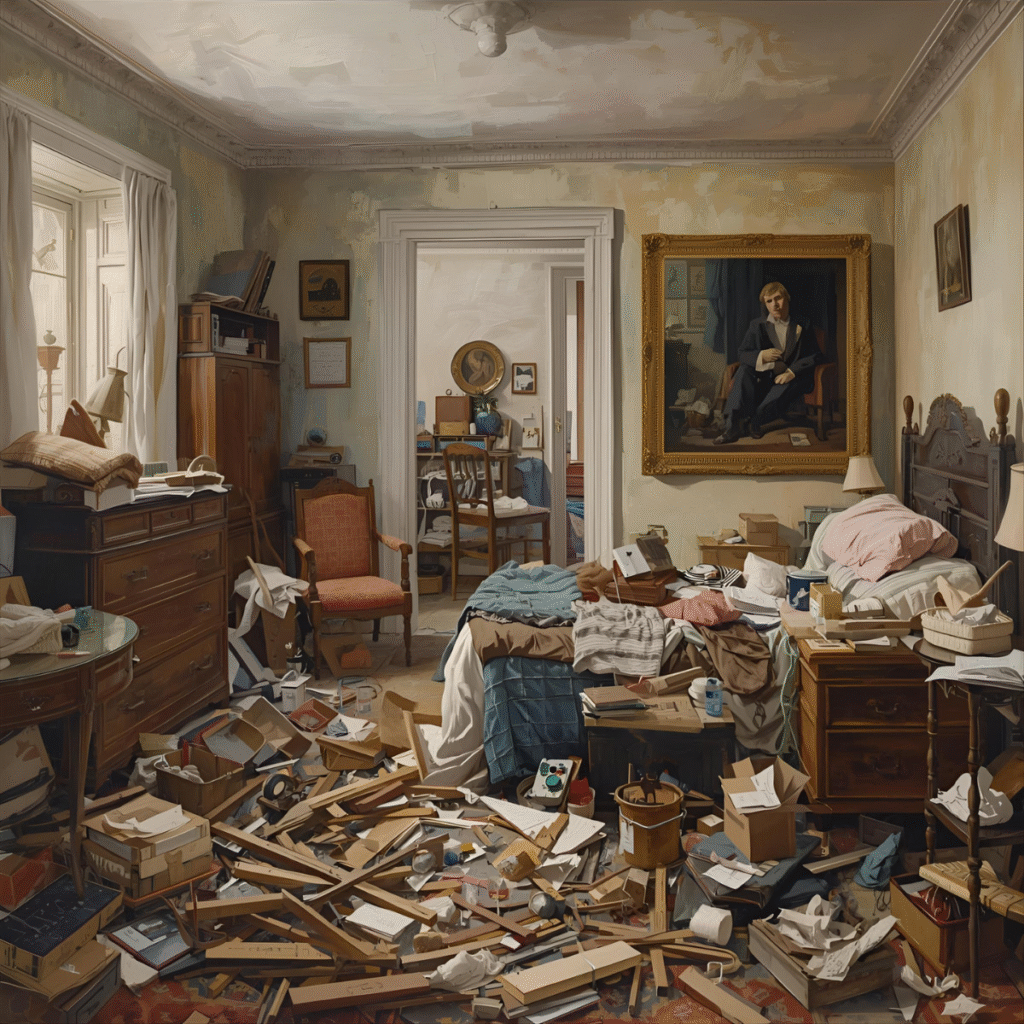
2. Cluttered and Overcrowded Spaces
Clutter is another of the common interior design problems that ruins the harmony of a room. Over-decorating, excess furniture, or unnecessary accessories make a space look smaller and stressful. A cluttered room also affects movement, comfort, and the visual balance of your interiors.
How to Fix It:
Start by decluttering — keep only what adds value or beauty to the room. Choose furniture that fits your space instead of oversized pieces. Hidden storage options like ottomans, under-bed drawers, and modular cabinets help maintain a neat look. Minimalism doesn’t mean empty — it means well-organized, functional, and visually relaxing.
3. Lack of Cohesion in Design Style
Mixing too many styles without a clear theme often leads to another of the common interior design problems — lack of cohesion. A home where rustic meets modern with no balance can look confusing and unplanned.
How to Fix It:
Before decorating, choose a core style — modern, contemporary, Scandinavian, or traditional — and stick to its basic principles. You can still mix elements, but maintain a consistent color palette and materials. Use accent pieces to introduce variety while keeping the overall look unified. For example, if your main theme is modern, add rustic touches through textures rather than furniture shapes.
4. Awkward Furniture Arrangement
A poor furniture layout is one of the most overlooked yet common interior design problems. Sometimes furniture is placed against walls or blocks walkways, leading to inefficient use of space and awkward movement.
How to Fix It:
Think about how the room will be used before arranging furniture. Keep a natural flow that allows easy movement. In living rooms, arrange seating to encourage conversation rather than facing only the TV. Use rugs to define zones in open-plan spaces. Floating furniture away from walls can make a room feel more intimate and inviting.
5. Ignoring Scale and Proportion
Another of the common interior design problems occurs when furniture and décor don’t match the room’s scale. Oversized sofas in small living rooms or tiny décor items in large halls can create imbalance and discomfort.
How to Fix It:
Balance is everything. Measure your space before purchasing furniture. Large rooms can handle big statement pieces, but smaller spaces benefit from sleek, compact designs. Choose décor items proportional to your walls and ceilings — for example, a wide painting looks better above a long sofa than a tiny one lost in the space.
6. Poor Color Selection
Choosing the wrong color palette is among the most frequent common interior design problems that affect mood and space perception. Overly dark shades can make a room feel smaller, while clashing colors can create visual chaos.
How to Fix It:
Start with neutral tones like beige, white, or light gray as your base, then add accent colors to bring personality. Use the 60-30-10 rule — 60% main color, 30% secondary color, and 10% accent. Consider lighting too; colors look different in natural and artificial light. Always test paint samples on your walls before finalizing your choice.
7. Neglecting Functionality
Many homeowners focus only on aesthetics, leading to common interior design problems like impractical furniture or lack of utility. A beautiful home that doesn’t serve your daily needs becomes inconvenient very quickly.
How to Fix It:
Function should always come first. Every piece of furniture and décor should have a purpose. Choose multi-functional items like sofa beds or extendable dining tables. In kitchens and bathrooms, storage and workflow are key — plan layouts that make daily routines smooth and efficient. Good design balances both form and function.
8. Inadequate Storage Solutions
Storage shortage is one of the most frustrating common interior design problems for modern homes. When storage isn’t planned properly, even a well-designed home can look messy and disorganized.
How to Fix It:
Utilize vertical spaces by adding wall-mounted shelves or tall cabinets. Opt for furniture that doubles as storage, like benches with compartments or beds with drawers. Customized cabinetry is a great option for odd spaces and corners. Proper storage keeps everything in place, making your interiors both stylish and functional.
9. Ignoring the Importance of Textures
Flat, one-dimensional interiors are a result of ignoring textures — another subtle but impactful common interior design problem. A space with similar materials or finishes can feel dull and lifeless.
How to Fix It:
Add depth and warmth through textures. Combine wood, glass, metal, and fabric to create visual interest. Use soft rugs, cushions, and throws to make spaces cozy. Even wall treatments like stone cladding or textured paint can elevate the look of your interiors instantly.
10. Lack of Personal Touch
One of the most relatable common interior design problems is creating a home that looks beautiful but lacks personality. Copying trends or catalog designs may result in spaces that feel generic rather than personal.
How to Fix It:
Incorporate personal touches — family photos, travel souvenirs, or handmade décor. Choose art that reflects your taste and add a few unique items that tell your story. Your home should represent who you are, not just what’s trending.
11. Ignoring Ceiling and Floor Design
While walls often get the most attention, ignoring ceilings and floors is one of the common interior design problems that limits creativity. A dull ceiling or mismatched flooring can break the harmony of your interiors.
How to Fix It:
Use ceiling designs like false ceilings, wooden beams, or decorative lights to enhance height and elegance. Choose flooring that complements your walls and furniture. In open layouts, consistent flooring helps create a seamless look. Area rugs can also define spaces beautifully.
12. Poor Use of Wall Space
Bare or overly crowded walls represent another common interior design problem. Walls are an important design element that can either elevate or spoil your interiors.
How to Fix It:
Decorate walls strategically with art, mirrors, or wall-mounted plants. Gallery walls add character when arranged thoughtfully. Avoid overfilling every wall — balance is key. Mirrors, especially, can make small rooms look larger and brighter.
13. Ignoring Natural Elements
One of the rising common interior design problems is the lack of nature inside modern homes. Spaces that miss greenery or natural elements often feel dull and artificial.
How to Fix It:
Bring the outdoors inside by adding indoor plants, natural light, and organic materials. Plants not only purify air but also add life to your space. Wooden accents, stone textures, and earthy tones can make your home feel grounded and peaceful.
14. Following Trends Blindly
While it’s tempting to follow trends, doing so without considering your home’s structure or your lifestyle often leads to common interior design problems that don’t age well.
How to Fix It:
Use trends as inspiration, not as strict rules. Focus on timeless design elements and add trendy touches through easily replaceable accessories like cushions or wall art. Classic styles ensure your home stays elegant for years, even as trends change.
15. Neglecting Professional Guidance
Many common interior design problems arise when people skip professional help. DIY ideas can be inspiring, but without expert insight, you might overlook key details like proportions, materials, or lighting balance.
How to Fix It:
Consulting an interior designer can save time, money, and effort. Professionals can visualize layouts, suggest suitable materials, and ensure that aesthetics align with functionality. Even a single consultation can make a huge difference in your home’s overall outcome.
Turn Problems into Possibilities
Every home, no matter how stylish, faces a few common interior design problems. But with thoughtful planning and the right approach, these issues can easily turn into opportunities for creativity. The secret to a perfect home isn’t perfection — it’s balance, functionality, and personality. Whether it’s improving lighting, rearranging furniture, or choosing cohesive colors, each solution helps you move one step closer to your dream space.
If you’re designing, renovating, or redecorating, keep these common challenges in mind and approach them as design opportunities rather than obstacles. The result will be a space that’s not only beautiful but also truly feels like home.