
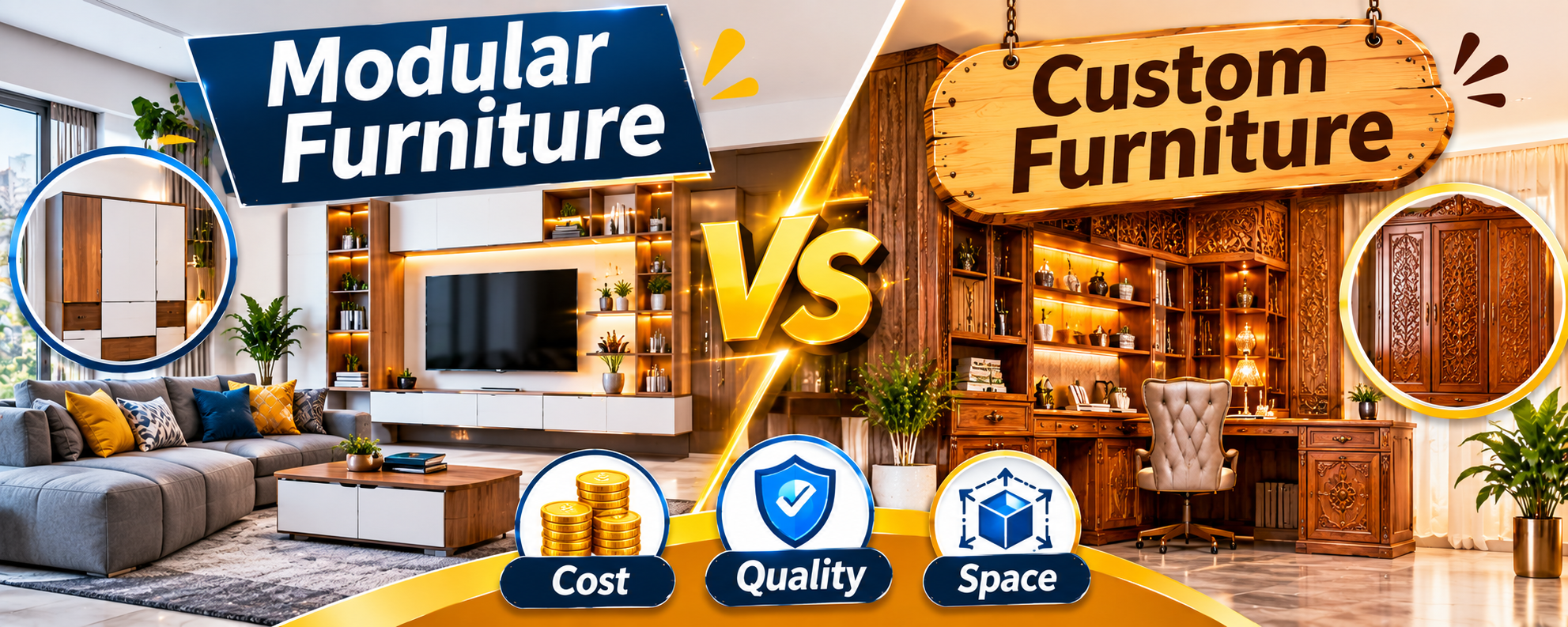

Choosing the right furniture is an important part of home interior planning. Whether you are designing a new home, renovating an existing property or upgrading your bedroom, kitchen, living room or wardrobe, furniture directly affects the appearance, functionality and comfort of your space.
Two popular options available today are modular furniture and custom furniture. Both offer different advantages in terms of design flexibility, installation, cost, quality and space utilisation. However, many homeowners find it difficult to decide which option provides better long-term value.
Modular furniture is generally manufactured in standardised sizes and components that can be assembled according to a selected layout. Custom furniture, on the other hand, is designed and manufactured according to specific room dimensions, personal requirements and design preferences.
In this guide, we will compare modular furniture vs custom furniture based on cost, material quality, durability, space utilisation, maintenance and design flexibility to help you make a practical decision.
1. What Is Modular Furniture?
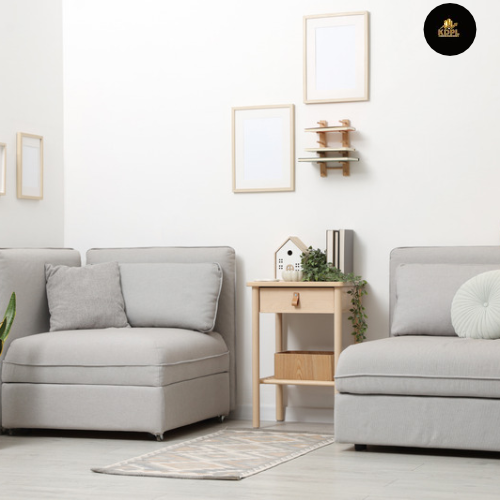
Modular furniture consists of pre-designed or factory-manufactured units that can be combined to create different furniture arrangements. These units are produced in standard dimensions and assembled at the site according to the available space.
For example, modular kitchen cabinets, wardrobes, TV units, storage cabinets and office workstations are common examples.
The biggest advantage of modular furniture is its organised manufacturing process. Most components are manufactured in controlled factory environments, where cutting, edge banding, drilling and finishing can be performed using specialised machinery.
Important features of modular furniture:
Standardised components and dimensions.
Faster installation compared to many site-built alternatives.
Consistent factory finishing.
Multiple design and colour options.
Easier replacement of individual modules.
Suitable for modern apartments and organised interiors.
Modular furniture is particularly useful when homeowners want a contemporary appearance, predictable installation and a relatively organised project timeline.
2. What Is Custom Furniture?
Custom furniture is designed and manufactured according to the specific requirements of a homeowner. Unlike standard modular units, its dimensions, materials, storage arrangements, colours and finishing can be selected according to the room layout.
For example, if your bedroom has an unusual corner, a sloping ceiling or a wall with limited clearance, custom furniture can be designed to utilise that space efficiently.
Custom furniture can be manufactured in a workshop or built directly at the project site, depending on the design and construction method.
Important features of custom furniture:
Made according to exact room dimensions.
Greater flexibility in design and appearance.
Freedom to select materials and hardware.
Better solutions for unusual spaces.
Personalised storage arrangements.
Suitable for premium and customised interiors.
Custom furniture is often preferred when homeowners have specific design expectations or want furniture that fits architectural features without leaving unnecessary gaps.
3. Modular Furniture vs Custom Furniture: Complete Comparison
Before selecting furniture for your home, understand how both options perform in different situations.
Comparison Factor | Modular Furniture | Custom Furniture |
|---|---|---|
Design | Pre-designed modules | Personalised design |
Dimensions | Standardised sizes | Made-to-measure |
Cost | Generally predictable | Depends on specifications |
Installation | Usually faster | Can take longer |
Quality | Depends on manufacturer | Depends on materials and workmanship |
Durability | Depends on construction and hardware | Depends on materials and craftsmanship |
Space utilisation | Good for regular layouts | Excellent for unusual spaces |
Material selection | Available within product range | Wider selection freedom |
Modification | Limited to compatible modules | More design flexibility |
Maintenance | Individual modules may be replaceable | Depends on construction method |
Finishing | Factory-controlled | Workshop or site-dependent |
Design uniqueness | Limited by available designs | Highly personalised |
Expert observation: Neither option is automatically better. The right choice depends on your room dimensions, budget, material specifications and long-term requirements.
4. Modular Furniture vs Custom Furniture: Cost Comparison
Cost is one of the biggest factors when selecting furniture. However, comparing only the initial quotation can be misleading because the final price depends on materials, hardware, design complexity, finishing and installation.
Modular Furniture Cost
Modular furniture often offers more predictable pricing because manufacturers work with standardised components and production processes.
Its cost generally depends on:
Cabinet dimensions and number of modules.
Material selection, such as MDF, HDHMR or plywood.
Laminate, acrylic or membrane finishes.
Hinges, drawer channels and other hardware.
Accessories and internal storage fittings.
Transportation and installation charges.
Custom Furniture Cost
Custom furniture pricing depends on the amount of design work, material wastage, labour, finishing and complexity involved.
Its cost generally depends on:
Custom measurements and drawings.
Selection of plywood, solid wood or other boards.
Skilled carpenter and fabrication charges.
Premium polish, veneer or laminate.
Specialised hardware and accessories.
On-site modifications and installation.
Which Is More Affordable?
Modular furniture can be more economical for standardised layouts and repeated units because factory production reduces unnecessary fabrication work.
Custom furniture can sometimes be more economical when a simple design uses locally available materials and avoids expensive modular accessories.
For a fair comparison, always ask both vendors to provide a detailed quotation with material thickness, brand, hardware specifications, finishing and installation charges.
5. Material Quality and Durability: Which Is Better?
Furniture durability depends more on material specifications and workmanship than whether the furniture is modular or custom-made.
For example, a modular wardrobe made with poor-quality boards and weak hardware may deteriorate faster than a properly manufactured custom wardrobe using quality plywood.
Similarly, poorly constructed custom furniture can develop problems such as loose joints, uneven shutters, peeling laminate and damaged edges.
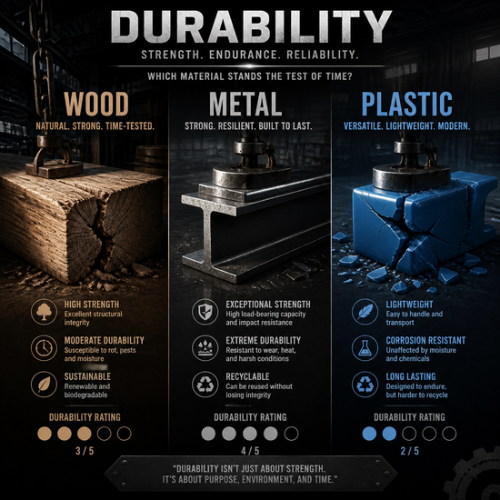
Important materials used in furniture manufacturing:
Material | Common Application | Important Characteristics |
|---|---|---|
BWR Plywood | Kitchen and wardrobes | Suitable for areas with occasional moisture exposure |
BWP Plywood | Moisture-prone applications | Better water resistance when properly specified |
MDF | Decorative panels and shutters | Smooth surface for painted finishes |
HDHMR | Furniture panels | Higher density and improved moisture resistance compared with standard MDF |
Particle Board | Budget furniture | Economical but generally less suitable for heavy-duty applications |
Solid Wood | Premium furniture | Natural appearance and repairability, depending on wood species |
Professional tip: Do not select furniture only by its external appearance. Ask about the board grade, thickness, edge treatment, adhesive, hardware brand and warranty.
6. Space Utilisation: Which Furniture Is Better for Small Homes?
Space utilisation is particularly important in apartments and compact residential properties. Every corner, wall and storage area should be planned carefully to avoid unnecessary space wastage.
Modular furniture works well when the room follows standard dimensions. Its cabinets, shelves and storage units can be arranged in different combinations.
However, custom furniture offers more flexibility when the room has unusual dimensions or architectural limitations.
For example:
A custom wardrobe can extend from floor to ceiling.
An awkward corner can be converted into useful storage.
A customised study table can fit beneath a window.
Built-in cabinets can utilise narrow wall spaces.
Storage beds can provide additional space for household items.
Our recommendation: For small bedrooms, irregular room layouts and compact apartments, consider custom-designed storage solutions. For standard kitchens and regular wall layouts, modular furniture can be a practical choice.
7. Design Flexibility and Appearance
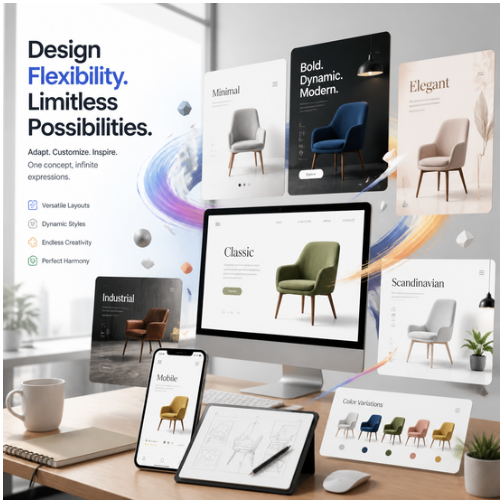
Furniture should complement the overall interior theme of your home. The colour combination, surface texture, hardware, lighting and proportions should work together.
Modular furniture offers several standard finishes, including:
Matte laminates.
Glossy acrylic.
Textured laminates.
Wood-finish surfaces.
Glass shutters.
Pre-designed cabinet combinations.
Custom furniture offers more freedom to experiment with different materials, dimensions, decorative details and combinations.
For example, if you want a royal bedroom with wooden wall panelling, upholstered headboards, customised side tables and a matching wardrobe, custom furniture can help maintain a consistent design language.
However, modular furniture can also achieve a premium appearance when the selected finishes and accessories are properly coordinated.
8. Installation Time and Maintenance
Installation time is another important consideration, especially when you are moving into a newly constructed home.
Modular furniture: Since most components are manufactured before reaching the site, installation is generally faster. The final time depends on the number of units, site readiness and design complexity.
Custom furniture: Custom furniture may require additional measurement, fabrication, finishing and fitting work. Site-built furniture can also create dust and require more coordination with other interior activities.
For maintenance, modular furniture can offer an advantage because individual compatible components may be replaced without rebuilding the entire unit.
Custom furniture can also be repaired, but matching the original finish, dimensions and hardware may sometimes be challenging.
To improve furniture life, maintain proper ventilation, avoid prolonged water exposure, use suitable cleaning products and regularly inspect hinges, channels and joints.
9. Which Is Better for Different Areas of Your Home?
Not every room requires the same furniture solution. A combination of modular and custom furniture often provides the best balance between cost, appearance and functionality.
Home Area | Recommended Option | Reason |
|---|---|---|
Modular Kitchen | Modular | Organised cabinet systems and accessories |
Bedroom Wardrobe | Both | Depends on wall dimensions and storage needs |
Living Room TV Unit | Both | Depends on design and electrical layout |
Study Table | Custom | Better adaptation to available space |
Shoe Cabinet | Both | Depends on entrance dimensions |
Storage Bed | Both | Depends on design and storage requirements |
Pooja Unit | Custom | Personalised dimensions and detailing |
Walk-in Wardrobe | Both | Depends on room size and storage planning |
Kids’ Room Furniture | Custom | Adaptable layouts and changing requirements |
Office Workstation | Modular | Standardised units and repeatable layouts |
10. Common Mistakes to Avoid When Choosing Furniture
Many homeowners focus on furniture designs and colours but overlook technical details that affect long-term performance.
Avoid these common mistakes:
1. Ignoring material specifications: Always verify the actual board grade and thickness instead of relying on general terms such as waterproof or premium quality.
2. Selecting furniture without measurements: Incorrect measurements can affect movement, door openings and furniture installation.
3. Choosing low-quality hardware: Hinges, drawer channels and handles are frequently used components. Poor-quality hardware can affect daily convenience.
4. Ignoring electrical points: Plan switches, charging sockets, lights and appliance connections before finalising furniture layouts.
5. Overlooking ventilation: Avoid blocking air circulation with oversized cabinets, particularly in damp-prone areas.
6. Not checking the quotation: Confirm whether transportation, installation, accessories, taxes and finishing are included.
7. Ignoring future requirements: Consider changing storage needs, children’s growth and possible modifications before finalising the design.
11. Final Verdict: Modular Furniture or Custom Furniture?
The choice between modular furniture and custom furniture depends on your budget, room dimensions, design expectations and practical requirements.
Choose modular furniture when you want organised manufacturing, standardised components, predictable pricing and relatively faster installation.
Choose custom furniture when you need exact dimensions, personalised designs, specialised storage arrangements and solutions for unusual spaces.
For most modern homes, a hybrid approach can be highly practical. You can select modular kitchen cabinets and wardrobes while using custom furniture for TV units, study tables, decorative wall panels, pooja units and special storage areas.
The most important thing is to evaluate the complete furniture package rather than judging it only by appearance or initial price. Proper planning, suitable materials, skilled workmanship and quality hardware will help you create comfortable, functional and long-lasting interiors.
Frequently Asked Questions
1. What is the main difference between modular furniture and custom furniture?
Modular furniture uses standardised factory-manufactured components that can be assembled in different combinations. Custom furniture is designed and manufactured according to specific room dimensions, personal requirements and design preferences.
2. Is modular furniture cheaper than custom furniture?
Modular furniture can be more economical for standard layouts because of factory production. However, custom furniture may cost less for simple designs using locally available materials. The final cost depends on material quality, labour, hardware and finishing.
3. Which furniture is more durable: modular or custom?
Both can be durable when manufactured using quality materials and proper techniques. Durability depends on board quality, edge sealing, hardware, joint strength and protection against moisture.
4. Is modular furniture suitable for small apartments?
Yes. Modular furniture is suitable for small apartments because it offers organised storage units, compact cabinet designs and multiple configurations. However, custom furniture may provide better space utilisation in rooms with unusual dimensions.
5. Can custom furniture be designed according to Vastu?
Yes. Custom furniture can be designed according to preferred Vastu arrangements, including wardrobe placement, bed positioning, kitchen storage and pooja units, while maintaining practical circulation and structural requirements.
6. Which is better for modular kitchens?
Modular kitchens are generally a practical choice because they offer organised cabinets, drawer systems, pull-out accessories and standardised manufacturing. However, custom kitchen furniture can be useful for unusual layouts and specific storage requirements.
7. Can modular furniture be modified after installation?
Some modular furniture can be modified by adding, removing or replacing compatible components. However, modifications depend on the original design, dimensions, hardware and manufacturer’s system.
8. Which material is best for long-lasting home furniture?
BWR or BWP plywood, HDHMR and quality solid wood are commonly considered for different furniture applications. The right material depends on moisture exposure, load requirements, budget and finishing preferences.
9. How can I reduce the cost of custom furniture?
You can reduce costs by using standard board thicknesses, selecting economical laminate finishes, avoiding unnecessary decorative details, choosing locally available materials and planning furniture dimensions before manufacturing.
10. Can I combine modular and custom furniture in one home?
Yes. Combining both options is often a practical solution. Modular furniture can be used for kitchens and standard wardrobes, while custom furniture can be used for study tables, pooja units, TV cabinets and specialised storage areas. This approach helps balance design flexibility, cost and space utilisation.