
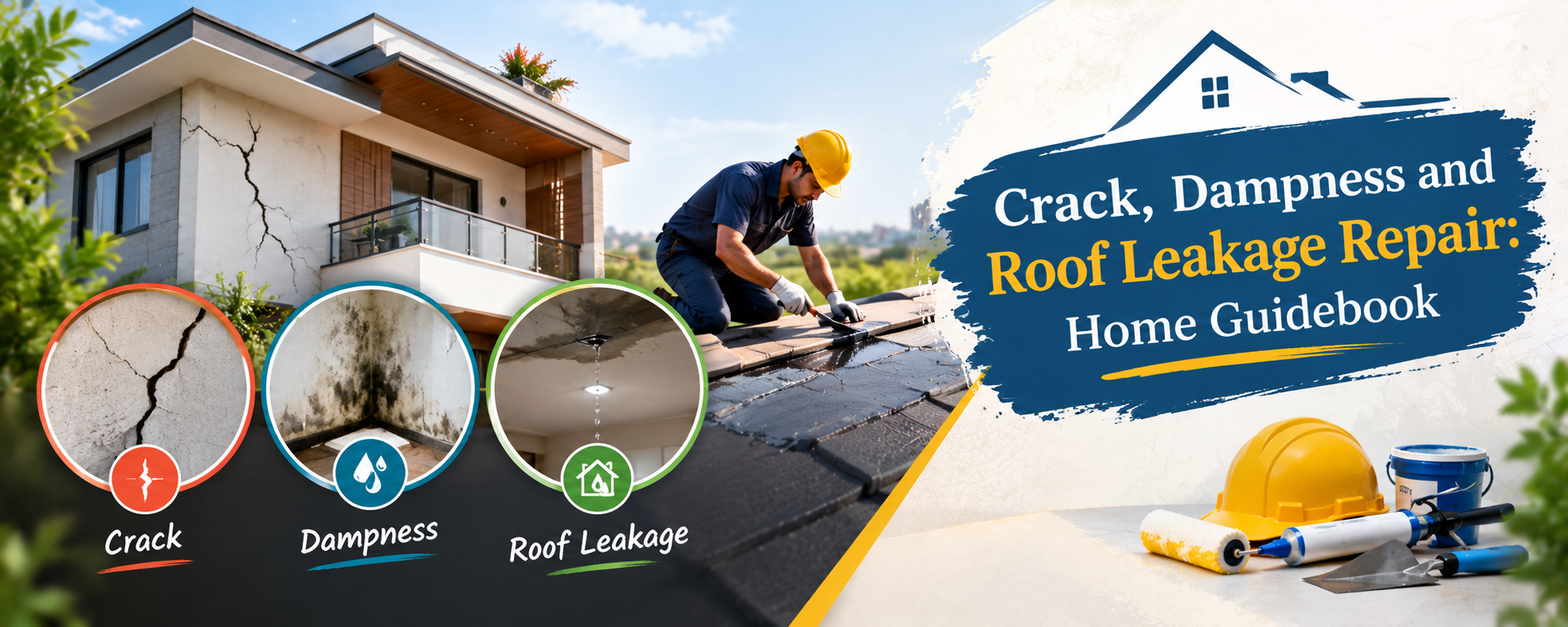

Why Do Beautifully Painted Walls Start Looking Damaged?
A freshly painted home can begin showing hairline cracks, bubbling paint, white powdery patches or damp marks within a few months. Sometimes the problem appears near a window; sometimes paint starts peeling at the bottom of a wall, or water stains spread across the ceiling after heavy rain.
These defects are not always caused by poor-quality paint. They may indicate plaster shrinkage, water leakage, trapped moisture, roof waterproofing failure or movement in the building. The right crack, dampness and roof leakage repair method depends on identifying the actual cause before choosing materials.
For homeowners, the practical goal is to stop recurring damage, protect the building and avoid paying repeatedly for the same repair.
1. Four Common Reasons Behind Cracks, Dampness and Peeling Paint
Reason 1: Plaster Shrinkage and Minor Surface Movement
Fine hairline cracks often develop when plaster dries, shrinks or is applied over an inadequately prepared surface. Poor curing, unsuitable mortar proportions and temperature changes can contribute. Small cracks may also appear around window corners or where different materials meet.
However, not every crack is harmless. Wide, growing or diagonal cracks, particularly around columns, beams and door openings, require professional assessment.

Reason 2: Water Entering Through the Roof or Exterior Walls
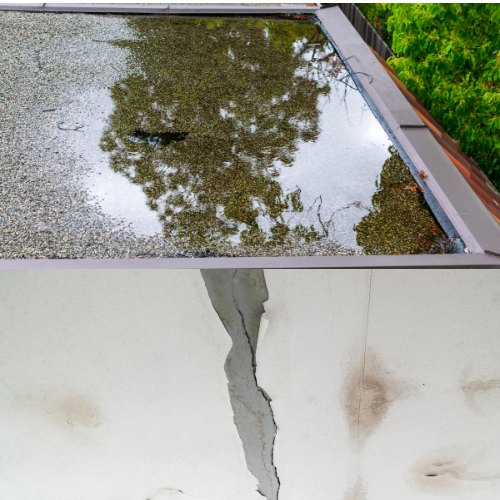
If ceiling patches become darker during rain, the terrace waterproofing, roof joints, parapet walls, drainage outlets or plumbing penetrations may be allowing water inside. Cracked exterior plaster and poorly sealed window joints can also let rainwater enter.
Applying fresh paint underneath the leak will hide the stain temporarily, but the mark is likely to return until the entry point is repaired.
Reason 3: Plumbing Leakage or Moisture Rising from the Ground
Damp patches near bathrooms, kitchens, water tanks and concealed pipes may indicate leakage. If moisture appears along the lower portion of a ground-floor wall, rising dampness, a failed damp-proof course or water collecting near the foundation may be responsible.
White powdery deposits, known as efflorescence, can appear when moisture carries soluble salts through masonry. Their presence is a useful clue, but it does not independently identify the source.
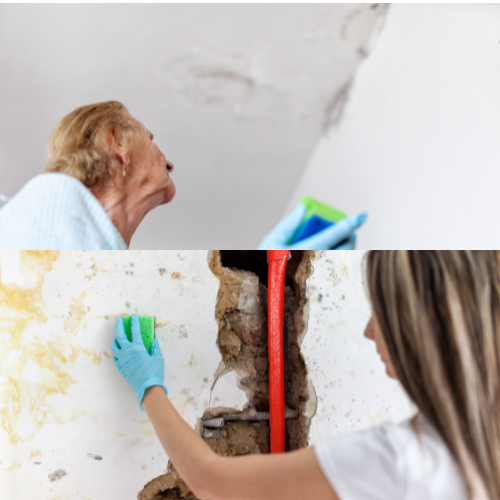
Reason 4: Poor Surface Preparation and Incompatible Finishes
Paint may blister, flake or peel when applied over dusty plaster, loose putty, damp walls or an unsuitable primer. Excessive moisture and salts can also weaken the bond between finishing layers.
A common mistake is to cover a damaged surface with additional putty and paint without removing the loose material. This produces a smooth appearance briefly, but the underlying defect remains.
2. Four Repair Solutions Based on the Actual Condition
Solution 1: Repair Minor, Stable Plaster Cracks
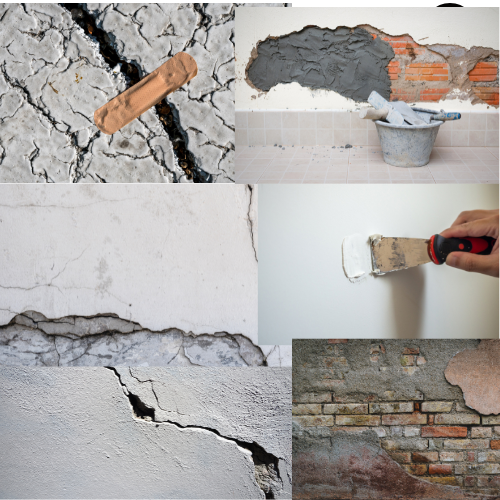
For small, non-moving cracks limited to plaster, remove loose paint and plaster, clean the crack and apply a suitable crack filler or repair mortar. Follow the manufacturer’s instructions regarding crack preparation, application thickness and drying time.
Products such as Asian Paints SmartCare Crack Fill Paste, Dr. Fixit Crack-X and Sika Cracksil are examples of products intended for certain types of plaster or wall cracks. Check each product’s current technical data sheet to confirm suitability for the specific crack width and location.
After the repair has dried or cured as specified, apply compatible primer and paint. If the crack returns, investigate movement, moisture or a junction between different materials instead of repeatedly filling it.
Important: Cracks through structural concrete, expanding cracks or cracks associated with visible displacement should be assessed by a qualified structural engineer before cosmetic repairs.
Solution 2: Treat Damp Walls and Peeling Paint
First, identify whether the moisture comes from outside rain, a plumbing leak, a wet-area joint or rising dampness. Repair the source before restoring the finish.
Remove blistered paint, loose putty and unsound plaster. Allow the area to dry as appropriate, and address salt deposits or damaged plaster using a method suitable for the wall. Where needed, apply a compatible waterproofing treatment or damp-resistant coating approved for that particular surface and moisture condition.
For mild surface dampness, a product such as Dr. Fixit Sureseal may be relevant where its stated application conditions are met. Asian Paints also offers interior waterproofing solutions with surface preparation, crack repair and coating options.
These coatings are not universal cures for active plumbing leaks or severe rising dampness. If the wall remains wet, repair the source and obtain a suitable diagnosis before repainting.
Solution 3: Waterproof a Leaking Terrace or Roof
If water appears on the ceiling after rain, inspect the roof for cracks, failed joints, ponding water, damaged waterproofing and blocked drainage outlets. A professional should assess the roof, including the parapet-wall junctions and pipe penetrations.
A long-lasting repair generally involves preparing the substrate, repairing cracks and weak concrete, forming suitable details at joints and applying a compatible waterproofing system. Depending on the roof and existing finish, this may involve a liquid-applied elastomeric coating, a cementitious system or a membrane.
For example, Dr. Fixit Roofseal is part of Dr. Fixit’s roof waterproofing range. Other systems from established construction-chemical manufacturers, including Sika, may be suitable depending on the substrate and exposure.
Do not select a roof coating only because it promises to cover cracks. Confirm that the complete system is appropriate for the roof, required film thickness, drainage conditions and local weather. A coating cannot compensate for severely damaged concrete or incorrect roof slope.
Solution 4: Restore the Surface with the Correct Paint System
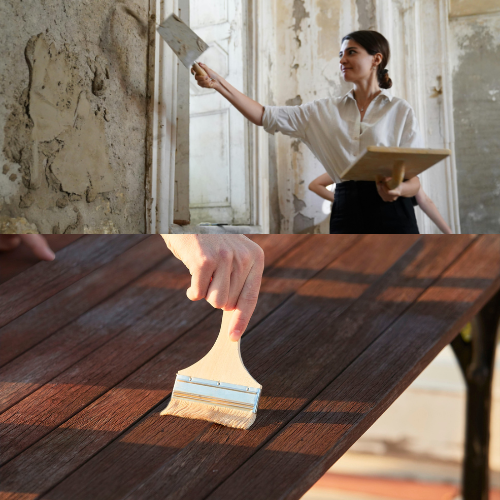
Once the source of moisture has been corrected and the substrate is sufficiently dry, rebuild the finish in the correct order. Remove loose material, repair the plaster, use a compatible primer and apply the selected paint according to the manufacturer’s instructions.
Choose an interior emulsion for suitable interior surfaces and a weather-resistant exterior coating for exposed walls. If salts or dampness continue to emerge, stop and investigate instead of adding more paint layers.
Allow repair products, plaster and waterproofing coatings to dry or cure for the specified period. Rushing the finishing stage is a frequent reason for recurring bubbles, flaking and discolouration.
3. Choosing Products According to Your Budget
The most economical option is not always the one with the lowest container price. Labour, surface preparation, access equipment and the cost of repeating failed work all affect the final expense.
| Budget level | Suitable approach | Material examples |
|---|---|---|
| Low budget | Small, stable plaster cracks or local paint damage with no active moisture | Compatible crack filler, basic repair mortar, suitable primer and standard paint |
| Mid-range | Repeated minor exterior dampness or weather-exposed wall defects after the source is identified | Exterior crack filler, compatible waterproofing coating and weather-resistant exterior paint |
| Higher budget | Persistent roof leakage, extensive wall dampness or widespread failed waterproofing | Professional inspection, substrate repairs and a complete compatible waterproofing system |
| Specialist repair | Growing structural cracks, major concrete deterioration or persistent rising dampness | Structural engineer or waterproofing specialist; engineered repair specification and suitable materials |
Product examples from recognised manufacturers include Dr. Fixit, Asian Paints SmartCare and Sika. These are examples, not a universal ranking of performance. The correct product depends on the substrate, moisture source and manufacturer’s approved application method.
Ask for an itemised quotation separating material, labour, surface preparation, scaffolding if required, testing and finishing. Compare the complete repair system rather than comparing only the price of waterproofing chemicals.
4. How to Recognise a Repair That May Fail Again
Be cautious if a contractor proposes painting over damp patches without investigating them, filling a moving crack with ordinary putty, or applying a roof coating over loose and dirty concrete.
A professional quotation should explain the suspected cause, the surface preparation, the repair material, the number of coats, the required curing period and the method of checking the result. For roof work, clarify how joints, drainage outlets and parapet junctions will be treated.
Ask for the product’s technical data sheet and written warranty terms where applicable. A product warranty may cover only specified coating failures under stated conditions; it should not be assumed to cover every building leak or structural defect.
5. When Should You Call a Professional?
Get a qualified structural engineer to inspect cracks that are widening, recurring rapidly, running diagonally through masonry, crossing structural members or accompanied by uneven floors or doors that suddenly stick. If there are signs of significant movement or falling material, keep people away from the affected area until it has been assessed.
For roof leakage, widespread dampness or suspected rising dampness, a competent waterproofing specialist can help trace the source and specify a suitable system. Electrical fittings exposed to water should be treated as a safety concern; avoid touching wet electrical equipment and have it checked by a qualified electrician.
Conclusion: Fix the Cause, Protect the Finish
Cracks, damp patches, peeling paint and roof leakage are different symptoms, and they do not all need the same chemical or repair method. Minor plaster cracks may need a compatible filler, while persistent dampness requires moisture diagnosis. Roof leaks often demand a complete waterproofing repair rather than another layer of paint.
The most reliable approach is to inspect the damage, correct the source, prepare the surface properly and apply compatible materials in the right sequence. A well-planned repair may cost more initially than a quick cosmetic patch, but it can reduce repeat work and help protect the long-term condition of the home.
Frequently Asked Questions
1. Why do cracks appear on newly plastered walls?
Plaster shrinkage, inadequate curing, poor surface preparation and movement at material junctions can contribute. Growing or wide cracks need assessment rather than routine filling.
2. What causes paint to peel from damp walls?
Moisture, soluble salts, loose plaster, poor surface preparation or incompatible coatings can weaken paint adhesion. Identify and correct the moisture source before repainting.
3. Which product is best for filling wall cracks?
For suitable minor, non-moving plaster cracks, products such as Dr. Fixit Crack-X, Asian Paints SmartCare Crack Fill Paste or Sika Cracksil may be options. Confirm the product’s approved crack width and application conditions.
4. Can waterproof paint permanently solve dampness?
Not in every situation. A coating may help with suitable surface moisture conditions, but active plumbing leaks, roof leaks and rising dampness generally require the underlying cause to be addressed.
5. How do I stop water leaking through a terrace roof?
Inspect drainage, cracks, joints, parapet junctions and existing waterproofing. Repair damaged areas and use a complete system suitable for the roof’s condition, with professional help where needed.
6. Why does white powder appear on damp walls?
It may be efflorescence, caused by soluble salts carried to the surface by moisture. The moisture source must be investigated before the wall is refinished.
7. Is cement enough to repair a wall crack?
Not always. Ordinary cement mortar may be unsuitable for fine cracks or cracks that continue moving. Use a compatible repair material for stable plaster cracks, and seek specialist advice for structural or recurring cracks.
8. Which companies offer home waterproofing products in India?
Dr. Fixit by Pidilite, Asian Paints SmartCare and Sika offer products for certain crack repair and waterproofing applications. Select by technical suitability and follow the current product instructions rather than relying on brand name alone.
9. Should I repaint a wall immediately after waterproofing?
No. Allow the repair and waterproofing materials to cure as specified, and ensure the wall is suitable for the chosen primer and paint. Trapped moisture can cause new peeling or blistering.
10. How can I reduce repair costs without compromising quality?
Identify the cause early, repair only after proper inspection, compare itemised quotations and use the correct material for the defect. Avoid repeated cosmetic painting over active leaks, which can increase the total cost over time.