
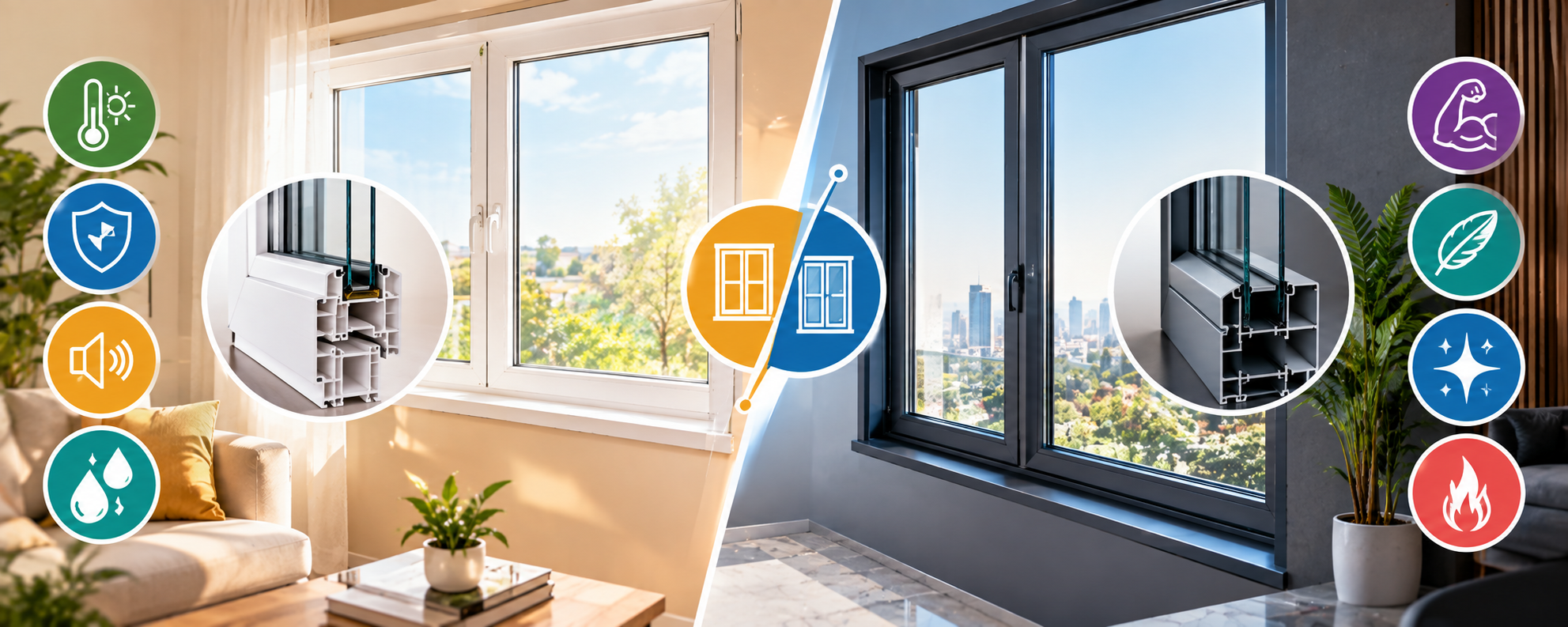

Choosing the right windows is an important part of planning a modern home. Windows influence natural light, ventilation, indoor temperature, noise levels, security, and the overall appearance of a building. Among the popular options available today, UPVC and aluminium windows are widely used in residential construction. Both offer practical benefits, but their performance differs depending on the home’s design, location, budget, and requirements.
Understanding the difference between UPVC vs aluminium windows can help homeowners make a suitable decision before construction or renovation begins. Instead of selecting a window based only on its appearance or initial price, it is important to consider insulation, durability, maintenance, frame design, and long-term value.
What Are UPVC Windows?

UPVC stands for unplasticised polyvinyl chloride, a rigid material commonly used for modern window and door frames. UPVC windows are designed to resist moisture, corrosion, and many common weather conditions. They are available in different styles, including sliding, casement, tilt-and-turn, and fixed windows, depending on the manufacturer.
One of the main advantages of UPVC is its insulating performance. The frame generally transfers less heat than conventional metal frames, helping reduce heat movement between the indoor and outdoor environment. When combined with suitable glazing and properly sealed installation, UPVC windows can help maintain a more comfortable indoor temperature and reduce outside noise.
UPVC frames are also relatively easy to maintain. They do not require regular painting, although periodic cleaning and inspection of seals and hardware are still necessary to keep them functioning properly.
What Are Aluminium Windows?
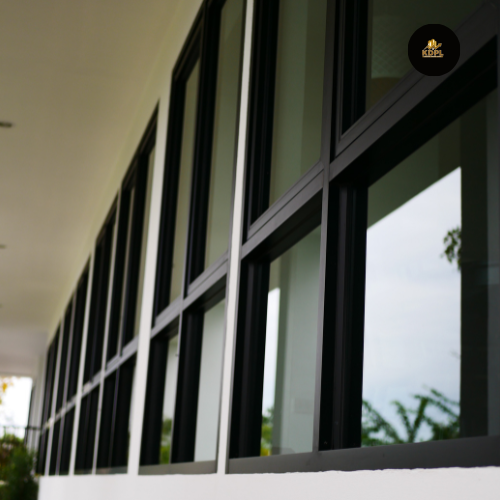
Aluminium windows use lightweight metal frames that are known for their strength, stability, and contemporary appearance. Aluminium can support large glass panels and relatively slim frame profiles, making it a popular choice for modern homes with wide windows, expansive views, and minimalist architectural designs.
Aluminium is naturally resistant to corrosion when appropriately finished, such as with powder coating or anodising. Quality aluminium window systems can offer long service life, particularly when selected according to the building’s exposure to weather and environmental conditions.
However, aluminium conducts heat more readily than UPVC. To improve thermal performance, many modern aluminium systems include a thermal break, which is an insulating barrier between the inner and outer parts of the frame. The actual insulation performance depends on the complete window system, including its frame design, glazing, seals, and installation.
Difference in Thermal Insulation
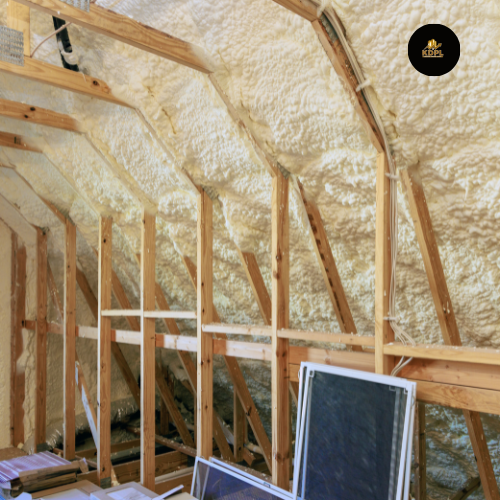
Thermal insulation is an important consideration, especially in regions that experience hot summers or significant temperature variation. UPVC frames generally provide better insulation than standard aluminium frames because the material does not conduct heat as readily.
This can help reduce heat transfer through the frame and support indoor comfort. However, the overall thermal performance also depends on the type of glass, window size, frame construction, airtightness, and installation quality.
Aluminium windows with thermal breaks can significantly improve insulation compared with non-thermally broken systems. Homeowners should check the technical specifications of the complete window rather than assuming that every UPVC or aluminium product performs the same way.
Durability and Weather Resistance
Both UPVC and aluminium windows can provide good durability when manufactured and installed correctly. UPVC does not rust and is resistant to moisture, making it suitable for many residential environments. However, lower-quality UPVC products may discolour, become brittle, or deform under prolonged exposure to intense heat or poor manufacturing conditions.
Aluminium frames are strong and dimensionally stable, making them suitable for large openings and applications where slim profiles are preferred. Their protective surface finish helps resist corrosion, but scratches or damage to the finish may require attention, especially in harsh environments.
The expected lifespan of either material depends on product quality, exposure, hardware, maintenance, and installation. Choosing a reliable manufacturer and a suitable system for the local climate is more important than relying on material names alone.
Design and Appearance
UPVC and aluminium windows offer different design possibilities. UPVC frames are usually thicker because of the material’s construction and reinforcement requirements. They are available in different colours and finishes, including wood-effect options, although the range varies by manufacturer.
Aluminium windows can accommodate slim profiles and larger glass areas because of the material’s strength. This makes them suitable for contemporary homes that emphasize open views, natural light, and clean architectural lines. They are available in various powder-coated colours and finishes.
The right option depends on the architectural style of the house, the size of the openings, and the visual effect the homeowner wants to achieve. Both materials can complement modern residential designs when selected thoughtfully.
Cost and Long-Term Value
The cost of UPVC and aluminium windows varies according to frame quality, profile design, glazing, hardware, opening style, finish, and installation requirements. In many markets, standard UPVC windows may have a lower initial cost than comparable aluminium systems, but this is not a universal rule.
Aluminium windows, particularly systems with thermal breaks or specialized slim profiles, can have a higher upfront cost. However, they may be appropriate for larger openings or designs that require additional frame strength.
Homeowners should compare quotations based on the same specifications. This includes the glass type, frame series, hardware, locking mechanism, mosquito mesh, seal quality, installation, and warranty. A lower initial price may not represent better long-term value if important components or installation services are excluded.
Maintenance Requirements
UPVC windows generally require simple cleaning with a soft cloth and mild detergent. Their frames do not need routine painting, but drainage channels, rubber gaskets, locks, and hinges should be inspected periodically.
Aluminium windows are also relatively low-maintenance. Their coated surfaces can be cleaned using mild solutions, while tracks, seals, hinges, and locking systems need regular inspection. Abrasive cleaners should be avoided because they may damage the finish.
For both types, good maintenance includes keeping drainage openings clear, checking for damaged seals, and ensuring that moving parts operate smoothly. Timely attention can help prevent water leakage, air gaps, and operational problems.
Noise Reduction and Security
Both UPVC and aluminium windows can help reduce outside noise when fitted with suitable glazing and effective seals. The level of sound insulation depends on factors such as glass thickness, laminated or acoustic glazing, air gaps, frame design, and the quality of installation. Neither material automatically guarantees soundproofing.
Security also depends on the complete window system. Strong frames, reliable locks, appropriate hardware, reinforced sections where needed, and secure installation all contribute to resistance against forced entry. Homeowners should select products with suitable locking systems and consider the ground-floor location and accessibility of each window.
Which Windows Should You Choose for Your Home?
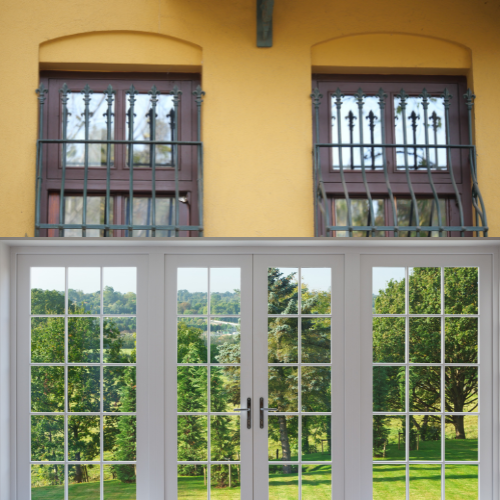
UPVC windows may suit homeowners who prioritize thermal insulation, low maintenance, and a practical option for standard residential openings. They can be considered for bedrooms, living rooms, and other areas where suitable frame dimensions and glazing meet the design requirements.
Aluminium windows may be suitable for homes with large window openings, contemporary façades, and designs that require slim frames or greater structural stability. Thermally broken aluminium systems are worth considering where improved insulation is important.
There is no single option that is ideal for every house. A combination of both materials may also be appropriate, depending on the room, opening size, climate exposure, and design priorities. The final choice should be made after reviewing product specifications and consulting the architect or window specialist.
Conclusion
The choice between UPVC and aluminium windows depends on the priorities of the homeowner and the design of the house. UPVC generally offers good insulation and easy maintenance, while aluminium provides strength, slim profiles, and flexibility for larger glass openings. Product quality, glazing, hardware, weather exposure, and professional installation all affect the final performance.
Comparing complete window systems instead of focusing only on the frame material helps homeowners make a practical, informed decision for a comfortable and durable modern home.
FAQs
1. Are UPVC windows better than aluminium windows?
Neither is universally better. UPVC generally provides good thermal insulation, while aluminium offers strength and slim frame profiles. The right choice depends on the home’s design, budget, climate, and performance requirements.
2. Which windows are more suitable for hot climates?
UPVC can offer good insulation because it transfers less heat through the frame. Thermally broken aluminium can also provide improved thermal performance. Glazing, sealing, orientation, and installation are equally important.
3. Do aluminium windows last longer than UPVC windows?
Both can last for many years when they are manufactured well and properly installed and maintained. Their lifespan depends on material quality, surface finish, weather exposure, hardware, and upkeep.
4. Are UPVC windows suitable for large openings?
UPVC can be used for different window sizes, but larger openings may require reinforced profiles and careful system selection. Aluminium may be more suitable for some large spans because of its strength.