


How to Choose the Right Contractor: A Complete Homeowner's Guide
Building a home is one of the biggest investments you’ll ever make. While selecting quality materials and a great design is important, the success of your project largely depends on one crucial decision—how to choose the right contractor. A skilled and trustworthy contractor can turn your dream home into reality, while the wrong choice can lead to delays, budget overruns, poor workmanship, and endless stress.
Many homeowners select a contractor based only on the lowest quotation or a recommendation from a friend. However, these factors alone are not enough to ensure a successful project. To Choose the Right Contractor, you need to evaluate experience, technical expertise, communication skills, transparency, and reliability.
This guide will walk you through the essential steps to help you hire a contractor who delivers quality construction, stays within budget, and completes your project on time.
Why Choosing the Right Contractor Matters
A contractor is responsible for managing labor, coordinating materials, supervising construction, and ensuring the work meets the approved plans and quality standards.
When you Choose the Right Contractor, you benefit from:
- High-quality workmanship
- Better project management
- Timely completion
- Transparent pricing
- Proper use of construction materials
- Compliance with building regulations
- Reduced risk of costly mistakes
On the other hand, hiring an inexperienced or unreliable contractor can result in structural defects, financial losses, and unnecessary delays.

. Verify Experience and Expertise
Experience is one of the first things you should consider.
Ask questions such as:
- How many years have you been in construction?
- What types of projects have you completed?
- Do you specialize in residential construction?
- Have you built homes similar to mine?
A contractor with proven experience is more likely to anticipate challenges and provide effective solutions throughout the project.
2. Review Previous Projects
One of the best ways to Choose the Right Contractor is by evaluating their previous work.
Request:
- Project photographs
- Site visit opportunities
- Client references
- Before-and-after project images
Visiting completed projects allows you to assess construction quality, finishing standards, and attention to detail.
3. Check Licenses and Certifications
Always ensure the contractor operates legally.
Ask for:
- Business registration
- Required licenses
- Tax registration
- Insurance coverage
- Relevant certifications
Hiring a licensed contractor provides greater confidence that they follow industry standards and local building regulations.
4. Read Customer Reviews and Testimonials
Online reviews can reveal valuable information about a contractor’s reputation.
Look for feedback regarding:
- Quality of work
- Professional behavior
- Communication
- Timely completion
- Budget management
- Problem-solving ability
While no contractor will have perfect reviews, consistent positive feedback is a good sign.
5. Request a Detailed Quotation
Price should never be the only deciding factor.
Instead of choosing the cheapest quotation, compare what each contractor includes.
A professional quotation should clearly mention:
- Material specifications
- Labor charges
- Construction stages
- Payment schedule
- Project timeline
- Taxes
- Additional costs
A transparent estimate helps prevent misunderstandings later.
6. Understand the Construction Timeline
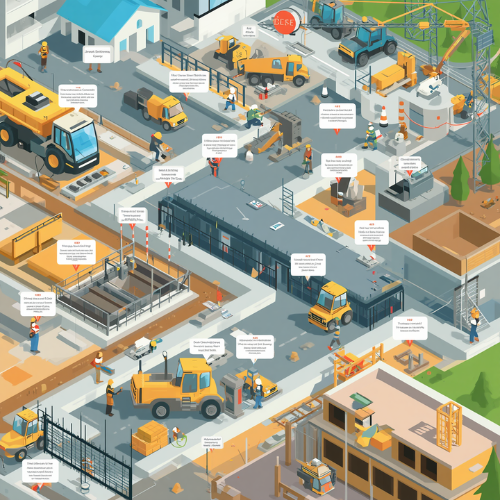
Before signing an agreement, discuss the expected project schedule.
Ask:
- When will construction begin?
- What is the estimated completion date?
- How will delays be handled?
- How often will progress updates be shared?
A realistic timeline demonstrates professional planning and commitment.
7. Evaluate Communication Skills
Good communication is essential for every construction project.
When you Choose the Right Contractor, observe whether they:
- Listen carefully to your requirements
- Answer questions clearly
- Explain technical concepts simply
- Respond promptly
- Provide regular updates
A contractor who communicates effectively is easier to work with throughout the project.
8. Never Skip the Written Contract
A written agreement protects both the homeowner and the contractor.
The contract should include:
- Scope of work
- Material specifications
- Project timeline
- Payment terms
- Warranty details
- Change order process
- Responsibilities of both parties
Never rely on verbal promises alone.
9. Ask About Quality Control
Quality construction requires regular supervision.
Ask your contractor:
- Who will supervise the site daily?
- How is material quality checked?
- How are construction errors corrected?
- What quality standards do you follow?
Professional contractors have clear quality control procedures at every stage of construction.
10. Understand the Payment Schedule
Avoid paying the full amount in advance.
Instead, use milestone-based payments linked to project progress, such as:
- Foundation completion
- Structural work
- Roofing
- Brickwork
- Plastering
- Finishing work
This approach protects your investment and encourages timely completion.
Common Mistakes Homeowners Make
Many construction problems arise because homeowners make avoidable mistakes.
Common examples include:
- Choosing the lowest bidder without comparing quality
- Ignoring previous project experience
- Not checking references
- Skipping a written contract
- Paying too much money upfront
- Failing to inspect work regularly
- Not discussing project timelines
Avoiding these mistakes will help you Choose the Right Contractor with greater confidence.
Questions to Ask Before Hiring a Contractor
Before making your final decision, ask these important questions:
- How many similar homes have you completed?
- Can you provide references from previous clients?
- What brands of construction materials do you recommend?
- How do you manage unexpected site challenges?
- Who will supervise the project every day?
- What warranty do you provide after project completion?
- How will changes in design or scope be handled?
The answers will help you assess professionalism, transparency, and technical knowledge.
Final Thoughts
Knowing how to Choose the Right Contractor is one of the most important steps in building your dream home. A reliable contractor does much more than manage labor—they ensure quality workmanship, coordinate construction activities, maintain project timelines, and help protect your investment.
While it may be tempting to focus only on the lowest quotation, true value comes from experience, transparency, quality, and professionalism. Taking the time to verify credentials, inspect previous work, compare detailed estimates, and establish a clear contract can save you from expensive mistakes later.
Remember, your home is built only once, but the decision to Choose the Right Contractor will influence its quality, safety, and durability for many years. Invest wisely, ask the right questions, and partner with a contractor who shares your commitment to excellence.