

Design for the Next Owner: Interior Planning That Still Looks Modern After 20 Years
Interior design trends change almost every year. One season brings bold colors and dramatic textures, while the next favors minimalism and neutral tones. Many homeowners spend a significant amount on fashionable interiors only to discover that their home feels outdated within a decade.
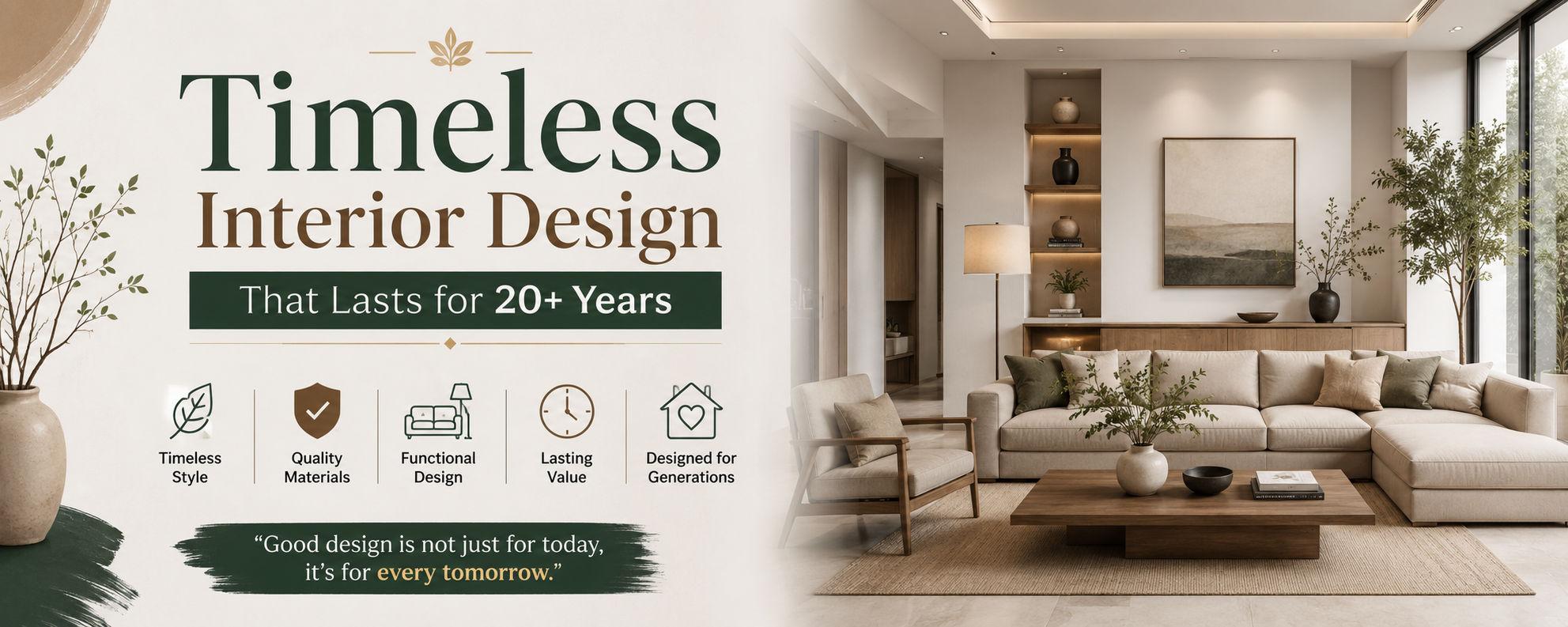
The secret to a beautiful home is not following every trend—it is embracing timeless interior design. A thoughtfully planned interior remains functional, elegant, and adaptable even as lifestyles, technology, and family needs evolve. Whether you live in your home for decades or eventually sell it, timeless design increases comfort, reduces renovation costs, and adds long-term value.
This guide explores practical interior planning principles that help a home stay modern and appealing for more than 20 years.
1. Design Around Lifestyle, Not Trends
2. Choose Neutral Foundations
The most successful interiors are built around how people actually live.
Instead of copying a showroom or social media inspiration, consider your family’s daily routines. Think about how you cook, work, entertain guests, relax, and store belongings.
An interior designed for everyday functionality naturally remains useful for years, while trend-driven designs often become inconvenient once lifestyles change.
When planning your home, prioritize comfort, accessibility, and efficient use of space over decorative features that may lose popularity.
Bold colors can be exciting, but they often define a particular design era.
A timeless home begins with neutral foundations such as soft whites, warm beige, light gray, natural wood tones, or muted earth colors.
Neutral walls, flooring, and cabinetry create a flexible backdrop that allows furniture, artwork, and décor to change over time without requiring a complete renovation.
Small decorative updates can refresh the appearance of a room while preserving the original interior investment.
3. Invest in Quality Materials
Timeless interior design depends as much on durability as it does on aesthetics.
Choosing high-quality materials means they continue looking attractive despite daily use.
Examples include:
- Engineered wood or natural hardwood flooring
- Quartz or granite countertops
- Solid-core doors
- Moisture-resistant plywood
- High-quality laminates
- Durable hardware and fittings
Quality materials not only last longer but also require less maintenance and fewer replacements.
4. Plan Flexible Room Layouts
Modern lifestyles continue to evolve.
A guest room may become a home office. A study may transform into a nursery. A dining area may serve as a workspace.
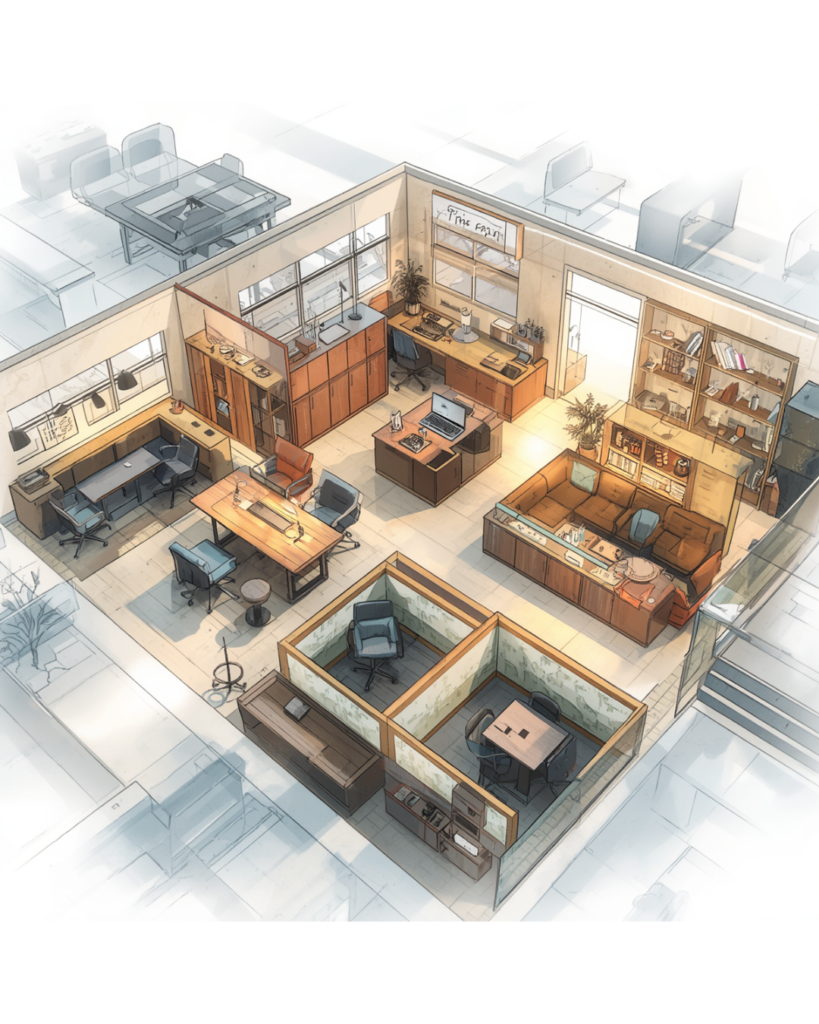
Flexible room layouts allow spaces to adapt without major structural changes.
Avoid permanent partitions whenever possible and leave room for future furniture rearrangements. Multipurpose spaces provide greater value than rooms designed for only one activity.
5. Lighting Should Be Layered
6. Prioritize Smart Storage
Lighting dramatically influences how an interior feels.
Instead of relying on one ceiling light, combine multiple lighting layers.
Include:
- Ambient lighting for general illumination
- Task lighting for workspaces
- Accent lighting to highlight architectural features
- Decorative lighting for visual appeal
Layered lighting improves comfort and allows the atmosphere to change according to different activities without redesigning the room.
Clutter quickly makes even the most beautiful interior appear outdated.
A timeless home includes storage that grows with the family.
Consider:
- Floor-to-ceiling wardrobes
- Hidden storage beneath beds
- Built-in shelving
- Kitchen pantry systems
- Utility cabinets
- Organized entry storage
Effective storage maintains clean, open spaces while supporting changing household needs.
7. Future-Proof Your Electrical Planning
Technology evolves rapidly.
During construction or renovation, include additional electrical outlets, USB charging points, internet connections, and empty conduits for future wiring upgrades.
Preparing for smart home systems, electric appliances, and entertainment devices reduces future renovation costs while keeping the home technologically relevant.
Good planning today prevents unnecessary wall cutting tomorrow.
8. Select Furniture That Ages Gracefully
Furniture trends come and go, but timeless pieces remain attractive for decades.
Choose simple designs with balanced proportions rather than highly decorative styles.
Quality sofas, dining tables, and storage furniture built from durable materials often outlast fashionable alternatives.
Replacing accessories is much easier than replacing large furniture pieces.
9. Design Kitchens for Functionality
The kitchen is one of the hardest spaces to renovate.
A timeless kitchen emphasizes efficient workflow rather than fashionable finishes.
Follow the classic work triangle between the sink, refrigerator, and cooking area.
Provide generous countertop space, accessible storage, quality ventilation, and sufficient lighting.
A practical kitchen continues serving families effectively regardless of changing design trends.
10. Create Bathrooms That Stay Practical
Bathrooms should prioritize safety, durability, and maintenance.
Large-format tiles, anti-slip flooring, wall-mounted fixtures, efficient ventilation, and accessible plumbing reduce long-term maintenance while keeping the space visually clean.
Neutral finishes also make future upgrades much easier.
11. Incorporate Natural Elements
Natural materials rarely go out of style.
Wood, stone, indoor plants, linen fabrics, and natural textures create warmth and visual balance.
These materials complement both traditional and contemporary interiors, allowing the home to evolve without appearing dated.
Natural light also plays an essential role in timeless design by enhancing colors, reducing energy consumption, and improving occupant well-being.
Common Mistakes That Make Interiors Feel Outdated
Many interiors lose their appeal because they rely too heavily on short-lived trends.
Common mistakes include:
- Excessive decorative wall treatments
- Trend-specific colors throughout the home
- Poor lighting design
- Limited storage
- Fixed furniture layouts
- Low-quality materials
- Insufficient electrical planning
- Ignoring natural ventilation
Avoiding these mistakes helps preserve both beauty and functionality.
A truly successful interior is one that still feels comfortable, elegant, and practical decades after it is completed. Timeless interior design is not about avoiding creativity—it is about making thoughtful decisions that stand the test of time.
By focusing on flexible layouts, durable materials, neutral foundations, smart storage, layered lighting, and future-ready infrastructure, you create a home that adapts to changing lifestyles without requiring constant renovations.
Whether you plan to live in your home for a lifetime or eventually pass it on to the next owner, timeless design is an investment that continues delivering value, comfort, and style for years to come.
Rather than chasing every new trend, build an interior that evolves gracefully. The most beautiful homes are not those that follow fashion—they are the ones that remain functional, welcoming, and modern for generations.