
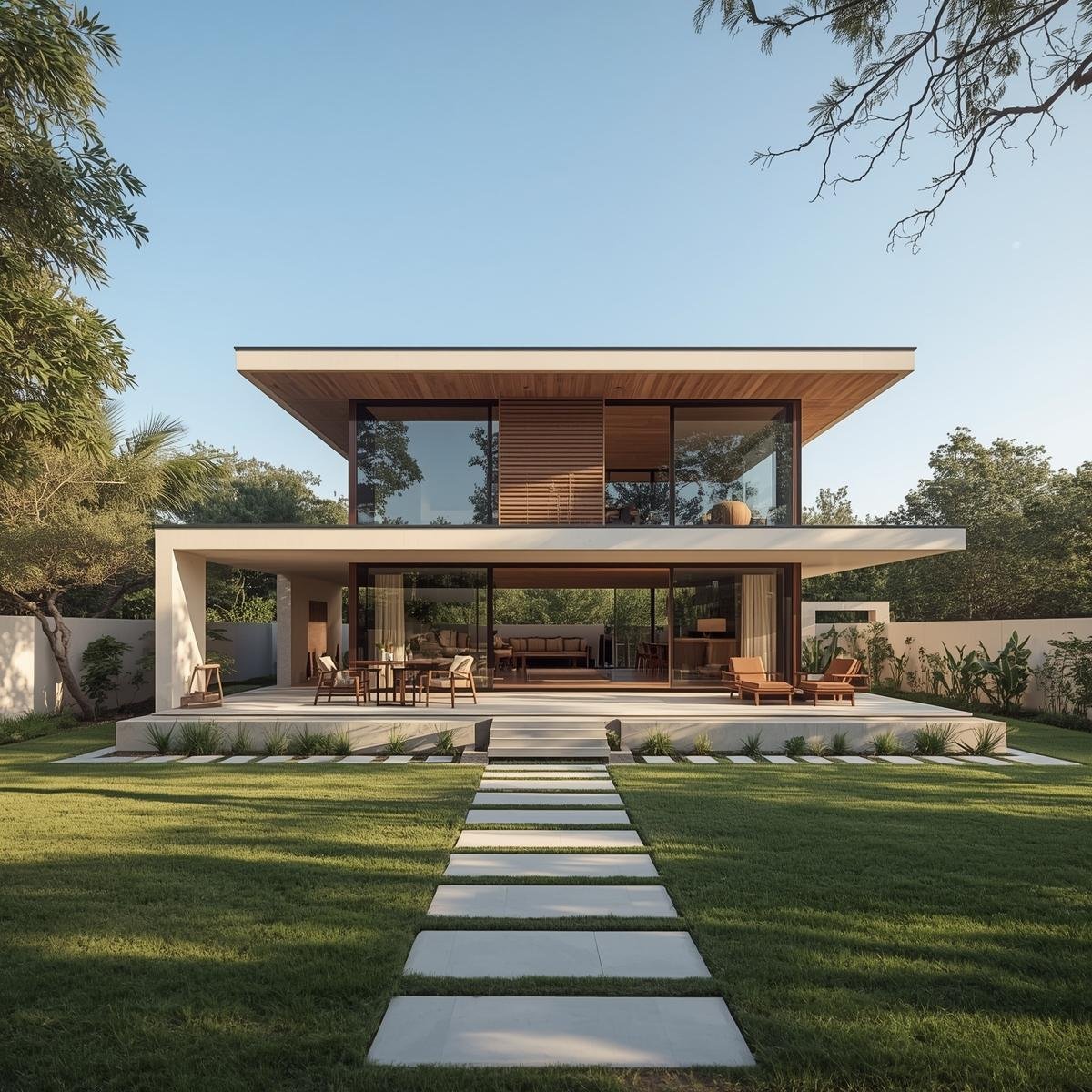

Why Vastu Matters in Modern Interior Design
In today’s fast-paced urban lifestyle, every homeowner dreams of living in a space that radiates peace, health, and prosperity. While aesthetics play an essential role, the ancient science of Vastu Shastra adds an invisible layer of energy balance and harmony.
In this detailed guide, we share Vastu tips for interior design in homes that blend traditional wisdom with modern architecture. As Vastu experts, we’ll help you identify imbalances, provide practical solutions, and guide you in creating interiors that are both beautiful and spiritually aligned.
Whether you are designing a new home or renovating an existing one, these Vastu tips for interior design can bring balance to your space and enhance your well-being.
Understanding Vastu Shastra in Modern Context
Vastu Shastra is an ancient Indian architectural science that harmonizes the five natural elements — Earth, Water, Fire, Air, and Space — to create balanced living spaces. The goal is to ensure that energy flows freely in all directions, bringing health, happiness, and prosperity.
When integrated with modern design, Vastu tips for interior design help homeowners make informed choices about layout, color, material, and direction. Proper alignment of rooms, furniture, and décor ensures positivity and reduces stress and conflict within the household.
2. Importance of Vastu in Interior Planning
You might ask — why are Vastu tips for interior design so essential? Because even the most beautiful homes can feel heavy, chaotic, or unsettling if energy isn’t balanced.
The key benefits include:
- Enhanced peace and positivity within the home.
- Improved health and relationships among family members.
- Attracting financial prosperity and stability.
- Encouraging mental focus and clarity.
Professional architects and interior designers increasingly incorporate Vastu tips for interior design into every aspect — from lighting to wall color — to ensure spaces not only look elegant but also feel harmonious.
3. Vastu Tips for Interior Design in Living Room
Your living room is the heart of your home — a space for connection, relaxation, and hospitality. Proper Vastu alignment in this area ensures joy and positive energy flow.
Here are expert Vastu tips for interior design for your living room:
- Direction: The living room should ideally face north, east, or northeast. These directions attract sunlight and positive vibrations.
- Furniture placement: Keep heavy furniture like sofas in the southwest or west direction.
- Television & electronics: Place them in the southeast corner — governed by the Fire element.
- Mirrors: Avoid placing mirrors directly opposite the main door, as they reflect energy outwards.
- Color palette: Use light shades of beige, cream, or soft yellow to maintain calmness and positivity.
Following these Vastu tips for interior design ensures that your living room becomes a hub of happiness and good fortune.
4. Vastu Tips for Interior Design in Bedroom
Bedrooms are personal sanctuaries. They represent rest, rejuvenation, and relationships. Energy imbalances in this space can disturb sleep, harmony, and emotional balance.
Expert Vastu tips for interior design for bedrooms include:
- Master bedroom: Should be in the southwest direction for stability and strength.
- Bed placement: The head of the bed should face south or east for better sleep quality.
- Mirrors: Never place a mirror opposite the bed; it can cause restlessness.
- Colors: Use soft tones like light blue, lavender, or pastel pink for peaceful energy.
- Lighting: Warm, soothing lights help maintain serenity.
When designed as per these Vastu tips for interior design, the bedroom nurtures love, relaxation, and emotional balance.
5. Vastu Tips for Interior Design in Kitchen
In Vastu, the kitchen represents Agni (Fire) — the element of vitality and health. Its placement and arrangement deeply influence the family’s wellness and prosperity.
Key Vastu tips for interior design for kitchens include:
- Ideal direction: Southeast is the best direction for the kitchen. Alternatively, northwest is acceptable.
- Cooking stove: Should always face east, ensuring positive energy while cooking.
- Sink placement: Water (sink) and fire (stove) should not be side-by-side to avoid elemental conflict.
- Colors: Opt for bright shades like orange, red, or yellow to stimulate appetite and positivity.
- Storage: Keep grains and utensils in the southwest or west area for abundance.
These Vastu tips for interior design ensure that your kitchen becomes the true powerhouse of your home.
6. Vastu Tips for Interior Design in Bathroom
Bathrooms are often neglected, yet they are vital in Vastu since they represent water flow and cleansing.
Practical Vastu tips for interior design for bathrooms:
- Location: Place bathrooms in the northwest or west direction. Avoid northeast and southwest.
- Toilet seat: Should face north or south, never east.
- Colors: Use light tones like white, cream, or sky blue for cleanliness and calmness.
- Ventilation: Ensure proper airflow to prevent stagnant energy.
By following these Vastu tips for interior design, you can transform your bathroom into a refreshing, energetically balanced space.
7. Vastu Tips for Interior Design in Dining Area
The dining area reflects family bonding and abundance. Vastu-compliant dining spaces promote nourishment and unity.
Expert Vastu tips for interior design include:
- Direction: The dining room should be located in the west, east, or south direction.
- Seating: The head of the family should face east while eating.
- Decor: Avoid clutter, and use fresh flowers or paintings of food and nature to attract prosperity.
- Lighting: Warm, ambient lights create harmony and appetite.
These Vastu tips for interior design align your dining area with health, happiness, and abundance.
8. Vastu Tips for Interior Design in Study Room
For focus, learning, and success, your study or home office must follow directional harmony.
Key Vastu tips for interior design:
- Location: The study area should be in the northeast, east, or north direction.
- Desk placement: Face east or north while studying or working.
- Bookshelf: Should be on the south or west wall — avoid cluttered or uneven stacks.
- Lighting: Use natural light or white LED for concentration.
By applying these Vastu tips for interior design, you can enhance focus, learning, and success in academics or career.
9. Colors & Materials: The Vastu Perspective
Colors have immense power in influencing mood and energy. Choosing them wisely forms a major part of Vastu tips for interior design.
Element | Suitable Colors | Effect |
Earth | Beige, Light Brown | Stability |
Water | Blue, Black | Calmness |
Fire | Red, Orange | Energy |
Air | White, Light Green | Freshness |
Space | Violet, Gray | Expansion |
Vastu experts suggest avoiding overly dark shades in living areas. Natural materials like wood, marble, and stone also help maintain energetic balance. These combinations ensure your interiors are not just stylish but energetically pure.
10. Common Vastu Problems & Their Expert Solutions
Even well-designed homes can sometimes face Vastu-related issues due to existing layouts. Here are some common imbalances and Vastu tips for interior design solutions:
Problem | Vastu Solution |
Toilet in northeast direction | Place a Vastu pyramid or copper wire remedy; use light yellow paint |
Bedroom in southeast (fire zone) | Use green curtains, keep water bowl, avoid red décor |
Kitchen in north | Shift stove direction east; use orange or red décor for balance |
Mirror facing main door | Cover it or reposition to avoid reflecting energy out |
Main door facing south | Use Vastu yantra above door; keep light burning near entrance |
These Vastu tips for interior design not only correct imbalances but also attract positive vibrations back into your home.
11. Lighting and Energy Flow
Lighting plays a major role in amplifying or obstructing energy flow. One of the most important Vastu tips for interior design is ensuring balanced illumination in every area.
- Natural light from east-facing windows is auspicious.
- Yellow or warm white lights bring comfort to living spaces.
- Avoid flickering bulbs — they disrupt energy flow.
- Place lamps in the southeast to activate the Fire element.
Proper lighting, when aligned with Vastu, creates warmth, vitality, and peace in every room.
12. Vastu for Entrance and Interiors
The entrance is where energy enters your home — it defines your life’s opportunities.
Key Vastu tips for interior design for entrances include:
- Main door direction: North, east, or northeast is ideal.
- Keep the entrance well-lit and clutter-free.
- Avoid placing shoe racks or dustbins near the door.
- Decorate with plants or torans for positive vibrations.
Once the energy enters through a positive entrance, it flows throughout interiors, amplifying the effects of your Vastu tips for interior design efforts.
13. Vastu Tips for Interior Design in Apartments
Even in modern apartments where layout options are limited, Vastu can be balanced through smart interior solutions.
- Use mirrors, crystals, or lighting to enhance directional energy.
- Choose color palettes that align with Vastu elements.
- Avoid heavy storage in the north or northeast corners.
- Keep balcony areas open and well-ventilated.
With these practical Vastu tips for interior design, even compact urban homes can maintain energetic harmony.
14. Role of Experts in Implementing Vastu for Interiors
While online information is helpful, personalized analysis from a Vastu expert is crucial. Experts assess energy grids, plot orientation, and internal flow before giving specific guidance.
Professionals offering interior design services, architectural planning, and construction consultation can integrate Vastu tips for interior design seamlessly into blueprints and décor plans — ensuring long-term harmony without compromising aesthetics.
15. Final Expert Advice: Creating Balanced, Beautiful Homes
As Vastu experts, our final recommendation is simple — blend design with energy. Don’t treat Vastu as superstition; treat it as environmental psychology. Every wall, window, and color influences mood and prosperity.
Follow these Vastu tips for interior design consistently, and you’ll notice positive changes in health, happiness, and relationships.
Balance isn’t about perfection — it’s about harmony. Let your interiors reflect that.
Conclusion: Build Peace and Prosperity from Within
Your home is not just a structure; it’s a living entity. The alignment of directions, elements, and energy defines how life flows within it. Implementing the right Vastu tips for interior design in homes ensures your space nurtures peace, creativity, and abundance.
Whether you’re building anew or remodeling, consult experts who combine modern architecture with ancient science. When your interiors resonate with the laws of nature, everything else falls into harmony.
FAQs: Vastu Tips for Interior Design
Can modern homes follow Vastu without compromising on style?
Absolutely. Modern materials and layouts can easily adapt to Vastu tips for interior design without losing aesthetics.
How do I fix Vastu issues without renovation?
Simple remedies like mirrors, lights, or Vastu pyramids can balance energy without major changes.
Does color really affect Vastu?
Yes. Each color vibrates with a specific energy frequency that impacts emotions and prosperity.
Can Vastu apply to apartments or flats?
Yes, energy corrections and directional balancing can be done through smart décor choices.