
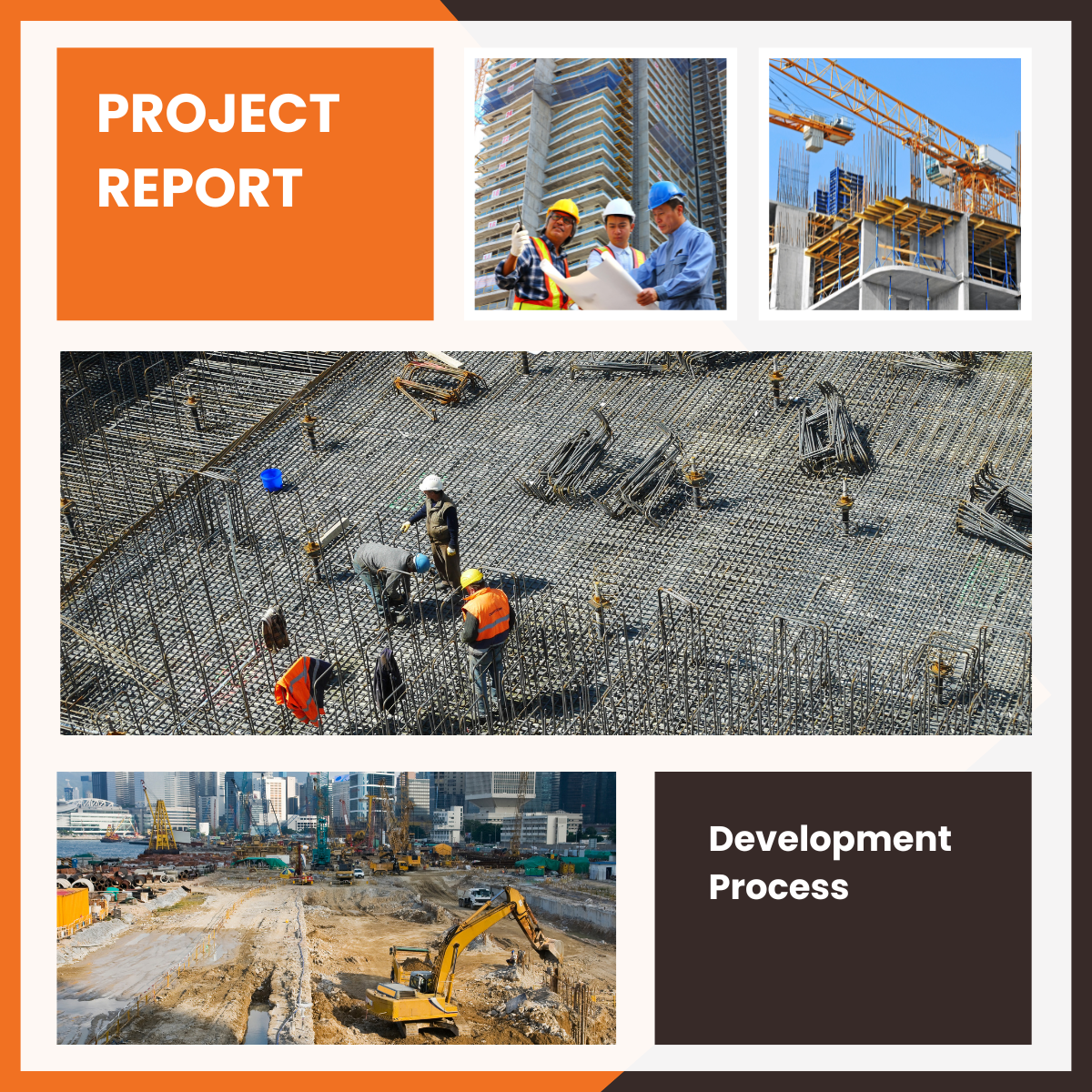

Anyone who has been part of a large construction project knows one universal truth: delays are costly — not only in terms of money but also reputation, client trust, and workflow. Whether it’s a commercial complex, hospital, school, or housing project, every day lost on-site can snowball into budget overruns, resource waste, and missed deadlines.
Finishing a project on time requires more than just manpower and machinery. It demands strategic planning, coordination, clear communication, and real-time problem-solving. The key lies in balancing ambition with discipline — and that’s what separates successful builders from struggling ones.
In this blog, we’ll discuss practical and experience-based tips for ensuring on-time completion of large construction projects — the kind that truly work on the ground, not just on paper.
Start with a Realistic Project Plan
One of the biggest reasons construction projects run late is over-optimistic planning. Many project schedules look great in Excel sheets but fall apart on-site due to unforeseen challenges.
A realistic project plan takes into account:
- Actual ground conditions (soil testing, site readiness, local approvals)
- Weather conditions (rainy seasons can delay foundation work)
- Material lead times (especially for imported or customized items)
- Labor availability (holidays, local festivals, or migration trends)
For example, a housing project in Lucknow that started in July might face heavy monsoon interruptions. Smart planners shift critical foundation or waterproofing work to dry months, keeping buffer days for unpredictable rain.
👉 Pro Tip: Always add a 10–15% time contingency for large projects. It’s better to finish early than to justify delays later.
Break Down the Project into Manageable Phases
Large construction projects are complex. If you try to manage everything as one giant task, delays are inevitable. Instead, divide the project into smaller, trackable phases — design, foundation, structure, finishing, MEP (mechanical, electrical, plumbing), and final handover.
Each phase should have:
- A clear timeline
- A responsible team or contractor
- Defined deliverables
This approach makes it easier to track progress, identify bottlenecks early, and hold teams accountable.
For instance, in a school construction project, if the structure phase gets delayed by 10 days, finishing teams can still pre-plan material procurement and labor scheduling — reducing idle time.
Use Modern Project Management Tools
Gone are the days when project tracking was done with paper charts. Today’s large construction projects demand real-time visibility. Tools like MS Project, Primavera, Monday.com, or Procore allow you to:
- Monitor site progress daily
- Track material and equipment movement
- Generate automated reports
- Share live updates with clients and stakeholders
In practice, many developers use WhatsApp site groups or Google Sheets dashboards for quick updates between site engineers, contractors, and architects.
👉 Pro Tip: Combine digital tools with on-site supervision. A photo-based progress report every evening can prevent days of confusion.
Strong Coordination Between All Stakeholders
Even a perfectly planned project can fail if the coordination between teams breaks down. Architects, structural engineers, MEP designers, contractors, and suppliers — everyone needs to work in sync.
Common coordination issues include:
- Structural drawings not matching architectural layouts
- Late approval of shop drawings
- Last-minute client design changes
- Poor communication between design and site teams
To avoid this, hold weekly coordination meetings where everyone reviews progress, discusses challenges, and resolves issues immediately.
Real-world example: In a hospital project in Prayagraj, electrical and plumbing conduits were overlapping due to outdated drawings. A 15-minute coordination meeting avoided a week-long rework.
Timely Procurement and Material Management
Material delays are one of the top reasons projects miss deadlines. Sometimes, the cement arrives late; other times, the tiles you wanted are out of stock.
To avoid this:
- Create a material procurement schedule aligned with the project timeline.
- Maintain minimum inventory levels for critical materials.
- Develop relationships with reliable suppliers who can deliver quickly.
- Keep backup options ready for commonly delayed items like tiles, fittings, or glass.
For example, if a special Italian marble takes 30 days to arrive, order it at least a month before the flooring stage begins.
👉 Pro Tip: Always confirm deliveries in writing — not just verbal commitments.
Ensure Skilled Workforce Availability
A well-trained team is the backbone of on-time project delivery. Skilled labor shortage is a common problem in many regions, especially during peak construction seasons.
To handle this:
- Maintain a steady network of trusted contractors and labor suppliers.
- Provide on-site accommodation and good working conditions to retain workers.
- Train them periodically in safety, finishing techniques, and use of new tools.
In large-scale residential projects, a consistent team of masons, electricians, and painters can complete phases faster because they already know the site workflow.
👉 Pro Tip: Avoid frequent subcontractor changes. Each new team spends time understanding the project, which causes delays.
Daily Site Monitoring and Accountability
Regular site monitoring is not just about supervision — it’s about accountability. The site engineer, project manager, and contractor must have daily goals and checklists.
A simple daily review can cover:
- Work completed today
- Resources used
- Pending tasks and blockers
- Safety and quality issues
Real example: A construction company in Kanpur reduced project delays by 25% simply by implementing a daily 15-minute morning meeting with all foremen. Everyone knew what needed to be done that day — and no time was wasted on confusion.
Handle Design Changes Smartly
Design changes are inevitable, especially when clients see 3D visuals mid-project and want adjustments. But unmanaged changes can throw your schedule off-track.
Here’s how to handle them smartly:
- Freeze major design elements before the structure phase.
- Set a change approval process — written confirmation and cost/time impact evaluation.
- Keep a separate team to handle post-approval changes without disturbing the main workflow.
For example, changing the bathroom tile layout after plumbing work is done can cost days of rework. But if planned early with coordination, it won’t affect the overall timeline.
Monitor Weather and Site Conditions
Weather plays a major role in project timelines, especially for outdoor activities like concrete work, plastering, and waterproofing.
Use weather forecasting apps to plan critical activities in dry conditions. During monsoon, focus on indoor works like wiring, joinery, or ceiling installation.
👉 Pro Tip: For areas prone to heavy rainfall (like Eastern UP or coastal regions), create temporary site shelters and water drainage channels to prevent flooding or material damage.
Maintain Quality Control Throughout
Delays often occur when poor-quality work has to be redone. Maintaining quality from day one prevents rework and wasted effort.
- Follow standard testing for concrete, reinforcement, and materials.
- Use a site quality checklist for every phase.
- Conduct surprise inspections by senior engineers or consultants.
Real example: In one industrial project, improper slab curing led to cracks, requiring re-pouring and setting the timeline back by two weeks. A simple curing supervision plan could have avoided this.
Set Clear Communication Channels
Many delays happen not because of lack of work — but because of miscommunication. For instance, the site engineer assumes the contractor ordered the tiles, while the contractor thinks the purchase department did.
To fix this:
- Use standard communication formats (email or shared dashboards).
- Assign a single point of contact for each department.
- Keep all project documentation — drawings, revisions, approvals — organized digitally.
This small discipline ensures everyone works with the latest and correct information, avoiding confusion and rework.
Regular Client Updates
Keeping the client in the loop helps prevent unnecessary last-minute changes. Send them weekly progress reports, site photos, and milestone updates.
When clients are informed, they feel confident — and are less likely to make abrupt decisions that disrupt timelines.
In turnkey projects, this transparency also builds trust and long-term relationships, leading to repeat business.
Incentives and Penalties
Motivation drives speed. Implementing a fair reward and penalty system can keep all stakeholders aligned with deadlines.
- Bonuses for early completion of milestones.
- Penalties for delays caused by avoidable mistakes or negligence.
Many successful builders use milestone-based payments that keep every team — from contractors to suppliers — committed to the schedule.
Plan for Inspections and Approvals Early
Government and local authority approvals can sometimes take longer than expected. Keep all documentation ready well in advance.
This includes:
- Structural safety certificates
- Electrical and plumbing inspections
- Fire safety NOCs
- Occupancy certificates
Delaying these processes until the end can hold up the entire project, even after construction is complete.
Always Have a Contingency Plan
Even with the best planning, unforeseen challenges — like material shortages, labor strikes, or political restrictions — can happen. Smart project managers always prepare a Plan B.
- Keep alternate suppliers on standby.
- Train multiple teams to handle critical work.
- Maintain extra machinery or backup generators in case of breakdowns.
The goal is simple: be prepared before the problem arises.
Completing large construction projects on time isn’t about luck — it’s about discipline, planning, and proactive management.
Real success lies in the small, everyday decisions — the way teams coordinate, materials are tracked, and problems are resolved quickly. Builders who master these details earn not just timely delivery but also client satisfaction, stronger reputation, and long-term business growth.
Whether you’re building a school in Ayodhya, a hospital in Lucknow, or an industrial plant in Kanpur — the same rule applies:
“Plan carefully, communicate clearly, monitor daily, and adapt quickly.”
That’s the secret to finishing your project — on time and with pride.