

Role of False Flooring in Modern Interiors
In the evolving world of modern interior design, functionality and aesthetics go hand in hand. Designers today are not just concerned with creating visually appealing spaces but also ensuring that they are practical and adaptable. One of the most innovative design solutions that beautifully bridges this gap is false flooring. Also known as raised flooring or access flooring, this system is revolutionizing how we build and utilize interior spaces—especially in commercial, corporate, and even residential settings.
Understanding What False Flooring Is
False flooring refers to an elevated floor structure installed above the building’s original floor. The gap or void created between the two layers is used to conceal various mechanical and electrical services such as cables, wires, ducts, and data lines. The upper panels are usually made from durable materials like steel, aluminum, or high-pressure laminate, supported by pedestals that allow easy removal for maintenance and modification.
This innovative flooring system helps designers achieve a clean, organized, and flexible environment—key aspects of modern interior architecture.
Importance of False Flooring in Modern Interior Design
The rise of false flooring in contemporary interiors is a result of increasing technological integration in daily life. Workspaces, smart homes, and commercial complexes all require efficient management of wires, data cables, and other infrastructure. Instead of letting these elements clutter visible surfaces, false flooring offers a hidden yet easily accessible solution.
It also contributes to sustainability and long-term efficiency by making maintenance simpler and enhancing airflow, which is especially beneficial in data centers and office environments.
Enhancing Aesthetics and Functionality
A primary reason why false flooring is gaining popularity is its ability to create a clean, minimalist aesthetic. By concealing cables, plumbing, and other unsightly elements, it allows designers to maintain smooth and uninterrupted flooring surfaces. This approach aligns with the principles of modern interior design—simplicity, order, and seamless beauty.
Functionally, it transforms spaces into dynamic zones that can be easily modified. Whether you are rearranging furniture, adding new workstations, or upgrading electrical systems, false flooring ensures minimal disruption.
Applications of False Flooring in Different Spaces
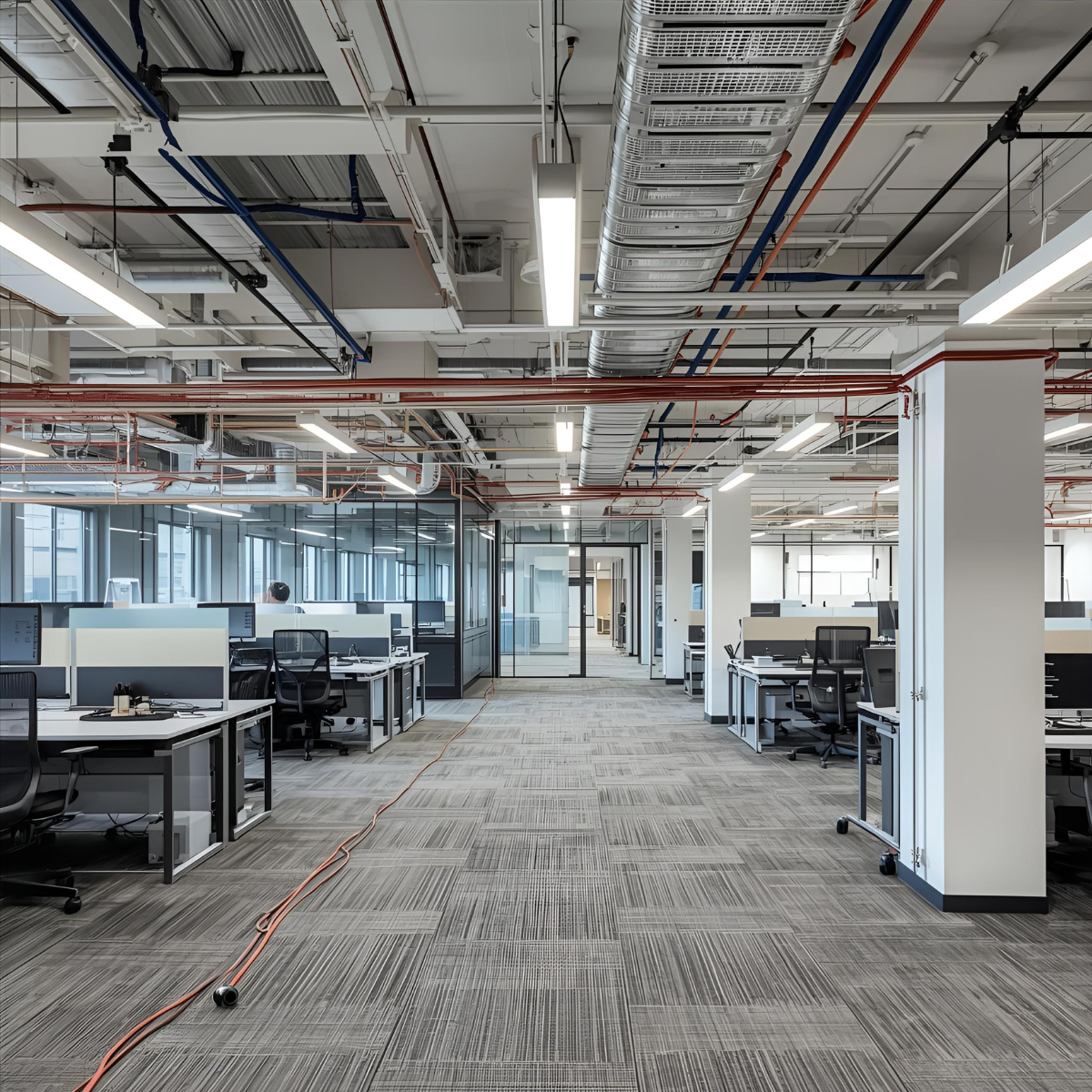
False flooring finds extensive application across a range of environments. In corporate offices, it is used to manage complex electrical and IT networks efficiently. In data centers and server rooms, it provides space for cooling systems and cable routing. In hospitals and educational institutions, false flooring allows safe concealment of service lines, creating a cleaner and safer environment. Even in luxury homes and apartments, it is now being used to enhance modern interiors and integrate smart home technologies seamlessly.
Materials Used in False Flooring Systems
Modern false flooring systems are crafted from a variety of materials, each chosen based on the space’s requirements. Steel panels with anti-static properties are ideal for computer rooms, while calcium sulphate or wood core panels suit general office environments. The surface finish can be customized with carpet, laminate, vinyl, or even marble look-alike tiles, blending perfectly with the rest of the interior design.
This flexibility in material selection ensures that false flooring not only serves a functional role but also complements the visual appeal of the space.
Energy Efficiency and Climate Control Benefits
A lesser-known but significant advantage of false flooring lies in its contribution to energy management. The void between the main and raised floors can be used for distributing conditioned air in an underfloor air distribution system. This method promotes efficient cooling and improved air quality while reducing energy consumption.
Such systems are becoming increasingly common in green building designs, where energy efficiency is a top priority.
Ease of Maintenance and Upgradation
In traditional flooring systems, accessing electrical wiring or plumbing involves breaking and repairing sections of the floor—a process that is time-consuming and costly. With false flooring, this problem is eliminated. Each panel can be lifted individually, providing direct access to the hidden infrastructure. This makes maintenance, repairs, and upgrades incredibly convenient, ensuring that the space remains functional with minimal downtime.
For growing organizations or homes with evolving technological needs, this adaptability is invaluable.
Design Flexibility and Future-Proofing
Modern interiors must evolve with technological advancements, and false flooring plays a vital role in future-proofing spaces. It allows designers to plan layouts that can easily accommodate future expansions or system upgrades without major structural changes. The modular nature of false flooring also supports reconfiguration, enabling the space to adapt to changing functions over time.
This makes it a preferred choice for architects and interior designers working on large-scale, tech-integrated environments.
Combining Aesthetics with Smart Design
False flooring is not just a practical necessity—it can also be an element of design innovation. Many designers now experiment with surface textures, finishes, and patterns on raised flooring panels to create distinctive interior looks. Combined with ambient lighting and modern furniture, it helps achieve sleek, sophisticated interiors that reflect contemporary lifestyles.
By integrating beauty and utility, false flooring truly embodies the spirit of modern interior design.
The Role of False Flooring in Sustainable Architecture
As sustainability becomes central to construction practices, false flooring is being recognized for its contribution to eco-friendly architecture. Its recyclable materials, energy-efficient design, and reduced need for invasive maintenance all add up to a more sustainable approach. Moreover, the ability to improve air circulation and reduce reliance on ceiling-based systems makes it a smart choice for green buildings.
Conclusion: The Future of False Flooring in Modern Interiors
The concept of false flooring represents a perfect blend of innovation, practicality, and aesthetic appeal. As spaces become more technology-driven and adaptable, the role of false flooring in modern interiors continues to grow. It not only conceals and protects the complex infrastructure of modern buildings but also enhances their beauty, efficiency, and flexibility.
Whether it’s a corporate workspace, hospital, data center, or luxury home, false flooring is transforming how we think about the very foundation of our interiors. In the future, this design solution will continue to redefine modern spaces—making them smarter, cleaner, and more sustainable.