
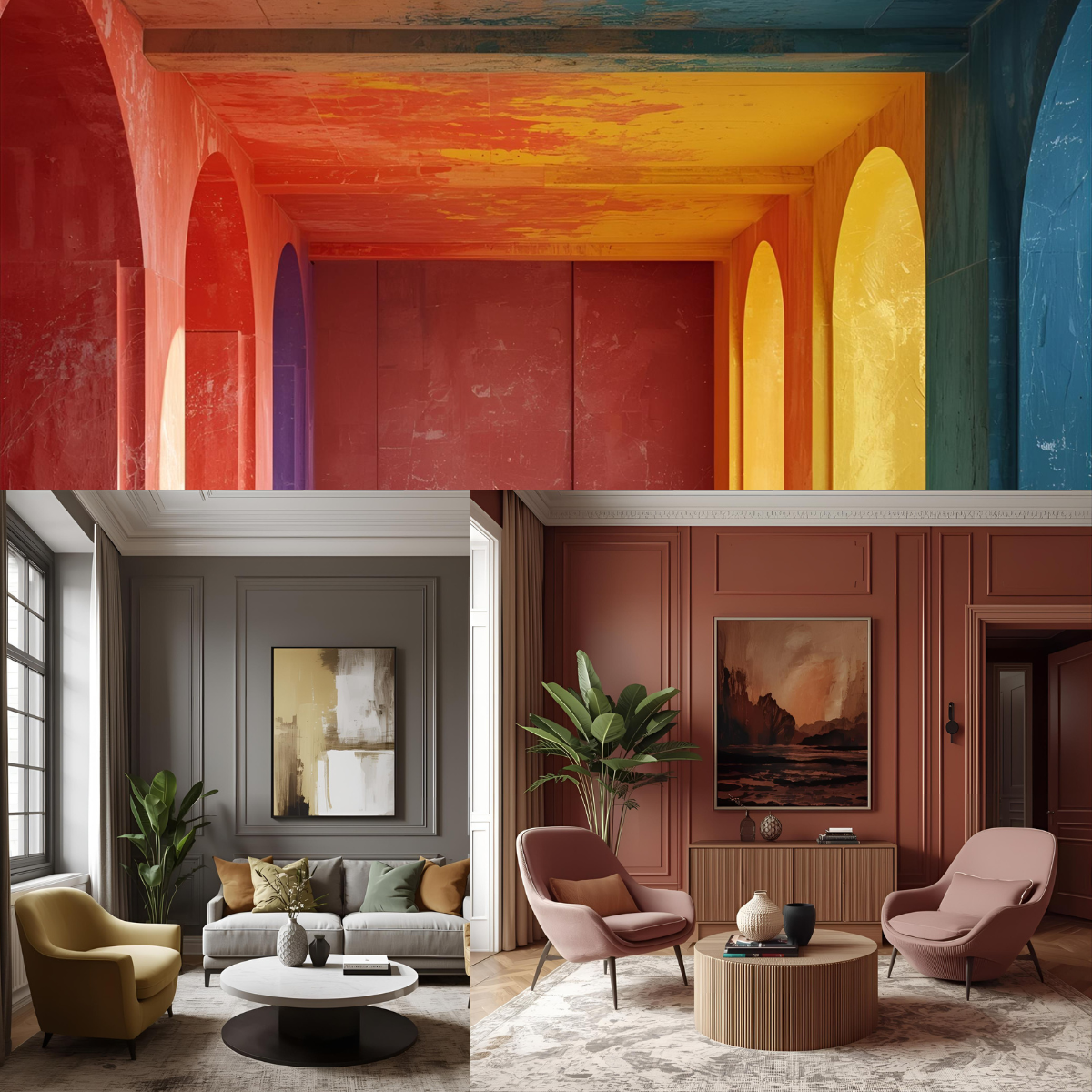

Colors influence how people feel, think, and behave inside any space. The role of color theory in architecture is not limited to decoration — it defines the soul of a structure. Architects and designers use color psychology to create environments that enhance comfort, productivity, and aesthetics. From homes and offices to hospitals and schools, the right use of color can completely transform how a building is experienced.
What is Color Theory and Why It Matters in Design
Before understanding the role of color theory in architecture, it’s important to know what color theory actually means.
Color theory is a scientific framework that explains how colors interact, blend, and affect human emotions. It includes principles like color harmony, contrast, temperature (warm/cool), and saturation.
For architects, color theory helps in:
- Defining the personality of a space.
- Creating visual balance in interiors and exteriors.
Influencing the psychological impact of design elements.
The Psychological Impact of Colors in Architecture
The role of color theory in architecture extends deep into psychology. Different colors evoke different emotional responses:
- Blue: Promotes calmness and trust; ideal for offices and hospitals.
- Green: Represents balance and freshness; great for schools and wellness spaces.
- Red: Adds energy and passion; often used in restaurants or gyms.
- Yellow: Brings positivity and creativity; perfect for learning and social spaces.
- White: Symbolizes purity and openness; widely used in minimalistic architecture.
Understanding these emotional cues helps architects create spaces that connect with people emotionally.
The Role of Color Theory in Architecture and Space Perception
The role of color theory in architecture also affects how we perceive space.
- Light colors make rooms appear larger, airy, and open.
- Dark colors create intimacy and warmth but can make spaces feel smaller.
- Neutral tones act as a balance, allowing furniture and textures to shine.
For example, using soft beige or pastel tones in small apartments can visually expand the area, while bold accent walls in lobbies can create a sense of grandeur.
5. Color Theory in Exterior Architecture
The exterior palette of a building defines its first impression. The role of color theory in architecture ensures that facades harmonize with surroundings and climate.
- In hot climates, light-colored exteriors reflect sunlight and keep buildings cool.
- In cold regions, darker tones absorb warmth and make structures more inviting.
Architects often combine earthy tones, brick shades, or contrasting trims to achieve a balanced visual impact.
6. Role of Color Theory in Interior Architecture
In interiors, the role of color theory in architecture becomes even more personal. It helps define how individuals interact with their spaces daily.
- Living rooms often use warm neutrals for comfort.
- Bedrooms favor soft blues or lavenders for relaxation.
- Kitchens thrive on energetic tones like yellow or orange.
Designers strategically use color zoning, where different areas are highlighted with unique palettes to guide movement and mood.
7. Cultural Influence and the Role of Color Theory in Architecture
The role of color theory in architecture also varies across cultures.
In India, for example, vibrant colors like red, saffron, and green are symbolic of energy, spirituality, and prosperity.
Meanwhile, modern minimalist design trends favor muted palettes for calm and sophistication.
Understanding local traditions and emotional associations ensures designs resonate deeply with users.
8. Technology and Modern Tools in Color Planning
Modern design software now allows architects to visualize color palettes in 3D, enhancing the role of color theory in architecture.
Digital tools simulate lighting effects, textures, and materials, helping clients preview how colors change through different times of the day — making architectural decisions more precise and efficient.
9. Sustainability and the Role of Color Theory in Architecture
Sustainable architecture is incomplete without color considerations. The role of color theory in architecture connects directly to energy efficiency and eco-friendly design.
- Reflective roof paints reduce heat absorption.
- Green facades promote environmental balance.
- Natural tones harmonize with landscapes, reducing visual pollution.
By aligning color choices with sustainability goals, architects achieve both beauty and responsibility in design.
The Colorful Future of Architecture
The role of color theory in architecture is a timeless principle that continues to evolve with innovation and culture. From shaping human emotions to optimizing energy efficiency, colors are the silent architects of experience.
At Kanakdhara Developer Pvt. Ltd., we blend scientific color theory and creative design to build spaces that are not only functional but also emotionally fulfilling.