
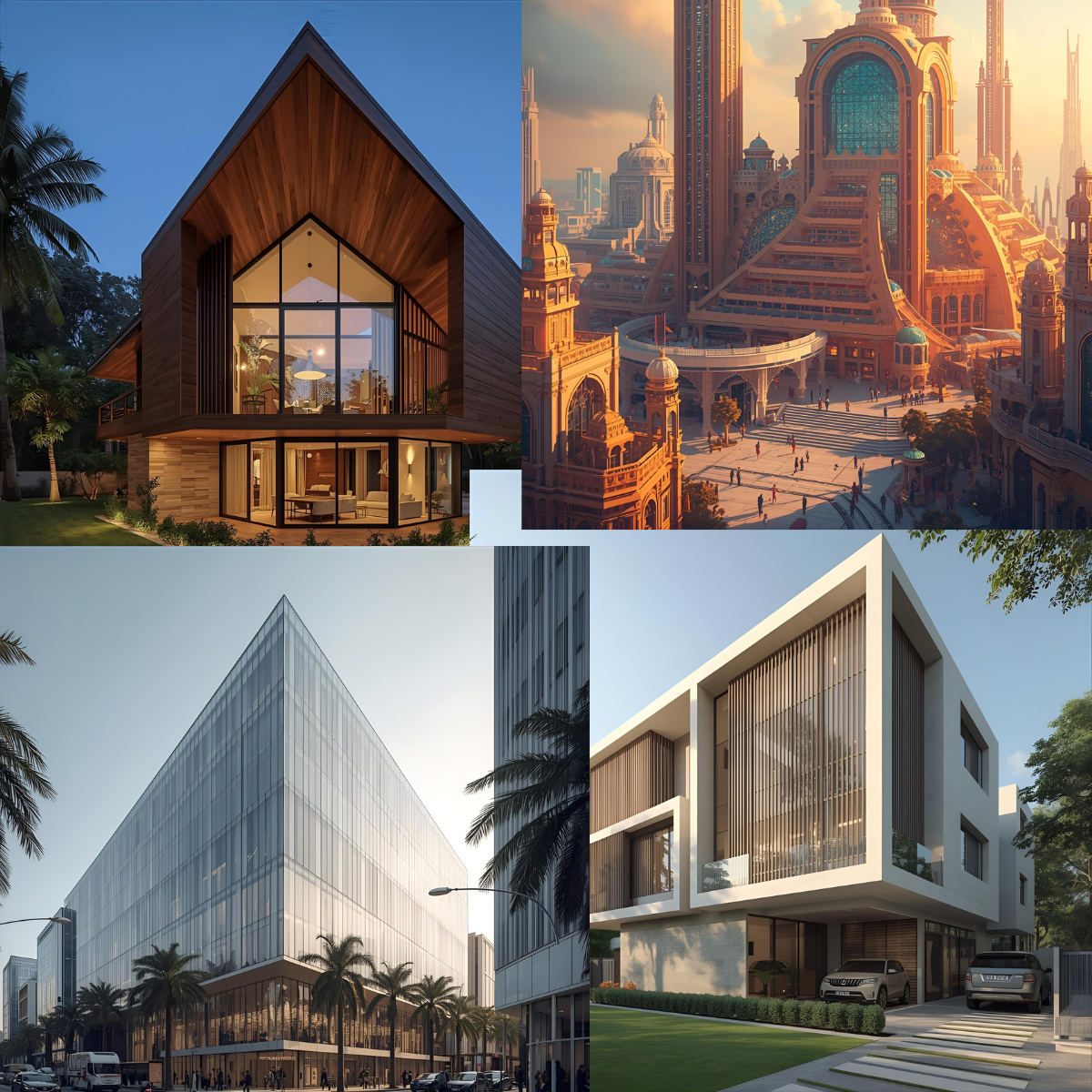

Architecture in India has always reflected the country’s cultural diversity and technological progress. As we step into 2025, design philosophies are shifting towards sustainability, innovation, and smart living. From metro cities like Lucknow and Delhi to rapidly developing regions like Ayodhya and Prayagraj, builders and architects are adopting new-age concepts that combine aesthetic elegance with environmental responsibility.
The construction industry is evolving fast, and Modern Architectural Trends in India 2025 are reshaping how spaces are imagined, designed, and built. Let’s explore how these trends are defining the next era of Indian architecture and what makes them relevant for homeowners, developers, and designers alike.
Sustainability Leads the Way
The foremost driver of Modern Architectural Trends in India 2025 is sustainability. The focus has moved beyond appearance — today, a building’s environmental footprint defines its real worth.
What’s Changing:
- Use of eco-friendly materials like fly ash bricks, bamboo composites, and recycled aggregates.
- Integration of solar panels, rainwater harvesting, and energy-efficient HVAC systems.
- Preference for natural lighting, ventilation, and green facades.
Real-life example: Many new residential projects in Lucknow are being designed with LEED-certified energy systems, ensuring minimal waste and reduced electricity bills.
Sustainable architecture isn’t just a design trend anymore — it’s the new standard defining Modern Architectural Trends in India 2025.
Rise of Smart Homes and Digital Integration
Smart technology has entered every corner of our lives — and buildings are no exception. One of the strongest Modern Architectural Trends in India 2025 is the integration of IoT (Internet of Things) and AI-driven automation into residential and commercial architecture.
Highlights:
- Smart lighting and security systems.
- App-controlled doors, blinds, and temperature systems.
- AI-based energy management that adjusts consumption automatically.
From apartments in Mumbai to luxury villas in Lucknow, smart home architecture has become a key part of Modern Architectural Trends in India 2025, giving homeowners both comfort and control.
Biophilic Design – Bringing Nature Indoors
In the post-pandemic world, people value mental health, open spaces, and connection to nature. This has made biophilic design one of the defining Modern Architectural Trends in India 2025.
Key Elements:
- Indoor gardens and living walls.
- Large windows for natural light and greenery views.
- Use of materials like wood, stone, and clay for organic warmth.
For example, commercial spaces in Gurugram and Bengaluru are incorporating vertical gardens to improve air quality and aesthetics. This seamless blending of nature with built environments is what makes biophilic architecture a key highlight of Modern Architectural Trends in India 2025.
Minimalism with Purpose
Minimalism has evolved from being a style statement to a way of life. Among the Modern Architectural Trends in India 2025, minimalism focuses not only on simplicity but also on functionality and sustainability.
Design Approach:
- Open floor plans with less clutter.
- Neutral color palettes — whites, greys, and natural tones.
- Multipurpose furniture and adaptive spaces.
This trend aligns with urban living where people prefer calm, organized, and efficient spaces. Whether in homes or offices, minimalism remains a dominant force shaping Modern Architectural Trends in India 2025.
Adaptive Reuse and Smart Renovation
With urban land scarcity, adaptive reuse has become a powerful architectural concept. Instead of demolishing old buildings, architects are repurposing them — merging heritage with modern functionality.
Old factories becoming coworking hubs, warehouses transforming into cafes, and havelis redesigned as boutique hotels are part of Modern Architectural Trends in India 2025.
This trend not only preserves cultural value but also reduces construction waste, making it a cost-effective and sustainable solution.
Prefabrication and Modular Construction
Speed and precision define the construction industry today. Hence, prefabricated and modular construction stands out among the most practical Modern Architectural Trends in India 2025.
Advantages:
- Faster project completion.
- Reduced site waste and labor dependency.
- Improved quality control and uniformity.
In cities like Noida, Kanpur, and Pune, prefabricated structures are being used for schools, hospitals, and residential projects. This approach perfectly fits the pace of Modern Architectural Trends in India 2025, where efficiency and sustainability go hand-in-hand.
Fusion of Tradition with Technology
India’s architectural heritage is timeless — from intricate jaalis of Rajasthan to courtyards of South India. The charm of tradition is now being revived with modern design tools, creating a beautiful fusion that defines Modern Architectural Trends in India 2025.
Example:
A contemporary villa in Lucknow might feature glass façades combined with red sandstone cladding — merging modernity with local culture.
This balance between old and new creates architecture that is not only stylish but also emotionally resonant and contextually relevant.
Climate-Responsive Architecture
India’s diverse climate — from Rajasthan’s heat to the coastal humidity of Chennai — demands architecture that adapts to the environment. Climate-responsive design is now a cornerstone of Modern Architectural Trends in India 2025.
Practices Include:
- North-facing windows to reduce heat gain.
- Use of jaalis and shading devices.
- Cool roofs and passive ventilation systems.
These designs reduce energy consumption while maintaining comfort, making climate adaptability a crucial part of Modern Architectural Trends in India 2025.
Mixed-Use and Flexible Spaces
Urban India is running short on space, and people want more utility in smaller areas. That’s why mixed-use architecture — combining residential, commercial, and recreational zones — is a defining part of Modern Architectural Trends in India 2025.
Examples:
- Apartments with coworking pods.
- Commercial complexes with residential towers and green courtyards.
- Integrated township models offering all amenities within walking distance.
Developers like Kanakdhara Developer Pvt. Ltd. are already implementing these mixed-use concepts across UP cities, reflecting the practicality of Modern Architectural Trends in India 2025.
Emphasis on Local and Vernacular Materials
There’s a growing appreciation for local materials that suit India’s climate and culture. Using regionally available resources like sandstone, laterite, bamboo, and lime plaster aligns with Modern Architectural Trends in India 2025.
These materials:
- Reduce transportation costs.
- Maintain natural temperature control.
- Support local craftsmanship.
This revival of local architecture adds authenticity and sustainability — making vernacular revival one of the most grounded Modern Architectural Trends in India 2025.
Smart Cities and Urban Infrastructure Design
India’s Smart Cities Mission has influenced the growth of futuristic urban infrastructure. City planning, public transportation, and energy-efficient layouts are integral parts of Modern Architectural Trends in India 2025.
Example Projects:
- Smart roads with underground utilities.
- Waste segregation and smart lighting systems.
- Green corridors and digital connectivity hubs.
These initiatives are redefining urban living, making smart infrastructure a powerful aspect of Modern Architectural Trends in India 2025.