
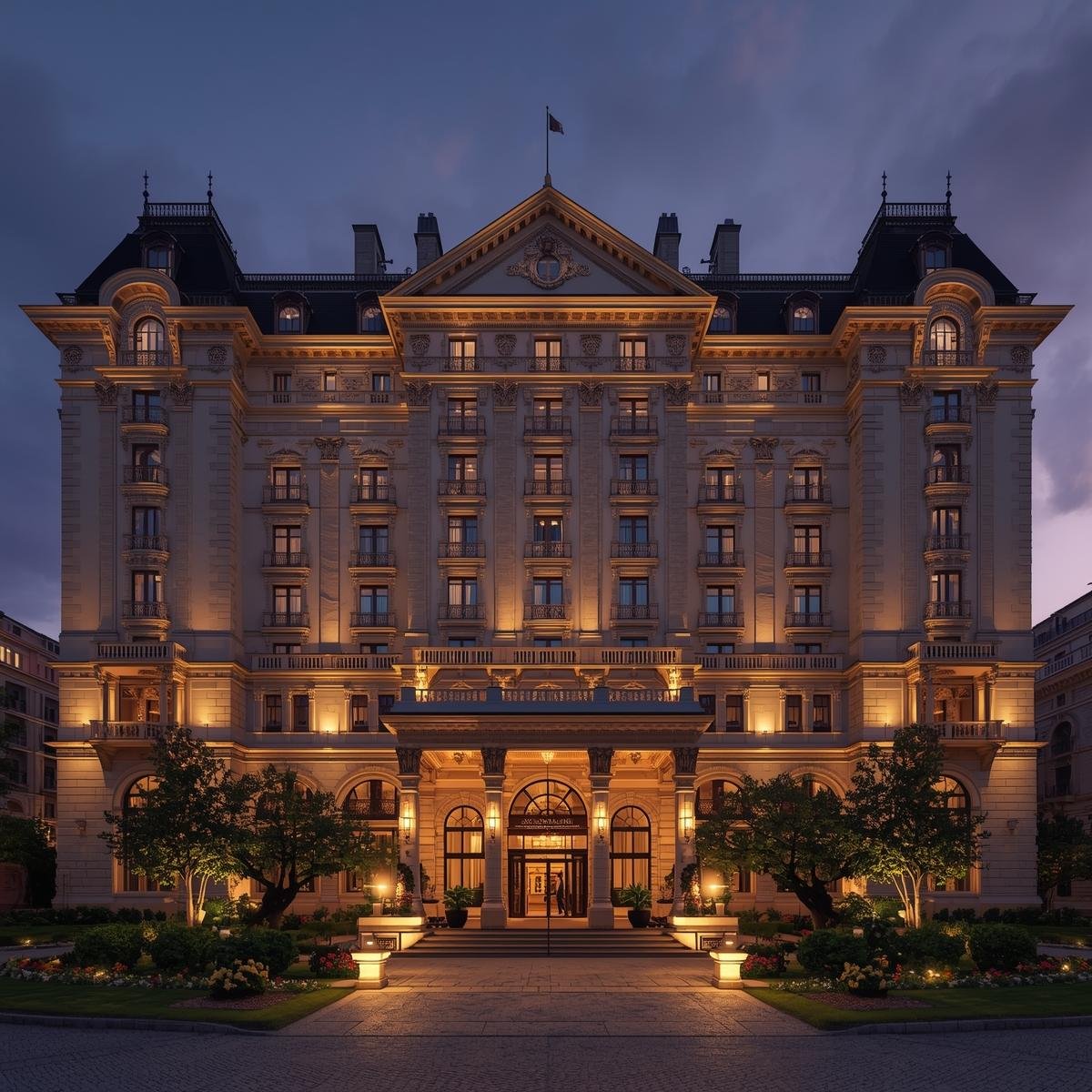

Designing a luxury hotel or resort is not just about creating a beautiful space — it’s about creating an unforgettable experience. From the lobby to the rooms, every corner must speak elegance, comfort, and sophistication.
The world of luxury interior designs for hotels & resorts combines architecture, aesthetics, and human psychology. It focuses on what guests feel the moment they enter and how every design element tells a story of quality and class.
This blog will guide hotel and resort owners through every important stage — from concept and design planning to construction priorities — so you’ll know exactly what to discuss with your architect, interior designer, or builder before starting your project.
1. Understanding Luxury Interior Design in Hospitality
Before diving into the details, it’s important to understand what luxury interior designs for hotels & resorts actually mean. Luxury doesn’t always mean expensive materials or grand chandeliers — it’s about harmony, comfort, and timeless appeal.
In luxury hospitality, interiors must combine aesthetic beauty, functionality, and guest experience. Each space should make visitors feel pampered while remaining practical for staff operations.
Key Elements of Luxury Hospitality Design:
- Elegance with purpose — every design choice should have a reason.
- High-quality materials — marble, wood, brass, and premium fabrics.
- Lighting balance — soft, ambient, and functional lighting layers.
- Spatial comfort — generous layouts with easy movement.
- Attention to detail — from door handles to room scent.
Luxury is the art of making comfort look effortless.
2. Planning Phase – The Foundation of Great Hotel Design
Before construction begins, the planning phase sets the direction for success. A well-planned hotel or resort interior considers both aesthetic goals and operational flow.
a. Site Analysis and Zoning
Study the site layout carefully — understand the surroundings, views, sunlight direction, and guest access points. Zoning defines which areas go where: lobby, reception, restaurant, rooms, pool, spa, etc.
b. Space Allocation
Assign appropriate proportions to public, semi-public, and private spaces:
- Public Areas: Lobby, restaurants, bar, reception.
- Semi-Public: Corridors, lounges, banquet halls.
- Private: Guest rooms, suites, service areas.
c. Theme Selection
Choose a consistent design theme that reflects your brand identity. The luxury interior designs for hotels & resorts often follow styles like:
- Modern contemporary luxury
- Heritage or royal Indian luxury
- Tropical resort luxury
- Minimalist international elegance
Your theme will influence materials, lighting, furniture, and color palette.
3. The Heart of Luxury – Hotel Lobby & Reception Design
The lobby is the face of your hotel — it gives the first impression. A guest’s perception of your entire property begins here.
Key Design Elements:
- Grand entrance with high ceilings or statement chandeliers.
- Reception desk designed with rich textures and lighting.
- Seating zones with comfortable furniture and soft tones.
- Artwork or sculpture that reflects your brand identity.
- Lighting layers — combine ambient and decorative lighting.
In luxury interior designs for hotels & resorts, the lobby should communicate both grandeur and warmth. Guests should feel welcomed and impressed at the same time.
4. Restaurant and Dining Areas – Where Design Meets Experience
The dining area is not only about food — it’s about creating memories. The luxury interior designs for hotels & resorts ensure that each dining space feels special, regardless of its size.
Tips for Designing a Luxury Restaurant:
- Zoning: Divide spaces for private dining, family seating, and couples.
- Lighting: Use dimmable lights, warm tones, and feature pendants.
- Material Palette: Combine wood, marble, brass, or leather finishes.
- Furniture: Choose high-quality, comfortable chairs and tables with elegant details.
- Acoustics: Ensure sound control for peaceful dining.
Every guest should feel like they are dining in an exclusive environment — whether it’s a fine-dining restaurant, buffet area, or poolside café.
5. Guest Rooms – Comfort is the Ultimate Luxury
Guest rooms define the true success of luxury interior designs for hotels & resorts. The goal is to create an environment that feels both indulgent and restful.
Essentials of a Luxury Room Design:
- Spacious Layout: Enough circulation space around the bed and furniture.
- Premium Materials: High-thread-count linens, wood finishes, and designer furniture.
- Lighting Control: Bedside dimmers, reading lamps, and accent lighting.
- Soundproofing: Acoustic insulation for privacy and tranquility.
- Smart Controls: Automated lighting, curtains, and temperature settings.
- Bathroom Luxury: Use of marble, glass partitions, rainfall showers, and ambient lighting.
Each room should offer a personalized luxury experience — the hallmark of fine hospitality design.
6. Resort-Specific Design – Nature, Openness & Serenity
Resorts are different from city hotels — they are designed to bring guests closer to nature and relaxation. The luxury interior designs for hotels & resorts in natural locations focus on openness, local materials, and scenic integration.
Key Resort Design Features:
- Open layouts that blend indoors and outdoors.
- Natural materials like bamboo, stone, and jute for warmth.
- Large windows to capture natural views.
- Outdoor extensions — decks, balconies, or private pools.
- Cultural touchpoints that reflect the local heritage.
For example, a beach resort may use blue tones, sand-colored walls, and wooden textures to mimic nature’s palette, while a hill resort might use stone and earthy finishes.
7. Lighting Design – The Mood Creator
Lighting plays a crucial role in luxury interiors. It’s not just about brightness but about atmosphere. The luxury interior designs for hotels & resorts use layered lighting to enhance every mood.
Types of Lighting:
- Ambient Lighting: For general illumination (recessed lights, ceiling lamps).
- Accent Lighting: Highlights artwork, sculptures, or architectural features.
- Task Lighting: For reading areas, desks, or makeup mirrors.
- Decorative Lighting: Chandeliers, pendants, or wall sconces for visual appeal.
The right lighting balance can transform an ordinary space into an unforgettable experience.
8. Color, Texture & Material Selection
In luxury hospitality, colors and textures define emotional comfort. The luxury interior designs for hotels & resorts often follow a sophisticated and balanced palette.
Recommended Color Themes:
- Warm neutrals: Beige, cream, tan — for elegance.
- Deep tones: Charcoal, navy, burgundy — for richness.
- Accents: Gold, bronze, or teal — for luxury highlights.
Material Choices:
- Natural wood, marble, and granite for flooring.
- Velvet, leather, and linen for soft furnishings.
- Metal trims or brass accents for premium finishes.
Textures should create visual interest and tactile comfort simultaneously.
9. Spa, Pool & Wellness Area – The Soul of Resort Luxury
The luxury interior designs for hotels & resorts pay special attention to wellness spaces like spas, saunas, and pool zones. These areas represent relaxation and rejuvenation.
Spa Design Elements:
- Soft lighting and calming color tones.
- Natural materials like bamboo, stone, or pebbles.
- Aromatherapy-friendly layouts with hidden diffusers.
- Private treatment zones with acoustic comfort.
Poolside Design:
- Use non-slip materials and ambient evening lights.
- Add loungers, shade pergolas, and water features for a serene effect.
A well-designed wellness zone can become a signature attraction for your property.
10. Corridors, Banquets & Common Areas
Often overlooked, these transitional spaces play a big role in guest impressions. In luxury interior designs for hotels & resorts, even corridors and banquet halls carry a strong design language.
- Corridors: Use art, soft lighting, and carpets to create comfort and continuity.
- Banquet Halls: Focus on grandeur, flexibility, and acoustic quality.
- Lifts & Staircases: Add mirrors, designer railings, and subtle lighting.
Every detail should maintain design consistency across the property.
11. Construction Considerations for Hotel & Resort Interiors
Hotel owners often ask — “What should I focus on during construction?”
Here’s what truly matters when implementing luxury interior designs for hotels & resorts:
Structural Planning:
Ensure proper column spacing, ceiling height, and service routing (HVAC, plumbing, electrical). Luxury interiors require flexibility — so plan layouts accordingly.
Waterproofing & Insulation:
Waterproofing in bathrooms, pools, and spas must be perfect. Also, use acoustic insulation in walls and floors to maintain privacy.
Service Integration:
Luxury hotels rely heavily on concealed services — ducts, pipelines, and wiring should be planned early to avoid visible clutter.
Material Handling:
High-end materials need skilled handling. Choose contractors experienced with marble, glass, and premium finishes.
Safety & Fire Norms:
Use fire-rated doors, smoke detectors, and emergency lighting systems as per local regulations.
Proper planning ensures luxury that lasts for decades.
12. Collaboration Between Architect, Interior Designer & Contractor
A successful project requires teamwork. In luxury interior designs for hotels & resorts, three professionals must work in perfect coordination:
- Architect: Plans building structure and flow.
- Interior Designer: Defines visual theme, materials, and detailing.
- Contractor/Developer: Executes design with precision and quality.
Owners should maintain open communication with all three — this ensures the design vision translates beautifully into the finished property.
13. Sustainability in Luxury Hospitality Design
Modern guests value sustainability as much as beauty. The luxury interior designs for hotels & resorts now emphasize eco-friendly materials and energy efficiency.
Sustainable Practices:
- Use LED lighting and motion sensors.
- Opt for recycled wood and low-VOC paints.
- Install solar panels for energy savings.
- Include rainwater harvesting systems.
- Choose local materials to reduce transport costs.
Luxury and sustainability can coexist — when done thoughtfully, it also strengthens your brand reputation.
14. Branding Through Design
Every luxury hotel or resort must tell its own story. The luxury interior designs for hotels & resorts use branding elements like logo colors, patterns, and materials subtly across interiors.
For example:
- A heritage hotel may use Mughal-style arches and Indian artwork.
- A modern resort may feature sleek lines, glass façades, and minimal décor.
Your interiors should make guests recognize your brand instantly — even without reading the nameplate.
15. Post-Construction Detailing & Maintenance
Luxury interiors require regular upkeep. After construction, ensure:
- Surface protection: Apply sealants to marble and wooden surfaces.
- Lighting maintenance: Replace dim bulbs regularly.
- Fabric care: Choose washable or stain-resistant materials.
- HVAC servicing: Maintain temperature comfort for guests.
Even the best luxury interior designs for hotels & resorts can lose charm without proper maintenance.
Luxury interior design in hospitality is about more than decoration — it’s about emotion, comfort, and unforgettable impressions. Every element — from the lobby chandelier to the texture of a headboard — contributes to how guests feel.
If you’re planning or renovating your property, remember that luxury interior designs for hotels & resorts begin with strong planning, professional coordination, and attention to every detail.
A well-designed hotel or resort is not just a business — it’s an experience that speaks of class, creativity, and care.