


Key Steps for Sustainable Housing Development
Sustainable housing development is no longer just a trend; it has become a necessity. With the increasing impacts of climate change, urbanization, and resource depletion, building homes that are environmentally friendly, energy-efficient, and socially responsible is crucial. Sustainable housing not only benefits the planet but also improves the quality of life for its residents while reducing long-term costs. In this blog, we will explore the key steps developers, architects, and homeowners can take to create sustainable housing.
1. Understanding Sustainable Housing
Before diving into the steps, it’s essential to understand what sustainable housing means. Sustainable housing refers to homes designed and built in ways that minimize environmental impact, reduce energy and water consumption, and create healthier living conditions. These homes use eco-friendly materials, incorporate renewable energy, and focus on efficiency in construction and operation.
Sustainable housing also considers social and economic sustainability. A truly sustainable home is affordable, accessible, and adaptable to the changing needs of its occupants while maintaining a minimal footprint on the environment.
2. Planning and Site Selection
The first step in sustainable housing development is careful planning and choosing the right site. The location of a project greatly affects its sustainability. Consider the following factors:
- Proximity to amenities: Homes close to schools, workplaces, and markets reduce transportation needs and lower carbon emissions.
- Natural resources: Sites that have natural sunlight, water access, and wind flow can be leveraged for energy efficiency.
- Minimizing environmental disruption: Avoid developing in areas with high ecological value, such as wetlands, forests, or habitats for endangered species.
Good planning at this stage ensures that the housing project integrates well with the environment rather than disrupts it.

3. Designing for Energy Efficiency
Energy efficiency is a cornerstone of sustainable housing. Homes consume a significant amount of energy for heating, cooling, lighting, and appliances. Sustainable designs aim to minimize this energy use while maintaining comfort. Some key design principles include:
- Orientation: Positioning the house to take advantage of natural sunlight can reduce heating and lighting costs. For instance, south-facing windows in colder climates maximize sunlight in winter.
- Insulation and ventilation: Proper insulation keeps homes warm in winter and cool in summer, reducing energy consumption. Natural ventilation can help maintain indoor air quality and temperature without heavy reliance on air conditioning.
- Energy-efficient appliances: Installing LED lighting, energy-saving fans, and high-efficiency heating/cooling systems can significantly cut energy use.
By prioritizing energy efficiency during the design phase, sustainable housing can drastically reduce its environmental footprint.
4. Using Sustainable Building Materials
Choosing the right materials is another vital step in sustainable housing. Traditional construction materials like cement, bricks, and steel have high carbon footprints. Sustainable alternatives include:
- Recycled or reclaimed materials: Wood, metal, and glass from demolished buildings can be reused to reduce waste.
- Low-carbon materials: Materials like fly ash bricks, bamboo, and compressed earth blocks are eco-friendly and durable.
- Non-toxic materials: Paints, adhesives, and finishes should be free of harmful chemicals to ensure healthy indoor air quality.
Using sustainable materials not only reduces environmental impact but also supports long-term durability and lower maintenance costs.
5. Water Conservation Strategies
Water is a precious resource, and sustainable homes focus on minimizing water wastage. Key strategies include:
- Rainwater harvesting: Collecting rainwater can supplement the main water supply for gardening, flushing, and even drinking after proper treatment.
- Water-efficient fixtures: Low-flow taps, showerheads, and dual-flush toilets reduce water consumption without compromising comfort.
- Greywater recycling: Reusing wastewater from sinks and showers for irrigation or flushing can significantly reduce overall water use.
These practices ensure that homes contribute to water conservation, a critical aspect of sustainable living.
6. Integrating Renewable Energy
Incorporating renewable energy sources is essential for sustainable housing. Homes that rely on fossil fuels contribute to greenhouse gas emissions, whereas renewable energy reduces environmental impact and provides long-term cost savings. Some options include:
- Solar panels: Using rooftop solar panels can generate electricity for daily use and even feed surplus energy back into the grid.
- Solar water heating: Solar water heaters can provide hot water without relying on electricity or gas.
- Wind turbines or small-scale hydro systems: In suitable locations, wind or water-based energy solutions can supplement electricity needs.
Even partial integration of renewable energy sources makes a home significantly more sustainable.
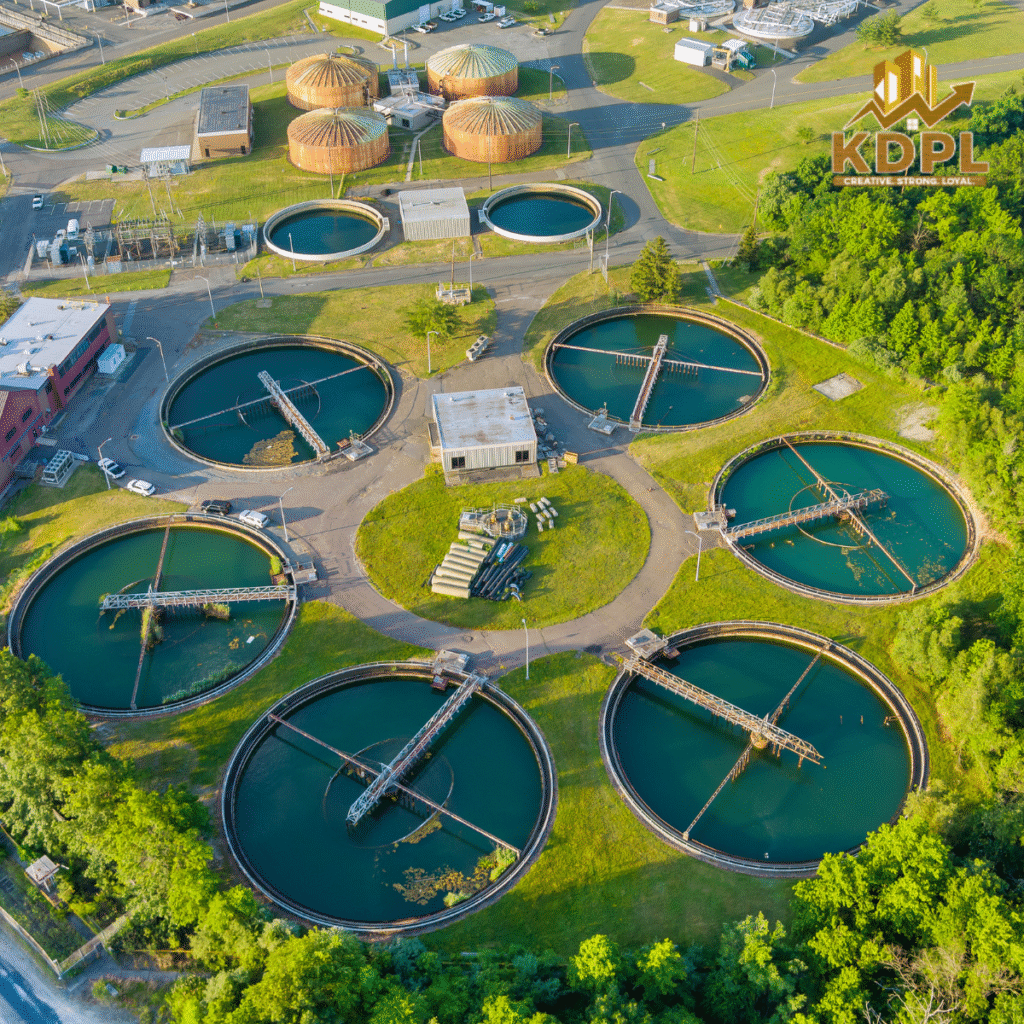
7. Waste Management and Recycling
Sustainable housing also addresses waste management. Construction and household waste can have harmful effects on the environment if not handled properly. Key strategies include:
- Construction waste reduction: Plan material usage efficiently to minimize leftover waste. Reuse or recycle scraps whenever possible.
- Household recycling: Provide designated areas for separating recyclable materials like plastics, metals, and paper.
- Composting: Organic waste can be composted and used in gardens, reducing landfill burden.
Effective waste management reduces environmental pollution and promotes a cleaner, healthier living environment.
8. Landscaping and Green Spaces
Green spaces play a crucial role in sustainable housing. Trees, gardens, and green roofs not only enhance aesthetics but also improve environmental quality. Benefits of integrating green spaces include:
- Temperature regulation: Plants provide shade and cool the surrounding air, reducing the need for air conditioning.
- Air purification: Trees and plants absorb carbon dioxide and release oxygen, improving air quality.
- Stormwater management: Gardens and permeable surfaces reduce runoff and prevent flooding.
Sustainable landscaping also encourages residents to connect with nature, promoting well-being and healthier lifestyles.
9. Community and Social Sustainability
Sustainable housing development is not just about the environment; it also considers social sustainability. Homes should support a strong sense of community, accessibility, and inclusivity. This can be achieved by:
- Creating shared spaces: Parks, playgrounds, and community centers encourage social interaction.
- Accessible design: Homes and facilities should cater to people of all ages and abilities.
- Affordable housing: Ensuring that sustainable housing is affordable helps prevent social inequality.
A socially sustainable community strengthens the overall impact of eco-friendly development, making it truly holistic.

10. Monitoring and Maintenance
Sustainability is not just about construction; it extends throughout the lifecycle of a home. Regular monitoring and maintenance are necessary to ensure that sustainable features continue to function efficiently. Key practices include:
- Energy audits: Periodic checks on energy consumption help identify areas for improvement.
- Water system maintenance: Ensuring that plumbing, rainwater harvesting, and greywater systems are working optimally reduces waste.
- Material care: Maintaining eco-friendly materials properly extends their life and reduces the need for replacements.
Long-term maintenance ensures that sustainable housing delivers ongoing environmental, social, and economic benefits.
Conclusion
Sustainable housing development is a critical step toward creating a greener, healthier, and more equitable future. By following these key steps—careful planning, energy-efficient design, use of sustainable materials, water conservation, renewable energy integration, waste management, green landscaping, social inclusivity, and ongoing maintenance—developers and homeowners can make a significant positive impact.
Investing in sustainable housing is not only good for the planet but also for the people who live in it. Reduced energy costs, healthier living conditions, and stronger communities are all part of the reward. As more people recognize the importance of sustainability, adopting these practices will become the standard rather than the exception.
Building homes that are kind to the environment is no longer optional—it is a responsibility we all share. By taking these steps, we can create a future where development and nature coexist in harmony.