
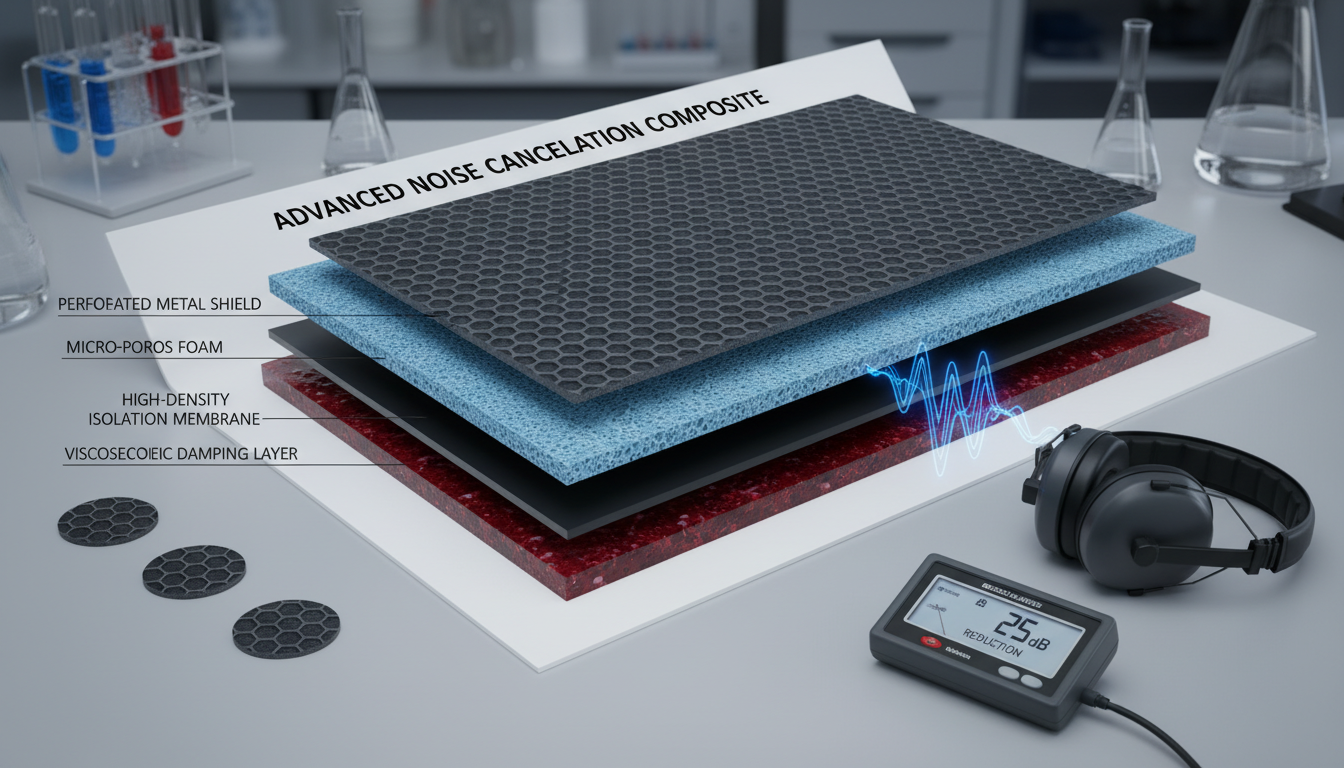

Living in an apartment often brings convenience, accessibility, and community comfort, but one concern that almost every resident faces is the problem of noise. Whether it’s neighbors talking, children running around upstairs, traffic noise from outside, or echoes within your own home, these sounds can disturb your peace and daily routine. As a result, more people are looking for reliable methods to create soundproof rooms in apartments, especially in urban environments where noise levels are consistently high. This guide explains realistic and effective soundproofing methods that genuinely work in real apartment settings without requiring major modifications.
Why Soundproofing Matters in Modern Apartments
Apartments typically share walls, floors, and ceilings, which makes sound travel easily from one unit to another. Thin partitions, lightweight construction, and hollow doors are often responsible for increased disturbance. Creating soundproof rooms in apartments becomes essential for people working from home, students preparing for exams, families with infants, and anyone who values restful sleep and mental peace. When unwanted noise repeatedly enters your space, it affects your mood, productivity, and even overall health. This is why modern interior design increasingly focuses on acoustic comfort as much as aesthetics.
Understanding the Types of Noise Before Soundproofing
Before beginning any soundproofing process, it is important to understand the nature of the noise affecting your environment. Airborne noise includes voices, traffic, music, and honking. This type of sound travels through gaps, thin walls, and unsealed windows. Impact noise is structure-borne and includes footsteps, furniture being dragged, and vibration-based sounds from drilling or banging. This type of noise travels through the building’s core structure. The third type, internal echo, refers to sound bouncing inside your own apartment due to hard surfaces, empty walls, and lack of soft materials. For truly effective soundproof rooms in apartments, one must identify which of these noises is most dominant and apply targeted solutions.
Sealing Doors and Windows for Immediate Noise Reduction
One of the simplest yet most effective steps to soundproofing involves sealing all gaps in doors and windows. These small openings often become major gateways for external sounds. When you work toward creating soundproof rooms in apartments, rubber sealing strips, acoustic caulking, and high-density door sweeps help block significant amounts of noise. Replacing ordinary curtains with thick soundproof drapes also creates a denser barrier, reducing the intensity of sound coming from outside. When these basic elements are sealed properly, the internal environment becomes noticeably quieter, even before introducing advanced soundproofing materials.
Improving Floor Sound Insulation with Rugs and Carpets
Floors contribute greatly to sound transfer, especially in older buildings where the slabs are thin. Impact noise like footsteps or furniture movement from upper floors is often the most frustrating form of disturbance. Placing thick rugs or carpets helps absorb vibrations before they travel into your room. In many cases, residents use foam underlay beneath rugs to further enhance sound absorption. These additions not only contribute to the creation of soundproof rooms in apartments but also improve the warmth and comfort of the space. The more surface area you cover with soft flooring, the lesser noise travels through the apartment structure.
Using Acoustic Panels to Reduce Internal Echo and External Noise
Acoustic panels are among the most effective modern tools used to create soundproof rooms in apartments, particularly for people working from home, content creators, or those who need quiet study spaces. These panels absorb sound waves, reduce internal echo, and prevent external noise from bouncing around the room. They are lightweight, stylish, and come in multiple designs that blend easily with modern interiors. Installing them on shared walls, behind the bed, or near workspaces improves sound quality instantly. Unlike heavy insulation processes, these panels require no structural changes, making them ideal for both rented and owned apartments.
Furniture Placement for Natural Sound Blocking
Strategically placing furniture is an underrated yet highly effective method for noise reduction. When aiming for soundproof rooms in apartments, placing a tall bookshelf or a fully packed wardrobe against a shared wall helps absorb a noticeable amount of sound traveling between units. Fabric-based furniture such as sofas, cushioned chairs, and upholstered headboards also adds layers of absorption. Even wall-to-wall curtains or decorative wall panels help soften sound reflections. A thoughtful interior arrangement creates thick, layered barriers that stop noise without the need for electrical or technical acoustic interventions.
Heavy Curtains and Multi-Layered Drapes for Window Sound Reduction
Windows bring natural light but also introduce outdoor noise. Urban environments often create disturbances from honking, vendors, traffic, construction, and crowd activity. Using soundproof curtains made from multi-layered fabrics helps create effective soundproof rooms in apartments by blocking or absorbing external sounds. These curtains are especially useful in bedrooms and living rooms where peace and privacy are necessary. Since they are renter-friendly and lightweight, they can be installed and removed easily whenever needed.
Door Soundproofing to Reduce Hallway and Neighbor Noise
Apartment doors are usually hollow and allow sound to pass easily. Strengthening your door plays a major role in creating soundproof rooms in apartments, especially if your living space is near elevators, staircases, or common lobbies. Adding mass-loaded vinyl sheets, installing a thicker door surface, or attaching soundproofing blankets behind the door helps significantly reduce noise. Acoustic sealants around the door frame add another layer of protection. These enhancements minimize conversations, footsteps, and corridor activity from entering your apartment.

Ceiling Soundproofing for Footstep and Impact Noise
Footstep noise from upper floors is among the most challenging problems in apartment living. Still, there are effective solutions. Acoustic cloud panels and suspended baffles help trap and absorb sound before it enters the room. In some cases, residents add a lightweight secondary ceiling with insulation material inside. This method is widely used in premium apartments where reducing structural noise is a priority. When such ceiling treatments are included, the experience of having soundproof rooms in apartments becomes significantly more effective and long-lasting.
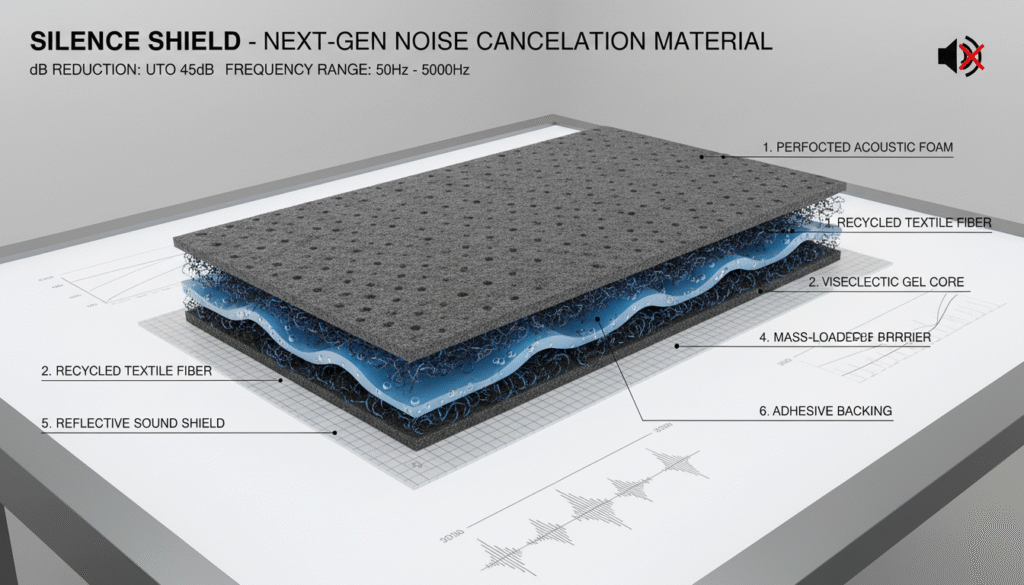
Material Sheet for Building Better Soundproof Rooms
A practical soundproofing plan depends on selecting the right materials. Acoustic foam panels are commonly used to absorb echo and mild airborne noise. Polyester fiber panels offer a more polished look and are ideal for living rooms and offices. Mass loaded vinyl sheets are dense materials designed to block sound rather than absorb it, making them highly suitable for doors and shared walls. Heavy drapes with microfiber and foam layers help insulate windows. Rubber sealing strips and acoustic caulking help close gaps around openings. High-density carpets improve impact sound absorption. All these materials collectively contribute to reliable and effective soundproof rooms in apartments, ensuring a complete acoustic solution.
Window Upgrades for Traffic and Outdoor Noise Control
Windows often act as a weak point in apartment structures. When your room faces a noisy street or busy neighborhood, even minimal traffic noise can feel amplified. Double-glazed windows and acrylic soundproof panels are effective alternatives for reducing external disturbances. When combined with sealing strips and heavy curtains, they significantly strengthen the noise barrier. Many residents who upgrade their windows immediately notice meaningful progress in creating soundproof rooms in apartments, especially in densely populated areas.
The Realistic Cost of Soundproofing Apartments
The actual cost of creating soundproof rooms in apartments depends on the materials selected and the size of the room. Acoustic panels vary widely in price depending on design and density. Curtains, rugs, and sealing accessories are affordable options that deliver immediate results. Advanced methods like installing double-glazed windows or creating false ceilings are more expensive but provide long-term benefits. Most apartment soundproofing plans combine basic and intermediate methods to achieve high-level noise reduction without heavy investment.
Conclusion
Soundproofing an apartment is not just possible but incredibly practical with the right approach. By sealing openings, adding rugs, installing acoustic panels, rearranging furniture, enhancing doors and windows, and using modern sound-blocking materials, you can successfully create peaceful and functional soundproof rooms in apartments. These solutions do not require major renovation, making them suitable for both homeowners and renters. With thoughtful planning and the right materials, your apartment can transform into a quiet, relaxing, and productivity-friendly environment.
FAQs
What is the most effective way to soundproof a room in an apartment?
The most effective method depends on the type of noise, but sealing door and window gaps, using acoustic panels, and adding thick rugs are usually the quickest and most successful ways to reduce noise. These methods address both airborne noise and internal echo.
Can I soundproof my apartment without making permanent changes?
Yes. Most soundproofing techniques, such as acoustic panels, soundproof curtains, rugs, door sweeps, and movable furniture, are completely renter-friendly. They can be installed without drilling or major modifications.
Does soundproofing really work for noisy neighbors?
Soundproofing significantly reduces neighbor noise—especially voices, TV sound, and music—if done correctly. Using dense materials and sealing gaps helps block the noise, while panels and carpets help reduce its impact inside the room.
How can I reduce noise coming from upstairs neighbors?
Impact noise like footsteps is harder to manage, but ceiling-mounted acoustic panels, suspended baffles, and hanging cloud panels help reduce a considerable portion of the sound. Adding soft furnishings in your room also helps absorb vibration.
Will acoustic foam panels block outside noise?
Acoustic foam reduces echo and improves internal sound quality but does not completely block outside noise. For blocking external sounds, you need dense materials like mass loaded vinyl (MLV), thick curtains, or window sealing.