
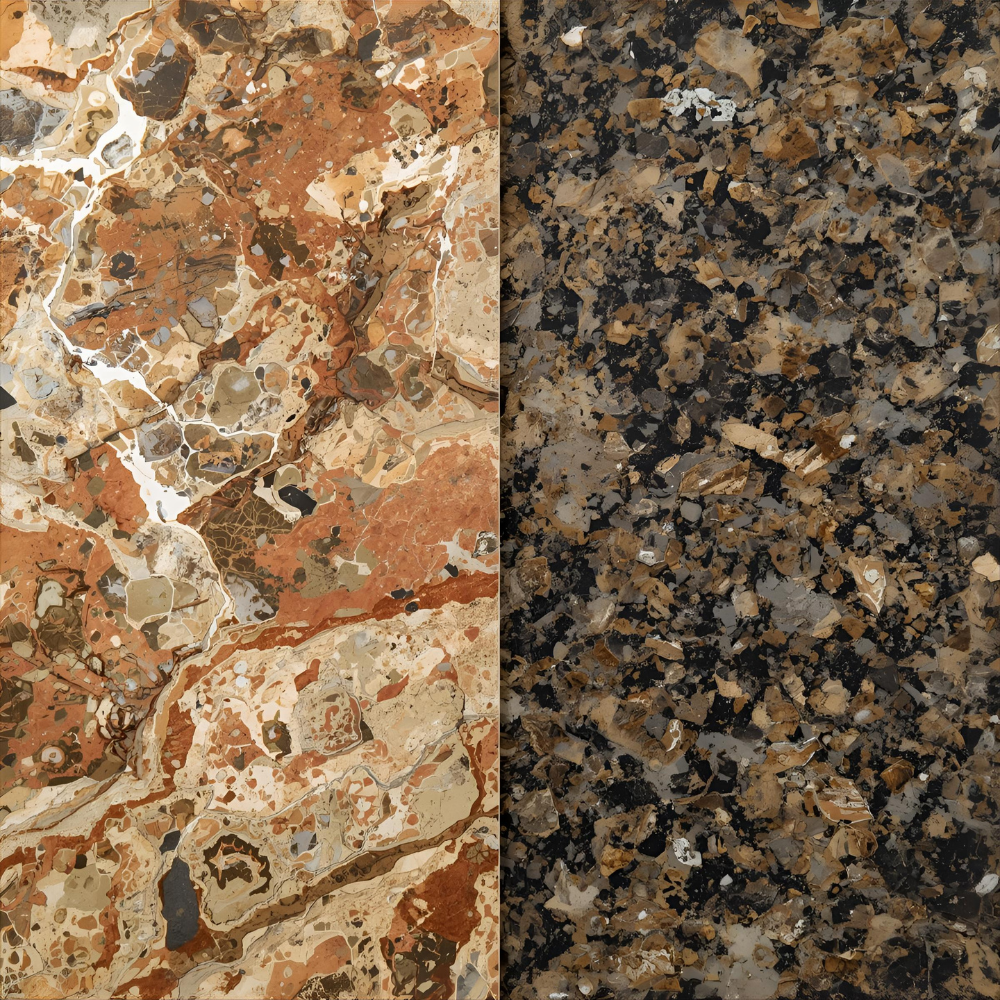

Marble and granite floors are timeless symbols of luxury and elegance. Whether in a modern villa, traditional bungalow, or commercial lobby — these natural stones instantly elevate any space with their charm and durability.
But here’s the catch: both marble and granite need proper maintenance to preserve their beauty and strength over time. Without regular care, even the most premium flooring can lose its shine, develop stains, or crack prematurely.
In this complete guide, we’ll explore how to maintain marble vs granite flooring, what makes them different, and how you can keep both materials looking as good as new for years.
Marble vs Granite – What Makes Them Different?
Before learning how to maintain marble vs granite flooring, it’s essential to understand their differences — because their maintenance needs depend on how they’re formed.
Feature | Marble Flooring | Granite Flooring |
Composition | Formed from limestone (calcium carbonate) | Formed from magma (quartz, feldspar, mica) |
Appearance | Softer, elegant veins and patterns | Harder, speckled and grainy texture |
Porosity | Highly porous; absorbs water easily | Less porous; more resistant to water and stains |
Durability | Softer, prone to scratches | Extremely tough and scratch-resistant |
Maintenance Level | High | Moderate |
Because of these structural differences, marble requires more delicate care, while granite can handle heavier use — but both benefit greatly from consistent cleaning and sealing.
Why Regular Maintenance Matters
Your flooring endures daily foot traffic, spills, dust, and moisture. Over time, even a small lapse in care can dull the surface, stain the pores, or weaken the sealant.
Proper maintenance helps you:
- Retain natural shine and smoothness
- Prevent permanent stains or etching
- Avoid costly polishing or replacement
- Maintain hygiene (especially in kitchens and bathrooms)
- Extend lifespan for decades
In short, clean floors = strong floors — and both marble and granite need routine TLC to keep their royal look intact.
How to Maintain Marble Flooring
Marble is elegant but delicate. It reacts easily to acids, salts, and even plain water if left standing too long. Here’s how you can maintain it correctly:
1. Daily Cleaning Routine
Step 1: Dry Mop Regularly
Use a soft microfiber mop or dust mop daily. This removes fine dust and grit that can cause surface scratches.
Step 2: Use a Mild Cleaner
Mix a few drops of pH-neutral liquid soap or marble-safe cleaner in warm water. Avoid acidic cleaners (like vinegar or lemon) — they’ll etch the surface.
Step 3: Damp Mop Gently
Damp mop (not wet mop) using the cleaning solution. Wring out excess water thoroughly.
Step 4: Dry Immediately
Use a soft towel or mop to dry the surface after cleaning. Marble should never stay wet for long.
Pro Tip: Always use clean, soft mops — no abrasive pads or steel wool.
2. Weekly Deep Cleaning
Once a week, deep-clean marble floors using a special marble-safe cleaning solution available in stores. This removes grease and soap residue buildup.
- Spray the cleaner evenly.
- Let it sit for 3–5 minutes.
- Wipe with a damp cloth and buff with a microfiber towel.
3. Stain Removal
Marble’s high porosity makes it prone to stains from oils, coffee, or rust.
How to Remove Stains:
- Mix baking soda and water into a paste.
- Apply over the stain and cover with plastic wrap.
- Leave overnight, then rinse and dry.
This poultice draws out deep stains safely without damaging the surface.
4. Polishing & Sealing
To restore gloss, marble should be polished every 6–12 months using a marble polish or with professional grinding and buffing.
- Apply a marble polish cream with a soft cloth.
- Buff in circular motion.
- For best results, hire professionals for diamond polishing once a year.
- Sealing: Seal the marble surface every 6–8 months with a marble sealer. This creates a protective barrier against water and stains.
5. Preventive Care
- Place mats near entrances to trap dirt.
- Use felt pads under furniture legs.
- Avoid dragging heavy items directly on the floor.
- Wipe spills immediately — especially acidic liquids (juice, vinegar, wine).
How to Maintain Granite Flooring
Granite is one of the toughest natural stones used in flooring, but even this resilient material benefits from proper maintenance.
1. Daily Cleaning Routine
Step 1: Sweep or Vacuum Regularly
Granite doesn’t scratch easily, but dirt and sand can dull the surface. Use a soft broom or vacuum daily.
Step 2: Use a Granite-Safe Cleaner
Wipe with a solution of pH-neutral soap or a granite-specific cleaner. Avoid acidic or ammonia-based products.
Step 3: Rinse and Dry
After cleaning, rinse with clean water and wipe dry to avoid streaks or water marks.
Pro Tip: Warm water + mild dish soap = best budget-friendly granite cleaner.
2. Weekly or Biweekly Maintenance
Granite floors in high-traffic areas (like living rooms or kitchens) need deeper cleaning every week.
- Mop with a diluted granite cleaner.
- Use a soft-bristle brush for textured granite.
- Rinse and dry completely.
3. Sealing Granite Floors
Though granite is less porous than marble, sealing is still important to maintain its stain resistance.
- Apply a high-quality impregnating granite sealer every 12–18 months.
- Pour a small amount on the surface, spread evenly with a microfiber cloth, let it soak, then buff dry.
To test if sealing is needed, drop a few water droplets. If they absorb within 10 minutes, it’s time to reseal.
4. Polishing Granite Floors
Granite polishing can be done once a year or whenever the shine fades.
- Use a granite polish or polishing pad.
- Buff in circular motion until the gloss returns.
Avoid wax-based polishes — they can make floors slippery and collect dust.
5. Stain and Scratch Care
While granite is tough, certain liquids like oil, wine, or coffee can still leave stains if left unattended.
To Remove Oil Stains:
- Mix baking soda with acetone to form a paste.
- Apply on the stain, cover with plastic, leave 24 hours, rinse, and dry.
To Repair Scratches:
For light surface scratches, use fine-grade steel wool. For deeper ones, hire professionals to re-polish.
How to Maintain Marble vs Granite Flooring – Key Differences
Now let’s compare how to maintain marble vs granite flooring side by side to help you set the right routine:
Aspect | Marble Maintenance | Granite Maintenance |
Daily Cleaning | Use soft mop + pH-neutral cleaner | Use pH-neutral cleaner or mild soap |
Reaction to Acid | Easily etched by acids | Resistant to most acids |
Polishing Frequency | Every 6–12 months | Every 12–18 months |
Sealing Frequency | Every 6–8 months | Every 12–18 months |
Scratch Resistance | Moderate | High |
Stain Removal | Baking soda paste works best | Baking soda + acetone for oil stains |
Best For | Indoor, low-traffic, decorative areas | High-traffic or wet areas like kitchens and hallways |
In short, marble needs gentle, frequent care, while granite demands less attention but consistent sealing.
Common Mistakes to Avoid While Cleaning Natural Stone Floors
Whether you have marble or granite, avoid these cleaning blunders that cause long-term damage:
- ❌ Using Vinegar or Lemon – Both are acidic and will dull marble immediately.
- ❌ Ignoring Sealing – Unsealed stone absorbs moisture and stains easily.
- ❌ Using Harsh Detergents or Bleach – They erode surface shine and weaken sealants.
- ❌ Skipping Drying Step – Standing water causes dull spots and discoloration.
- ❌ Using Rough Scrubbers – Abrasive materials leave scratches and haze.
Stick to neutral pH cleaners, soft materials, and regular sealing — that’s the golden rule of how to maintain marble vs granite flooring effectively.
Real-World Example: A Lucknow Luxury Home’s Flooring Makeover
Let’s take an example from Kanakdhara Developer Pvt. Ltd., a leading construction and interior design company in Lucknow.
Case Study:
A homeowner in Alambagh had a combination of marble flooring in the living area and granite flooring in the kitchen. Over time, the marble had lost its luster and showed faint yellow stains, while the granite developed dull patches due to improper cleaning with acidic products.
Solution Implemented by Kanakdhara Team:
- Marble Restoration:
- Surface cleaning with pH-neutral cleaner.
- Diamond polishing to restore shine.
- Application of a protective sealer.
- Surface cleaning with pH-neutral cleaner.
- Granite Rejuvenation:
- Neutral detergent cleaning.
- Buffing with granite polish pads.
- Application of a long-lasting penetrating sealer.
- Neutral detergent cleaning.
- Homeowner Education:
The client was given a care routine: dry mop daily, damp clean weekly, and reseal floors biannually.
Result:
The marble regained its mirror-like shine, and granite floors became stain-resistant and glossy again. The overall ambiance looked new, and maintenance became simpler going forward.
This real-world example shows how understanding how to maintain marble vs granite flooring can save homeowners both time and money while preserving luxury aesthetics.
Professional Maintenance vs DIY Care
Type of Maintenance | DIY Care | Professional Help |
Daily Cleaning | ✅ Recommended | |
Light Polishing | ✅ Possible with mild polish | |
Deep Stain Removal | ⚠️ Try poultice method | ✅ Professionals preferred |
Major Etching or Dullness | ❌ Not advised | ✅ Expert polishing & sealing needed |
Annual Restoration | ❌ | ✅ Best done by professionals |
Kanakdhara Developer Pvt. Ltd. offers professional marble and granite maintenance services across Lucknow, Ayodhya, Gorakhpur, Kanpur, and other UP cities — ensuring long-lasting brilliance through expert techniques.
Cost of Maintaining Marble and Granite Flooring
Maintenance Type | Marble (₹/sq. ft) | Granite (₹/sq. ft) |
Daily Cleaning (DIY) | Negligible | Negligible |
Professional Polishing | ₹25–₹50 | ₹20–₹40 |
Sealing | ₹15–₹30 | ₹10–₹25 |
Deep Cleaning | ₹10–₹20 | ₹8–₹15 |
Average annual maintenance cost for a 1000 sq. ft. area ranges from ₹15,000–₹25,000 depending on the type and frequency of service.
Expert Tips for Long-Lasting Marble and Granite Floors
- Use Doormats: Keep dirt and sand out to prevent micro-scratches.
- Use Rugs in High-Traffic Areas: Especially useful for marble floors.
- Maintain Stable Humidity: Excess moisture weakens sealants.
- Avoid Rolling Furniture: Always lift instead of dragging.
- Reseal Promptly: Once water stops beading, reseal immediately.
- Polish Professionally Once a Year: Maintains natural gloss and color.
- Check Grout Lines: Keep them sealed to prevent seepage beneath tiles.
FAQs
Which is easier to maintain, marble or granite?
Granite is easier to maintain because it’s harder, less porous, and more resistant to stains and scratches.
How often should marble floors be polished?
Every 6–12 months, depending on usage and wear level.
Can I use the same cleaner for both marble and granite?
Yes — as long as it’s a pH-neutral, non-acidic cleaner safe for natural stone.
What’s the biggest mistake homeowners make?
Using vinegar, lemon, or acid-based cleaners on marble floors. These cause irreversible etching.
How long do marble and granite floors last with proper maintenance?
Both can easily last 50+ years if properly cleaned, sealed, and polished regularly.