
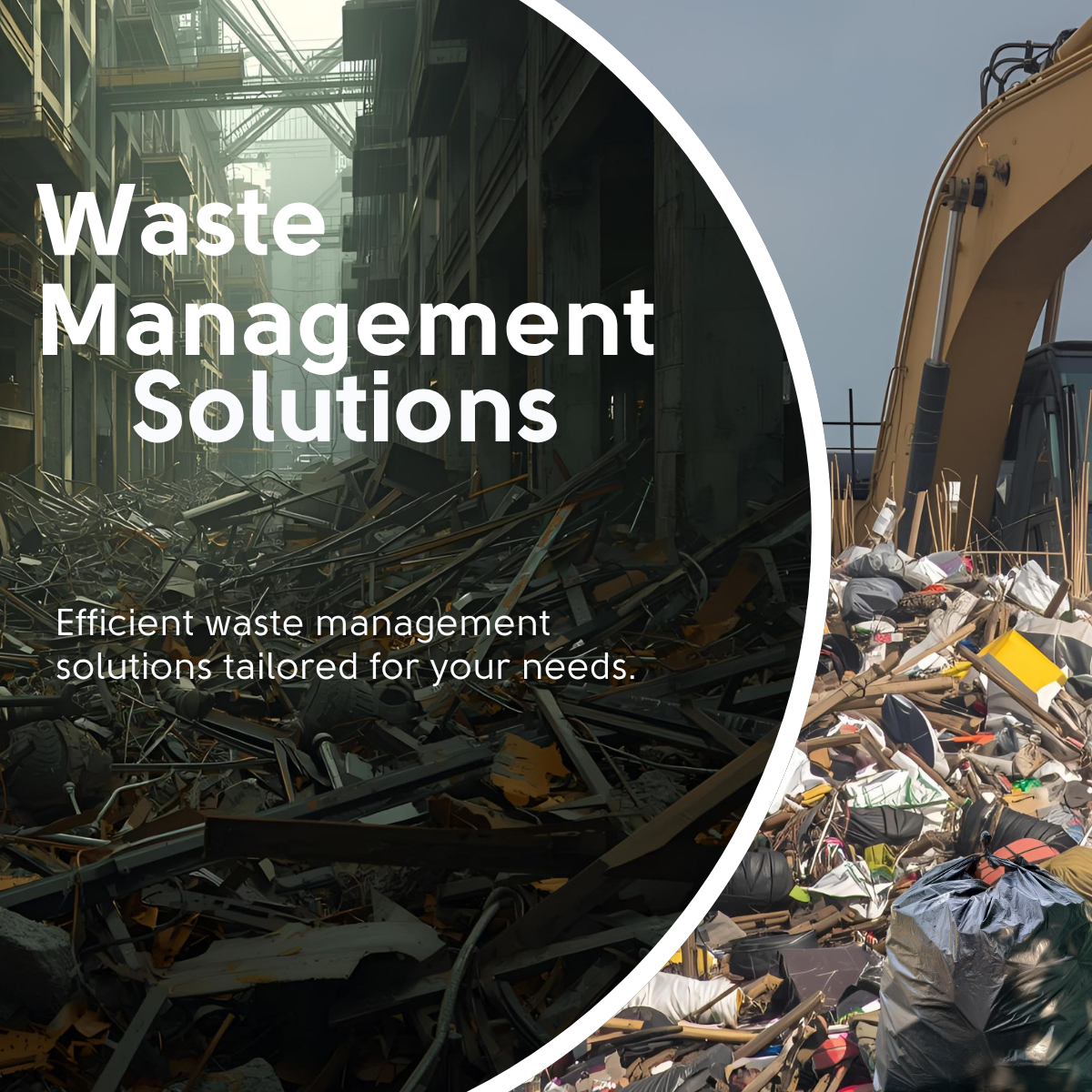

Introduction – The Hidden Side of Construction
Whenever a new building comes up — whether it’s a home, office, hospital, or school — it creates something we often ignore: construction waste.
Concrete pieces, bricks, broken tiles, wood scraps, sand, and packaging materials together form construction and demolition waste (C&D waste).
If not handled properly, this waste can block drains, pollute soil and water, and harm the environment.
At Kanakdhara Developer Pvt. Ltd., we believe construction isn’t complete until the waste is managed responsibly. This article will help you understand how to handle construction waste management in a smart, clean, and lawful way.
1. What is Construction Waste?
Construction waste refers to the unwanted materials that come from building, renovation, and demolition activities.
It includes things like:
- Broken bricks, cement, and concrete
- Steel and iron scraps
- Wooden planks and packaging
- Glass, tiles, and ceramics
- Electrical wires and pipes
- Soil and stones from excavation
Why It Matters
India produces over 150 million tonnes of construction waste every year, and much of it ends up in open land or near roads. This creates serious health and environmental problems.
That’s why the Government of India introduced the Construction and Demolition Waste Management Rules, 2016, to regulate how this waste should be handled.
Legal Rules for Construction Waste Management in India
The Construction and Demolition Waste Management Rules (2016) make it compulsory for all builders, contractors, and developers to:
- Segregate waste at the construction site itself.
- Store waste in a safe and separate area until it’s collected.
- Transport debris to authorized recycling or disposal facilities.
- Avoid illegal dumping on roads, empty plots, or water bodies.
- Maintain records of waste quantity, type, and disposal method.
In Uttar Pradesh, local authorities like Lucknow Nagar Nigam and Kanpur Development Authority monitor compliance.
As a responsible construction company, Kanakdhara Developer always follows these legal and environmental standards on every site.
Why Construction Waste Management is Important
Construction waste management is not only about cleanliness — it’s about saving nature, money, and reputation.
Environmental Protection
Uncontrolled dumping of debris can choke drains, pollute rivers, and damage soil. Managing waste properly helps protect natural resources.
Cost Savings
Recycling materials like steel, wood, and bricks reduces the need to buy new ones, saving 10–15% of project costs.
Safer and Cleaner Worksite
A clean construction site prevents accidents and improves worker efficiency.
Compliance and Goodwill
Following waste management rules avoids penalties and strengthens your company’s image as an eco-friendly builder.
Types of Construction Waste
There are several types of construction waste, each requiring different handling:
Type | Examples | Can It Be Reused/Recycled? |
Concrete & Masonry | Broken bricks, cement blocks | Yes — can be crushed and reused as road base or aggregate |
Metals | Steel bars, aluminum frames | Yes — fully recyclable |
Wood | Shuttering plywood, timber | Yes — can be reused or converted into MDF |
Glass & Tiles | Broken glass, ceramic tiles | Yes — partially recyclable |
Plastics | Pipes, insulation, packaging | Yes — can be recycled or reused |
Soil & Stones | Excavated soil and gravel | Yes — reusable for leveling or filling |
Hazardous Waste | Paint, chemicals, adhesives | Handle carefully and dispose safely |
Step-by-Step Guide to Handle Construction Waste
Let’s go step by step to make it easy for everyone — builders, workers, and homeowners alike.
Step 1: Plan Before You Start Construction
Before construction begins, prepare a Waste Management Plan (WMP).
This plan should include:
- The type and quantity of waste expected
- Areas for collection and storage
- Details of recyclers or transporters
- Safety measures for hazardous materials
Proper planning reduces waste, saves cost, and keeps your project site organized.
Step 2: Segregate Waste at the Site
Segregation means separating different types of waste at the source.
Use color-coded bins or sections for:
- Recyclable materials (metal, glass, plastic)
- Reusable materials (bricks, soil, tiles)
- Non-recyclable waste (contaminated or mixed debris)
- Hazardous waste (paints, adhesives, solvents)
Kanakdhara Developer ensures that every project site has separate waste containers to make recycling easier.
Step 3: Store Waste Properly
Waste should be stored in a safe and covered area to avoid dust and pollution.
Here’s how:
- Keep debris within fenced or designated zones
- Cover with tarpaulin sheets to protect from rain
- Store metal and wood separately
- Use labeled containers for chemicals and hazardous materials
Proper storage also ensures compliance during inspection by local authorities.
Step 4: Reuse Materials Whenever Possible
Not all waste is truly waste! Many materials can be reused directly on the same site.
Examples:
- Bricks – reuse for boundary walls or temporary sheds.
- Steel rods – straighten and reuse for small structural work.
- Soil – use for leveling and landscaping.
- Tiles – use leftover tiles in toilets or storerooms.
- Wood – reuse for shuttering or furniture.
Kanakdhara Developer follows a reuse-first approach to minimize new material purchase and waste generation.
Step 5: Send Recyclable Waste to Authorized Facilities
Partner with licensed recyclers or municipal agencies that handle C&D waste.
Cities like Lucknow, Kanpur, and Prayagraj now have C&D waste recycling plants that process concrete and metal waste into reusable aggregates or paver blocks.
Always keep receipts or challans from recyclers to prove legal and responsible disposal.
Step 6: Safely Dispose of Non-Recyclable Waste
Certain waste, like insulation material, paint cans, or contaminated soil, cannot be recycled.
This should be:
- Separated from other materials
- Packed securely in bags or drums
- Transported to an authorized landfill or hazardous waste site
Never burn debris on-site — it releases toxic gases and is strictly prohibited by law.
Step 7: Monitor and Maintain Records
Keep a simple record or logbook showing:
- Type of waste generated
- Quantity (in kg or truckloads)
- Where it was sent (recycled, reused, or disposed)
- Date and transport details
Kanakdhara Developer maintains digital and manual waste logs for every project, ensuring full transparency.
Modern Methods and Technologies for Waste Management
The construction industry is evolving — and so are the tools for waste handling.
Mobile Crushers
Machines that crush concrete and masonry on-site into smaller pieces for reuse.
Screening Machines
Used to separate sand, soil, and stones efficiently at the construction site.
Recycling Plants
Large plants that process waste into aggregates, bricks, and tiles.
Waste Management Apps
Software that helps builders track how much waste is generated, collected, and recycled.
At Kanakdhara Developer, we support using such modern, eco-friendly tools in all major projects across Uttar Pradesh.
Roles and Responsibilities in Waste Management
Handling waste isn’t the job of one person — it’s a team effort.
Who | What They Do |
Developers/Contractors | Plan, supervise, and ensure proper waste handling |
Site Engineers | Guide workers and monitor segregation |
Labourers | Follow instructions and place waste in correct bins |
Municipal Body | Provide recycling and collection services |
Recycling Units | Process and reuse materials |
Clients/Owners | Support eco-friendly construction practices |
When everyone plays their part, waste management becomes smooth and effective.
Benefits of Proper Construction Waste Management
Managing construction waste correctly brings multiple benefits:
1. Environmental Protection
Reduces pollution, saves natural resources, and promotes a cleaner atmosphere.
2. Resource Recovery
Recycling converts waste into useful raw materials — reducing dependency on new supplies.
3. Cost Efficiency
Less waste means fewer disposal charges and lower material costs.
4. Compliance
Avoids fines and legal troubles under waste management rules.
5. Brand Image
An eco-friendly company earns trust and respect from clients and society.
Common Challenges and Practical Solutions
Challenge 1: Lack of Awareness
Many small builders are unaware of waste rules.
Solution: Conduct site workshops and training in simple Hindi/English.
Challenge 2: Limited Space on Site
Urban plots often lack waste zones.
Solution: Use portable bins or daily pickup arrangements.
Challenge 3: No Nearby Recycling Plant
Some towns don’t have C&D recycling facilities.
Solution: Partner with private recyclers or reuse more materials on-site.
Challenge 4: Mixed Waste
When waste is mixed, it’s hard to recycle.
Solution: Educate workers and enforce color-coded segregation.
Kanakdhara Developer trains every worker before starting any project to make sure waste is handled correctly.
Best Practices Followed by Kanakdhara Developer
At Kanakdhara Developer Pvt. Ltd., we integrate waste management into every stage of construction.
Here are a few practices we follow:
- Segregation Zones – Each site has labeled and color-coded bins.
- Daily Waste Tracking – Supervisors record waste quantity every day.
- Reuse and Recycling Policy – We reuse up to 80% of suitable materials.
- Tie-ups with Recyclers – Authorized facilities handle debris collection.
- Worker Training – Regular awareness programs for on-site staff.
- Sustainable Design – Use of materials that generate minimal waste.
These practices make our sites cleaner, safer, and environmentally responsible.
Simple Checklist for Construction Waste Management
✅ Prepare a waste management plan before starting work.
✅ Segregate waste into recyclable, reusable, and hazardous types.
✅ Store debris in covered and safe areas.
✅ Reuse materials like bricks, steel, wood, and soil.
✅ Send debris only to authorized recycling plants.
✅ Maintain records of waste movement and disposal.
✅ Train site staff and workers regularly.