
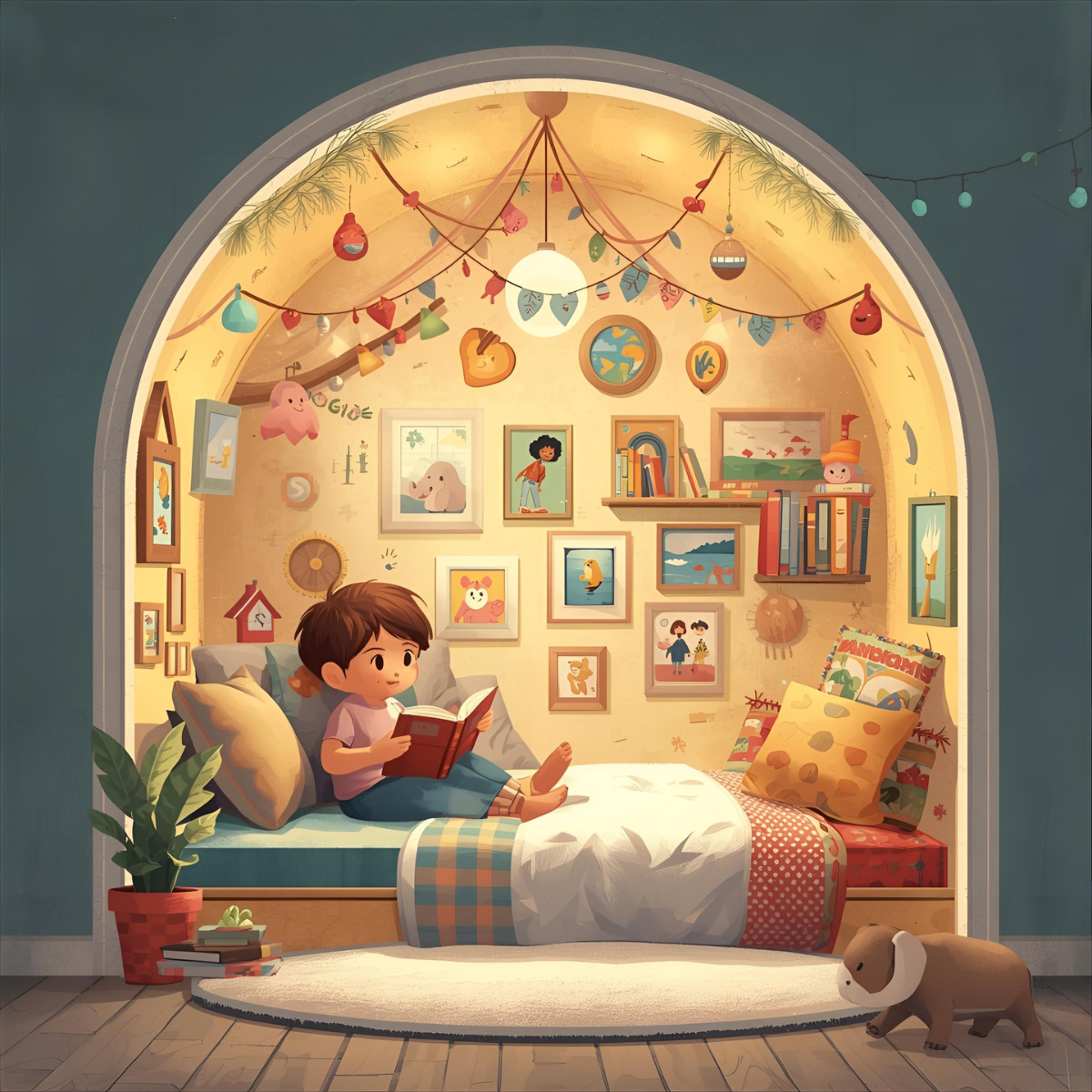

Designing a home that’s stylish, safe, and comfortable for children is both exciting and challenging. Modern parents want homes that are functional and beautiful, yet flexible enough to grow with their kids. That’s where kid friendly interiors come in — spaces that balance creativity, safety, and practicality while keeping the joy of childhood alive.
Let’s explore how to design a space that encourages imagination, supports development, and remains appealing for the entire family.
What Are Kid-Friendly Interiors?
The term kid friendly interiors refers to spaces designed keeping in mind the needs, safety, and comfort of children — from toddlers to teens. These interiors focus on creating an environment that promotes play, learning, and togetherness while being durable and easy to maintain.
It’s not about making your home look like a playground; it’s about blending fun elements with smart design choices. Whether it’s soft edges, easy-to-clean materials, or playful colors, every detail matters when crafting a child-friendly space.
1. Safety Comes First
When creating kid friendly interiors, safety is the top priority. Every design element — from furniture placement to electrical fittings — should minimize potential risks.
Avoid sharp-edged furniture and opt for rounded corners. Secure heavy shelves and cabinets to walls. Use anti-skid flooring materials, especially in play areas and bathrooms. Cover electrical sockets and keep small decorative items out of reach.
A safe home allows children to explore freely and gives parents peace of mind — the foundation of every child-friendly design.
2. Choose Durable and Easy-to-Maintain Materials
Children are full of energy, and that means spills, scribbles, and little accidents are inevitable. The best kid friendly interiors use materials that can handle daily wear and tear.
For flooring, go for vinyl, laminate, or matte tiles that are easy to clean and slip-resistant. For walls, washable or wipeable paint is a smart choice. You can even use chalkboard or magnetic walls for creative play without worrying about stains.
Furniture made of solid wood or high-quality plastic is both durable and safe. Choose upholstery fabrics that are stain-resistant or machine-washable to make cleaning easier.
3. Use Bright, Cheerful Colors
Color has a powerful impact on mood and creativity. Kid friendly interiors often feature bright, playful hues that bring energy and warmth into the room.
Soft pastel shades work well for nurseries and younger kids, while older children may prefer bold or themed color palettes. You can also create accent walls with murals or nature-inspired designs.
The key is to create an environment that feels lively without being overwhelming. Balance bright tones with neutral shades for a calm yet happy vibe.
4. Create Multi-Functional Spaces
Modern homes require designs that serve multiple purposes, especially when you have kids. Smartly planned kid friendly interiors often include spaces that can transform easily — like a play area that doubles as a study zone or a living room that can become a mini movie space on weekends.
Use modular furniture like foldable tables, movable shelves, or sofa beds. This flexibility keeps your home clutter-free and adaptable as your children grow.
5. Encourage Creativity Through Design
Children thrive in environments that stimulate imagination. A well-designed kid friendly interior can encourage learning, art, and creativity.
Add a chalkboard wall or an art corner where they can draw freely. Use wall decals with educational themes like the alphabet, animals, or world maps. Create reading nooks with cozy cushions and good lighting.
A small craft table or LEGO station can turn free time into productive play — helping your child learn while having fun.
6. Smart Storage Solutions
One of the biggest challenges in family homes is keeping things organized. That’s why kid friendly interiors focus heavily on smart storage solutions.
Incorporate low-level shelves, toy baskets, and storage benches so that children can easily access and organize their things. Beds with drawers, wardrobes with compartments, and labeled bins help maintain order while teaching kids responsibility.
When storage is accessible and fun, even cleanup becomes part of playtime.
7. Make Room for Growth
Children grow quickly, and so should your interiors. Instead of fixed furniture or baby-specific themes, choose adaptable designs.
For example, a convertible crib that becomes a toddler bed or a study table that can be adjusted in height ensures that your kid friendly interiors evolve with your child’s needs. Neutral backgrounds with changeable accessories make updates easier as your child’s interests change.
8. Lighting Makes a Big Difference
Lighting can completely transform the mood of a room and is essential in designing kid friendly interiors. Natural light is always the best — it boosts positivity and helps regulate children’s sleep patterns.
Use large windows or sheer curtains to let sunlight in. Combine ambient, task, and night lighting for a balanced setup. Add fun-shaped lamps or ceiling lights to create a cozy, playful feel at night.
A well-lit home not only looks beautiful but also keeps children active and cheerful.
9. Add Nature and Greenery
Nature plays an important role in a child’s development. Incorporating natural materials and greenery in kid friendly interiors promotes calmness and connection to the environment.
You can use indoor plants that are safe for kids, wooden textures for warmth, and earthy tones for a soothing environment. Natural fabrics like cotton or linen are gentle and breathable, perfect for bedding or curtains.
A nature-inspired room creates a peaceful retreat amid urban living.
10. Balance Fun and Function
While bright colors and playful furniture make interiors appealing to kids, functionality should never be compromised. The most successful kid friendly interiors are those where design and practicality meet seamlessly.
Every space — from playrooms to bedrooms — should have a clear purpose. Keep enough open floor area for movement, use soft rugs for safety, and choose furniture that complements the overall aesthetic of your home.
Technology and Smart Design in Kid Friendly Interiors
Today’s modern homes are integrating smart technology even into children’s rooms. From motion-sensor night lights to temperature-controlled rooms and smart air purifiers, technology enhances comfort and safety.
For instance, app-controlled lighting can create bedtime routines, while voice assistants can help with learning activities. Combining technology with design results in kid friendly interiors that are not only safe but also future-ready.
Involving Kids in the Design Process
Another unique idea when designing kid friendly interiors is involving your children in the process. Let them pick colors, choose décor themes, or decide where their study area should be.
When kids feel ownership over their space, they tend to take better care of it. Plus, it helps you understand their preferences and creativity better — turning interior design into a fun family project.
Budget-Friendly Ideas for Every Home
Creating kid friendly interiors doesn’t always require expensive furniture or remodeling. Small changes like adding colorful cushions, wall stickers, or flexible storage units can make a big impact.
DIY shelves, affordable fabric upgrades, and smart lighting are all budget-friendly ways to make your home more child-centric. The key is thoughtful planning, not high spending.
The Emotional Aspect of Kid Friendly Interiors
Beyond design and aesthetics, kid friendly interiors create emotional warmth. It’s about designing a home that feels safe, joyful, and full of love — where every corner encourages growth and creativity.
The spaces where children play, read, and dream become lifelong memories. A well-designed home is not just about comfort — it’s about nurturing happiness.
Conclusion
Designing kid friendly interiors is about finding the perfect balance between creativity, comfort, and safety. It’s about building a home that supports your child’s imagination, learning, and growth — while staying stylish and easy to maintain.
From smart storage and playful themes to natural light and durable materials, every detail contributes to making your home a safe, joyful, and inspiring space.
A well-thought-out design ensures that your children not only live comfortably but also grow in an environment that motivates and protects them every day.