
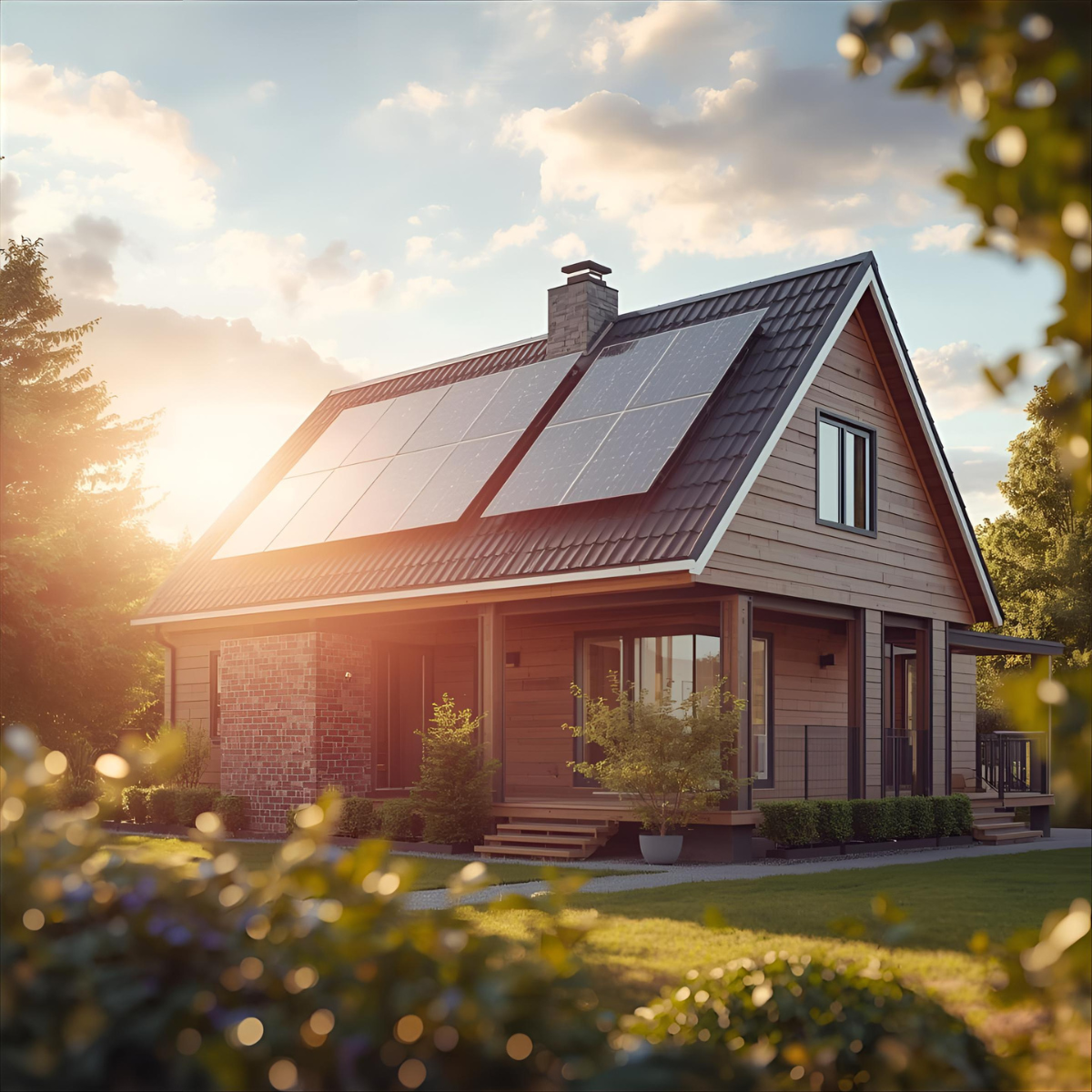

With increasing electricity costs, rising temperatures, and growing environmental concerns, energy-efficient houses are no longer just a trend — they are a necessity in modern India.
An energy-efficient home uses design, materials, and technology to minimize energy consumption, reduce carbon emissions, and cut down utility bills — all while providing maximum comfort to the occupants.
At Kanakdhara Developers Pvt. Ltd., known for delivering the best construction services in Lucknow, energy efficiency is integrated into every stage — from planning and design to material selection and execution.
Let’s explore practical ways to build energy-efficient houses in India, with real-world examples, materials, and simple steps you can actually use.
Start with Smart House Design
Energy efficiency starts before the first brick is laid. The way your home is designed — its shape, direction, and layout — plays a massive role in how much energy it will consume throughout its life.
Key Design Principles:
- Orientation:
Position your home to make the most of natural sunlight and ventilation.- North or northeast-facing windows let in gentle morning light.
- Avoid large west-facing openings to reduce afternoon heat.
- Layout:
Keep living areas (like the living room and kitchen) in the east or north side and bedrooms in the south to stay cooler. - Cross Ventilation:
Plan windows and vents opposite each other to let air flow freely and reduce the need for fans or ACs.
Example:
In cities like Lucknow, where summers are hot and winters are mild, architects at Kanakdhara Developers use climate-responsive designs — large windows with shading elements, courtyards for airflow, and verandas that keep interiors cooler naturally.
Use Eco-Friendly and Insulating Building Materials
The materials you choose determine how much heat your home absorbs or releases. Using thermally efficient materials helps keep the inside cooler in summer and warmer in winter — reducing energy use year-round.
Recommended Materials:
- Fly Ash Bricks:
Made from industrial by-products, they are lightweight, cost-effective, and excellent at insulation. - Autoclaved Aerated Concrete (AAC) Blocks:
These blocks trap air within, keeping walls cool and reducing the need for air conditioning. - Reflective Roof Tiles / Cool Roof Coatings:
Reflect sunlight instead of absorbing it — lowering indoor temperatures by 3–5°C. - Double-Glazed Windows:
Reduce heat transfer and outside noise, ideal for urban homes. - Natural Materials:
Locally sourced clay, bamboo, and stone are sustainable and naturally temperature-regulating.
Example:
Kanakdhara Developers use AAC blocks and reflective roofing tiles in residential projects across Uttar Pradesh to maintain thermal comfort and reduce energy bills by up to 25%.
Harness Solar Energy
Solar energy is one of India’s biggest natural resources — abundant, renewable, and affordable in the long run.
How to Use Solar Energy in Your Home:
- Solar Panels:
Install rooftop solar panels to generate electricity. A 3kW system can easily power a medium-sized house and recover costs in 4–5 years. - Solar Water Heaters:
These systems use sunlight to heat water, saving nearly 60–70% of your annual water heating cost. - Solar Lighting:
Use solar-powered outdoor lights for gardens, terraces, and driveways.
Example:
Several housing projects built by Kanakdhara Developers in Lucknow and Ayodhya now include solar panel integration as part of their sustainable design approach — helping residents save both money and energy.
Optimize Natural Ventilation and Lighting
Good ventilation and lighting can drastically reduce your reliance on electricity. The goal is to make your house breathe and stay bright during the day without needing fans or lights.
Practical Tips:
- Place windows opposite each other for cross-ventilation.
- Use louvered windows or ventilators near ceilings to let hot air escape.
- Add skylights or light wells in staircases or corridors to bring in daylight.
- Keep trees or vertical gardens near windows to cool the breeze naturally.
Example:
In many of Kanakdhara’s projects, homes feature courtyards, ventilated roofing, and large shaded windows, ensuring constant airflow even in peak summer months — reducing indoor temperature naturally by 2–4°C.
Install Energy-Efficient Appliances
Even with the best design and materials, an energy-efficient house must include energy-saving electrical and water systems.
Must-Have Appliances:
- LED Lights: Consume up to 75% less power than traditional bulbs.
- 5-Star Rated Fans & ACs: Approved by BEE (Bureau of Energy Efficiency).
- Smart Thermostats: Automatically adjust cooling or heating to maintain comfort.
- Inverter-Based Refrigerators & Air Conditioners: Lower power consumption during operation.
- Low-Flow Water Fixtures: Reduce water usage in taps, showers, and flushes.
Example:
Modern homes built by Kanakdhara Developers, part of the best construction services in Lucknow, now feature IoT-enabled smart lighting systems that allow homeowners to monitor and reduce power usage via mobile apps.
Rainwater Harvesting and Water Conservation
Energy efficiency is not just about electricity — water management is equally important. Reusing and recycling water reduces the energy required for pumping and treatment.
Effective Water-Saving Steps:
- Install rainwater harvesting systems to collect roof runoff for gardening or flushing.
- Use permeable pavements to let rainwater soak into the ground.
- Set up greywater recycling systems to reuse water from sinks and washing machines.
- Plant native, drought-resistant plants to reduce irrigation needs.
Example:
Kanakdhara Developers incorporate rainwater harvesting tanks and drip irrigation systems in residential and institutional projects, helping communities save thousands of liters of water annually.
Insulate Roofs and Walls Properly
In India, the roof receives the highest exposure to sunlight, making it a major source of indoor heat gain. Proper insulation keeps homes cooler and significantly reduces air-conditioning loads.
Practical Solutions:
- Cool Roof Paints or Coatings: Reflect sunlight and reduce heat absorption.
- Thermal Insulation Sheets: Placed below the roof slab to maintain indoor comfort.
- Green Roofs: Covered with plants and grass to naturally absorb heat.
Example:
In Lucknow, Kanakdhara Developers use XPS thermal insulation boards and white reflective tiles in roofing systems to keep indoor temperatures pleasant even during peak summers.
Use Smart Windows and Shading Devices
Windows are both a source of natural light and heat. Smart window design reduces unwanted heat gain while letting in daylight.
Tips for Energy-Saving Windows:
- Install double-glazed glass for insulation.
- Use external shades, louvers, or overhangs to block harsh sunlight
- Apply solar control films on windows.
- Grow climbing plants or creepers on pergolas for natural shading.
Example:
In projects across Prayagraj and Kanpur, Kanakdhara Developers use aluminum frames with double-glazed glass and external louvers, cutting down heat infiltration by 40%.
Smart Home Automation Systems
Technology can take your home’s efficiency to the next level. Smart automation systems monitor and control power use intelligently.
Smart Solutions to Include:
- Motion Sensors: Turn lights and fans on/off automatically.
- Smart Plugs: Track and control appliance power consumption.
- Programmable Thermostats: Adjust temperature based on occupancy.
- Smart Water Heaters: Heat only when needed.
Example:
Several modern homes in Lucknow’s premium areas, developed by Kanakdhara Developers, now use motion-sensing LED systems and automated climate controls, reducing electricity bills by up to 30%.
Use Local and Sustainable Materials
Building with locally available materials not only supports local industries but also reduces the carbon footprint caused by long-distance transportation.
Examples of Local Sustainable Materials in India:
- Laterite and sandstone (used in North India)
- Coconut timber and bamboo (used in coastal regions)
- Clay tiles and natural lime plaster for thermal comfort
- Compressed Stabilized Earth Blocks (CSEB) — made on-site, reusable, and eco-friendly
Example:
Kanakdhara Developers combine local stonework and fly ash bricks in many Lucknow housing projects to create a perfect blend of tradition, durability, and sustainability.
Government Support and Green Building Certifications
The Indian government encourages sustainable construction through various programs and incentives. Builders and homeowners can benefit from certifications that validate energy efficiency.
Major Certifications:
- GRIHA (Green Rating for Integrated Habitat Assessment)
- LEED India (Leadership in Energy and Environmental Design)
- IGBC Green Homes Certification
Homes certified under these programs often receive tax rebates, higher resale value, and long-term energy savings.
Example:
Projects designed by Kanakdhara Developers Pvt. Ltd., offering the best construction services in Lucknow, follow GRIHA and IGBC guidelines to ensure every home is energy-smart and environmentally responsible.
Long-Term Benefits of Energy-Efficient Homes
Building an energy-efficient house may seem like a slightly higher initial investment, but the long-term benefits far outweigh the cost.
Key Advantages:
- 30–50% lower energy bills
- Comfortable indoor climate throughout the year
- Lower maintenance costs
- Reduced carbon footprint
- Higher resale value
- Healthier living environment
Energy-efficient homes are the future of sustainable urban living — and India is ready for it.
Building an energy-efficient house in India isn’t about expensive technology — it’s about smart planning, the right materials, and expert execution.
By combining modern innovations with traditional climate wisdom, we can create homes that are comfortable, affordable, and kind to the planet.
At Kanakdhara Developers Pvt. Ltd., we believe every home should be designed for sustainability — from solar-ready rooftops to insulated walls and water-saving systems. As one of the best construction services in Lucknow, we are committed to shaping a greener and brighter future, one home at a time.