
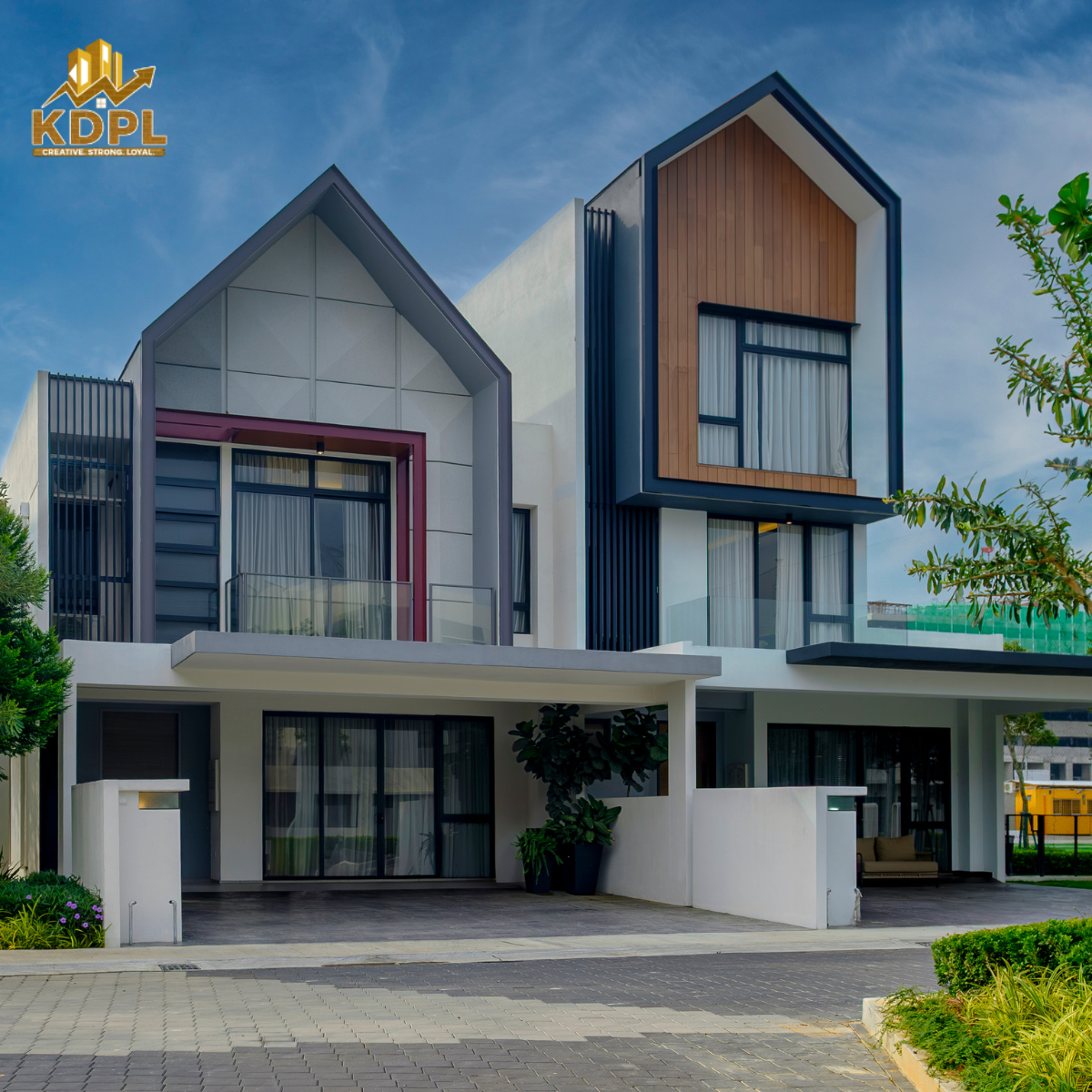

Building a duplex house is an excellent choice for families who want to live close together, generate rental income, or invest in real estate. A duplex is a residential building divided into two separate living units, usually sharing a common wall, floor, or ceiling. It combines the benefits of privacy, affordability, and income potential, making it a popular housing option in urban and suburban areas.
In this complete guide, we will walk you through how to build a duplex house, covering planning, design, construction, legal requirements, and finishing touches. This step-by-step guide is crafted in simple language so anyone can understand the process, whether you are a first-time homeowner or an investor
1. Understanding the Basics of a Duplex House
Before starting construction, it’s important to understand what a duplex is and why it might be the right choice for you.
- Types of Duplex Houses:
- Side-by-side duplex: Both units are next to each other, often with separate entrances.
- Side-by-side duplex: Both units are next to each other, often with separate entrances.
Up-and-down duplex: One unit is on the ground floor, and the other is on the first floor.
- Benefits of Building a Duplex:
- Provides rental income or extra living space.
- Saves land cost since two units share a single plot.
- Offers privacy while still being part of the same property.
- Provides rental income or extra living space.
Knowing these basics helps in planning a design that suits your needs and budget.
2. Planning Your Duplex Project
Set a Budget:
Determine the total cost of land, construction, permits, and finishing. Include a buffer of 10–15% for unexpected expenses.
Choose the Right Land:
Look for a plot that is suitable for a duplex. Consider factors like size, shape, orientation, and accessibility. Ensure that the land is approved for residential construction.
Understand Local Regulations:
Check local zoning laws, building codes, and height restrictions. Obtain necessary permits before starting construction to avoid legal issues later.
Define Your Requirements:
Decide the number of bedrooms, bathrooms, living spaces, and whether each unit will have separate entrances, gardens, or parking. This will guide your architectural design.
3. Designing Your Duplex House
The design phase shapes how your duplex will look, function, and feel. Engaging an architect or using professional design services ensures that your duplex is both practical and visually appealing.
Layout Planning:
Plan the floor layout so that each unit has adequate space, privacy, and natural light. Consider positioning bedrooms away from noisy streets and placing living rooms where they receive maximum sunlight.
Separate or Shared Amenities:
Decide which facilities will be shared (like parking or garden) and which will be separate (like kitchens and bathrooms).
Energy Efficiency:
Design your duplex with energy efficiency in mind. Position windows for cross-ventilation, use natural lighting, and plan for insulation to reduce electricity costs.
Future Expansion:
Consider leaving space for future extensions or modifications. A flexible design increases property value over time.
4. Choosing Construction Materials
Selecting the right construction materials ensures durability, cost-effectiveness, and a comfortable living environment.
Foundation Materials:
Strong foundations are critical. Use reinforced concrete or high-quality cement to ensure stability.
Walls and Roof:
Common choices include brick, concrete blocks, or fly-ash blocks for walls, and RCC or lightweight roofing for the top structure.
Flooring:
Tiles, marble, or polished concrete are popular options. Use anti-slip materials in bathrooms and kitchens for safety.
- Eco-Friendly Options:
Consider sustainable materials like bamboo, recycled steel, or low-carbon bricks for an environmentally friendly build.
Good material choices reduce maintenance costs and make the duplex long-lasting.
5. Legal Documentation and Approvals
Before starting construction, you must secure the required legal approvals. Skipping this step can lead to fines, demolition, or delays.
- Land Ownership Documents:
Ensure clear title of the land with verified ownership papers. - Building Permit:
Submit your architectural plans to local authorities to get construction approval. - No Objection Certificates (NOCs):
Obtain NOCs from local bodies, fire departments, and environmental authorities if needed. - Compliance with Zoning Laws:
Make sure the duplex design follows regulations related to building height, setbacks, and floor-area ratio (FAR).
Legal compliance protects your investment and ensures smooth construction.
6. Construction Process Step by Step
Building a duplex involves several phases. Hiring a professional contractor or construction team is recommended to ensure quality and timely completion.
Step 1: Site Preparation
Clear the land, level it, and mark the boundaries. Ensure proper drainage and foundation layout.
Step 2: Foundation Construction
Excavate the site and pour a strong concrete foundation. Foundations can include strip footing, raft foundation, or pile foundation depending on soil quality.
Step 3: Structural Work
Build the walls, beams, and columns using the chosen construction materials. Ensure proper alignment and strength for long-term durability.
Step 4: Roofing
Construct the roof using reinforced concrete or lightweight materials. Include waterproofing to prevent leakage and insulation for temperature control.
Step 5: Electrical and Plumbing Work
Install electrical wiring, lighting points, water supply, and drainage systems before plastering walls. Plan for separate utilities for each unit if required.
Step 6: Plastering and Flooring
Plaster walls for a smooth finish, and lay tiles, marble, or other flooring materials. Ensure flooring levels are even and durable.
Step 7: Doors, Windows, and Painting
Install windows and doors for security and aesthetics. Apply paint, considering light colors to reflect heat and reduce cooling costs.
Step 8: Exterior and Landscaping
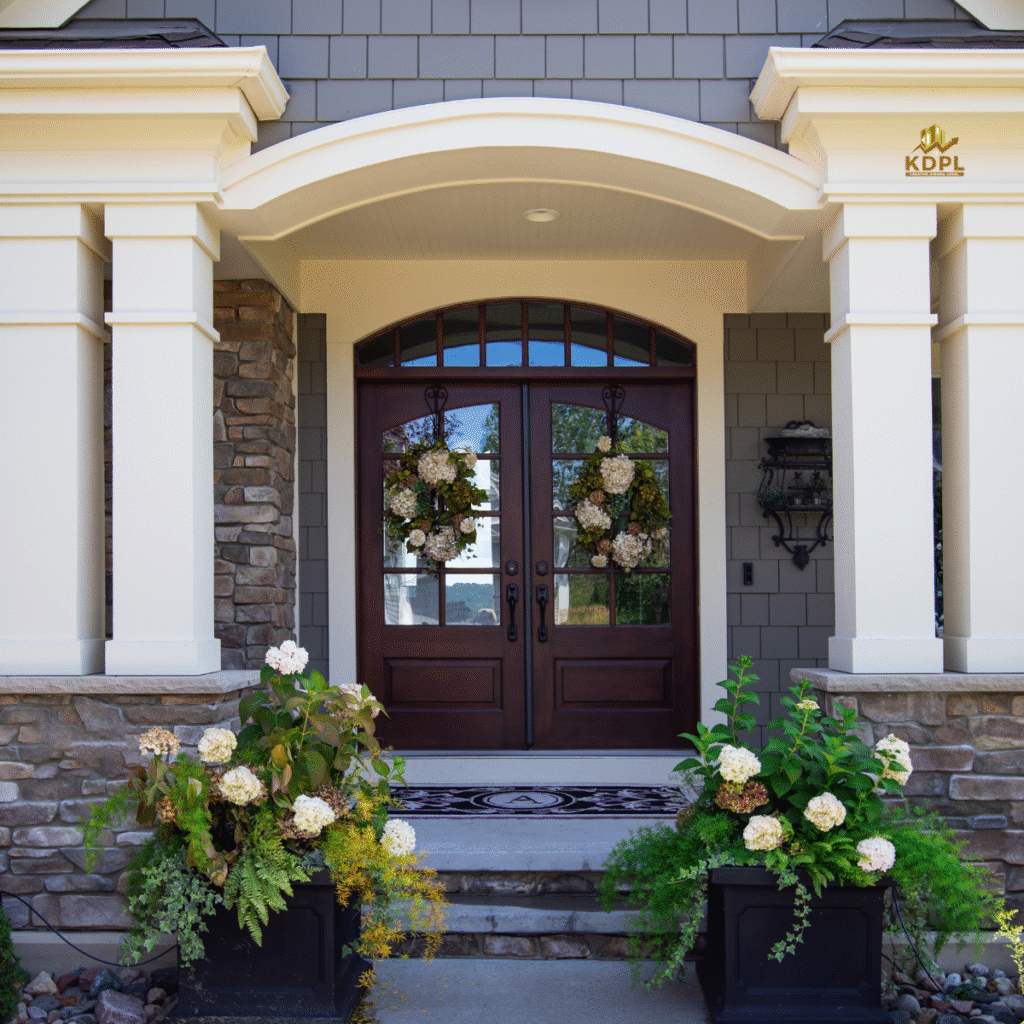
Complete exterior work, including driveways, fences, balconies, and gardens. Landscaping adds beauty and value to the property.
7. Interior Design Tips
The interior design of a duplex should be functional, stylish, and comfortable.
- Maximize Space:
Use space-saving furniture, open layouts, and multifunctional areas to make the units feel larger. - Separate Interiors for Each Unit:
Customize interiors to reflect the needs and personality of each household, ensuring privacy and comfort. - Lighting and Ventilation:
Use a mix of natural and artificial lighting. Skylights, large windows, and exhaust fans improve air circulation - Storage Solutions: Incorporate built-in cupboards, wardrobes, and storage under stairs to keep the space organized.
8. Cost Estimation and Budgeting
Building a duplex can be more cost-effective than two separate houses, but careful budgeting is essential.
- Land Cost: Includes purchase price and registration fees.
- Construction Cost: Covers materials, labor, and machinery.
- Finishing Cost: Flooring, painting, electrical fittings, plumbing fixtures, and furniture.
- Contingency Fund: Keep 10–15% extra for unexpected expenses.
A detailed budget plan ensures that the project progresses smoothly without financial surprises.
9. Hiring Professionals
Building a duplex requires coordination among various professionals:
- Architect: Designs functional and aesthetically pleasing layouts.
- Civil Engineer: Ensures structural integrity and proper construction.
- Contractor/Builder: Manages labor, materials, and timelines.
- Interior Designer: Optimizes interior space and styling.
Hiring skilled professionals ensures quality, compliance, and efficiency in construction.
10. Renting or Selling the Duplex
Once construction is complete, a duplex can serve multiple purposes:
- Rental Income: Renting one or both units can provide a steady source of income.
- Multi-Generational Living: Families can live close together while maintaining privacy.
- Resale Value: A well-built duplex is a valuable investment in the real estate market.
Proper planning during construction ensures that the property is functional and appealing for tenants or buyers.
11. Maintenance of a Duplex House
Maintaining a duplex is easier if planned during construction:
- Separate Utility Connections: Helps manage electricity, water, and gas for each unit efficiently.
- Regular Repairs: Check plumbing, electrical systems, and roof for wear and tear.
- Landscaping Care: Maintain gardens, fences, and driveways to preserve aesthetics.
- Cleaning and Upkeep: Encourage tenants or occupants to follow house rules for cleanliness and maintenance.
A well-maintained duplex preserves its value and ensures long-term comfort.
Conclusion
Building a duplex house is a smart investment that combines functionality, privacy, and potential income. By following this complete guide—understanding the basics, planning, designing efficiently, selecting quality materials, complying with legal requirements, and managing construction—you can successfully build a duplex that meets your needs and stands the test of time.
Whether you plan to live in one unit and rent the other, accommodate an extended family, or invest in real estate, a well-constructed duplex offers versatility, comfort, and financial benefits. Careful planning, quality construction, and regular maintenance are the keys to making your duplex house a lasting and profitable home.