
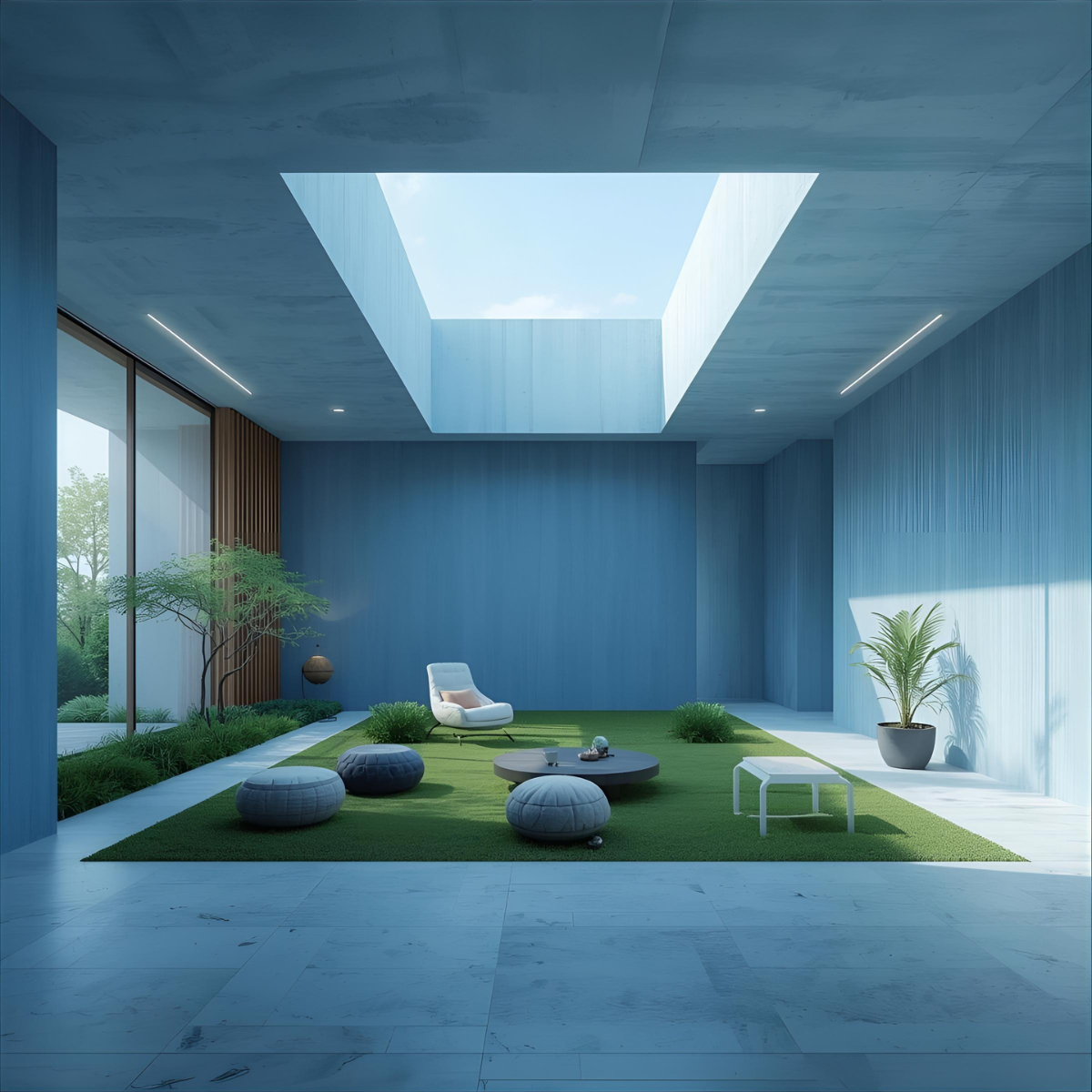

We often think of interior design as something purely visual — a matter of colors, furniture, and layout. But design is far more than what meets the eye. The spaces we live and work in profoundly influence how we feel, think, and behave.
From the natural light in your living room to the shape of your furniture, every design element has a subtle psychological effect. A cluttered or dark room can make you feel stressed, while a well-designed, balanced space can calm your mind, inspire creativity, and improve focus.
At Kanakdhara Developer Pvt. Ltd., we believe interior design isn’t just about beauty — it’s about well-being. Let’s explore how the right design choices can enhance mental health and create homes that truly nurture happiness.
1. The Psychology of Space: How Design Affects the Mind
Your surroundings constantly send signals to your brain. These signals — visual, spatial, and sensory — can either promote calmness or cause anxiety.
For example:
- A dark, enclosed room can trigger feelings of confinement.
- A bright, open space can inspire relaxation and positivity.
- Harsh lighting can cause eye strain and irritability.
- Warm lighting creates comfort and peace.
Interior design taps into environmental psychology — the study of how physical spaces affect behavior and emotions. When design is intentional, it can support emotional well-being, productivity, and even physical health.
2. The Power of Natural Light on Mood
Sunlight is nature’s antidepressant. Exposure to natural light increases serotonin levels, the hormone responsible for happiness and focus.
In contrast, dark interiors can contribute to fatigue, low mood, and even Seasonal Affective Disorder (SAD).
Design Tips for More Light and Energy:
- Use large windows or skylights where possible.
- Replace heavy curtains with sheer or light fabrics.
- Add mirrors opposite windows to bounce sunlight.
- Choose light-colored paints to reflect brightness.
Real-World Example:
A client in Lucknow remodeled their living room with wider windows and cream-colored walls. Within weeks, they reported feeling more active and cheerful during the day — a small design change made a big psychological difference.
3. Color Psychology: How Colors Shape Emotions
Colors have a direct impact on our emotions and mental state. The right color palette can soothe stress, boost creativity, or improve focus.
Color Guide for Mental Wellness:
Emotion/Need | Recommended Colors | Effect |
Calmness | Soft blues, greens | Reduce stress and anxiety |
Happiness | Warm yellows, peach | Boost mood and optimism |
Focus | Cool grays, off-whites | Enhance clarity and calm |
Energy | Coral, orange | Stimulate motivation |
Rest | Lavender, beige | Support relaxation and sleep |
Design Tip:
Use bold colors as accents (like cushions or art) instead of walls to maintain balance and avoid overstimulation.
4. Decluttering for a Clear Mind
A cluttered space often leads to a cluttered mind. Visual chaos overwhelms your senses and makes it hard to relax or concentrate.
Design Strategy:
- Choose minimalist furniture with hidden storage.
- Keep surfaces clear — especially in bedrooms and workspaces.
- Use multi-functional furniture (like beds with drawers).
- Follow the “one in, one out” rule — when something new comes in, remove something old.
When your surroundings feel organized, your mind feels lighter and more in control.
Fun Fact:
Studies show that decluttering can lower cortisol (stress hormone) levels by up to 27%.
5. The Role of Natural Materials and Textures
Humans have an innate connection with nature — a concept known as biophilic design. Natural materials like wood, stone, bamboo, and cotton can have calming and grounding effects.
Ways to Bring Nature Indoors:
- Use wooden furniture or bamboo flooring.
- Add indoor plants for freshness and oxygen.
- Incorporate natural fabrics like linen or jute in cushions and curtains.
- Display art or photographs of natural landscapes.
Mental Health Benefit:
Biophilic elements reduce stress, enhance creativity, and promote a feeling of balance between the indoors and outdoors.
6. Creating Comfort with Layout and Flow
The layout of your home affects how easily you move and interact within it. A cramped or awkward layout can make daily activities stressful.
Tips for Mental Comfort:
- Design spaces with free flow — avoid blocking pathways with large furniture.
- Arrange seating to encourage conversation and connection.
- Keep private and public spaces distinct (e.g., avoid workstations in bedrooms).
- Maintain proportions — small rooms need compact furniture; large rooms need balanced groupings.
A well-thought-out layout brings harmony and comfort, reducing subconscious tension.
7. Sound and Scent: The Invisible Design Elements
Interior design isn’t only about what you see — it’s about what you hear and smell too.
Sound:
- Use acoustic panels, curtains, and rugs to absorb noise.
- Avoid harsh echoes in large rooms.
- Play soft background music or calming natural sounds (like water or birdsong).
Scent:
- Use lavender, sandalwood, or citrus-based diffusers for relaxation.
- Incorporate fresh flowers or essential oils for a natural, uplifting aroma.
These sensory touches create multi-dimensional comfort, helping your mind relax and recharge.
8. Personalization: Making Spaces Emotionally Safe
Your home should reflect you. Personalized interiors create emotional security and identity — crucial components of mental health.
How to Personalize Mindfully:
- Display photos or souvenirs that evoke happy memories.
- Choose art and decor that align with your personality.
- Incorporate favorite colors in subtle accents.
- Create a personal comfort zone — a reading nook, yoga corner, or music space.
When your home tells your story, it becomes more than shelter — it becomes your emotional sanctuary.
9. The Healing Power of Greenery
Plants are living design elements that purify air and bring tranquility. Studies show that just being around plants can lower stress, reduce anxiety, and enhance concentration.
Best Indoor Plants for Mental Wellness:
- Snake Plant – purifies air and survives low light
- Areca Palm – adds tropical freshness
- Peace Lily – calming and elegant
- Money Plant – symbolizes growth and positivity
- Lavender or Mint – adds fragrance and calm
Design Tip:
Use planters with neutral or light finishes — they complement any decor and enhance the visual calm of greenery.
10. Lighting Design and Mental Clarity
Lighting shapes not just visibility but emotion. Bright, balanced lighting improves alertness; soft lighting helps relaxation.
Lighting Tips for Emotional Well-Being:
- Use warm white LEDs (2700K–3500K) in bedrooms and living rooms.
- Use cooler lights (4000K–5000K) in kitchens and offices.
- Add layered lighting — a mix of ambient (ceiling), task (desk), and accent (lamp) lighting.
- Install dimmers to control brightness throughout the day.
Pro Example:
In a school design project by Kanakdhara Developer, layered lighting improved classroom focus and reduced eye fatigue among students — a perfect blend of design and psychology.
11. The Minimalist Mindset: Less Is Peace
Minimalism doesn’t mean empty — it means intentional. Keeping only what adds value to your life reduces overstimulation and mental fatigue.
Practical Minimalist Tips:
- Stick to neutral color palettes for major elements.
- Choose multi-purpose furniture.
- Keep decor limited but meaningful.
- Avoid unnecessary digital screens in relaxation areas.
Minimalist design promotes clarity, mindfulness, and emotional calm, turning homes into peaceful retreats.
12. Spaces for Mindfulness and Self-Care
Every home needs at least one area where you can pause, breathe, and reflect. Whether it’s a small balcony, a corner with a chair, or a window bench — this becomes your mental recharge zone.
Ideas for a Mindfulness Corner:
- Add a comfortable seat or mat.
- Keep plants, candles, or soft lighting.
- Avoid digital distractions.
- Use this space daily for meditation, journaling, or quiet reflection.
When you design for peace, peace finds you — right where you live.
13. Work-from-Home Design and Mental Balance
With remote work becoming common, your home office plays a big role in your mental health. A poorly designed workspace can cause fatigue, while an inspiring one can elevate motivation.
Home Office Wellness Tips:
- Choose a spot with natural light.
- Use ergonomic furniture to prevent discomfort.
- Keep your desk organized and cable-free.
- Add greenery or art for freshness.
- Separate the area physically or visually from your relaxation zones.
A focused, uplifting workspace promotes mental clarity and work-life balance.
Interior design isn’t only about style — it’s about how your environment shapes your emotions, focus, and overall well-being.
From light and color to space and texture, every element of your home influences your mental health in subtle but powerful ways.
A well-designed home can:
- Reduce stress and anxiety
- Boost productivity and creativity
- Encourage mindfulness
- Strengthen emotional connection
- Improve sleep and relaxation
At Kanakdhara Developer Pvt. Ltd., we combine architecture, interior design, and psychology to create spaces that support both function and feeling. Our team in Lucknow, Ayodhya, Gorakhpur, Prayagraj, Kanpur, and across Uttar Pradesh specializes in designing homes that don’t just look beautiful — they make you feel your best.