
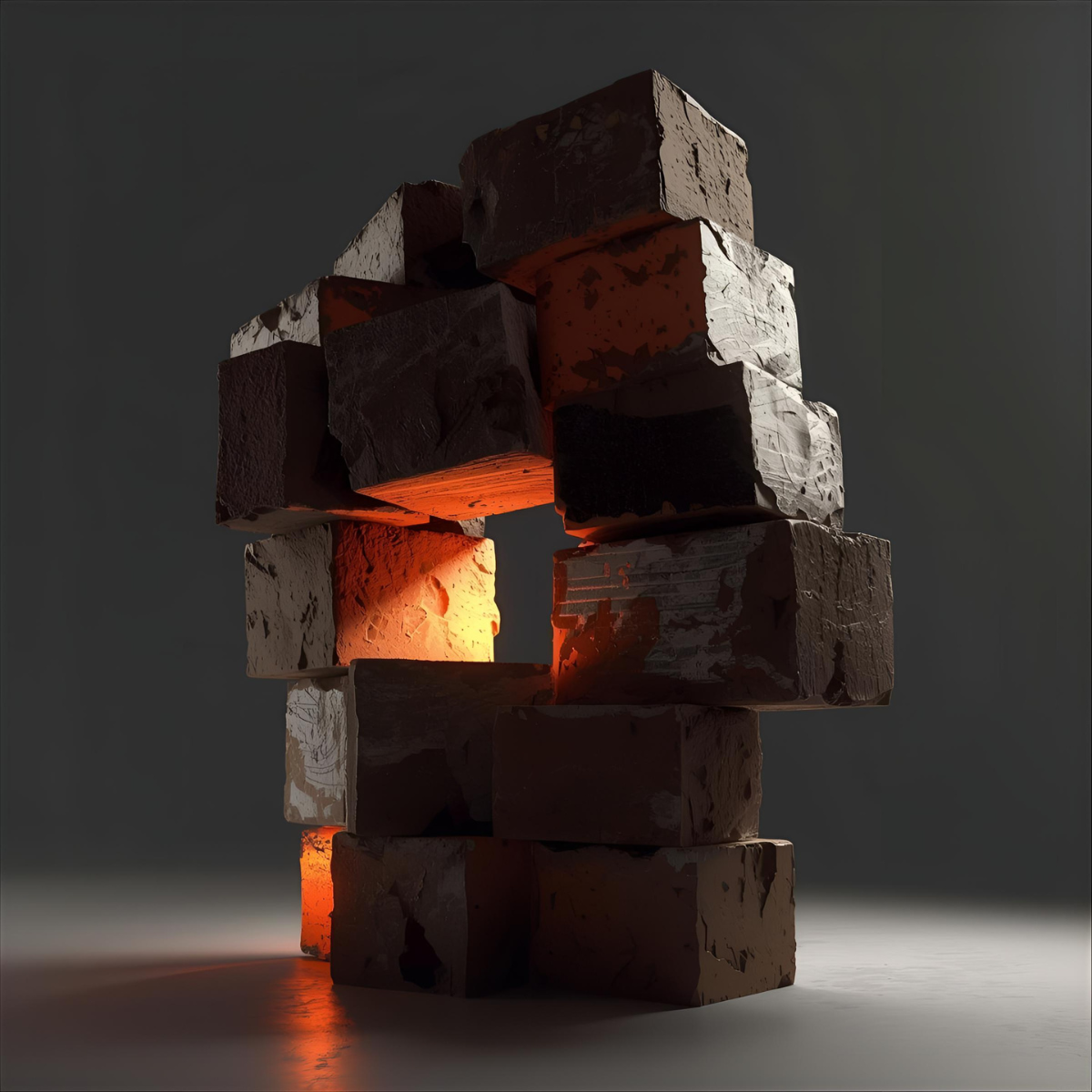

Benefits of Using Fly Ash Bricks in Construction
In the modern era of sustainable construction, the choice of building materials plays a significant role in shaping a greener future. Among these materials, fly ash bricks have gained remarkable popularity due to their environmental benefits, structural strength, and cost-effectiveness.
Fly ash bricks are made from a combination of fly ash (a byproduct of coal combustion), cement, lime, and water, making them a sustainable alternative to traditional clay bricks. As construction companies and architects move toward eco-friendly solutions, understanding the benefits of using fly ash bricks in construction becomes crucial for smart and responsible building practices.
What Are Fly Ash Bricks?
Fly ash bricks are engineered building blocks manufactured using fly ash, which is collected from thermal power plants. Instead of wasting this industrial byproduct, it is repurposed to create durable, lightweight, and sustainable bricks. These bricks undergo a high-pressure and high-temperature process to achieve their form, resulting in a smooth, uniform, and strong product.
Unlike traditional clay bricks that require firing in kilns — consuming vast amounts of energy and emitting harmful gases — fly ash bricks are environmentally friendly and energy-efficient from production to application.
Eco-Friendly and Sustainable Construction Material
One of the most important benefits of using fly ash bricks in construction is their eco-friendly nature. Traditional brick manufacturing involves burning topsoil and releasing carbon emissions, whereas fly ash bricks recycle waste material and minimize environmental damage.
- Reduces Waste: Fly ash, a waste product of coal-fired power plants, is repurposed effectively.
- Saves Topsoil: Clay bricks use fertile topsoil, harming agricultural productivity. Fly ash bricks eliminate this need.
- Lowers Carbon Emission: Since these bricks are not fired in kilns, they reduce CO₂ emissions significantly.
By choosing fly ash bricks, builders contribute to sustainable construction and support environmental conservation — a critical goal for modern infrastructure development.
High Strength and Durability
Fly ash bricks are denser and stronger compared to traditional clay bricks. The controlled manufacturing process ensures consistent quality and uniformity in every piece.
- Compressive Strength: Typically ranges between 7.5 to 12 MPa, making them ideal for load-bearing structures.
- Reduced Water Absorption: Low porosity leads to higher resistance against moisture and weathering.
- No Cracks or Shrinkage: Due to the perfect blend of materials and curing process, these bricks do not develop cracks easily.
As a result, buildings constructed with fly ash bricks have longer life spans and better structural stability, reducing the need for frequent repairs.
Cost-Effective and Economical
One of the most appealing advantages of using fly ash bricks in construction is their cost efficiency. From manufacturing to installation, they offer several financial benefits.
- Lower Production Cost: The raw material — fly ash — is readily available at minimal or no cost from thermal power plants.
- Reduced Mortar Consumption: The uniform shape and smooth finish of fly ash bricks reduce the need for plaster and mortar.
- Less Breakage: Due to their high strength, transportation and handling losses are minimal.
- Energy Savings: Since there’s no need for kiln firing, energy costs are drastically reduced.
Overall, fly ash bricks provide better value for money, making them a smart choice for both large-scale and small-scale projects.
Superior Thermal Insulation
This makes fly ash bricks ideal for residential, commercial, and institutional buildings where comfort and energy savings are essential.
Energy efficiency in buildings is becoming a top priority. Fly ash bricks play a key role in improving thermal insulation, helping to maintain balanced indoor temperatures.
- Keeps Interiors Cooler in Summer and Warmer in Winter: The dense structure of the bricks prevents excessive heat transfer.
- Energy Savings: Reduces the dependency on air conditioning or heating systems.
- Comfortable Living Environment: Promotes natural climate control within the building.
This makes fly ash bricks ideal for residential, commercial, and institutional buildings where comfort and energy savings are essential.
Better Sound Insulation
Noise pollution is an increasing concern, especially in urban construction. Fly ash bricks offer excellent sound insulation properties due to their compact and uniform structure.
This makes them a suitable material for:
- Hospitals and schools
- Office complexes and hotels
- Residential apartments in high-traffic areas
The ability to block external noise enhances acoustic comfort, contributing to a more peaceful living and working environment.
Uniform Shape and Size
Traditional clay bricks often vary in shape and size, leading to uneven walls and higher plastering costs. Fly ash bricks, however, are machine-made, ensuring precise dimensions and uniform appearance.
- Smooth Finish: Minimizes plaster thickness, saving on finishing costs.
- Easy Alignment: Perfect for modular construction and quick installation.
- Aesthetic Appeal: Results in clean, even walls with minimal surface irregularities.
Uniformity in fly ash bricks not only enhances structural quality but also adds to the visual appeal of buildings.
Fire and Pest Resistance
Safety is a top priority in construction, and fly ash bricks add an extra layer of protection.
- Fire Resistance: These bricks can withstand temperatures up to 1000°C, making them ideal for fire-prone areas.
- Termite and Insect Resistance: The non-porous composition prevents pests from nesting or breeding.
These properties make fly ash bricks a secure and hygienic choice for all types of construction, from homes to industrial buildings.
Faster Construction Process
With their uniform size, strength, and easy workability, fly ash bricks contribute to faster and more efficient construction.
- Ease of Handling: Lightweight and consistent, they are easy to transport and install.
- Reduced Plastering Time: Due to smooth surfaces, less finishing work is required.
- Compatibility with Modern Methods: Works perfectly with precast, modular, and RCC-based construction systems.
For contractors and developers, this means shorter project timelines and reduced labor costs, resulting in higher efficiency.
Reduces Water Usage
During construction, fly ash bricks help save a significant amount of water.
- They require less curing water compared to clay bricks.
- Their low porosity means they absorb less water during construction.
- Smooth surfaces also minimize water used in plastering and finishing.
This feature makes them a sustainable choice for regions facing water scarcity.
Government Support and Certification
Governments and environmental bodies actively encourage the use of fly ash bricks. Many local authorities offer incentives and subsidies to promote their adoption.
For instance:
- The Bureau of Indian Standards (BIS) has established specific codes for fly ash bricks.
- The Ministry of Environment and Forests (MoEF) has made it mandatory for construction projects near thermal power plants to use fly ash-based products.
- Green building certifications such as GRIHA and LEED recognize fly ash brick usage as a sustainable practice.
Thus, choosing fly ash bricks not only benefits your project but also aligns it with national sustainability goals.
Ideal for All Types of Construction
Whether you’re building a small home or a large industrial facility, fly ash bricks can be used effectively for:
- Residential Houses and Apartments
- Commercial Complexes and Malls
- Hospitals and Educational Institutions
- Warehouses and Industrial Buildings
Their versatility and adaptability make them a universal building solution for modern construction needs.
Low Maintenance and Long-Term Value
Once installed, fly ash bricks demand minimal maintenance due to their strength, water resistance, and smooth surface. They are less prone to efflorescence, cracks, and dampness.
Over time, this translates to lower maintenance costs and enhanced building longevity, providing long-term financial and practical value.
he benefits of using fly ash bricks in construction extend far beyond cost savings. They represent a modern, eco-friendly, and durable alternative to traditional clay bricks — one that supports sustainability without compromising quality or strength.
By integrating fly ash bricks into modern construction, developers and homeowners contribute to environmental protection, efficient building performance, and long-term economic value.
As the world moves toward green and sustainable architecture, fly ash bricks stand as a symbol of responsible innovation — a perfect blend of strength, efficiency, and environmental consciousness.