
A successful café needs more than good coffee and a carefully prepared menu. Its interior design also influences how customers feel, how long they stay, what they photograph and whether they return. In Indian cities, café culture is growing beyond traditional metropolitan markets. Customers in Tier 1 cities often look for distinctive concepts and premium experiences, while customers in Tier 2 cities increasingly appreciate attractive, comfortable and reasonably priced cafés.
However, a design that works in a large metropolitan location may not suit a smaller city, a compact shop or a limited investment. The best approach is to choose a concept that matches the target audience, location, available space and business model.
Here are 10 practical café design ideas that can work across both Tier 1 and Tier 2 cities.
1. Minimalist Modern Café
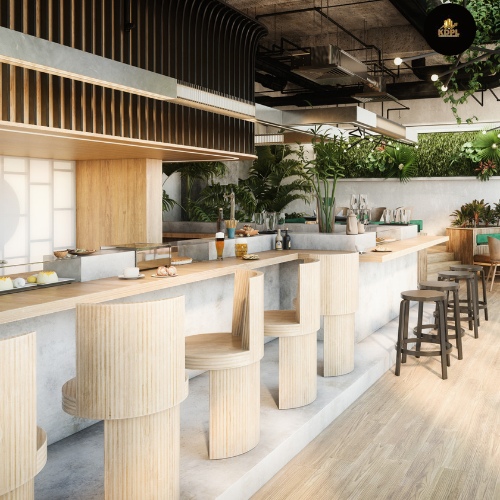
Minimalist cafés use simple colours, clean furniture, open spaces and limited decoration. White, beige, light grey and natural wood create a calm and welcoming atmosphere.
This design is suitable for compact commercial spaces because it avoids unnecessary visual clutter. Use comfortable two-seater tables, simple pendant lights and one attractive feature wall.
Best for: Office areas, business districts, college neighbourhoods and compact high-street locations.
Design tip: Spend on comfortable seating and quality lighting instead of filling every wall with decoration.
2. Industrial-Style Café
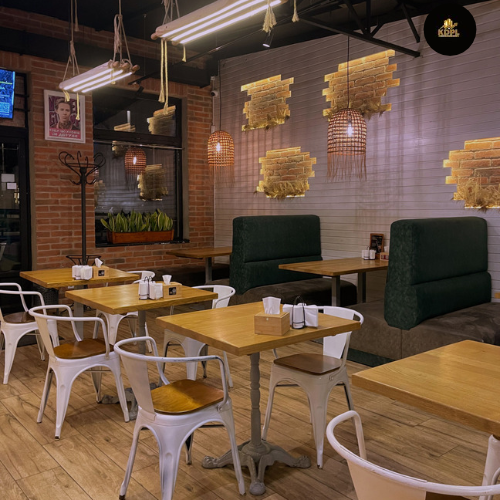
Industrial interiors use exposed brick textures, metal furniture, concrete-look surfaces, dark ceilings and warm hanging lights. The style creates a contemporary atmosphere and can work particularly well in larger spaces.
You can combine black metal frames with wooden tabletops and warm lighting to prevent the interiors from feeling too cold.
Best for: Young professionals, college areas and urban high-street locations.
Design tip: Exposed finishes should still be properly sealed and maintained. Do not leave electrical wiring or unsafe services visible just to achieve an industrial look.
3. Rustic and Nature-Inspired Café
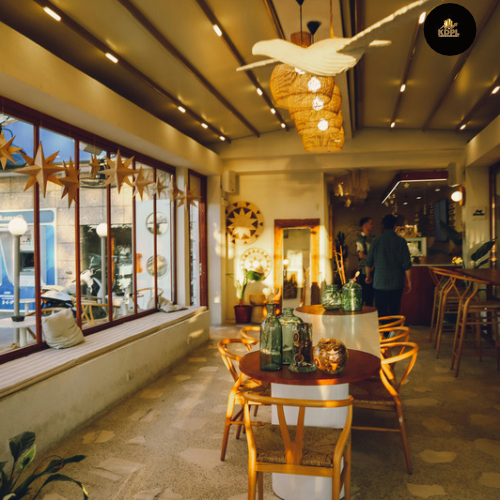
A nature-inspired café uses wooden textures, indoor plants, earthy colours, natural materials and soft lighting. It creates a relaxed atmosphere where customers can enjoy conversations and spend time comfortably.
Consider timber-look finishes, cane furniture, terracotta accents and carefully selected indoor plants. Use materials that can withstand regular cleaning and indoor conditions.
Best for: Residential neighbourhoods, leisure areas and cafés targeting families and relaxed visitors.
Design tip: Natural light is valuable, but provide shade and suitable ventilation so the café remains comfortable during hot afternoons.
4. Premium Luxury Café
Premium cafés focus on material quality, detailing and an organised customer experience. Marble-look surfaces, decorative lighting, upholstered seating, brass accents and elegant wall finishes can create a sophisticated appearance.
In Tier 1 cities, this concept may suit premium commercial locations and speciality coffee brands. In Tier 2 cities, a smaller premium café can work if its pricing and target market are carefully planned.
Best for: Premium shopping areas, affluent neighbourhoods and speciality coffee businesses.
Design tip: Create one memorable feature, such as a beautiful coffee counter or a statement seating corner, rather than making every surface expensive.
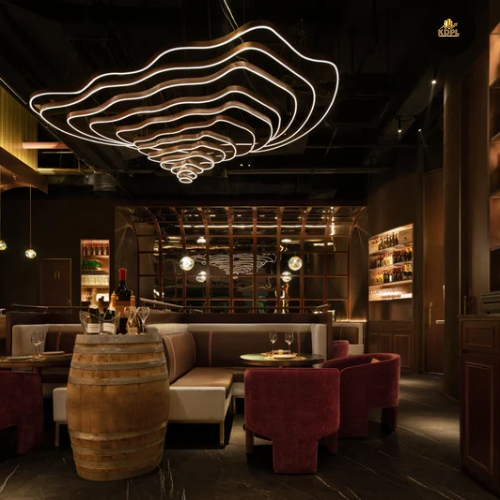
5. Compact Café with Smart Space Planning
Not every café needs a large floor area. A compact café can operate successfully with efficient planning, particularly in high-rent commercial locations.
Use wall-mounted counters, bench seating, two-seater tables and a clearly organised service counter. Keep customer circulation separate from staff movement as far as the layout allows.
Best for: Small high-street shops, takeaway-focused businesses and areas with high rental costs.
Design tip: Avoid oversized sofas and unnecessary decorative partitions. Preserve enough clear space for entry, ordering, seating and movement.
6. Instagram-Friendly Themed Café
Many customers enjoy sharing café experiences on social media. A themed café can create a distinctive identity through colour, artwork, typography, decorative installations and memorable corners.
Possible themes include travel, books, music, cinema-inspired design, vintage décor or a local cultural concept. However, the theme should connect naturally with the brand rather than look like a random collection of decorations.
Best for: College areas, youth-focused markets, entertainment districts and social-media-driven café concepts.
Design tip: Design one or two attractive photography spots, but do not allow them to obstruct seating or customer movement.
7. Work-Friendly Café
A work-friendly café serves customers who want to read, study, attend online meetings or work on laptops.
Provide a combination of individual tables, communal worktables and comfortable seating. Add convenient charging points, reliable Wi-Fi, task lighting and a quieter seating zone.
Best for: IT parks, office districts, university areas and residential neighbourhoods with remote workers.
Design tip: Plan electrical points safely and avoid trailing extension cables across walkways. Consider clear policies for seating duration during busy hours.
8. Traditional Indian or Local-Culture Café

A café inspired by local culture can stand out in both metropolitan and smaller cities. Use regional artwork, traditional patterns, locally inspired colours, handcrafted décor and contemporary furniture.
For example, a café in Lucknow could incorporate subtle Awadhi-inspired design elements, elegant jaali patterns or locally influenced artwork without turning the entire space into a historical replica.
Best for: Tourist locations, heritage neighbourhoods and businesses that want a strong local identity.
Design tip: Use cultural details thoughtfully and combine them with modern lighting, comfortable seating and practical service areas.
9. Open-Kitchen and Coffee-Bar Café
An open coffee bar allows customers to see coffee preparation and selected food-making activities. This can make the café feel more interactive and build trust in the preparation process.
The counter should be organised around the workflow: order taking, payment, coffee preparation, food assembly and collection. Storage, cleaning facilities and staff circulation need careful planning.
Best for: Speciality coffee shops, premium takeaway outlets and locations with customers interested in coffee preparation.
Design tip: Keep the kitchen or preparation area hygienic, properly ventilated and compliant with applicable food-safety requirements. Decorative openness should never compromise operational hygiene.
10. Outdoor and Courtyard Café
An outdoor café or courtyard creates a relaxed atmosphere through plants, pergolas, shaded seating and decorative lights. It can be particularly attractive in locations with pleasant weather and sufficient outdoor space.
Use weather-resistant furniture, suitable flooring, drainage and comfortable shade. Provide fans or other appropriate cooling solutions where needed. In cities with hot summers and monsoon rainfall, outdoor seating must be planned around seasonal conditions.
Best for: Independent properties, resorts, leisure locations and cafés with terraces or courtyards.
Design tip: Keep a comfortable indoor seating option available for hot, rainy or otherwise unsuitable weather.
How to Choose the Right Café Design for Your City
Before selecting a concept, study the location and customers rather than copying a popular café from another city.
| Planning factor | Tier 1 city | Tier 2 city |
|---|---|---|
| Design approach | Distinctive and experience-focused | Attractive, practical and locally relevant |
| Seating strategy | Flexible customer segments | Comfortable everyday seating |
| Interior investment | Depends on positioning and rent | Prioritise value and durability |
| Branding | Strong concept differentiation | Local identity and customer familiarity |
| Space planning | High-efficiency layouts | Adaptable layouts for local demand |
These are broad market considerations, not fixed rules. A premium café can succeed in a Tier 2 city, and an affordable neighbourhood café can perform well in a Tier 1 city. Research actual customer demand before deciding.
Important Construction and Interior Planning Points
A café must function efficiently behind the attractive interior. Plan the following before construction begins:
Kitchen and counter layout: Arrange equipment according to food preparation and service workflow.
Electrical planning: Provide appropriately designed circuits for coffee machines, refrigerators, ovens, air conditioners and other appliances.
Plumbing and drainage: Plan water supply, sinks, floor drainage and grease management as required.
Ventilation: Provide suitable exhaust and fresh-air arrangements for cooking and customer comfort.
Lighting: Combine general, task and decorative lighting without glare.
Fire and safety: Plan suitable exits, emergency lighting, fire protection and safe electrical installations according to the applicable building and fire requirements.
Accessibility: Provide convenient entry, circulation and facilities in accordance with applicable accessibility requirements.
Maintenance: Select flooring, upholstery, wall finishes and countertops that can withstand frequent cleaning.
Consult qualified architects, engineers and relevant specialists to coordinate the interior design with building services, food-safety needs and local approvals.
Conclusion
The best café design is one that creates a memorable atmosphere while supporting daily business operations. Minimalist, industrial, rustic, luxury, compact, themed, work-friendly, traditional, open-kitchen and outdoor concepts all offer different opportunities.
For Tier 1 and Tier 2 cities, the right choice depends on location, customers, menu, available space and investment. Plan the kitchen, electrical systems, ventilation, seating and lighting before selecting decorative finishes. A practical layout combined with a clear brand identity can make a café attractive, comfortable and easier to operate.
Frequently Asked Questions
1. Which café design is best for Tier 1 cities?
Modern minimalist, industrial, premium luxury and work-friendly concepts can suit many Tier 1 locations. The right choice depends on the target audience, rent, competition and business positioning.
2. Which café design is suitable for Tier 2 cities?
Compact, rustic, local-culture and contemporary café designs can work well. Premium concepts can also succeed where customer demand supports the investment.
3. How much space is required to open a small café?
There is no universal minimum area. Space depends on seating capacity, kitchen equipment, storage, circulation, washrooms and applicable local requirements. A takeaway café may need a different layout from a full-service café.
4. What colours are best for café interiors?
Warm beige, earthy brown, green, terracotta, charcoal and selected accent colours are popular choices. Colours should support the brand identity and lighting design.
5. How can I make a café attractive on a limited budget?
Prioritise a clear theme, comfortable seating, good lighting and one memorable feature wall. Use durable locally available materials instead of expensive finishes everywhere.
6. Is an open kitchen suitable for every café?
Not always. It is useful for selected coffee bars and food concepts, but requires careful planning for hygiene, ventilation, storage and staff movement.
7. What type of lighting is best for a café?
Combine general lighting, focused counter lighting and decorative pendant or wall lights. Choose comfortable colour temperatures and ensure sufficient brightness for food preparation and customer activities.
8. How should seating be planned in a café?
Provide a suitable mix of two-seater tables, group seating and, where appropriate, counter or communal seating. Maintain clear routes for customers and staff.
9. What should be planned before starting café construction?
Finalise the layout, kitchen workflow, electrical load, plumbing, drainage, ventilation, fire safety, accessibility and required local approvals before beginning interior finishing.
10. Why is professional café interior design important?
Professional planning helps coordinate customer experience, workflow, lighting, services, safety and maintenance. It can also reduce costly changes during construction and improve long-term functionality.