
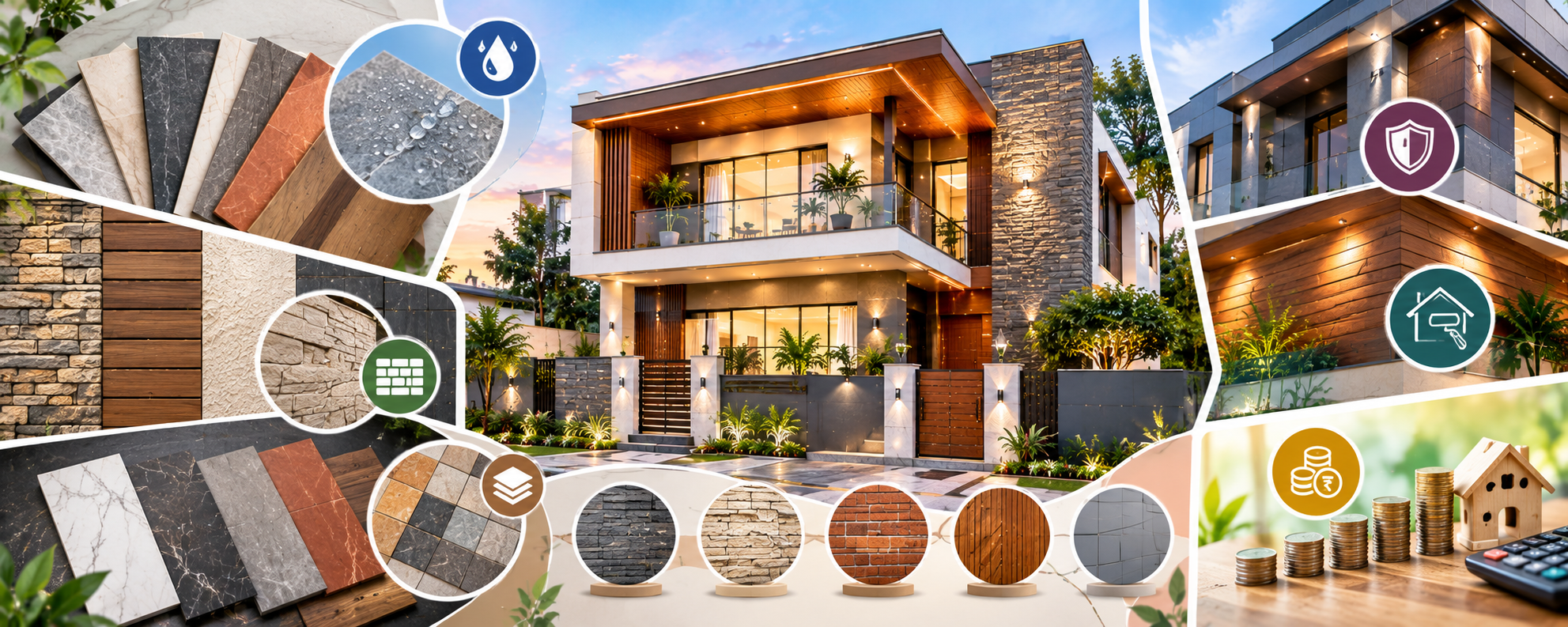

Exterior tiles and cladding can transform an ordinary house elevation into a modern, attractive and durable facade. From stone-look porcelain tiles and exposed brick patterns to natural sandstone, wood-finish panels and 3D cladding, homeowners now have many options for different budgets and architectural styles.
However, exterior materials face direct sunlight, dust, heavy rain and temperature changes. A material that looks beautiful in a showroom may crack, fade or detach if it is unsuitable for outdoor use or installed incorrectly. The right choice depends on the wall location, climate, maintenance requirements, design and total installed cost.
1. Types of Exterior Tiles for Modern Houses
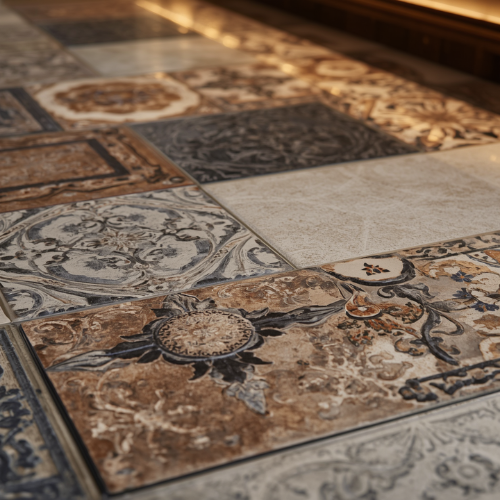
Ceramic elevation tiles
Ceramic elevation tiles are economical and available in stone, brick, geometric and plain designs. They are suitable for selected low-height or sheltered exterior walls when the product is specifically approved for that application.
Approximate material price: ₹30–₹100 per sq. ft.
Benefits: Affordable, easy to clean and available in numerous colours and patterns.
Drawbacks: Many ceramic products absorb more water than porcelain and may be less suitable for exposed, high-level walls. Check the product specification before buying.
Vitrified and porcelain tiles
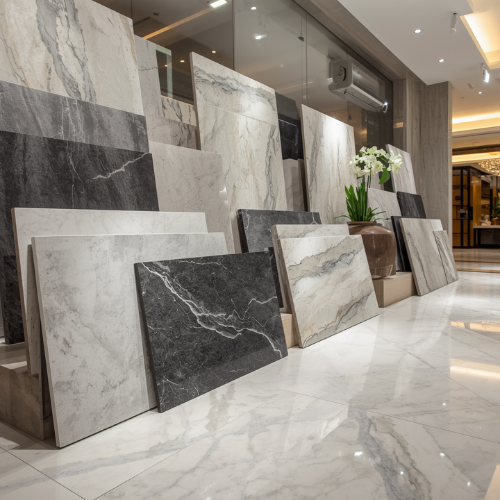
Porcelain and suitable vitrified tiles are popular for modern house elevations because they offer stone, marble, concrete and wood-look finishes. Large-format tiles can create a clean, contemporary appearance with fewer visible joints.
Approximate material price: ₹70–₹250 per sq. ft. for many standard designs; premium large-format products can cost more.
Benefits: Low water absorption, good durability and a wide choice of finishes.
Drawbacks: Heavy or large tiles require a suitable substrate, compatible adhesive and skilled installation. Glossy surfaces can also create glare outdoors.
For exposed walls, ask for the manufacturer’s water-absorption data and exterior-use recommendation. Matte or lightly textured finishes often provide a balanced appearance while hiding dust better than highly polished surfaces.
Stone-look, marble-look and 3D elevation tiles
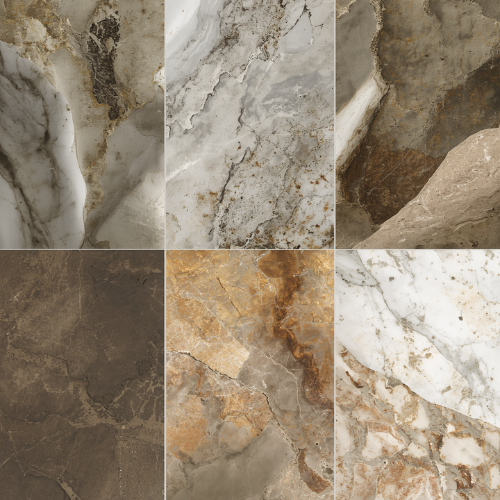
Stone-look tiles imitate slate, sandstone or rough rock, while marble-look tiles provide a premium appearance without using actual marble. Three-dimensional and carved-effect tiles create shadows and visual depth.
Approximate material price: ₹80–₹350 per sq. ft., depending on the design, size and finish.
Benefits: Consistent patterns, easier maintenance than some natural stones and many options for modern elevations.
Drawbacks: Printed patterns can look repetitive if the layout is not planned carefully. Deep grooves may collect dust, and intricate finishes can increase cleaning effort.
Use these tiles on entrance walls, balcony features, staircase projections or selected facade panels rather than covering every wall with competing patterns.
2. Brick Designs and Cladding Patterns
Exposed facing bricks
Exposed brickwork uses selected bricks whose natural faces remain visible instead of being covered with plaster. It suits industrial, rustic, traditional and contemporary homes.
Approximate installed cost: ₹180–₹400 per sq. ft., depending on the brick quality, masonry, pointing and site conditions.
Benefits: Authentic texture, a timeless appearance and good durability when properly constructed.
Drawbacks: Skilled masonry is essential for consistent joints. Poor-quality bricks, moisture penetration and salt deposits can spoil the finish.
Brick slips and brick-look cladding tiles
Brick slips are thin pieces of fired clay or brick veneer fixed to an existing wall. Brick-look ceramic or porcelain tiles imitate the appearance using a different material.
Approximate material price: ₹40–₹180 per sq. ft. for many products; installed systems may cost approximately ₹90–₹350 per sq. ft. or more.
Benefits: Create an exposed-brick appearance without constructing a complete brick facade. They can work well around entrance portals and boundary walls.
Drawbacks: Poor bonding can cause detachment, and joints may develop cracks or stains. Proper waterproofing, adhesive selection and corner detailing are essential.
Popular patterns include running bond, stacked bond, herringbone accents and mixed-size rustic arrangements. Running bond is versatile, while stacked bond looks more contemporary. Herringbone is best used as a limited feature because it requires careful cutting and alignment.
3. Natural Stone Cladding
Natural stone is suitable for premium elevations and entrance features. Common choices include sandstone, slate, granite, quartzite and split-face stone panels.
Approximate installed cost: ₹150–₹650 per sq. ft. or more, depending on the stone, thickness, fixing method and height.
Benefits: Unique natural patterns, strong visual character and long service life with appropriate installation.
Drawbacks: Heavy stone can require mechanical anchoring, while porous varieties may need sealing. Colour variation between batches is normal, and some stones can stain or weather unevenly.
For a balanced design, combine sandstone or slate around the entrance with a simple painted wall. Granite may suit exposed plinths and selected high-wear areas. Always check the stone’s weight and fixing requirements, especially on upper floors.
4. Modern Cladding Panels and Alternative Materials
HPL exterior panels
High-pressure laminate panels designed for exterior use are available in wood, stone and solid-colour finishes.
Approximate installed cost: ₹350–₹700 per sq. ft. for many systems.
They offer a premium contemporary appearance and consistent finishes, but cost more than many tiles and require a correctly designed support framework, suitable fixings and careful joint detailing.
ACP sheets
Aluminium composite panels are used for sleek geometric bands, entrance frames and contemporary facade accents.
Approximate installed cost: ₹250–₹450 per sq. ft. for many exterior systems.
They are lightweight and available in many colours. However, panel quality, coating, fire performance and installation details matter. Use suitable exterior-grade panels, and select fire-rated products where required by the project and applicable regulations.
WPC and wood-look louvers
Wood-plastic composite panels and louvers create a warm, modern appearance around balconies, entrance walls and vertical facade features.
Approximate installed cost: ₹280–₹650 per sq. ft. for many systems.
They can require less routine finishing than natural timber, but product quality varies. Colour changes, expansion, fading and fixing problems are possible. Verify UV resistance, exterior suitability and the manufacturer’s maintenance instructions.
Textured exterior paint and groove finishes
Texture paint, groove plaster and concrete-effect finishes are alternatives when a homeowner wants visual depth without extensive cladding.
Approximate installed cost: ₹35–₹100 per sq. ft. for many standard finishes.
They are often economical and flexible, but may require repainting and periodic repairs. They are particularly useful as the main background finish, with tiles or stone reserved for selected feature areas.
5. Approximate Price Comparison
| Material | Approximate material or installed price |
|---|---|
| Ceramic elevation tiles | ₹30–₹100/sq. ft. material |
| Porcelain or vitrified elevation tiles | ₹70–₹250/sq. ft. material |
| Brick slips or brick-look cladding | ₹40–₹180/sq. ft. material |
| Natural stone cladding | ₹150–₹650+/sq. ft. installed |
| Exposed facing brickwork | ₹180–₹400/sq. ft. installed |
| HPL exterior panels | ₹350–₹700/sq. ft. installed |
| ACP exterior cladding | ₹250–₹450/sq. ft. installed |
| WPC panels and louvers | ₹280–₹650/sq. ft. installed |
| Texture paint or groove finish | ₹35–₹100/sq. ft. installed |
These are indicative Indian-market ranges, not fixed quotations. Labour, scaffolding, adhesive, grout, framework, waterproofing, GST and transport may be charged separately. Prices vary by city, brand, thickness and design.
6. How to Buy the Right Exterior Material
Start by measuring the actual wall area and subtracting large openings where appropriate. Add approximately 5–10% extra for cutting and breakage, increasing the allowance for intricate patterns or diagonal layouts.
Visit authorised tile showrooms, stone suppliers or established cladding dealers. Compare physical samples in daylight and ask for the product’s technical specifications, exterior-use suitability, warranty and installation instructions. Brands such as Orientbell, Kajaria and Somany are worth exploring for tile ranges; compare the specific product rather than choosing on brand name alone.
Before paying, confirm the price per square foot, number of pieces per box, shade and calibre consistency, delivery charges, return policy and availability of replacement stock. Order enough material from the same batch to minimise visible colour differences.
For tiles, ask the installer to use a compatible exterior-grade adhesive and grout, provide appropriate joints and follow the manufacturer’s fixing instructions. Heavy cladding at height may require mechanical support. Waterproofing, sloped ledges, drip grooves and properly sealed junctions help prevent water damage.
7. Which Material Should You Choose?
For a budget-conscious home, use exterior paint with a limited brick-look or stone-look tile feature. For a modern elevation, consider matte porcelain tiles with a restrained ACP or HPL accent. For a natural, premium appearance, use sandstone or slate around the entrance and combine it with a simple neutral wall finish.
Avoid combining too many materials, colours and patterns on a small facade. One dominant finish, one complementary accent and a calm background usually create a more balanced result.
Kanakdhara Developer Private Limited can help homeowners plan and build a house according to their requirements, including coordination of exterior finishes with the elevation design, budget and practical construction needs.
Frequently Asked Questions
1. Which tiles are best for exterior house walls?
Suitable porcelain or vitrified elevation tiles are popular options because of their low water absorption and varied finishes. The exact product must be rated for exterior wall use and installed correctly.
2. Which is better: brick cladding or stone cladding?
Brick cladding offers a warm, traditional or industrial appearance and can be relatively economical. Stone cladding provides natural variation and a premium look but may be heavier and more expensive. The better choice depends on the design, budget and fixing requirements.
3. What is the cheapest exterior cladding option?
Texture paint is often the most economical finish. Ceramic elevation tiles and some brick-look cladding products may also be affordable, but suitability for rain exposure and long-term maintenance should be considered.
4. Are WPC panels suitable for exterior walls?
Exterior-grade WPC panels can suit selected facade features, balconies and louvers. Check UV resistance, expansion allowances, fire performance and the manufacturer’s exterior installation instructions before purchasing.
5. How much extra tile material should I buy?
Around 5–10% extra is a reasonable starting allowance for many straightforward layouts. Complex patterns, numerous corners and large-format cuts may require more. Confirm the quantity with the installer before placing the order.
6. Can exterior tiles detach or fall?
Yes. Poor surface preparation, unsuitable adhesive, inadequate coverage, missing movement joints or improper installation can cause failure. Heavy cladding at height may need mechanical fixing designed for the particular system.
7. Which exterior finish needs the least maintenance?
Suitable porcelain tiles and well-installed, exterior-grade cladding can require relatively little routine maintenance. All systems still need periodic cleaning and inspection of joints, sealants, fixings and areas exposed to water.