


How to Reduce Construction Waste and Save Money
Construction waste is one of the often-overlooked factors that can increase the overall cost of building a home. Materials such as cement, bricks, concrete, steel, tiles, wood, packaging, pipes, and other construction products can be wasted when they are poorly planned, incorrectly measured, damaged during storage, or purchased in excessive quantities.
For homeowners, reducing construction waste is not only an environmentally responsible decision but also a practical way to control the project budget. Every unused bag of cement, broken tile, damaged board, or unnecessary material purchase represents money that has already been spent.
The good news is that construction waste can often be reduced through better planning and coordination. It does not require compromising on quality. Instead, it requires greater attention to design, material estimation, storage, workmanship, and site management.
Start With Accurate Planning

One of the most effective ways to reduce construction waste is to plan the project properly before work begins. When drawings, room dimensions, structural requirements, electrical layouts, plumbing routes, and finishing specifications are clearly finalized, there is less chance of unnecessary rework.
Frequent design changes can create considerable waste. A wall may need to be demolished, tiles may need to be removed, electrical conduits may need to be relocated, or plumbing lines may have to be changed. Apart from increasing material consumption, such changes also add labor costs and can affect the construction schedule.
A well-coordinated design gives the construction team a clearer understanding of what needs to be built and helps reduce avoidable mistakes.
Buy Materials According to Actual Requirements
Buying construction materials in large quantities may sometimes appear convenient, but purchasing too much can create unnecessary waste. Materials should be estimated according to the project’s actual requirements, with appropriate allowances for normal construction losses.
This is particularly important for finishing materials. Tiles, flooring, sanitaryware, paint, laminates, wood products, and decorative materials can vary significantly in price. Ordering excessive quantities can leave homeowners with unused products that may never be needed.
At the same time, ordering too little can create another problem if the same batch or design becomes unavailable later. The objective should therefore be accurate estimation rather than simply buying the maximum possible quantity.
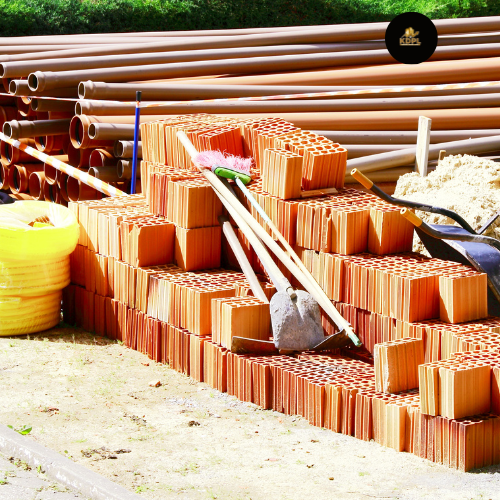
Use Standard Dimensions Wherever Practical
Construction becomes more efficient when design dimensions work with commonly available material sizes. For example, planning room dimensions and wall layouts around standard tile, board, brick, or other material sizes can reduce unnecessary cutting.
Whenever a material has to be cut extensively to fit an unusual dimension, some portion may become unusable. A thoughtful design can reduce these offcuts without restricting creativity.
This does not mean every home should follow standard dimensions. Instead, architects and construction teams can look for opportunities to coordinate design dimensions with material sizes where practical.
Store Materials Properly on the Site
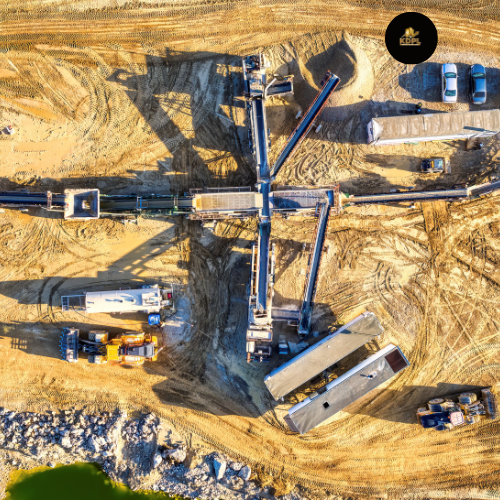
Material wastage does not always happen because of incorrect quantities. Poor storage can also damage perfectly usable materials.
Cement needs protection from moisture, while steel should be stored appropriately to reduce unnecessary deterioration. Tiles, glass, wood, sanitaryware, electrical products, and other finishing materials can be damaged when they are stored carelessly or exposed to unsuitable conditions.
A well-organized construction site should have designated storage areas where materials are protected from weather, impact, contamination, and unnecessary movement.
Good storage practices can reduce damage and also make it easier for workers to locate the materials they need.
Avoid Rework Through Better Supervision
Rework is one of the most expensive forms of construction waste because it consumes both materials and labor. If a wall is constructed incorrectly and has to be demolished, the project loses the original material as well as the labor used to install it.
Similar problems can occur with plumbing slopes, electrical conduits, tile layouts, door openings, waterproofing, and other construction activities.
Regular site supervision and quality checks can help identify mistakes before they become difficult or expensive to correct. Checking work at important stages is generally more efficient than discovering errors after several subsequent activities have already been completed.
Plan Tile and Flooring Layouts Before Installation
Tiles are particularly vulnerable to unnecessary wastage because they often need to be cut around corners, doors, columns, sanitary fixtures, and other elements.
Before installation begins, the layout should be planned carefully so that cuts are minimized and the finished appearance remains balanced. The installer should also understand where full tiles, cut tiles, borders, and patterns will be positioned.
Good planning can reduce unnecessary offcuts while also improving the visual quality of the finished floor or wall.
Manage Concrete and Mortar Carefully
Concrete, mortar, plaster, and other wet materials should be prepared according to actual requirements. Producing significantly more material than needed can lead to waste because unused mixtures may not remain usable for long.
At the same time, poor measurement can result in inconsistent mixes or additional material consumption. Proper batching, measurement, and supervision can help ensure that materials are used efficiently without compromising the required quality.
The goal should never be to use less material than technically required. Waste reduction should always happen through better planning and controlled usage rather than by reducing specified construction standards.
Reuse Suitable Construction Materials
Some materials left over from one activity can potentially be reused elsewhere on the same project. Depending on their condition and suitability, certain pieces of timber, tiles, bricks, packaging materials, formwork components, or other products may have another useful application.
However, reuse should only be done when the material remains suitable for its intended purpose. Structural or safety-critical materials should never be reused simply to avoid waste if doing so compromises specifications or quality.
A construction team can identify reusable materials and separate them from genuine waste instead of sending everything to disposal.
Separate Construction Waste at the Site
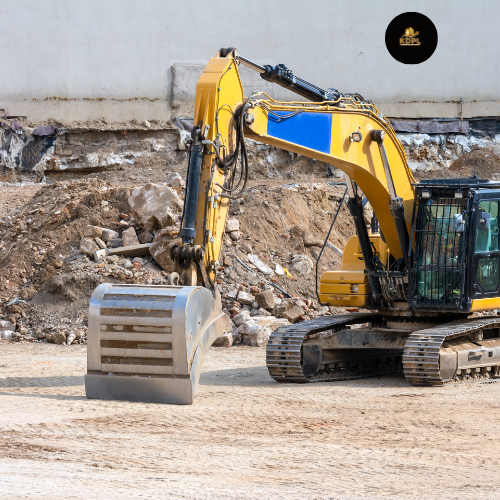
Construction waste becomes easier to manage when different types of waste are separated. Metal, wood, packaging, broken masonry, concrete waste, and other materials can be handled differently.
Some materials may have recycling or recovery value, while others require appropriate disposal. Mixing everything together can make recovery more difficult and may increase disposal requirements.
A cleaner and more organized site therefore supports both waste reduction and better material management.
Coordinate Material Deliveries With Construction Progress
Materials should ideally reach the site when they are required. Delivering materials too early can create storage problems, increase the risk of damage, and make the site difficult to manage.
On the other hand, delayed deliveries can interrupt work and sometimes result in rushed purchasing decisions.
Coordinating procurement with the construction schedule helps maintain a balance between availability and efficient storage. It can also make it easier to monitor how much material has actually been consumed.
Track Material Usage and Leftovers
Keeping track of materials throughout the project can reveal where unnecessary consumption is taking place. If the estimated quantity and actual usage differ significantly, the construction team can investigate the reason.
This does not mean that every small leftover must be treated as a problem. Normal construction losses occur, and certain materials require allowances for cutting and breakage. The objective is to identify avoidable waste rather than eliminate every possible leftover.
Good material records can also help homeowners understand where their construction budget is being spent.
How Reducing Waste Can Save Money
The financial benefit of reducing waste goes beyond the cost of unused materials. Waste can also involve transportation, storage, labor, disposal, replacement purchases, and project delays.
For example, if tiles are damaged because of poor storage, the homeowner may have to purchase replacements and pay additional installation costs. If incorrect plumbing work has to be demolished and rebuilt, both materials and labor are affected.
Reducing waste therefore improves overall project efficiency rather than simply reducing the amount of discarded material.
How Kanakdhara Developer Private Limited Can Help
Efficient construction requires coordination between design, procurement, site supervision, workmanship, and quality control. Kanakdhara Developer Private Limited can work with homeowners to understand their requirements and coordinate the construction process with attention to material planning and project execution.
From selecting appropriate materials to organizing construction activities, better planning can help reduce unnecessary purchases, rework, and avoidable material losses. Homeowners can also discuss their preferred materials, finishes, and budget before construction begins so that procurement decisions are made with greater clarity.
The aim should be to use materials efficiently while maintaining the required quality and specifications of the home.
Build Smarter, Not Just Cheaper
Reducing construction waste should never mean cutting corners. The objective is to prevent unnecessary consumption while ensuring that every important construction requirement is properly fulfilled.
Accurate planning, clear drawings, appropriate material estimation, careful storage, skilled workmanship, regular supervision, and organized waste management can all contribute to a more efficient construction process.
When less material is wasted, homeowners can make better use of their construction budget. At the same time, a well-managed site can reduce delays and rework, making the overall construction experience more predictable.
A home built with thoughtful planning is not only easier to manage financially but can also be more efficient from the beginning of construction to final completion.
Frequently Asked Questions
Why is construction waste a problem for homeowners?
Construction waste increases project expenses because homeowners pay for materials, transportation, labor, storage, and disposal. Unnecessary waste can therefore affect the overall construction budget.
What causes the most construction waste?
Common causes include inaccurate material estimation, design changes, poor storage, damaged materials, incorrect workmanship, excessive cutting, rework, and purchasing more materials than required.
Can reducing construction waste lower the total construction cost?
Yes. Reducing avoidable waste can lower material replacement, labor, transportation, storage, and disposal expenses. The actual savings depend on the project and the amount of waste that can be avoided.
How can homeowners reduce tile wastage?
Careful measurement and tile layout planning can reduce unnecessary cutting and breakage. Ordering quantities based on the actual design, while allowing for reasonable installation losses, can also improve material efficiency.