
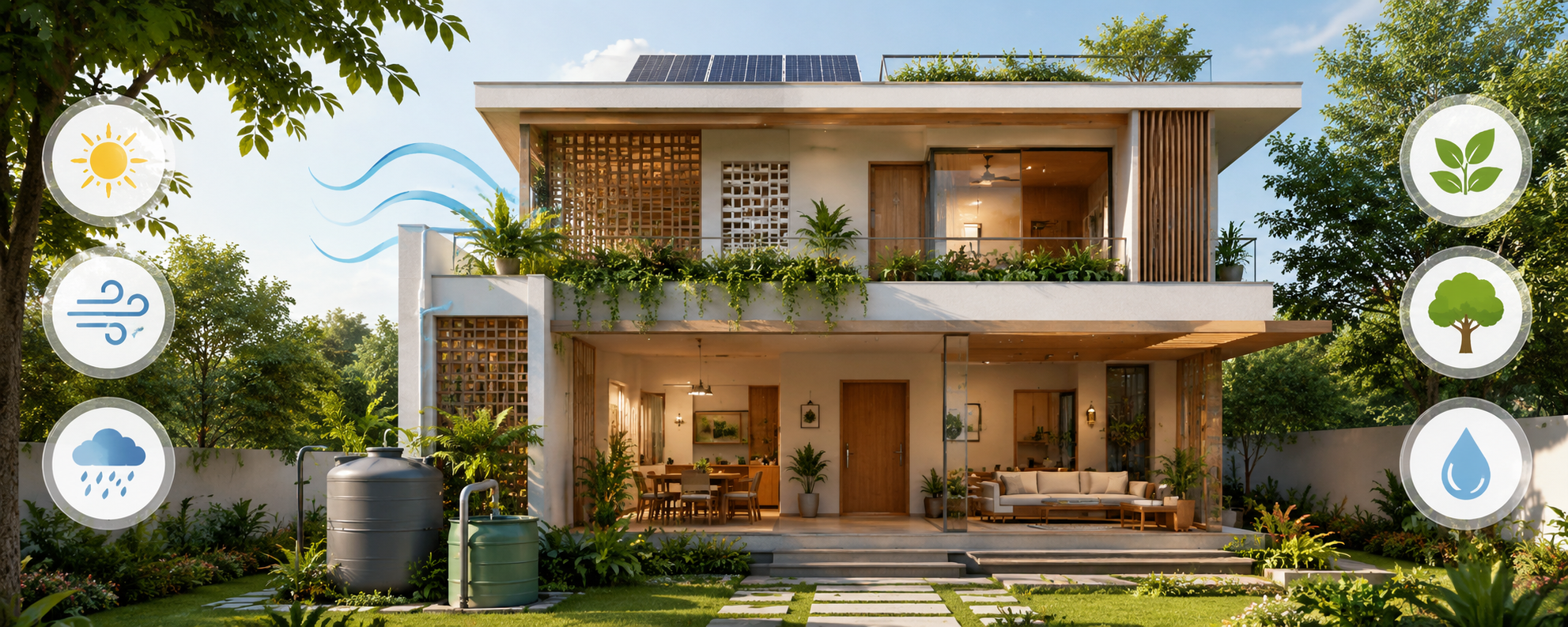

How to Design a Climate-Responsive Home in Lucknow
Building a home is not only about creating beautiful spaces; it is about designing a house that remains comfortable in every season while reducing energy consumption and maintenance costs. Lucknow experiences hot summers, humid monsoons, and cool winters, making climate-responsive design an essential part of modern residential construction. A well-designed climate-responsive home adapts to the local weather, providing natural comfort throughout the year without relying heavily on air conditioners or heaters.
Understanding How to Design a Climate-Responsive Home in Lucknow helps homeowners build energy-efficient houses that remain cool during peak summer, dry during monsoon, and warm in winter. This approach not only improves living comfort but also lowers electricity bills and increases the long-term value of the property.
This guide explains the practical strategies, design principles, and planning techniques that can help you create a sustainable and future-ready home in Lucknow.
What Is a Climate-Responsive Home?
A climate-responsive home is designed according to the environmental conditions of its location. Instead of fighting against nature, the design works with sunlight, wind direction, rainfall, and seasonal temperature changes to create a naturally comfortable indoor environment.
In Lucknow, climate-responsive design focuses on reducing heat gain during summer, encouraging natural ventilation, protecting the building from heavy rainfall, and allowing sunlight during winter months. Every element, from site planning to material selection, contributes to improving comfort and reducing energy consumption.
Understand Lucknow's Climate Before Planning Your Home
A successful house design starts with understanding the local climate. Lucknow experiences temperatures exceeding 40°C during summer, moderate to heavy rainfall in the monsoon season, and cooler winters that require adequate sunlight indoors.
Ignoring these weather conditions often leads to excessive indoor heat, damp walls, poor ventilation, and higher electricity bills. By considering the climate during the planning stage, homeowners can avoid these common issues and enjoy a healthier living environment.
Choose the Right Building Orientation
The orientation of your house significantly affects indoor temperature and natural lighting.
A thoughtfully oriented home minimizes direct heat exposure while maximizing daylight and airflow. Rooms used frequently during the day should receive balanced natural light without excessive heat gain. Bedrooms, living rooms, and workspaces benefit from proper orientation that reduces glare and keeps interiors comfortable.
Architects should also consider prevailing wind directions to maximize cross ventilation throughout the house.
Maximize Natural Ventilation
Proper airflow is one of the most effective ways to improve indoor comfort.
Cross ventilation allows fresh air to enter from one side of the house while warm air exits through the opposite side. This natural movement of air reduces indoor temperatures and minimizes dependence on cooling appliances.
Design features that improve ventilation include strategically positioned windows, ventilators, open courtyards, higher ceilings, and unobstructed airflow between rooms. These elements create a healthier indoor environment while lowering energy consumption.
Use Heat-Resistant Building Materials
The materials selected during construction directly influence indoor temperatures.
Walls and roofs exposed to intense sunlight absorb heat throughout the day. Choosing high-quality insulation materials, energy-efficient bricks, reflective roof coatings, and heat-resistant finishes helps reduce heat transfer into the building.
Modern construction materials not only improve thermal performance but also increase the durability of the home, reducing maintenance costs over time.
Design an Energy-Efficient Roof
The roof receives the highest amount of solar radiation, making it one of the most important components of climate-responsive design.
An energy-efficient roof may include thermal insulation, reflective coatings, rooftop gardens, or solar panels to reduce heat absorption. Proper waterproofing and drainage systems also protect the structure during monsoon seasons.
Planning these features during construction is far more cost-effective than making upgrades later.
Optimize Natural Daylighting
A well-lit home reduces the need for artificial lighting during daytime.
Large windows, skylights, ventilators, and carefully planned openings allow sunlight to illuminate interior spaces while minimizing heat gain. The use of shading devices, overhangs, and sun-control elements prevents excessive glare and overheating.
Balanced natural lighting creates healthier indoor spaces and lowers electricity consumption throughout the year.
Include Green Spaces Around the House
Landscaping plays an important role in regulating the temperature around your home.
Trees, shrubs, lawns, and vertical gardens provide shade, reduce reflected heat, and improve air quality. Carefully placed vegetation can lower surrounding temperatures and create a pleasant outdoor environment.
Native plants are especially suitable for Lucknow because they require less maintenance and adapt well to local weather conditions.
Plan Effective Rainwater Management
Monsoon preparedness is an essential aspect of climate-responsive design.
Proper roof slopes, drainage systems, rainwater harvesting structures, and waterproofing protect the building from water damage. Efficient drainage prevents waterlogging around the foundation and reduces the risk of seepage and dampness inside the house.
Integrating rainwater harvesting during construction also supports sustainable water management and reduces dependence on external water sources.
Improve Energy Efficiency with Smart Planning
Energy-efficient homes consume less electricity while providing greater comfort.
During construction, homeowners should plan for energy-saving features such as LED lighting, energy-efficient appliances, insulated walls, solar-ready roofs, and smart electrical systems. These additions reduce monthly utility bills and contribute to a more sustainable lifestyle.
Planning these systems early ensures seamless integration into the building without future modifications.
Select Windows and Doors Carefully
Windows and doors influence both ventilation and heat gain.
High-performance glass, insulated frames, and well-designed shading systems help maintain indoor temperatures. Proper sealing prevents unwanted air leakage while allowing sufficient natural ventilation when needed.
The size, placement, and design of windows should balance daylight, privacy, ventilation, and thermal comfort.
Create Flexible Indoor Spaces
Modern families often require homes that adapt to changing needs over time.
Flexible layouts allow rooms to serve multiple purposes without affecting comfort or functionality. Home offices, study areas, guest rooms, and family spaces should receive adequate ventilation and natural lighting to remain comfortable throughout the year.
Designing flexible spaces increases the long-term usability and value of the home.
Common Mistakes to Avoid
Many homeowners unknowingly make decisions that reduce the efficiency of their homes.
Common mistakes include ignoring building orientation, using poor-quality construction materials, limiting natural ventilation, overlooking roof insulation, neglecting waterproofing, and placing windows without considering sunlight or wind direction. These errors often result in higher energy bills, uncomfortable indoor temperatures, and expensive maintenance.
Professional planning during the design stage helps eliminate these issues before construction begins.
How Kanakdhara Developer Private Limited Designs Homes Around Your Requirements
At Kanakdhara Developer Private Limited, every home is designed by carefully understanding the homeowner’s lifestyle, family size, budget, future expansion plans, and personal preferences. Rather than offering standard layouts, the team creates customized architectural solutions that combine modern functionality with climate-responsive design principles.
The planning process begins with a detailed analysis of the plot, surrounding environment, sunlight exposure, wind direction, and drainage conditions. Based on this assessment, architects develop layouts that maximize natural ventilation, daylight, energy efficiency, and year-round comfort.
Whether you are building a compact house, duplex, villa, or luxury residence in Lucknow, Kanakdhara Developer Private Limited ensures that your home reflects your requirements while incorporating smart construction techniques. The company also provides customized 2D and 3D house plans, structural design, Vastu-compliant planning (when preferred), modern elevation designs, construction management, and premium interior planning.
Long-Term Benefits of Climate-Responsive Homes
A climate-responsive home is more than an environmentally conscious choice; it is a long-term investment in comfort and savings. By reducing dependence on artificial cooling and heating, homeowners enjoy lower electricity bills, improved indoor air quality, better thermal comfort, and reduced maintenance costs.
These homes are also better prepared for changing weather patterns and rising energy costs, making them more valuable in the future. For homeowners in Lucknow, designing with the local climate in mind ensures a healthier, more efficient, and more enjoyable living experience.
Conclusion
Understanding How to Design a Climate-Responsive Home in Lucknow is essential for anyone planning to build a modern and sustainable house. From selecting the right orientation and construction materials to improving ventilation, daylight, insulation, and rainwater management, every design decision contributes to creating a comfortable and energy-efficient home.
Working with experienced professionals such as Kanakdhara Developer Private Limited ensures that your home is designed according to your unique requirements while adapting perfectly to Lucknow’s climate. With thoughtful planning and expert guidance, you can build a home that remains comfortable in every season, reduces operational costs, and delivers lasting value for generations to come.