
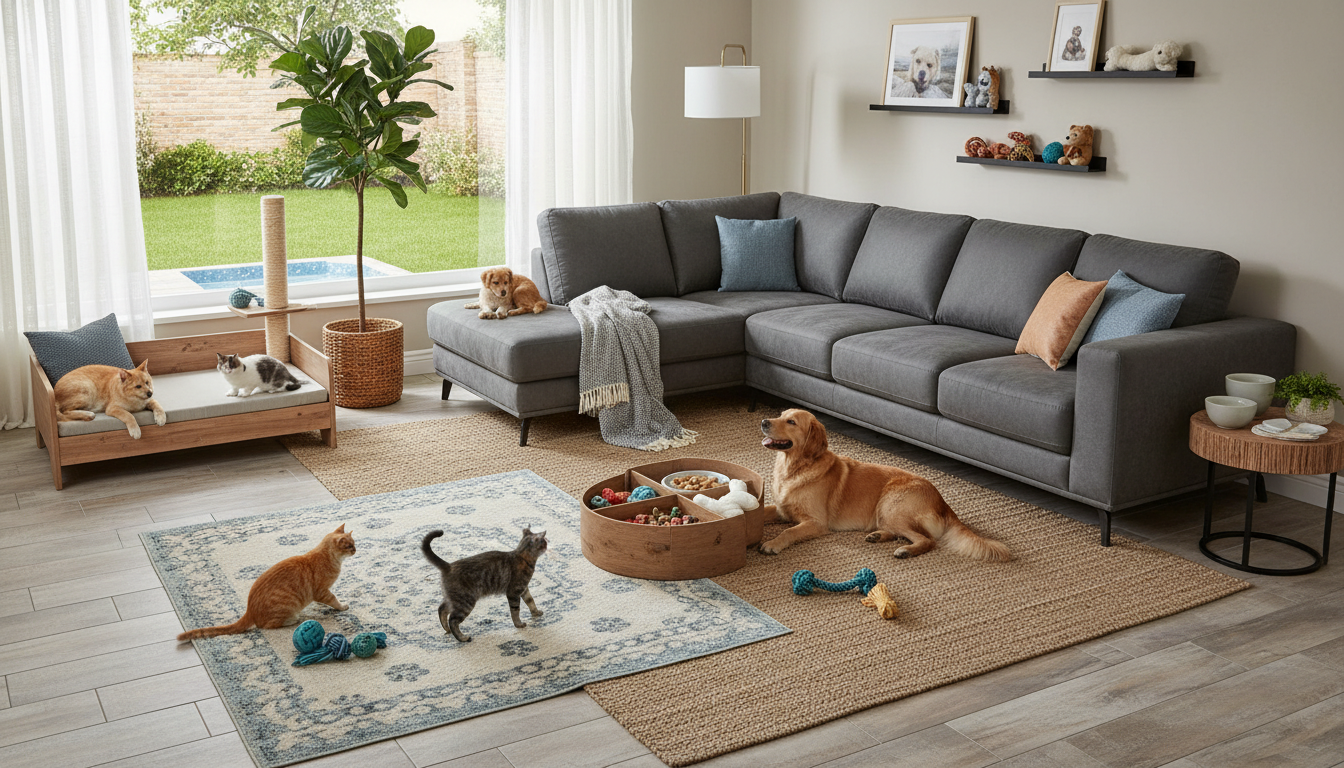

Designing an interior that looks beautiful while also being safe and comfortable for pets is no longer a luxury—it is a growing necessity for modern homes. Pets have become members of the family, and as their presence in households increases, homeowners are now prioritizing pet-friendly design features. A well-planned pet-friendly interior not only enhances the safety and comfort of pets but also ensures that the home remains functional, clean, and visually appealing.
Creating a pet-friendly home does not mean sacrificing your style. Instead, it means choosing smart materials, thoughtful layouts, and intentional décor choices that complement your lifestyle and your pet’s needs. Whether you live with dogs, cats, rabbits, or other domestic animals, a carefully designed space makes daily life smoother and more enjoyable for all.
Understanding the Needs of Pets in Interior Design
Before modifying your home to make it pet-friendly, it is essential to understand the natural behavior and needs of your pets. Every pet sees the world differently and adapts to spaces in unique ways. Dogs thrive on accessible spaces, freedom of movement, and comfortable resting zones. Cats, on the other hand, crave vertical climbing spots, cozy hideaways, and stimulating areas where they can observe their surroundings.
When interiors fail to consider these needs, pets often develop destructive habits or unsafe behaviors. For example, a dog may scratch doors because it feels anxious in closed spaces, or a cat may jump onto furniture simply because it lacks a dedicated climbing area. A pet-friendly interior provides structure, comfort, and environmental enrichment, reducing stress and making pets feel secure.
Choosing Pet-Friendly Flooring for a Safer Home
Flooring is one of the most important elements in pet-friendly interior design. Pets spend a significant amount of time walking, sitting, and sleeping on the floor, so the surface you choose influences both hygiene and comfort. Hard floors such as ceramic tiles, stone, and laminate are durable options that withstand scratches and moisture. These surfaces are easier to clean and do not trap odors, making them ideal for homes with multiple pets.
However, if you prefer a warmer flooring texture, luxury vinyl tiles and engineered wood are excellent alternatives. They mimic the look of real hardwood but offer better resistance to scratches and stains. Soft flooring like carpets can also be pet-friendly if chosen wisely. Low-pile carpets with stain-resistant fibers reduce the chances of trapping hair and make cleaning simpler. Selecting the right flooring not only enhances the beauty of your home but also improves safety by reducing slips and minimizing wear caused by pets.
Selecting the Right Furniture and Upholstery for Pet-Friendly Living
Furniture acts as the backbone of any interior design, and in a pet-friendly home, it must withstand daily interaction with animals. When selecting sofas, chairs, or cushions, it is essential to prioritize stain-resistant and scratch-resistant materials. Fabrics such as microfiber, leather, and tightly woven textiles resist pet hair and minimize damage from claws. Leather, in particular, is easy to wipe clean and develops a natural patina over time, making it a stylish long-term choice.
Color selection also plays a significant role. Light-colored furniture may easily reveal stains, while very dark furniture shows shedding hair. Mid-tone fabrics offer a balanced solution, maintaining a clean appearance even with heavy pet activity. Beyond fabric and color, furniture shapes and structures matter too. Rounded edges prevent injuries to playful pets, while raised furniture allows easy cleaning underneath and offers hiding spaces for small animals.
Designing Dedicated Zones for Pets Within the Home
A pet-friendly interior thrives when pets have their own dedicated spaces. Creating zones for sleeping, eating, playing, and storing supplies encourages organization and reduces clutter. A cozy pet bed in a quiet corner helps pets sleep undisturbed. Elevated cat shelves or window perches allow cats to explore their environment safely. A built-in pet nook under staircases or in unused corners provides dogs with a secure spot to relax.
Food stations benefit from thoughtful placement as well. Instead of placing bowls in high-traffic zones, locate them in quieter areas of the kitchen or dining room to give pets a peaceful eating experience. Similarly, litter boxes should remain in ventilated but discreet corners of the home, away from furniture and crowded zones. Designing these dedicated spaces enriches your pet’s life and ensures the rest of your home stays clean and organized.
Incorporating Pet-Safe Materials and Accessories for a Healthier Environment
Pet-friendly interiors must prioritize safety through material choices. Certain paints, adhesives, textiles, and cleaning chemicals contain toxins that are harmful to pets. Opting for low-VOC paints and natural materials supports a healthier indoor environment. Similarly, avoiding fragile décor, harmful plants, and small decorative objects prevents accidents and ingestion hazards.
Selecting the right accessories enhances both comfort and safety. Non-slip rugs prevent slipping during energetic play. Washable cushion covers simplify maintenance. Choosing chew-resistant toys and sturdy scratching posts prevents damage to furniture and walls. Everything inside the home must balance style with practical safety features that align with pet behavior.
Improving Storage and Organization for a Clutter-Free Pet-Friendly Interior
Pet supplies often accumulate quickly, leading to disorganized living spaces. Incorporating smart storage solutions maintains a tidy home while keeping pet essentials accessible. Built-in storage benches, baskets, or cabinets can neatly store toys, leashes, grooming tools, and food supplies. Organizing items by category helps streamline daily routines and prevents clutter from spreading throughout your home.
For multi-pet households, labeled storage adds even more efficiency. Elevated feeding storage protects food from pests or curious pets, while airtight containers maintain freshness. A well-organized home reduces stress for pets and humans alike, allowing both to enjoy a cleaner environment.
Enhancing Mobility and Movement Through Thoughtful Layouts
Interiors must support easy movement for pets, especially in homes with older animals or pets with mobility challenges. Open layouts provide clear pathways for pets to roam comfortably without obstruction. Minimizing sharp corners, slippery surfaces, and tight spaces prevents injuries. Ramps or pet steps can help small or elderly pets access higher furniture safely.
Cats benefit greatly from vertical mobility. Integrated cat walls, climbing posts, and overhead shelves satisfy their natural instincts and reduce boredom. Dogs appreciate open space for play and movement, while small animals like rabbits or guinea pigs require secure zones within open living areas. A thoughtful layout improves daily activity levels and encourages a healthier, more dynamic lifestyle for pets.
Creating a Balance Between Style and Function in Pet-Friendly Decor
Pet-friendly design does not mean compromising on aesthetics. Stylish yet functional décor choices enhance both the beauty of your home and the quality of your pet’s life. Decorative rugs can be chosen in patterns that hide fur, cushions can be selected in washable fabrics, and throws can protect delicate sofas while adding visual appeal. Wall colors, lighting, and décor accents can all be selected in harmony with a pet-inclusive interior.
Additionally, incorporating elements that reflect the pet owner’s lifestyle enhances personalization. Custom portraits of your pets, decorative hooks for leashes, stylish storage baskets, and aesthetically pleasing pet beds help blend functionality with charm. The key is to maintain a cohesive design theme while allowing pets to be part of the living environment.
Maintaining Cleanliness and Hygiene in a Pet-Friendly Home
Keeping a home clean with pets inside is easier when the interior is designed for simple maintenance. Smooth surfaces, washable materials, and easy-to-clean fabrics reduce cleaning time significantly. Regular vacuuming, especially with pet-friendly models, helps manage shedding. Maintaining a proper grooming schedule prevents excess fur accumulation and improves hygiene.
Ventilation also plays an important role in odor control. Air purifiers, open windows, and good airflow help maintain freshness throughout the home. Cleanliness becomes manageable when the home is designed with practicality in mind, making life more pleasant for both owners and pets.
Conclusion: Creating a Harmonious Home for You and Your Pets
Designing pet-friendly interiors is a thoughtful process that blends style, comfort, and practicality. A well-designed space respects the needs of pets while reflecting the homeowner’s personality. By choosing durable materials, creating dedicated pet zones, improving organization, and emphasizing safety, homes become harmonious environments where pets thrive.
A beautiful home does not have to exclude pets; instead, it can be intentionally designed to include them. With the right planning and creativity, every living space can become a place where both people and pets live comfortably, safely, and happily.