
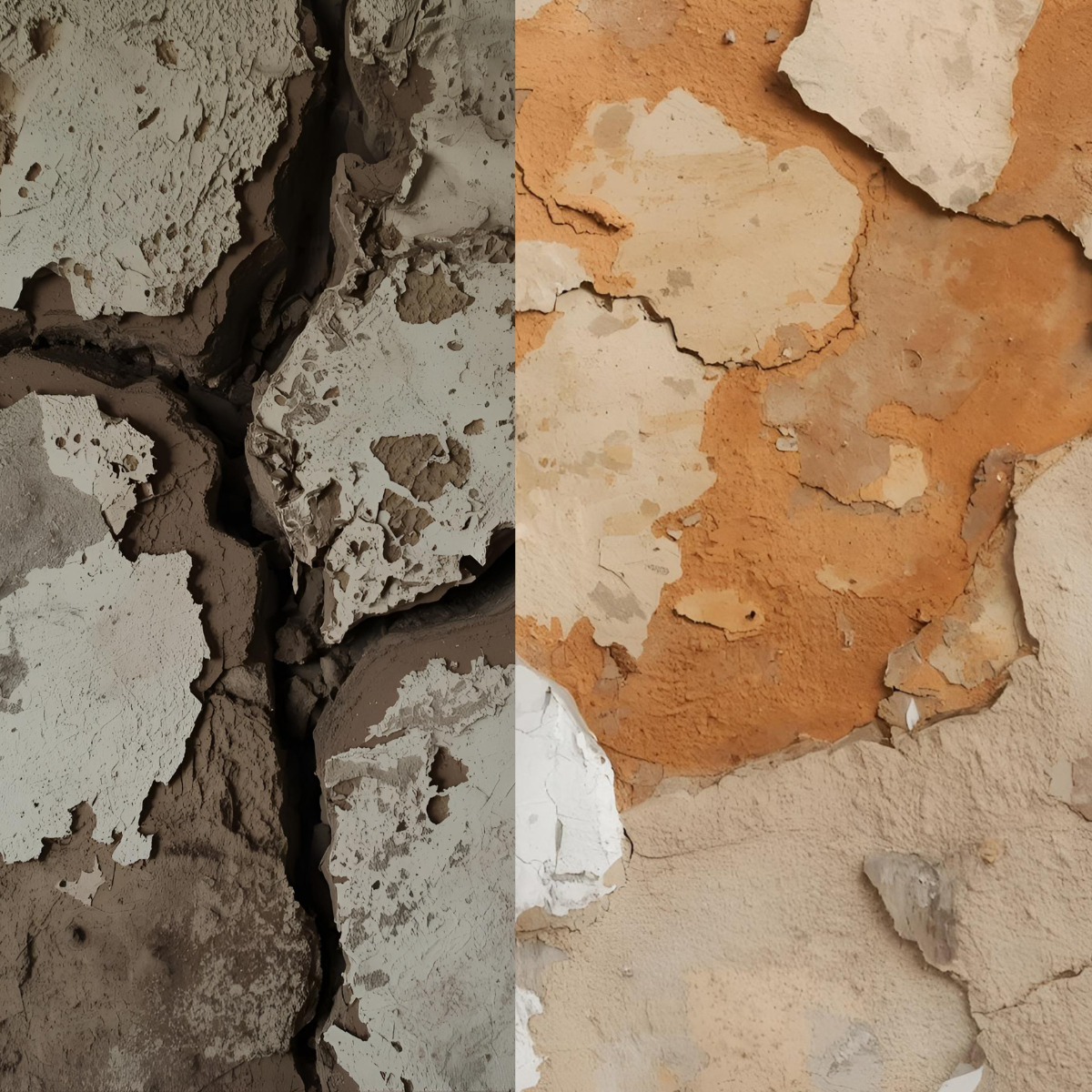

Every home tells a story through its walls. They provide structure, strength, and aesthetic beauty — but over time, even the best-built walls can start showing signs of damage. Small hairline cracks, long vertical gaps, or deep horizontal splits often appear as homes age. While some cracks seem harmless, others may indicate deeper structural problems. That’s why learning How to Repair Cracks in Walls Permanently is essential for every homeowner or builder.
Cracks not only spoil the appearance of your interiors but can also allow moisture to seep in, weakening the structure further. If left untreated, these cracks expand, making future repairs costlier. Understanding what causes these cracks and how to repair them permanently helps ensure your home stays safe, stable, and beautiful for years.
Understanding Why Wall Cracks Happen
Before we discuss How to Repair Cracks in Walls Permanently, we need to understand what actually causes them. Cracks in walls can occur due to several reasons — some natural, some man-made.
- Structural Settlement:
After construction, every building settles slightly as the ground beneath adjusts to the new load. This is normal, but uneven settlement can cause visible cracks, especially near doors, windows, or corners. - Temperature & Moisture Changes:
Walls expand and contract due to heat and humidity. Over time, this movement causes small cracks on plaster surfaces, particularly in regions with extreme temperature variations. - Poor Construction Practices:
If inferior materials, incorrect plaster ratios, or inadequate curing were used during construction, the walls lose flexibility and strength. This leads to premature cracking and peeling. - Water Leakage or Dampness:
Continuous exposure to moisture from leaking pipes, roof seepage, or poor drainage can weaken the plaster and cause cracks. Water seeps through small pores and widens them over time. - Structural Movements or Vibrations:
Nearby construction activities, earthquakes, or even heavy traffic vibrations can cause deep structural cracks in walls. These need immediate professional attention.
Knowing the cause is the first and most important step in learning How to Repair Cracks in Walls Permanently, because every type of crack requires a different repair approach.
Types of Wall Cracks You May Notice
Not all cracks are equal. Identifying the type helps you choose the right method for How to Repair Cracks in Walls Permanently.
Hairline Cracks:
These are very thin cracks (less than 1mm wide) commonly found on plastered surfaces. They usually occur due to shrinkage during drying or minor thermal movement.
Vertical or Diagonal Cracks:
These often appear around door or window frames. They indicate slight structural movement or settlement.
Horizontal Cracks:
Usually found in load-bearing walls, these are more serious and often caused by structural stress or foundation movement.
Map Cracks or Pattern Cracks:
These resemble a network of lines on the wall surface and are caused by poor-quality plaster or insufficient curing.
Cracks Due to Dampness:
These cracks show discoloration and damp patches. They are caused by water seepage and must be repaired with waterproofing measures.
Understanding these types makes it easier to choose the right solution for How to Repair Cracks in Walls Permanently.
Why Permanent Repair Is Important
Many homeowners simply fill cracks with putty or repaint the area, thinking the problem is solved. But this is only a temporary cosmetic fix. Without addressing the root cause, cracks will reappear within months.
Permanent wall crack repair ensures structural integrity, prevents dampness, and maintains the beauty of your interiors. It also avoids future expenses and strengthens your home’s lifespan. That’s why a step-by-step, professional approach to How to Repair Cracks in Walls Permanently is so important.
Step-by-Step Guide on How to Repair Cracks in Walls Permanently
Let’s now explore a detailed and practical process to fix cracks the right way.
Step 1: Inspection and Diagnosis
Before any repair, inspect the crack closely. Check its width, depth, and direction. Small hairline cracks can be repaired easily with surface treatments, but wide cracks might indicate deeper structural issues.
If you notice that the crack keeps growing, or if doors and windows near the crack are not closing properly, it may be a sign of foundation movement. In that case, professional structural evaluation is necessary before proceeding.
This initial inspection helps you decide the right method for How to Repair Cracks in Walls Permanently instead of just covering the surface.
Step 2: Cleaning the Crack Area
Use a scraper or wire brush to clean the area around the crack. Remove loose plaster, dust, paint flakes, or debris. The surface should be completely clean and slightly rough for better adhesion of repair materials.
If the crack is deep, widen it slightly using a chisel so that the filler material can penetrate properly. Cleaning ensures that your repair lasts longer and doesn’t peel off later.
Step 3: Applying the Right Repair Material
The choice of repair material depends on the type and size of the crack. For hairline cracks, use high-quality wall crack filler paste or acrylic crack sealant. These materials remain flexible even after drying and move with the wall’s expansion or contraction.
For deeper cracks, use cement-based crack repair compounds or polymer-modified mortars. These materials bond strongly with the base plaster and provide a durable finish.
If the crack is caused by structural movement, you may need epoxy injection grouting — a method where epoxy resin is injected into the crack to seal it from the inside and restore strength.
Choosing the correct filler is a vital part of How to Repair Cracks in Walls Permanently because each wall material — brick, plaster, or concrete — responds differently.
Step 4: Curing and Finishing
After applying the filler, allow it to cure properly as per the product instructions. Some cementitious materials require light water curing to achieve full strength.
Once the area is dry, sand it lightly to make it smooth and level with the surrounding surface. Apply a coat of primer and then repaint the wall to restore its appearance.
This final step completes the process of How to Repair Cracks in Walls Permanently, ensuring a clean and lasting result.
How to Repair Cracks in Plaster Walls Permanently
Cracks in plastered surfaces are extremely common, especially in older houses. The plaster may weaken over time due to poor-quality mix, thermal movement, or dampness. To fix these, first remove the damaged plaster around the crack area and re-plaster using a good cement-sand mix (1:4 or 1:5 ratio).
Before reapplying new plaster, coat the surface with a bonding agent to improve adhesion. After curing, use a polymer-based crack filler to seal micro gaps.
Proper curing (minimum 7 days) is essential to prevent new cracks from forming. Following these steps ensures your plastered walls stay smooth and crack-free for years.
How to Repair Cracks in Concrete Walls Permanently
Concrete walls or columns sometimes develop cracks due to shrinkage, excessive load, or poor reinforcement. These are more serious than plaster cracks and need special attention.
Epoxy injection is the most effective method for How to Repair Cracks in Walls Permanently when dealing with concrete structures. In this process, small holes are drilled along the crack line, and epoxy resin is injected under pressure. This seals the crack completely and restores the original strength of the concrete.
For surface-level cracks, polymer-modified cementitious coatings work well. They not only repair the damage but also provide a waterproof barrier to prevent moisture intrusion.
Waterproofing: The Hidden Key to Long-Term Crack Repair
A major reason cracks reappear is hidden moisture behind the wall surface. Waterproofing is therefore an essential part of How to Repair Cracks in Walls Permanently.
Once the visible cracks are repaired, apply a waterproof coating on exterior walls to block rainwater seepage. Inside bathrooms and kitchens, ensure proper tile grouting and silicone sealing around fixtures. Roofs and terraces should be coated with a high-quality waterproof membrane to stop water infiltration.
By eliminating moisture sources, you stop cracks from reforming and protect the entire structure.
Preventive Maintenance: Stopping Cracks Before They Start
The best approach to How to Repair Cracks in Walls Permanently is actually preventing them. A little planning and maintenance during and after construction can make a big difference.
Ensure that the foundation of your home is strong and compacted properly. Use high-quality cement, sand, and steel in correct proportions. Always allow proper curing of plaster and concrete to avoid shrinkage cracks.
During painting or renovation, choose flexible paints and coatings that can handle minor expansion and contraction. Maintain good ventilation indoors to avoid moisture accumulation. Regularly inspect plumbing lines, roof joints, and wall corners for early signs of dampness or cracks.
By adopting these preventive habits, you won’t just know How to Repair Cracks in Walls Permanently — you’ll also learn how to avoid them completely.
When to Call a Professional
Some wall cracks are minor and can be repaired with DIY products. However, deep, recurring, or widening cracks should always be inspected by professionals. A qualified civil engineer or construction expert can identify whether the problem is cosmetic or structural.
Experts also have access to industrial-grade materials like epoxy grout, polymer sealants, and waterproof membranes that ensure lasting results. Choosing professional help is the smartest move for anyone serious about How to Repair Cracks in Walls Permanently the right way.
Modern Techniques and Materials for Crack Repair
Today, advanced materials and tools have transformed how we handle wall cracks. Self-healing mortars, nano-technology sealants, and flexible polymers provide better bonding and resistance.
Smart crack monitoring devices can also detect movement or moisture inside walls. This helps in early detection and timely repair before the damage spreads.
If you’re planning a renovation or new construction, using these modern technologies ensures your home remains strong and crack-free for decades.
A Strong Wall is a Strong Home
Cracks in walls may seem minor at first glance, but they are your home’s way of asking for attention. By learning How to Repair Cracks in Walls Permanently, you protect not just the appearance but the very strength of your building.
From identifying causes to applying the right materials and ensuring waterproofing, every step matters. Whether you do it yourself or hire professionals, always focus on permanent solutions rather than quick fixes.
Remember — a well-repaired wall stands firm against time, weather, and wear. Keeping your home strong, beautiful, and safe begins with caring for its walls today.