
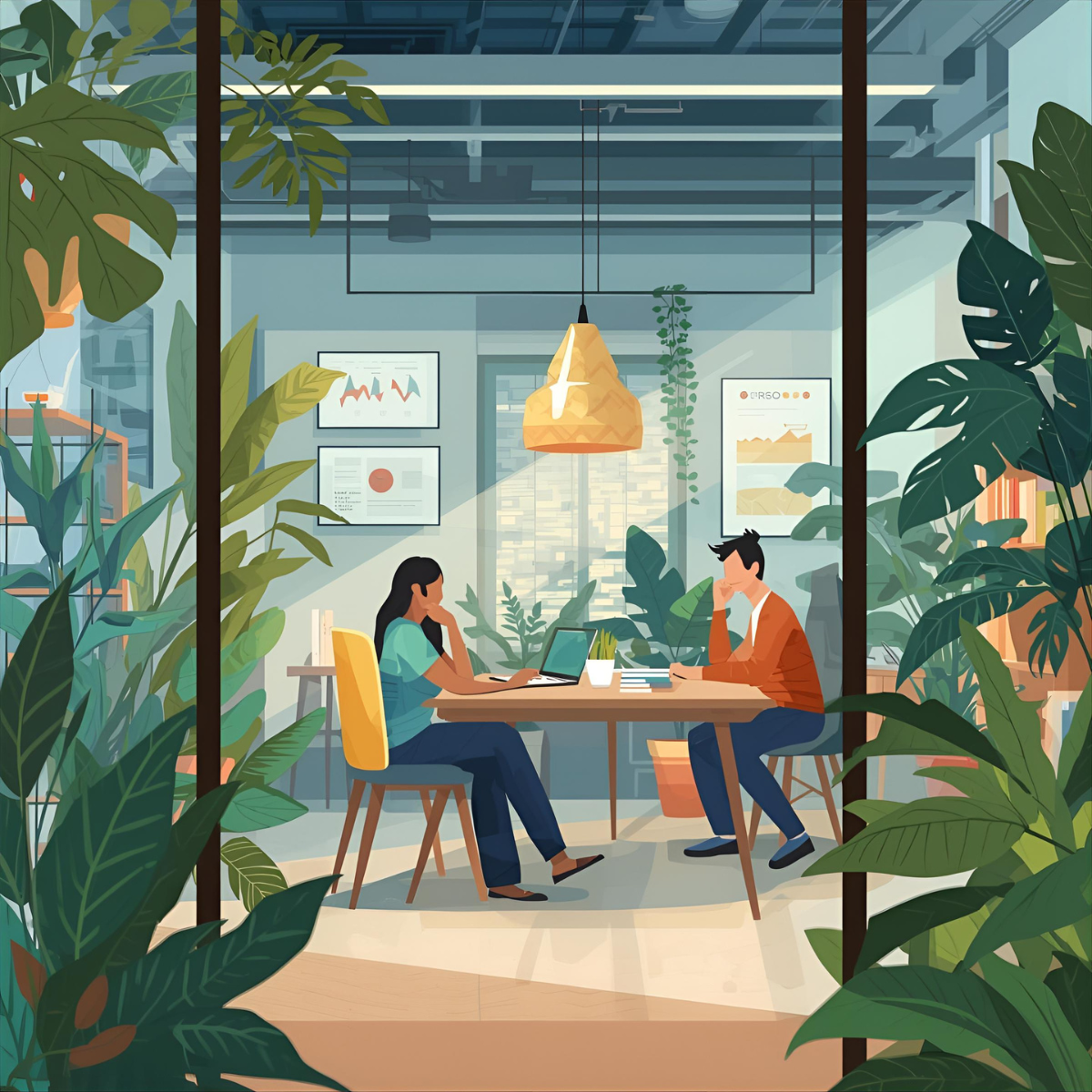

The workplace is evolving faster than ever, and the best office interior design trends for 2025 respond to hybrid work, employee wellbeing, sustainability, and flexible use of space. This guide explains what’s really trending now and gives practical, place-specific advice on how to apply interior strategies within different office zones — reception, open plan, meeting rooms, lounges, focus pods, and amenities. Read on for actionable design steps, a useful comparison table, and layout suggestions you can implement immediately.
Why these office interior design trends matter in 2025
Companies now compete for talent by offering workplaces that support comfort, creativity, and connection. The best office interior design trends for 2025 focus on four goals: adaptability (for hybrid work), health (air, daylight, ergonomics), sustainability (materials and operations), and experience (brand, culture, wayfinding). Thoughtful interior decisions improve productivity, reduce absenteeism, and make a physical office an intentional destination.
Top Office Interior Design Trends for 2025 — Overview
Below are the major office interior design trends shaping workplaces in 2025:
- Biophilic and nature-led interiors.
- Flexible zoning and modular furniture for hybrid teams.
- Low-carbon, circular-material finishes and furnishings.
- Tech-embedded furniture and touchless controls.
- Acoustic-first planning and sound-masking strategies.
- Inclusive design — accessibility and neurodiversity-aware interiors.
- Wellness amenities: nap pods, hydration stations, active-nudge design.
- Local craftsmanship and culturally resonant finishes.
Each of these trends is practical to implement at the scale of a single floor, a suite, or an entire building; below we describe how to apply them to specific office places and spaces.
Entrance & Reception: First impressions that last
Reception areas set expectations. The leading office interior design trends encourage a reception that’s warm, sustainable, and flexible:
- Use natural finishes like FSC timber or recycled terrazzo to communicate sustainability.
- Integrate a living green wall or planters for instant biophilic appeal.
- Keep seating modular so the reception can convert into a small event or networking area.
Add a digital wayfinder kiosk and touchless check-in to satisfy tech-forward visitors.
Open-plan areas: Balancing collaboration and focus
Open-plan interiors must now support both heads-down work and quick collaboration. The best office interior design trends for open-plan areas include:
- Zoning with furniture and low partitions rather than permanent walls.
- Mix of benching and designated focus booths; provide acoustic screens and sound-absorbing ceiling clouds.
- Task lighting and adjustable monitors to support ergonomics.
- Clear circulation paths and visible storage to reduce clutter and cognitive load.
Meeting rooms & huddle spaces: Hybrid-first design
Meeting rooms are the new command centers for hybrid teams. 2025 office interior design trends emphasize camera-friendly sightlines, flexible AV, and daylight:
- Provide integrated camera walls or mobile studio carts for hybrid calls.
- Use writable wall finishes and mobile partitions for rapid reconfiguration.
- Match acoustics and lighting to video conferencing — no backlit faces.
- Offer a variety of sizes: 2-4 person huddles, 6-8 medium rooms, and one large multi-purpose room.
Focus pods & quiet zones: Protecting deep work
Concentration is precious. The trending office interior design trends prioritize dedicated quiet zones:
- Install phone booths and acoustic pods with ventilation and small desks.
- Position quiet zones away from HVAC returns and circulation to reduce noise.
- Provide soft finishes, dimmable lights, and neutral palettes to reduce sensory load.
Breakout lounges & cafés: Social design that supports culture
Break spaces are culture hubs. 2025 office interior design trends treat these areas as flexible social labs:
- Combine café seating with soft lounge furniture and high tables for variety.
- Offer semi-private niches for casual meetings and informal interviews.
- Use durable, easy-clean surfaces and water-wise fixtures in pantry areas.
Wellness & sustainability interventions
Wellness and sustainability are table stakes. The strongest office interior design trends use measurable improvements:
- Improve ventilation rates and install energy recovery systems where possible.
- Choose low-VOC paints, FSC or reclaimed wood, and circular furniture with take-back programs.
- Provide visible recycling streams and low-flow fixtures to reinforce behavior change.
Tech & smart interiors: Seamless, not intrusive
Technology should support, not dominate, the interior. Office interior design trends of 2025 include:
- Occupancy sensors for lighting and HVAC that adapt to actual usage.
- Wireless charging surfaces, built-in AV, and networked whiteboards.
- Touchless entry and voice-activated controls to reduce friction.
Materials, finishes, and colour palettes
Material choice communicates brand and values. The office interior design trends point to warmer palettes and tactile finishes:
- Earthy neutrals with accent tones derived from brand colours.
- Textured wall coverings, acoustic fabrics, and matte metals for longevity.
Reclaimed timber, natural stone or engineered stone with high recycled content.
Inclusive & accessible interiors
Designing for everyone is non-negotiable. Current office interior design trends enforce clear thresholds:
- Barrier-free entry, adjustable-height desks, and clear signage.
- Lighting design that limits glare for photosensitive employees; quiet zones for sensory needs.
Training for facility teams on inclusive use of spaces.
Applying trends to specific office places — practical checklists
Below are short, place-specific checklists so you can apply office interior design trends effectively.
- Reception: durable flooring, biophilic element, modular seating, digital check-in.
- Open plan: varied settings, acoustic clouds, integrated power/data, storage hubs.
- Meeting rooms: hybrid AV, reconfigurable furniture, daylight control.
- Focus zones: acoustic pods, soft lighting, ventilation, reservation system.
- Breakout: mixed seating, refreshment ergonomics, spill-resistant finishes.
Wellness: hydration stations, standing desks, green cleaning program.
Design element, where to use it, benefit, recommended materials
Design element | Best location(s) | Primary benefit | Recommended materials / notes |
Biophilic planting / green wall | Reception, breakout, corridors | Improves air quality, wellbeing | Live walls, potted plants, hydroponic systems |
Acoustic ceiling clouds | Open plan, meeting rooms | Reduces reverberation, increases focus | PET felt, wood-fiber panels, mineral wool |
Modular partitions | Open plan, huddles | Flexible zoning, reconfigurable | Lightweight panels, fabric-wrapped frames |
Ergonomic sit-stand desks | Individual workstations, focus pods | Improves posture, reduces sedentary time | Electric height-adjustable frames |
Touchless controls | Reception, pantry, meeting rooms | Reduces surface contact, hygiene | Proximity sensors, voice control |
Recycled/low-VOC finishes | Everywhere | Lower embodied carbon, healthier air | Recycled terrazzo, low-VOC paints |
Integrated hybrid AV | Meeting rooms, large huddle spaces | Better participation for remote staff | Motorized camera, beamforming mics |
Natural light maximization | Workstations, meeting rooms | Enhances mood and circadian rhythm | Light shelves, translucent partitions |
Space planning examples — small, medium, large office guidance
Small office (100–500 sq ft): Prioritize flexible furniture and focus booths. Make the reception minimal and the breakout double as collaborative space. Use portable acoustic screens and a single hybrid-enabled meeting nook.
Medium office (500–5,000 sq ft): Create distinct zones — open collaboration, heads-down benches, a few meeting rooms, and a central social hub. Implement biophilic corridors and a clear wayfinding strategy aligned with the office interior design trends for 2025.
(Count: 15 — included phrase once more here)
Large office (5,000+ sq ft): Invest in workplace strategy with dedicated wellness rooms, a mix of neighborhood types, and advanced building systems (BMS) to optimize energy and comfort. Large offices can demonstrate sustainability at scale with material circularity and building-level certifications.
Implementation roadmap — from concept to move-in
- Discovery & strategy: study occupancy patterns and hybrid use. Embed the top office interior design trends within program goals.
- Design development: zoning, MEP coordination, and material selection. Prioritize low-VOC and recycled content.
- Prototyping: pilot a hub or a suite to test layouts, acoustics, and tech integrations.
- Phased roll-out: use modular furniture to convert spaces with minimal downtime.
- Training & culture: teach employees how to use spaces (reservation systems, quiet protocols).
Measure & refine: collect feedback and sensor data to tune HVAC, lighting, and space allocations.
Budgeting tips and cost-effective moves
You don’t need a big capital outlay to adopt office interior design trends:
- Start with movable elements — furniture, rugs, acoustic screens.
- Replace small quantities of flooring or partitioning to pilot materials.
- Reuse existing casegoods and refinish with eco-friendly coatings.
Use phased AV purchases — start with a single hybrid meeting room and scale.