
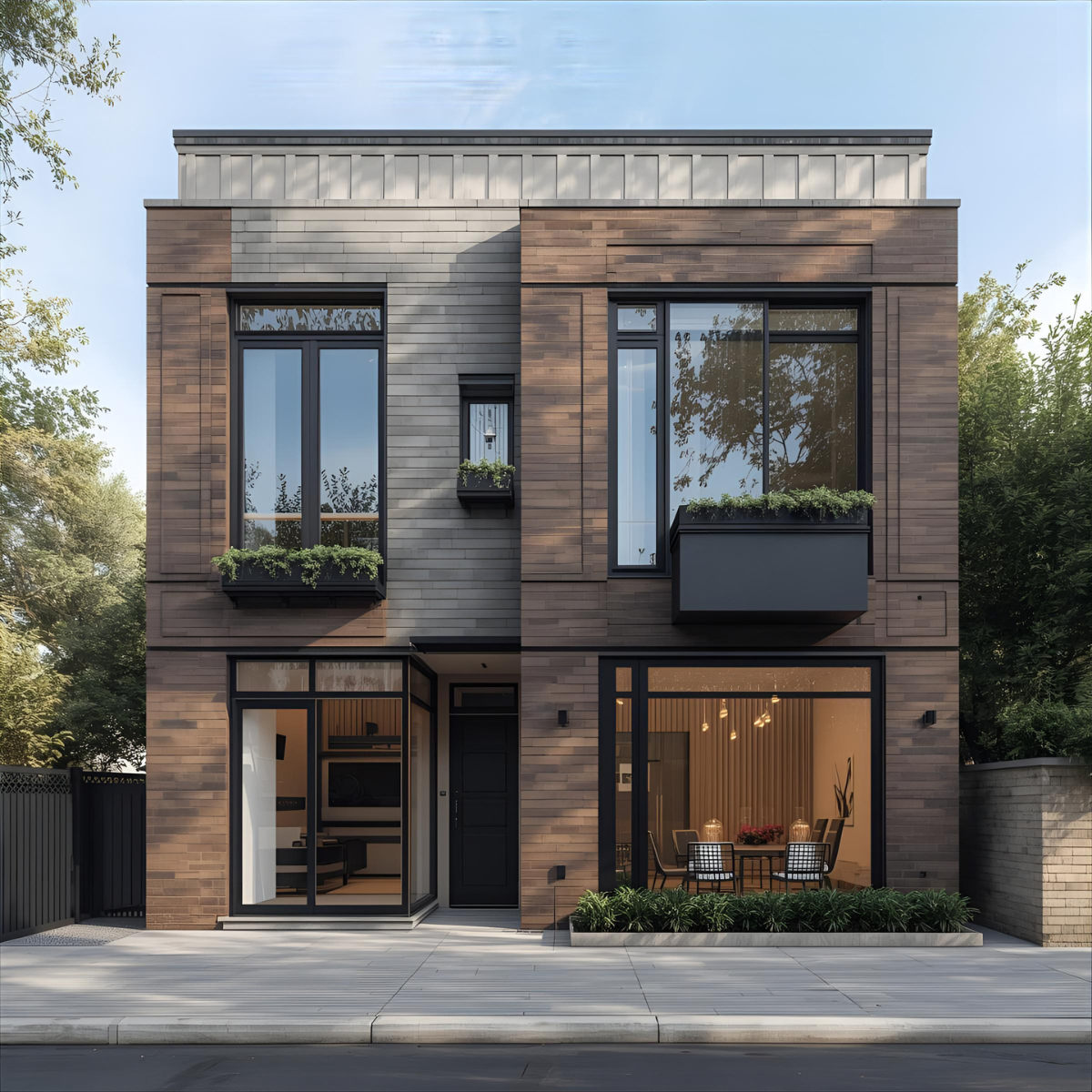

In modern architecture, the façade is more than just the outer face of a building — it is its identity, personality, and voice. The façade creates the first impression of any structure, defining how it is perceived and experienced. Over the years, the role of façade design in modern architecture has evolved from being a purely aesthetic feature to a functional, sustainable, and technological element that influences comfort, energy efficiency, and environmental impact.
Today’s architects use façade design as a powerful medium to merge creativity with performance. Whether it’s a glass skyscraper in a bustling city or a cultural center in a serene landscape, the façade communicates purpose, innovation, and vision.
1. Understanding Facade Design
The term “facade” originates from the French word façade, meaning “front” or “face.” In architecture, it refers to the exterior walls of a building, particularly the front elevation. However, in contemporary design, the concept extends to all sides of a structure that interact with the environment.
The role of façade design in modern architecture goes beyond decoration. It acts as a bridge between the exterior and interior, mediating light, heat, air, and sound. A well-designed façade protects against weather, enhances energy efficiency, and contributes to the overall functionality of the building.
2. Evolution of Facade Design
Historically, façades were expressions of cultural and artistic values. In classical architecture, façades were rich with ornamentation — columns, arches, and sculptures that reflected power and prestige. During the Industrial Revolution, the use of steel and glass transformed façade design, allowing for larger openings and lighter structures.
In modern architecture, the focus shifted toward minimalism, functionality, and sustainability. Architects now design façades that not only look beautiful but also respond intelligently to environmental factors such as sunlight, wind, and temperature. The role of façade design in modern architecture is now defined by its adaptability, innovation, and efficiency.
3. The Aesthetic Role of Façade Design
The most visible aspect of a façade is its visual appeal. It gives a building character and sets the tone for what lies within. The role of façade design in modern architecture is therefore inseparable from aesthetics.
Architects experiment with form, texture, material, and color to create façades that are striking and memorable. From curtain walls made of reflective glass to perforated metal panels and organic wooden claddings, the choices are endless.
A thoughtfully designed façade creates a dialogue between the building and its surroundings — harmonizing with its context or standing out as a statement of identity. It’s not just about beauty; it’s about meaning.
4. Functional Importance of Façade Design
Beyond its appearance, the role of facade design in modern architecture lies in its functional performance. A good façade regulates how a building interacts with natural forces.
- Thermal control: The façade acts as an insulating layer that maintains indoor temperature by minimizing heat gain or loss.
- Natural lighting: Well-positioned openings and translucent materials allow daylight to penetrate deeply, reducing dependence on artificial lighting.
- Ventilation: Operable façades facilitate airflow, improving indoor air quality.
- Acoustic control: Façade materials and layers can block unwanted noise, creating peaceful interiors in busy urban areas.
Thus, the façade serves as both a protective barrier and a dynamic system that contributes to occupant comfort.
5. Facade and Sustainability
Sustainability is a key focus in contemporary design, and the role of façade design in modern architecture is central to achieving energy efficiency. The façade directly influences how much energy a building consumes for heating, cooling, and lighting.
Architects employ passive design strategies such as shading devices, double-skin façades, and green walls to optimize performance. These systems respond to the sun’s movement, controlling solar gain and glare while maintaining visibility and ventilation.
Smart façades, integrated with sensors and automated controls, can adjust themselves according to weather conditions. For instance, louvers may open or close based on sunlight intensity, ensuring the building remains comfortable with minimal energy use.
A sustainable façade not only saves energy but also reduces the building’s carbon footprint — making architecture more responsible and future-ready.
6. Material Innovation in Façade Design
The role of façade design in modern architecture is also shaped by advances in materials. Traditional materials like stone and brick have given way to innovative options such as glass, aluminum composite panels (ACP), fiber-reinforced polymers, and photovoltaic surfaces.
- Glass façades provide transparency and connectivity but must be designed to manage heat and glare effectively.
- Metal façades offer durability, flexibility, and modern appeal, often used in high-rise and industrial structures.
- Green façades use vegetation to improve air quality and provide natural insulation.
- Photovoltaic façades convert sunlight into electricity, turning buildings into energy-generating structures.
Material selection plays a critical role in balancing beauty, performance, and sustainability. Architects choose materials based on local climate, building orientation, and functional requirements.
7. Technological Advancements in Façade Systems
Modern technology has revolutionized the role of facade design in modern architecture. Today’s façades are intelligent, responsive, and data-driven.
- Dynamic facades use movable panels or shading elements that change position throughout the day to regulate light and temperature.
- Double-skin facades consist of two layers separated by an air cavity, improving insulation and natural ventilation.
- Kinetic facades incorporate motion sensors and automation, allowing parts of the facade to move or adjust in real-time.
These smart systems enhance building performance while creating visually stunning designs. Technology ensures facades are no longer static skins but active components of the architecture.
8. Facade Design and Climate Responsiveness
Climate-responsive architecture prioritizes comfort with minimal mechanical intervention. The role of façade design in modern architecture is crucial in adapting buildings to their specific climate zones.
For example:
- In hot regions, façades use shading devices, light-colored materials, and ventilation panels to reduce heat gain.
- In cold climates, insulated façades with triple-glazed windows preserve heat and block cold air.
- In humid environments, breathable façades prevent condensation and promote airflow.
By understanding local weather patterns, architects design façades that create sustainable, comfortable spaces throughout the year.
9. Cultural and Contextual Expression
Architecture is a reflection of culture and place, and façades play a major role in expressing this identity. The role of façade design in modern architecture includes storytelling — translating cultural values, history, and local traditions into form and texture.
For instance, many modern Indian buildings incorporate jaali patterns — perforated screens inspired by Mughal architecture — that not only look beautiful but also provide natural ventilation and shade. Similarly, contemporary designs in the Middle East or Japan blend traditional motifs with modern materials, maintaining cultural continuity.
Thus, façades act as cultural messengers, connecting the past with the present while embracing modern innovation.
10. Façade Design and User Experience
While façades shape how a building looks from the outside, they also impact how people feel inside. The role of façade design in modern architecture extends to human experience and comfort.
A well-designed façade brings in natural daylight, reduces glare, controls temperature, and frames outdoor views. These factors improve mood, productivity, and well-being. The psychological connection between humans and their built environment is strengthened when façades provide a sense of openness, safety, and harmony.
Architects now focus on creating human-centered façades — designs that prioritize comfort, wellness, and interaction with nature.
11. Facade Lighting and Visual Identity
Lighting plays an integral role in enhancing façade design. During the day, natural light defines a building’s character, while at night, artificial lighting transforms it into a landmark. The role of facade design in modern architecture includes the creative use of light to highlight form, texture, and rhythm.
Architectural lighting emphasizes key elements such as columns, louvers, and patterns, creating a sense of drama and elegance. Dynamic LED systems can change colors or brightness, making façades interactive and visually engaging. Urban skylines around the world now rely on illuminated façades to establish unique identities and strengthen city branding.
12. Challenges in Façade Design
Despite its importance, designing a façade involves several challenges. Architects must balance aesthetics with performance, cost, and practicality.
Common challenges include:
- Managing heat gain and energy efficiency in large glass façades.
- Ensuring durability in harsh climates.
- Integrating maintenance systems for cleaning and repairs.
- Balancing transparency and privacy.
The role of façade design in modern architecture therefore demands multidisciplinary collaboration between architects, engineers, environmental experts, and material specialists. Success depends on achieving harmony between vision and functionality.
13. Iconic Examples of Facade Innovation
Across the world, many architectural landmarks showcase how façades redefine modern design:
- The Gherkin (London): Uses a spiraling glass façade for ventilation and daylight optimization.
- Al Bahar Towers (Abu Dhabi): Features a dynamic mashrabiya-inspired façade that opens and closes according to sunlight intensity.
- One Central Park (Sydney): Incorporates vertical gardens and mirrors to reflect sunlight deep into shaded areas.
These examples demonstrate how the role of façade design in modern architecture merges creativity, technology, and sustainability to shape groundbreaking structures.
14. The Future of Facade Design
Looking ahead, façades will continue to evolve as intelligent, adaptive systems that integrate renewable energy, digital controls, and biophilic design. The role of facade design in modern architecture will increasingly focus on environmental performance and user well-being.
Future façades may feature:
- Self-cleaning materials that reduce maintenance.
- Energy-generating surfaces using transparent solar cells.
- AI-based climate-responsive systems for real-time optimization.
- Biophilic façades with integrated greenery and natural elements.
The facade of tomorrow will be alive, interactive, and deeply sustainable — a fusion of nature, technology, and art.
The role of facade design in modern architecture is multifaceted — blending art, science, and sustainability. It defines the identity of a building, regulates environmental comfort, and expresses cultural meaning. From traditional masonry to high-tech smart façades, every design tells a story of progress and innovation.
A well-conceived façade not only enhances aesthetics but also shapes human experience, connects with context, and responds intelligently to the environment. In the world of modern architecture, façades are no longer static exteriors — they are living, breathing elements that define the soul of a structure.