
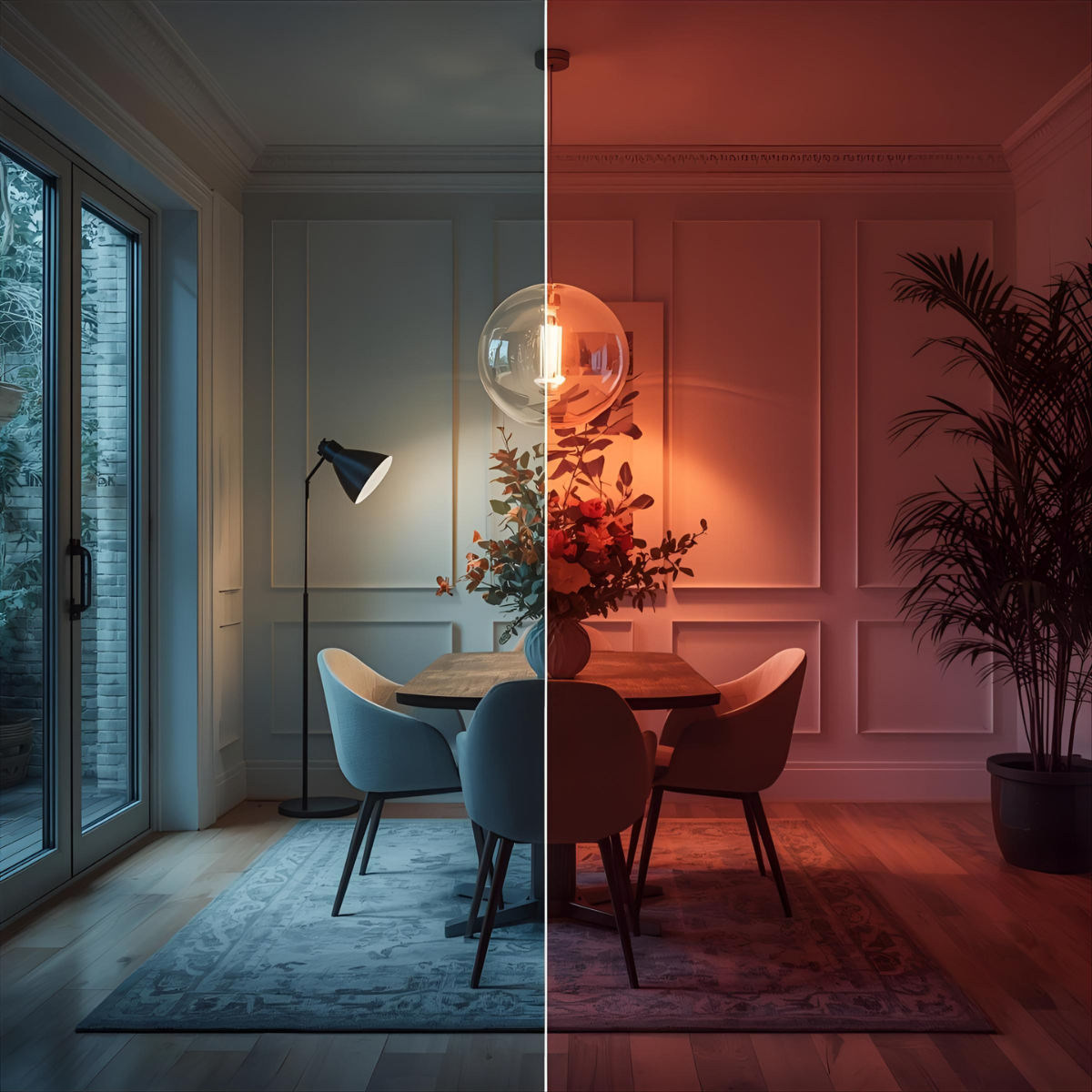

Lighting is one of the most crucial elements in architecture. It not only helps us see but also defines how we experience and interact with a space. The importance of lighting in architectural design lies in its power to enhance aesthetics, mood, and functionality. Whether it’s a cozy home, a grand hotel, or a bustling office, lighting determines how we perceive the environment and how comfortable it feels. From natural sunlight streaming through windows to sophisticated artificial setups, lighting plays a central role in shaping every architectural masterpiece.
1. Understanding the Role of Lighting in Architecture
The importance of lighting in architectural design begins with understanding its core function — visibility and perception. Light allows us to see forms, colors, and textures. Without light, architecture loses its meaning. A well-lit building highlights its design features and creates an atmosphere that aligns with the architect’s vision.
Lighting transforms a two-dimensional drawing into a three-dimensional experience. It defines depth, scale, and proportion, making architectural elements stand out. The right balance of brightness and shadows can bring a structure to life, making it both practical and visually captivating.
2. Natural vs. Artificial Lighting
When discussing the importance of lighting in architectural design, it’s essential to differentiate between natural and artificial light.
Natural lighting refers to sunlight that enters a space through openings like windows, skylights, or glass walls. It creates dynamic environments that change throughout the day. Natural light enhances well-being, reduces energy costs, and connects interior spaces with the outdoors.
Artificial lighting, on the other hand, is designed to complement or replace natural light when needed. Modern lighting systems include LED fixtures, smart controls, and energy-efficient technologies. Architects combine both types of lighting to achieve harmony — natural light during the day and artificial illumination for night-time ambiance.
3. Psychological and Emotional Impact of Lighting
The importance of lighting in architectural design goes beyond visibility — it influences how people feel within a space. Different lighting conditions evoke different emotions. For example:
- Warm lighting creates a sense of comfort and relaxation.
- Cool lighting stimulates focus and alertness.
- Soft, diffused lighting makes spaces feel cozy, while bright lighting enhances energy and productivity.
Architects use these psychological effects strategically. In homes, warm lighting promotes calmness; in offices, brighter lights boost efficiency; and in retail spaces, accent lighting draws attention to products. Thus, lighting design becomes an emotional language in architecture.
4. Enhancing Aesthetics and Visual Appeal
Another major aspect of the importance of lighting in architectural design is its role in aesthetics. Good lighting enhances colors, emphasizes textures, and highlights key architectural details. It can turn ordinary materials into stunning design statements.
For example, the same wall can look completely different under daylight, warm indoor light, or colorful accent lighting. Similarly, lighting can make ceilings appear higher, rooms larger, and surfaces more vibrant. Through creative use of lighting, architects add depth, drama, and beauty to every corner of a building.
5. Functionality and Space Definition
Beyond beauty, the importance of lighting in architectural design also lies in its functionality. Every space has a purpose, and lighting should support that function. Kitchens, study rooms, and offices require task lighting that ensures clarity and focus. Living rooms and bedrooms, on the other hand, benefit from ambient or mood lighting that encourages relaxation.
Proper lighting defines spaces within open-plan layouts. For instance, pendant lights can visually separate a dining area from a living zone without the need for walls. In commercial spaces, directional lights guide movement, improving navigation and safety.
6. Energy Efficiency and Sustainability
In modern architecture, sustainability is a core concern — and the importance of lighting in architectural design is directly tied to energy efficiency. Natural light reduces reliance on artificial sources, lowering electricity usage. Architects now design buildings that maximize daylight through large windows, light shelves, and reflective surfaces.
For artificial lighting, energy-efficient LED technology and motion sensors are widely used. Smart lighting systems adjust brightness based on occupancy and daylight levels, ensuring that no energy is wasted. Sustainable lighting design not only benefits the environment but also reduces long-term operational costs.
7. The Relationship Between Lighting and Materials
The importance of lighting in architectural design extends to how it interacts with materials. Light reflects, absorbs, or transmits depending on the surface it touches. For instance:
- Glossy materials reflect light and make spaces appear brighter.
- Matte finishes diffuse light, reducing glare and creating softness.
- Transparent materials like glass let light pass through, adding openness.
Architects carefully select materials that complement the lighting strategy. A balance between light and material can create captivating effects, emphasizing the texture and character of surfaces like wood, stone, or metal.
8. Lighting and Spatial Perception
Another key aspect of the importance of lighting in architectural design is its ability to manipulate spatial perception. Light can make a small room feel larger or a large hall feel more intimate. By controlling direction and intensity, architects can reshape how a space is experienced.
For example, uplighting can make ceilings appear higher, while wall-washing lights can expand visual width. Dimmed lighting in corners creates depth, while bright central lighting focuses attention. These visual tricks help architects achieve balance and proportion, regardless of physical space limitations.
9. Safety and Practical Considerations
Lighting isn’t just about beauty; it’s about safety and functionality. The importance of lighting in architectural design includes its contribution to safe movement and visibility. In public buildings, pathways, staircases, and emergency exits must be well-lit to prevent accidents. Exterior lighting ensures safety at night and enhances security.
Moreover, lighting helps people with visual impairments navigate spaces comfortably. Architects must consider glare control, brightness levels, and uniformity to ensure inclusivity and accessibility in every design.
10. Smart Lighting and Modern Innovations
With advancements in technology, the importance of lighting in architectural design has reached new heights. Smart lighting systems integrate with sensors and automation, allowing spaces to adapt dynamically. Architects now design buildings where lighting responds to user behavior, time of day, or ambient conditions.
For example, tunable lighting can mimic natural daylight patterns, supporting human circadian rhythms. LED fixtures can change colors and intensity, creating customizable moods for homes, offices, and public spaces. These innovations merge design with intelligence, redefining modern architecture.
11. Lighting in Different Architectural Contexts
The importance of lighting in architectural design varies across building types. In residential architecture, lighting enhances comfort and intimacy. In commercial architecture, it highlights products and brand identity. In educational and healthcare buildings, it supports concentration and healing.
Museums use focused lighting to draw attention to artworks, while theaters rely on dramatic illumination to enhance performances. Religious spaces use symbolic lighting to evoke spirituality. Each context demands a unique approach that aligns function, emotion, and aesthetics.
12. Cultural and Symbolic Meanings of Light
The importance of lighting in architectural design also holds cultural significance. In many traditions, light represents purity, divinity, and enlightenment. Temples, churches, and mosques often use natural or symbolic lighting to reflect sacredness.
Architects use light to express cultural identity and storytelling. For instance, soft lantern lighting in Asian architecture symbolizes harmony, while stained glass in Gothic cathedrals creates divine ambiance. Light becomes not just a tool but a medium of cultural expression.
13. Balancing Light and Shadow
A complete understanding of the importance of lighting in architectural design requires appreciating shadows as much as light. Shadow adds contrast, drama, and dimension. It prevents overexposure and enhances visual depth.
Architects often play with the interplay between light and shadow to create dynamic atmospheres. For example, the gentle shadow of a pergola or the patterned light filtering through a screen adds rhythm and character to a space. Good design achieves harmony — not too bright, not too dark, but perfectly balanced.
14. Outdoor and Landscape Lighting
Exterior environments are as important as interiors. The importance of lighting in architectural design extends to landscapes, façades, and pathways. Outdoor lighting highlights architectural exteriors, enhances nighttime beauty, and ensures safety.
Techniques like uplighting, downlighting, and grazing emphasize textures and forms in gardens, monuments, and buildings. Landscape lighting also strengthens the connection between built and natural environments, making architecture visually engaging both day and night.
15. Future of Lighting in Architecture
Looking ahead, the importance of lighting in architectural design will continue to grow with sustainability and technology driving innovation. Architects are exploring biophilic lighting designs that mimic natural cycles, promoting wellness and harmony.
AI-driven lighting systems will personalize illumination based on individual preferences and moods. Integration with renewable energy sources will make lighting greener and smarter. The future holds endless possibilities where light becomes an intelligent partner in architectural creativity.
In summary, the importance of lighting in architectural design cannot be overstated. Lighting is not merely a technical element — it’s the soul of architecture. It influences how we see, feel, and experience a space. From creating beauty and comfort to ensuring safety and sustainability, lighting shapes our built environment in profound ways.
A well-designed lighting system brings out the best in architecture, connecting human emotion with structural expression. Whether natural or artificial, subtle or dramatic, light remains the invisible artist that completes every design story.