
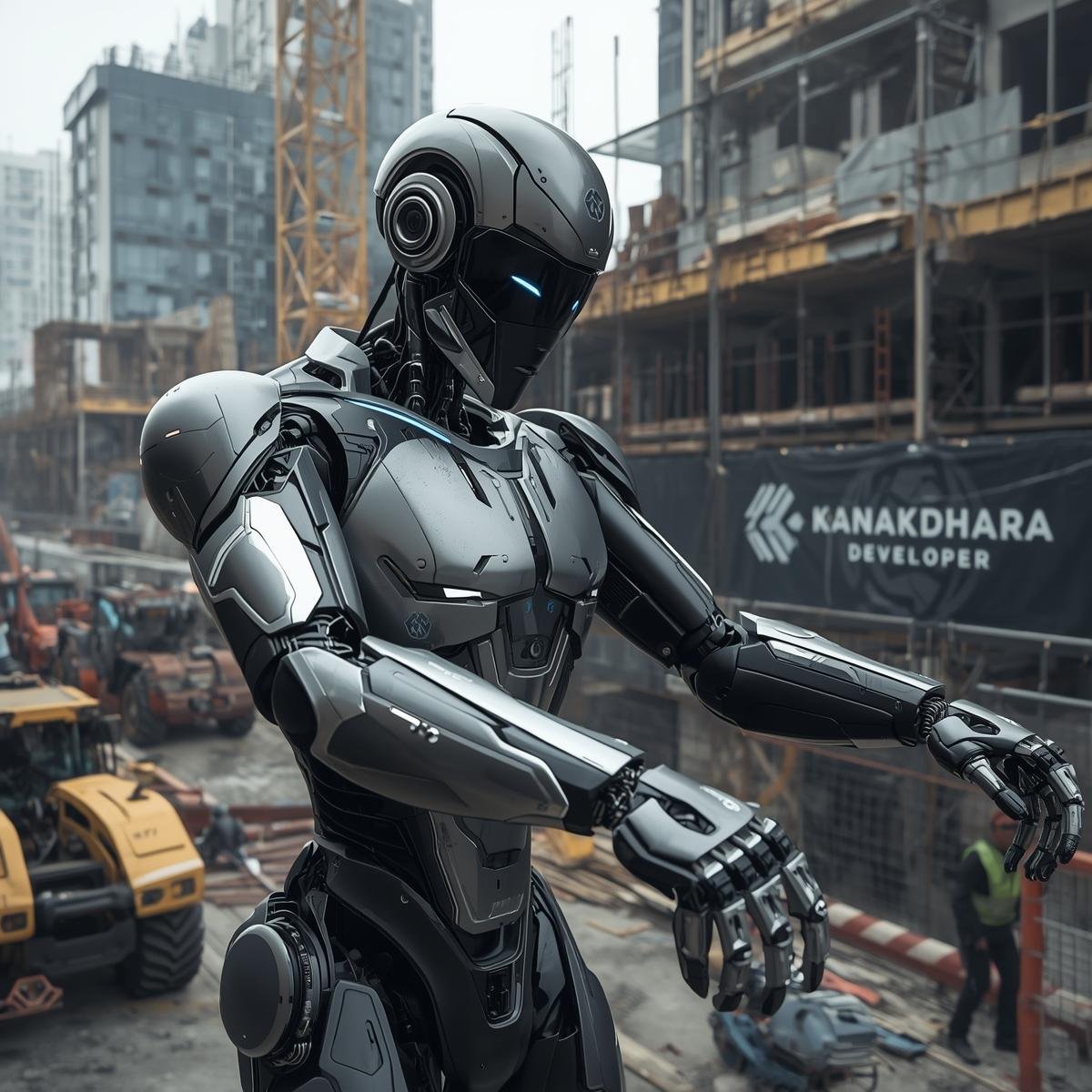

The Future of Architecture is Smart
The field of architecture is undergoing a revolutionary transformation thanks to Artificial Intelligence (AI). Understanding the impact of AI on modern architecture is essential for architects, developers, and homeowners who want to create smart, efficient, and futuristic buildings.
AI is no longer a futuristic concept; it’s becoming an integral tool in design, planning, and construction. From automating complex design tasks to improving sustainability and energy efficiency, AI is reshaping the architectural landscape in profound ways.
This blog explores the impact of AI on modern architecture in India and worldwide, explaining how it enhances creativity, efficiency, and decision-making for architects and clients alike.
AI-Driven Design: Transforming Creativity
One of the most significant aspects of the impact of AI on modern architecture is its ability to enhance creativity. Architects can now use AI-powered software to generate design alternatives, optimize building layouts, and explore complex forms that were once difficult to conceptualize manually.
AI tools analyze data such as site location, climate, building regulations, and user requirements to propose innovative solutions. This allows architects to focus on creativity while AI handles repetitive calculations and simulations.
For example, generative design platforms allow architects to input design constraints, and AI generates multiple feasible designs. The impact of AI on modern architecture in this area has led to more unique, efficient, and functional structures.
Smart Urban Planning and Space Optimization
Urban planning is another area where the impact of AI on modern architecture is remarkable. AI algorithms can process enormous datasets, including traffic patterns, population growth, and resource availability, to optimize city layouts and building placements.
For residential projects, AI can suggest the best placement for buildings to maximize sunlight, airflow, and energy efficiency. This not only enhances the sustainability of urban areas but also improves living conditions for residents.
By integrating AI, architects can create smarter cities with buildings designed to minimize environmental impact — a clear example of the impact of AI on modern architecture in shaping the urban future.
Energy Efficiency and Sustainability
Sustainable architecture benefits enormously from the impact of AI on modern architecture. AI systems can monitor energy usage in real-time, predict energy consumption patterns, and automatically adjust building systems for optimal efficiency.
For example, smart HVAC (Heating, Ventilation, and Air Conditioning) systems powered by AI reduce energy wastage while maintaining comfort. AI can also optimize lighting, shading, and solar panel placement to reduce energy consumption further.
By leveraging AI, architects can design green buildings that not only meet sustainability goals but also reduce operational costs — demonstrating a powerful impact of AI on modern architecture in the era of eco-conscious construction.

Predictive Maintenance and Construction Management
The impact of AI on modern architecture extends to construction management and building maintenance. AI-powered predictive analytics can forecast structural issues before they arise, ensuring timely maintenance and reducing repair costs.
Drones, sensors, and AI algorithms monitor construction sites for safety, structural integrity, and progress tracking. This technology minimizes human error and accelerates project completion while ensuring quality control.
In modern architecture, the use of AI for predictive maintenance highlights a shift towards smarter, more resilient buildings, reflecting the transformative impact of AI on modern architecture in practical applications.
Enhanced Visualization and Virtual Reality
Visualization is a core aspect of architecture, and the impact of AI on modern architecture in this area is profound. AI integrates with Virtual Reality (VR) and Augmented Reality (AR) to create immersive 3D walkthroughs of buildings before construction begins.
Clients and architects can experience spaces, test layouts, and adjust designs interactively. AI algorithms can also simulate lighting conditions, airflow, and material effects in real-time.
This level of simulation enhances decision-making, reduces costly mistakes, and improves client satisfaction, making it a vital part of understanding the impact of AI on modern architecture today.
AI in Interior Design and Customization
Modern architecture is not limited to building exteriors — interiors benefit significantly from the impact of AI on modern architecture. AI tools analyze space usage, personal preferences, and ergonomics to create highly functional and aesthetically pleasing interiors.
For instance, AI can recommend optimal furniture layouts, lighting schemes, and color palettes tailored to user behavior. Personalized design experiences make homes, offices, and commercial spaces more comfortable, efficient, and adaptive.
The impact of AI on modern architecture in interior design demonstrates how technology enhances human comfort and usability without compromising creativity.
Automation and Robotics in Construction
The impact of AI on modern architecture is also visible in automated construction. AI-driven robotics can perform tasks such as bricklaying, concrete pouring, and welding with precision and speed.
Automation reduces human error, improves quality, and ensures consistency across construction projects. This technology is particularly useful in large-scale residential and commercial projects where time and accuracy are critical.
By integrating AI with robotics, the construction process becomes safer, faster, and more efficient — another clear demonstration of the impact of AI on modern architecture.
AI-Enhanced Building Safety and Risk Assessment
Safety is a critical concern in modern construction, and the impact of AI on modern architecture includes advanced risk assessment. AI systems analyze historical data, material behavior, and environmental conditions to predict potential hazards.
From natural disaster preparedness to structural integrity monitoring, AI helps architects design buildings that are safer and more resilient. Smart sensors and AI algorithms detect anomalies early, enabling preventive actions and reducing accidents.
This proactive approach exemplifies the transformative impact of AI on modern architecture on human safety and urban resilience.
Cost Efficiency and Resource Management
The financial aspect of architecture is deeply influenced by the impact of AI on modern architecture. AI tools optimize material usage, labor allocation, and construction schedules to minimize wastage and reduce costs.
In India, where resource optimization is critical, AI helps architects deliver cost-effective projects without compromising quality or design innovation. By analyzing past projects, AI can predict budget overruns and suggest alternatives.
The ability to manage resources intelligently showcases another practical example of the impact of AI on modern architecture in modern construction practices.
The Future of AI in Architecture
The impact of AI on modern architecture is only expected to grow stronger in the coming years. Emerging technologies such as AI-driven generative design, smart cities, and adaptive buildings will redefine how architects create spaces.
AI will enable predictive urban planning, energy self-sufficient skyscrapers, and personalized home designs at scale. Architects who embrace AI will not only improve efficiency but also enhance creativity, sustainability, and client satisfaction.
Understanding the impact of AI on modern architecture today prepares designers for the smart, AI-integrated cities of tomorrow.