
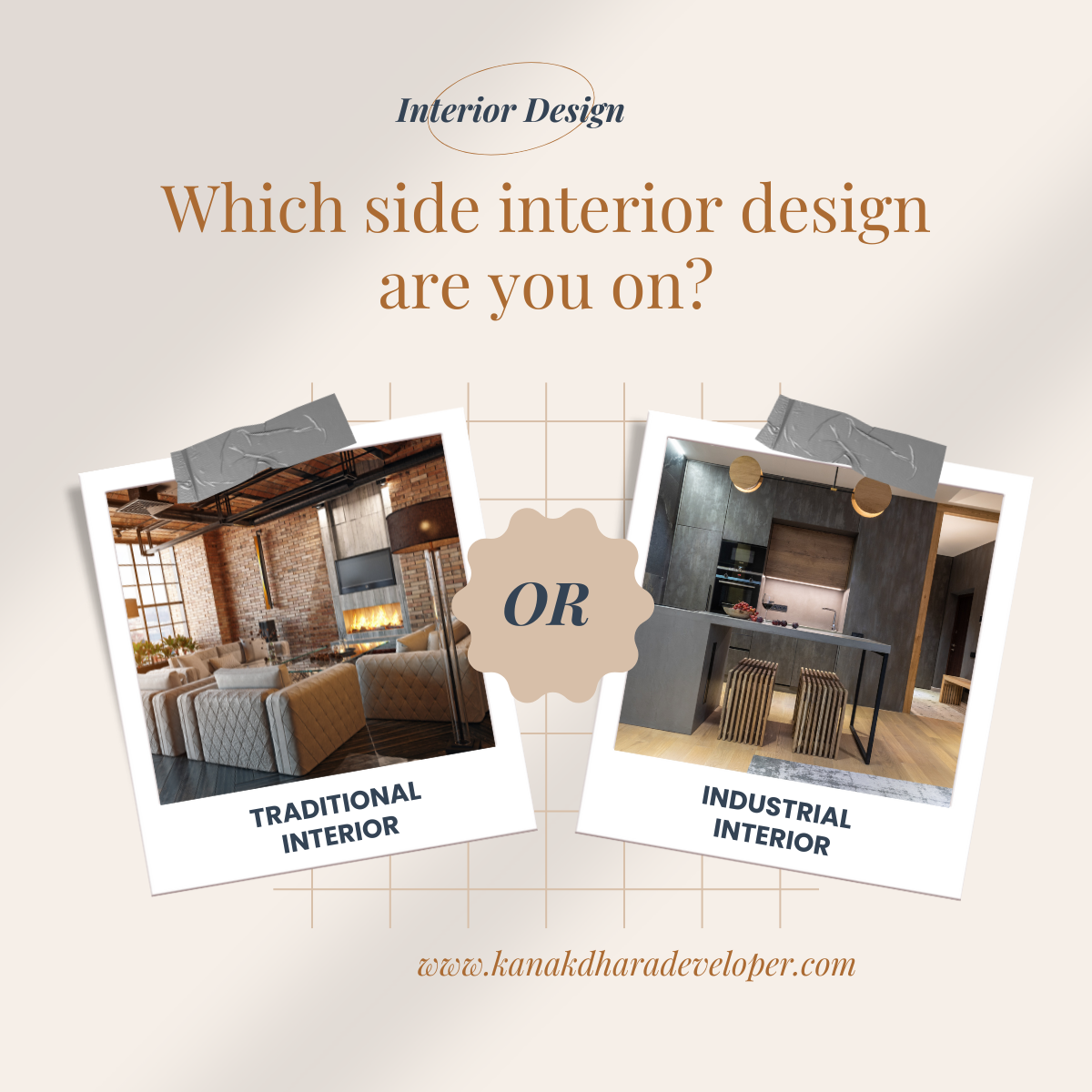

Industrial interior design ideas have become a favorite among homeowners who love a mix of vintage charm and modern aesthetics. Rooted in old factories, warehouses, and industrial spaces, this style focuses on raw textures, functional materials, and open layouts. It celebrates unfinished beauty — a perfect balance between construction and creativity.
Unlike traditional décor, industrial interiors highlight architectural elements rather than hide them. Exposed pipes, bricks, beams, and concrete surfaces are not flaws; they are statements of character. With the right planning, industrial design can fit homes of all sizes — from compact city apartments to large suburban houses.
Understanding Industrial Interior Design
Industrial design is all about structural honesty and simplicity. The concept draws from early 20th-century industrial architecture, where buildings were designed for work efficiency rather than decoration. Over time, designers began to see beauty in these functional spaces — and the industrial interior style was born.
This look blends architecture, construction, and 3D interior design principles to highlight texture, light, and volume. It’s about creating spaces that feel open, durable, and naturally stylish without unnecessary ornamentation.
The Role of Architecture and Construction in Industrial Design
In industrial interiors, architecture plays a defining role. Exposed beams, brick walls, and visible ceilings add depth and strength to the design. The construction layout usually follows an open plan, removing unnecessary partitions to make the area look larger.
Materials like concrete, steel, and reclaimed wood are used not only for strength but also for their visual texture. These materials maintain a balance between practicality and design — the foundation of all industrial interior design ideas.
Exposed Brick Walls
One of the most iconic features of industrial interiors is the exposed brick wall. This element gives the space a rustic yet refined appearance. Instead of covering the brick with plaster, the natural texture is kept visible. A coat of sealant preserves the color and prevents dust. Whether it’s a single accent wall or an entire living room, exposed bricks instantly add personality.
Concrete Surfaces
Concrete is central to the industrial look because of its neutral tone and durable texture. Polished concrete floors or matte concrete walls offer a clean, minimalist base. You can combine this with metal fixtures or wooden furniture for warmth. Many designers also use microcement — a thin concrete-like finish — to achieve the same effect in smaller homes.
Open Floor Plans
The industrial theme thrives on spaciousness. Open layouts eliminate boundaries between rooms, letting light and air move freely. Combining the kitchen, dining, and living areas creates a continuous flow that enhances the industrial feel. Such layouts also highlight the construction structure — beams, columns, and supports become part of the visual story.
Metal Accents
Metal is a key feature in industrial design. Iron, steel, copper, or aluminum can be used for light fixtures, staircases, furniture legs, and window frames. The raw finish — whether brushed or matte — gives strength and elegance at once. Black metal frames, in particular, define the industrial aesthetic when paired with neutral colors.
Wooden Elements
Wood adds warmth and softness to balance the hardness of metal and concrete. Reclaimed or unfinished wood fits the industrial aesthetic perfectly. Wooden beams, flooring, or furniture pieces like dining tables and bookshelves provide natural texture. The contrast of warm wood with cold metal is one of the core industrial interior design ideas that creates visual harmony.
Neutral Color Palette
The industrial color scheme is simple and grounded. Shades like grey, brown, white, and black dominate the interiors. These tones highlight architectural details and make materials stand out. Occasionally, designers add muted colors like olive green or rust red for a touch of warmth without disturbing the minimalist theme.
Large Windows
Industrial architecture often features large, grid-style windows. They allow maximum natural light and create a connection between indoor and outdoor spaces. The black-framed steel or aluminum design is timeless and gives the home an airy, open feel. In modern 3D interior design planning, such windows are used to visually expand the interiors.
Industrial Lighting
Lighting is both functional and decorative in industrial interiors. Hanging pendant lamps, metal cage lights, and Edison bulbs are popular choices. Their exposed design aligns with the industrial theme. The warm yellow glow of these lights softens concrete and metal textures, making the space feel inviting.
Exposed Ceilings
In most homes, ceilings are covered with false layers, but industrial interiors leave them open. Beams, ducts, and wires remain visible, highlighting the building’s structure. Painting them black or grey creates a sense of height and drama. This approach also reflects how construction and architecture merge seamlessly in industrial design.
Industrial Furniture
Furniture in this style focuses on simplicity and durability. Metal-framed tables, wooden benches, leather chairs, and open shelving units match the industrial theme. The design avoids ornate carvings or glossy finishes — instead, it celebrates clean lines and functionality. Reclaimed or vintage furniture adds a sense of history to the décor.
Industrial Kitchens
An industrial kitchen blends practicality with style. Open shelving replaces upper cabinets, allowing easy access and maintaining an airy look. Metal racks, concrete counters, and tiled backsplashes are common elements. The combination of steel and wood ensures that the kitchen remains efficient while keeping the industrial tone consistent.
Industrial Bedrooms
Industrial bedrooms emphasize relaxation through minimalism. The décor is simple — with textured walls, neutral tones, and wooden or metal furniture. Exposed brick behind the bed or pendant lights beside it create focal points. Natural fabrics like cotton or linen complement the raw materials and add comfort.
Industrial Bathrooms
Bathrooms in industrial interiors focus on function and texture. Concrete or stone tiles, matte black fittings, and exposed pipes define the space. Frameless glass partitions maintain openness, while simple shelves or wooden counters bring warmth. The design remains uncluttered yet stylish.
Artistic Touches
Though industrial design values simplicity, a few artistic elements can elevate it. Framed monochrome photographs, metal sculptures, or abstract wall art fit perfectly. These pieces maintain the industrial tone while adding personality to the home. Even graffiti-inspired artwork can be used to give an urban edge.
Indoor Plants
Adding greenery softens the rawness of industrial materials. Plants like snake plants, ferns, and money plants bring life to the interiors. Their natural colors balance grey and black tones, creating freshness without changing the minimalist theme. Simple pots or recycled containers work well in maintaining the industrial character.
Recycled and Sustainable Materials
One of the most practical industrial interior design ideas is the use of recycled materials. Old wood, metal scraps, and vintage items can be repurposed into furniture or decorative pieces. This not only reduces waste but also adds uniqueness to the décor. Sustainability is a key aspect of modern industrial homes.
Texture and Layering
Texture defines the industrial style more than color. Combining rough concrete, smooth metal, and natural wood adds visual depth. Soft furnishings like jute rugs, cotton cushions, or linen curtains contrast beautifully with hard surfaces. Layering these textures ensures that the home looks dynamic yet cohesive.
Importance of 3D Interior Design
Before execution, many architects use 3D interior design to visualize industrial spaces. These virtual models help homeowners understand how lighting, materials, and space will interact. 3D visualization also allows for experimenting with furniture placement and colors, ensuring that the final design achieves both aesthetic and functional goals.
Creating Balance
Industrial design is about finding balance — between old and new, rough and smooth, function and beauty. Exposed structures may look heavy, but proper lighting and open spaces keep the interiors light and comfortable. Every design choice should feel natural, not forced. The beauty of industrial décor lies in the effortless harmony between construction and creativity.
Final Thoughts
Industrial interiors are not about perfection but authenticity. They remind us that beauty can exist in unfinished materials and visible structures. The combination of exposed bricks, metals, and wood reflects honesty in architecture and craftsmanship.
By applying these industrial interior design ideas, homeowners can create spaces that are strong, timeless, and full of character. Whether you live in a compact apartment or a large house, the industrial theme offers flexibility, style, and substance — a true reflection of modern architectural art.